A Flood of Used EVs is Coming
A surge is coming to the used car market, and they’re EVs. In the next few years, a tidal wave of leased EVs will return to dealerships as early adopters hand over their keys. For buyers, this is shaping up to be the best shot yet at owning an EV without the steep new-car price tag.
Leasing fueled much of the recent EV boom. With incentives and tax credits lowering monthly payments, many buyers chose two- or three-year leases over buying outright. Now, all those EVs are returning to the market at the same time.
For shoppers, this is about as good as it gets. More supply almost always means lower prices, and with EVs already dropping in value faster than most cars, the used market is about to get even friendlier. If you’ve been on the fence about going electric, the biggest hurdle – upfront cost – might finally be coming down.
But what’s good for buyers is turning into a headache for the industry.
The Numbers Behind the Concern
According to Automotive News, the scale of this shift is substantial. Off-lease EVs are expected to make up nearly 15% of the used vehicle supply by the end of the year, with volumes peaking at close to 800,000 units by 2028 .
The real issue is how these cars are valued. Automaker finance divisions, the ones behind all those leases, depend on predicting what each EV will be worth when the lease ends. If they guess wrong, the numbers stop adding up.
Those predictions are turning out to be far too optimistic. Industry analysts suggest that many EVs returning from leases could be worth around $10,000 less than expected, with some estimates ranging from $5,000 to $20,000 per vehicle. Multiply that across hundreds of thousands of units, and the projected losses could reach around $8 billion by 2028.
Data cited by Automotive News show that a three-year-old EV now retains roughly 40% of its original value, a sharp drop from around 90% just a few years ago.
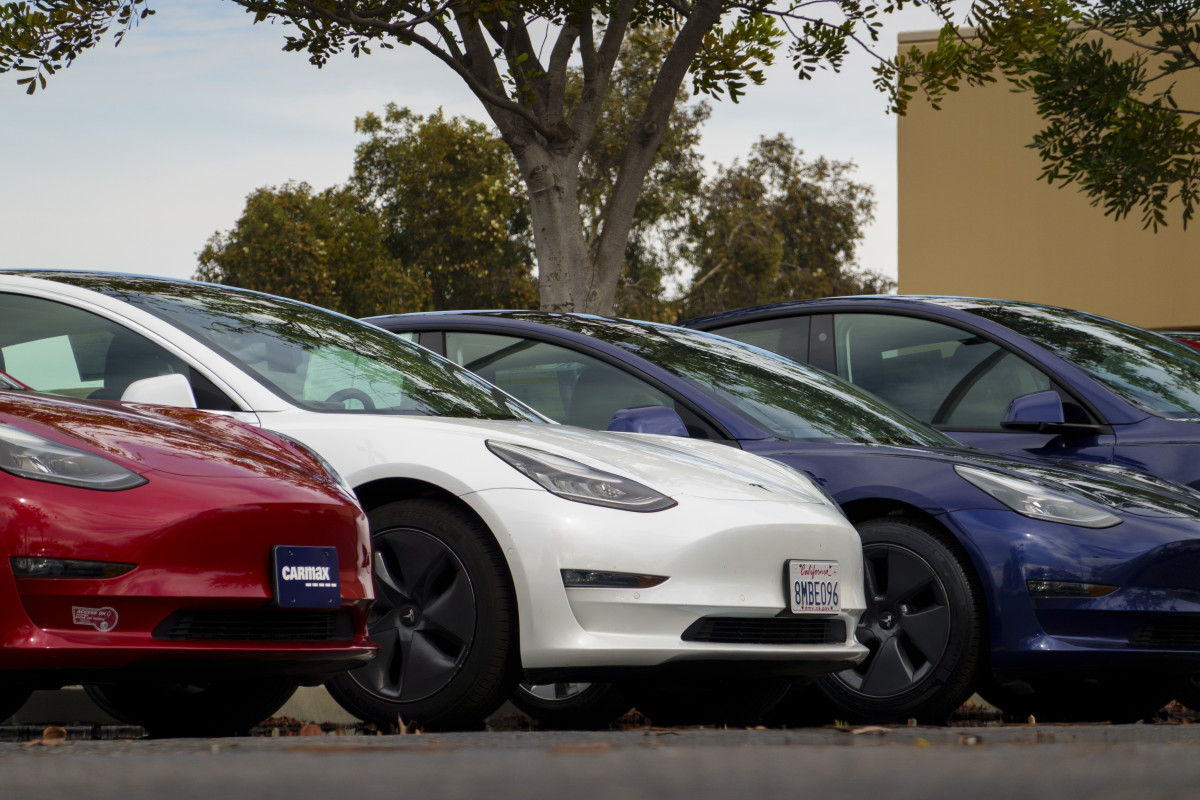
Brands that went all-in on leasing, especially Tesla and GM, are now facing the biggest wave of returns. The sheer number of vehicles coming back is set to test how well they can adapt.
Eric Thayer/Bloomberg via Getty Images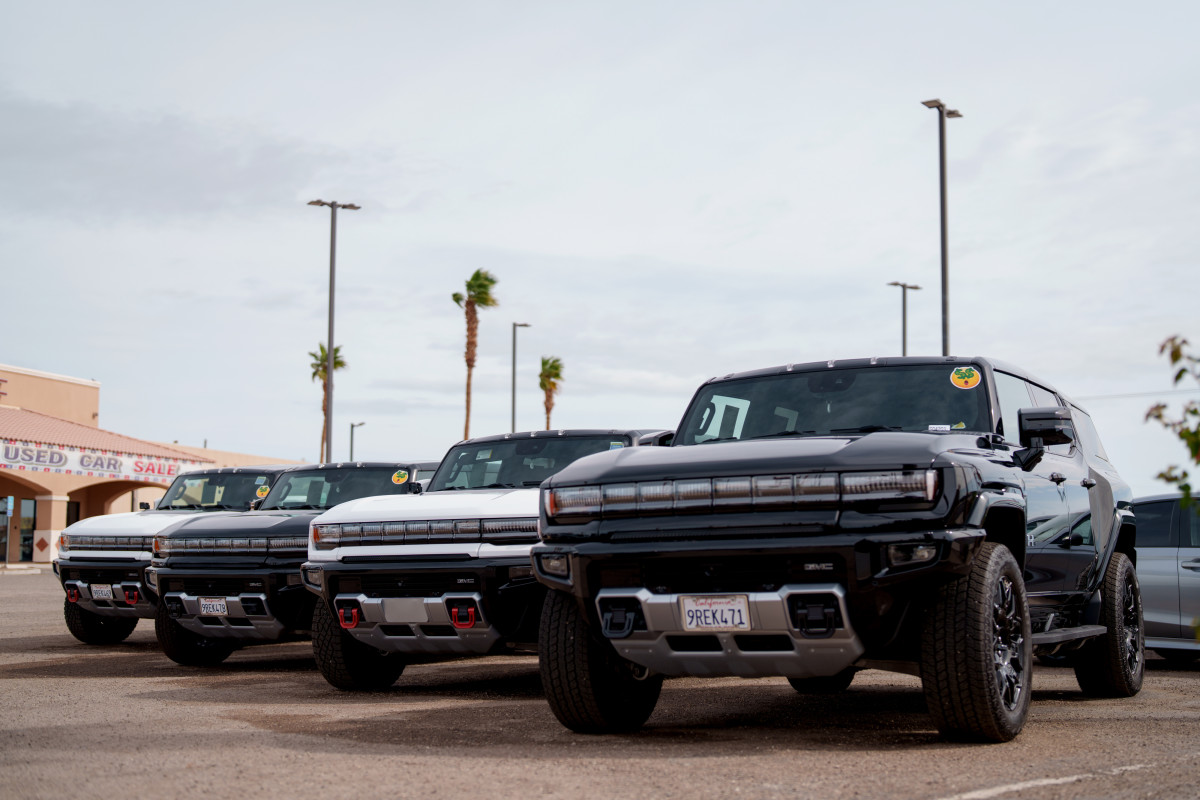
What Happens Next
The industry isn’t just watching this unfold. Automakers, lenders, and dealers are already shifting gears to handle the flood of used EVs and cushion the blow. Some are turning to faster resale channels like online platforms and direct sales. Others are looking at certified pre-owned EV leases to keep cars moving off the lot.
Auction houses are gearing up, too. Companies like Manheim are pouring money into EV infrastructure, from charging stations to battery diagnostics, to handle the surge. Dealers know these cars will sell, just not for the prices they once hoped for.
That’s where compromise comes in. Analysts suggest that automakers and dealers may need to share the burden through pricing support or incentives just to keep inventory flowing.
Stepping back, this looks like a much-needed reset. EV adoption raced ahead, and now the used market is catching up. Lower prices could finally open the door for a wider range of buyers, not just the early adopters.
The trade-off is obvious: Buyers get easier access, while automakers take the financial hit. In the end, this might be what finally makes EV ownership mainstream, but it’s going to leave some bruises on the balance sheets first.
Kevin Carter/Getty Images