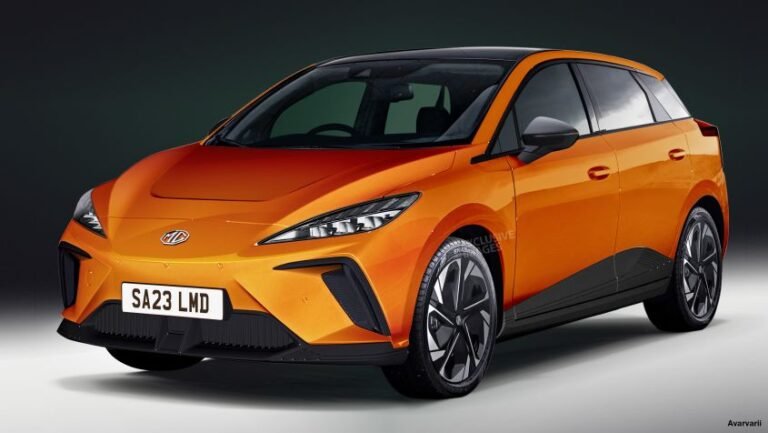
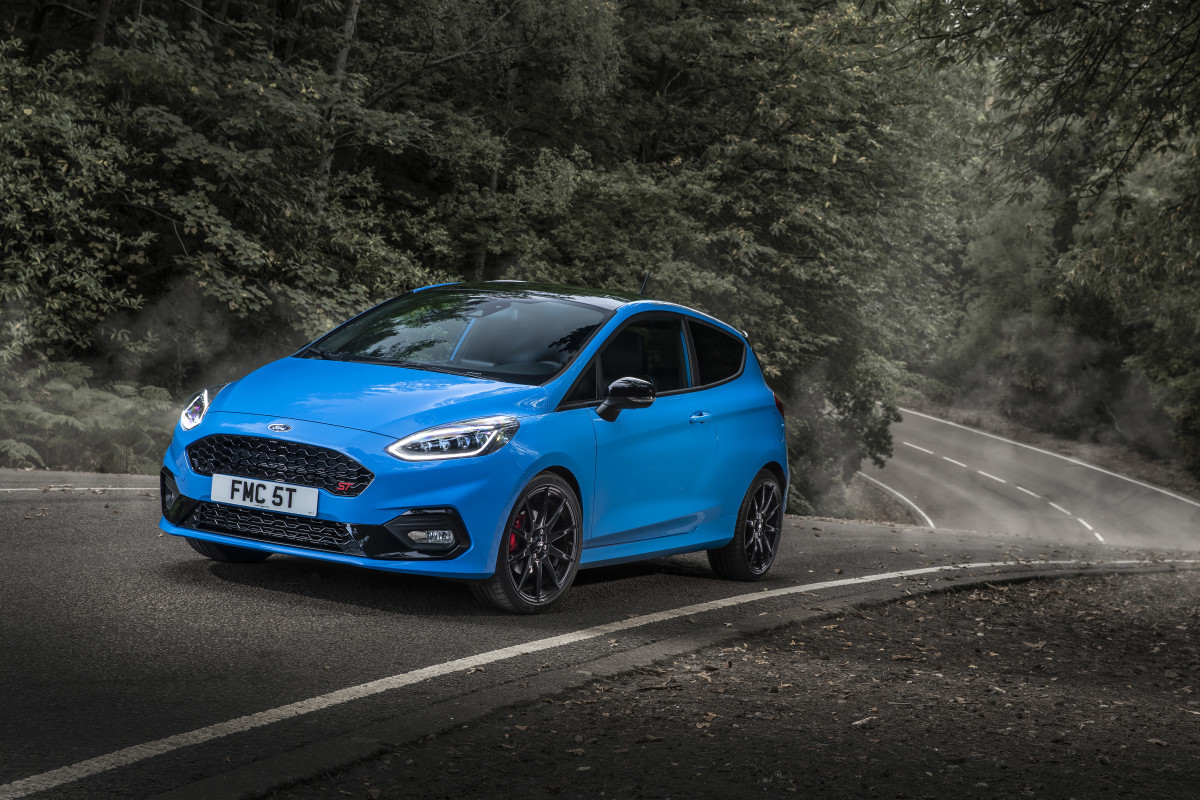
Ford is preparing for a long-awaited return to the compact car space. The Fiesta nameplate, retired globally in 2023 and years earlier in the United States, may soon reappear in electric form thanks to a new partnership with Renault. Ford has never explicitly said Fiesta EV, but with two compact Ford-branded electric models arriving in 2028 on Renault’s Ampere platform, the direction is hard to miss. The Fiesta could be heading back to showrooms, only this time with a charging cable instead of a fuel tank.
Renault Partnership Sparks Two New Ford EVs
Ford
Renault
Alpine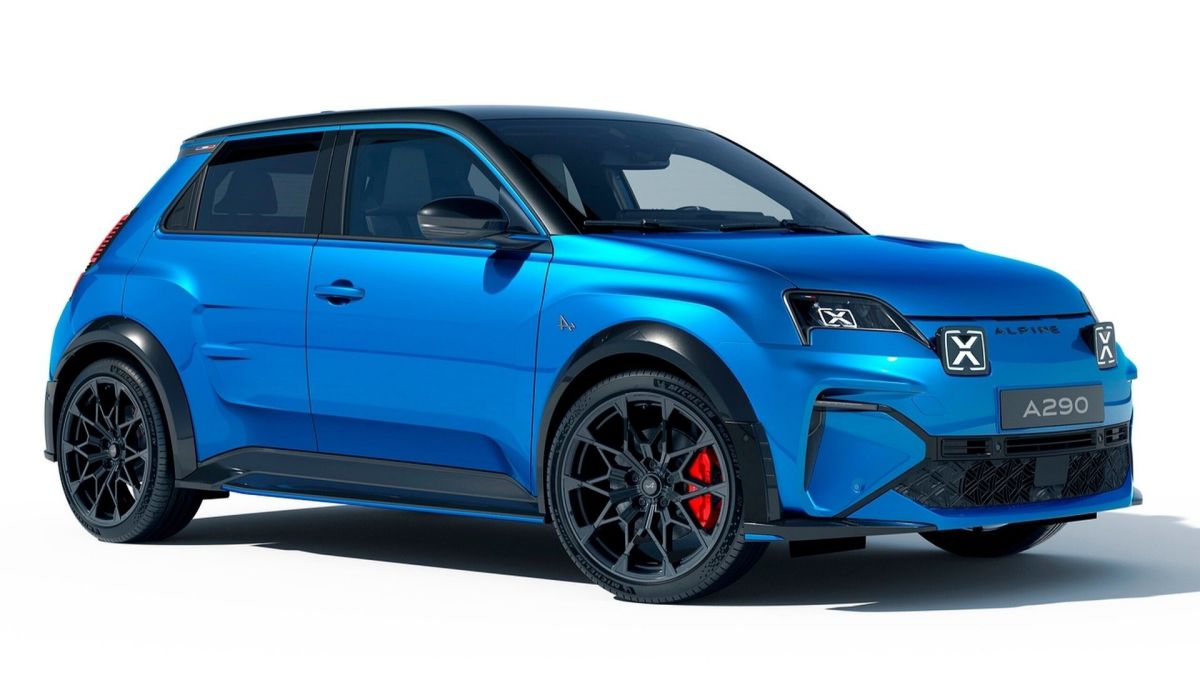
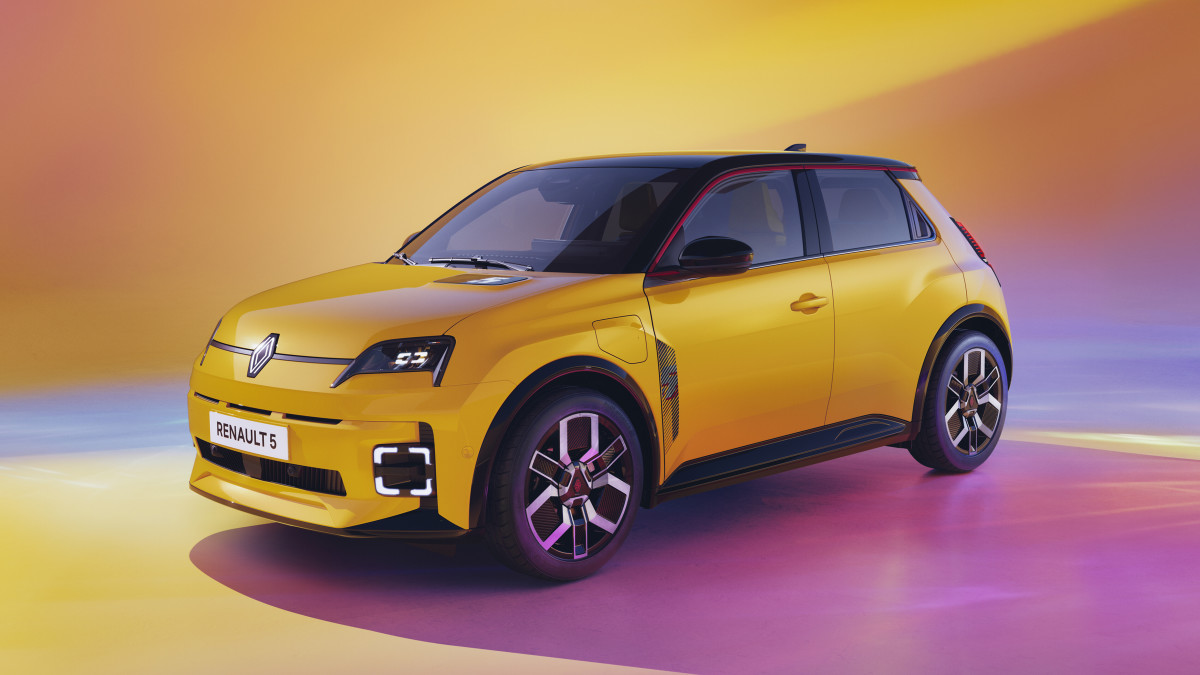
After walking away from the Fiesta and Focus, Ford watched its mainstream footprint shrink, especially in regions where compact cars still matter. It seems Ford is now trying to rebuild that entry-level foundation. Ford’s new partnership with Renault gives it access to the Ampere EV platform, the same underlying architecture used in the famously fun-to-drive Renault 5 and Alpine A290. Two small Ford EVs have already been confirmed, both designed by Ford and produced by Renault in northern France. And since Renault has zero presence in North America, this arrangement gives Ford an opportunity to reintroduce a quirky, city-friendly model without overlapping the two brands. There’s also a broader market shift Ford can’t ignore: Demand for affordable, basic transportation is rising again, evident in the popularity of low-spec Ford Maverick trims. Customers have been flocking to the cheapest versions of that truck, proving that simple, budget-friendly vehicles still have a strong place in the market. If Ford wants to re-enter the compact segment with credibility, delivering something small, affordable, and efficient could be exactly the move buyers are waiting for.
Mustang Mach-E and Capri Lessons on Heritage
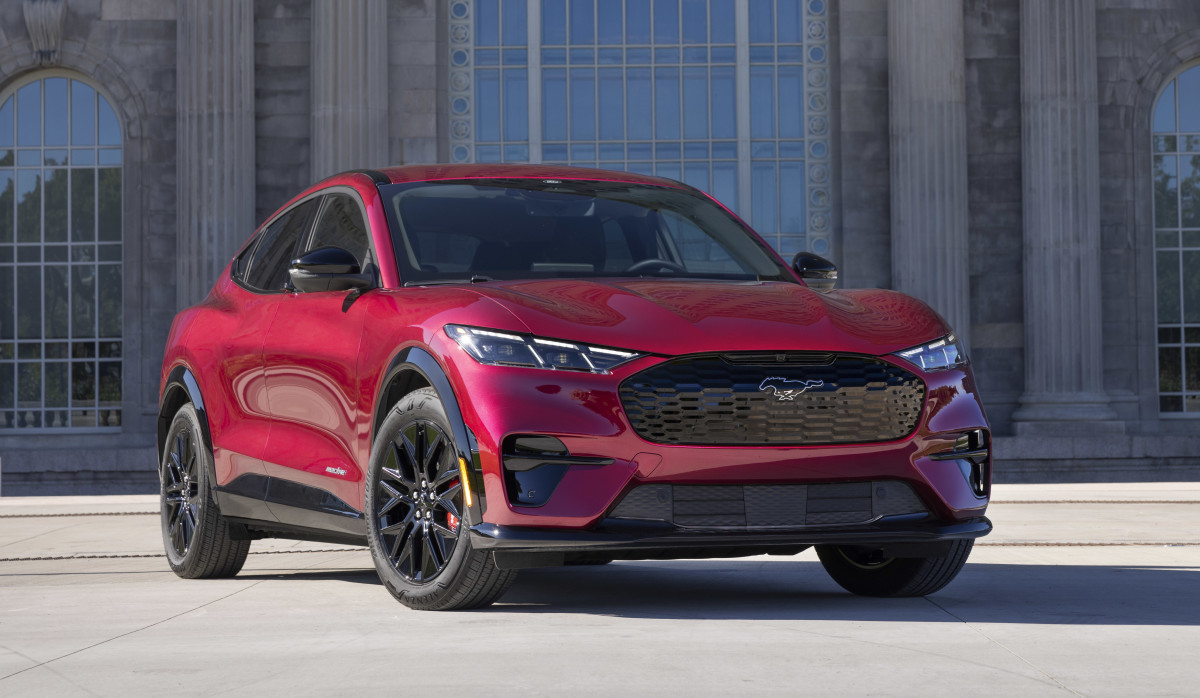
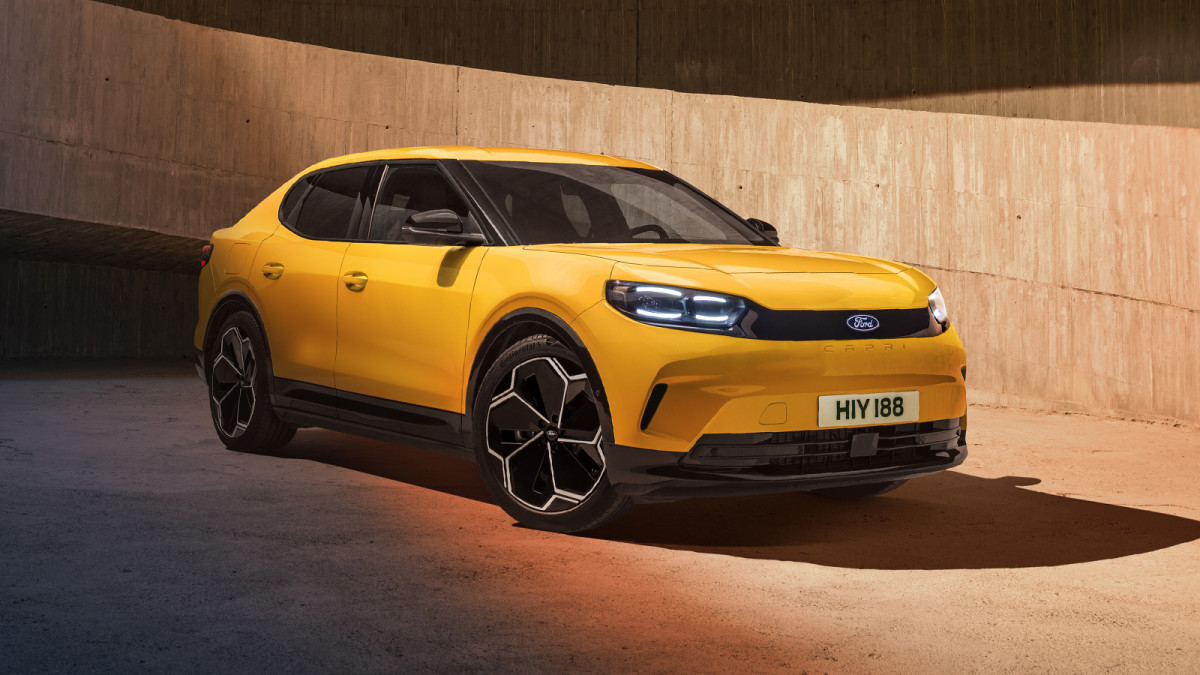
Ford’s EV credentials are proven, and the Mustang Mach-E makes that clear. It delivers a competitive range, strong tech, and confident performance. The problem has always been the nomenclature. Using the Mustang name on an electric SUV upset purists who felt the model strayed too far from its roots. The same concern applies to the Capri revival, which resurfaced not as the sleek European coupe people remembered but as yet another electric SUV. That history raises an important question for the potential Fiesta EV. Would Ford stay faithful to what made the original great, or would the badge be stretched into something larger and less recognizable? With the Focus expected to return as an SUV, there is legitimate concern that the Fiesta could face a similar fate. Fingers crossed the upcoming Fiesta EV won’t become a coupe-shaped crossover abomination that shares little with the small, playful hatchback people loved.
A Fiesta EV Makes Sense, But Expectations Will Be High
Ford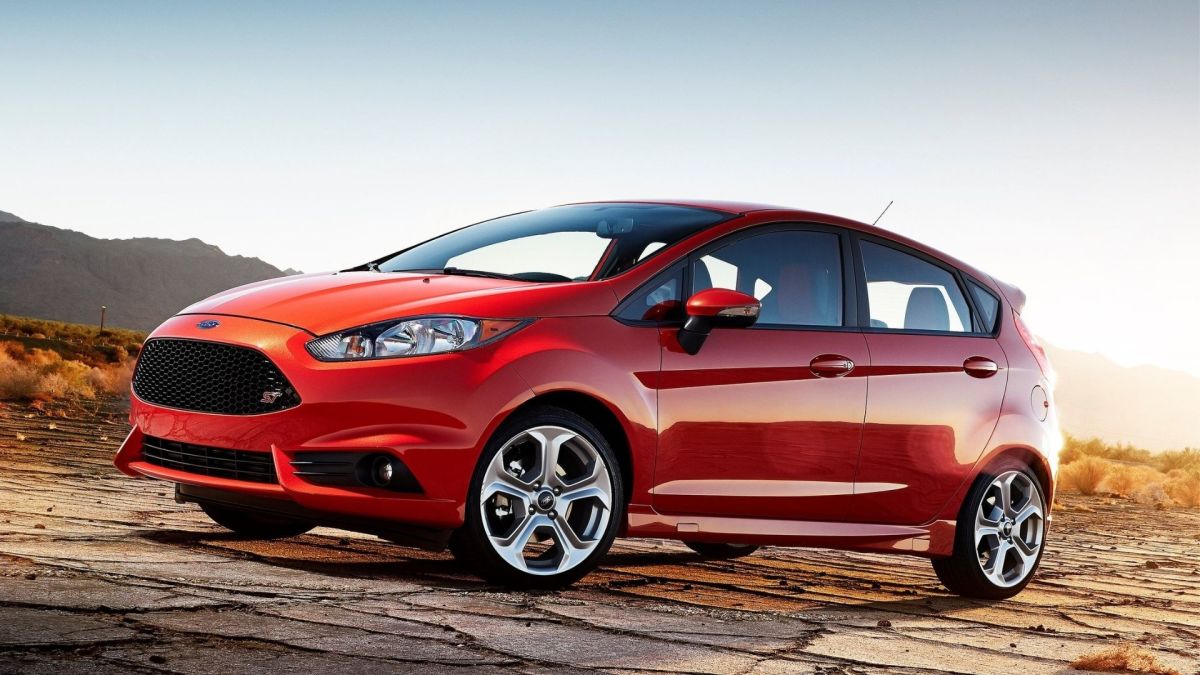
More than 16 million Fiestas have been sold worldwide, and the model remains one of the most recognizable compact cars on the planet. It earned that reputation by being affordable, practical, and surprisingly fun, especially in ST form. A battery-powered successor makes sense for Ford, particularly as the automaker seeks to regain market share in the high-volume entry-level segment. What remains uncertain is how faithfully Ford will interpret the legacy. A Fiesta EV built on French hardware with a modern design brief could be exactly what the brand needs, or it could be a return in name only. And even if Ford gets it right, one big question still hangs over the entire project. Would the Fiesta EV actually be sold in the United States, or would North America miss out again while Europe gets another quirky electric car that America actually wants?