Why RHD to LHD Conversions are a Thing
Depending on where you live, your home country may treat right-hand-drive (RHD) imports differently. For some, it’s allowable with vehicles that meet certain conditions. In Japan, it’s legal to own, register, and drive a left-hand-drive (LHD) car as long as it passes local inspection, whereas in other countries, such as the United Arab Emirates (UAE) and the Philippines (both LHD countries), it’s illegal to drive an RHD vehicle. Because of this, vehicle importers or exporters convert RHD vehicles to enable registration and sale in the destination country.
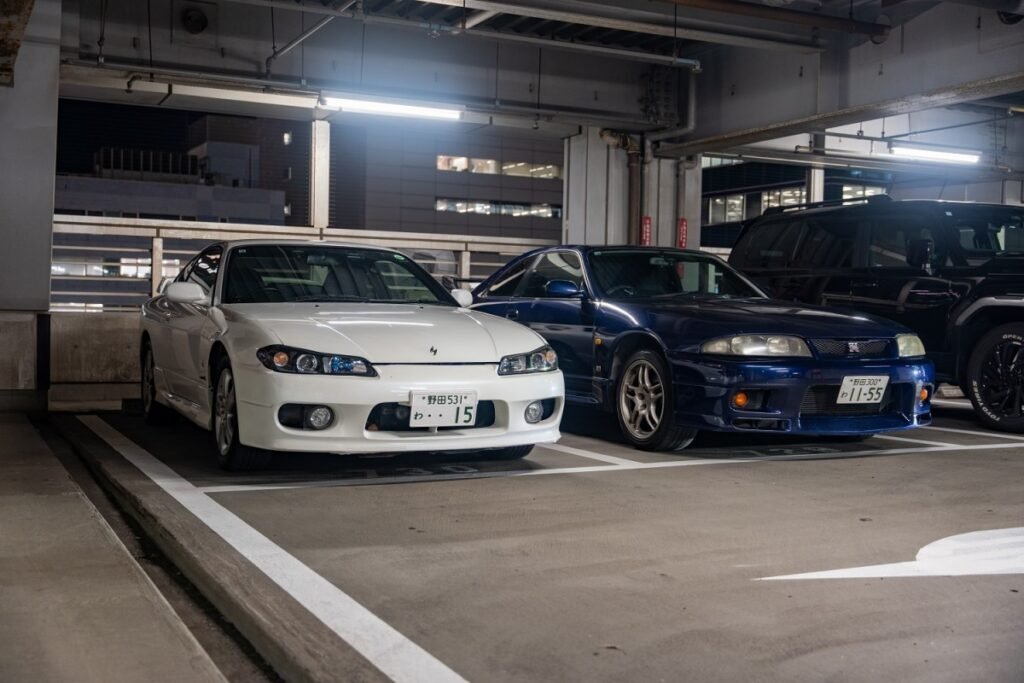
Aside from legality, another reason importers or exporters convert RHD vehicles is that they can sell them at affordable prices in the destination country. The other is collector’s value because, as you might know, at one point in time, Japan tended to keep the best specs and models for itself. Examples include specific nameplates from the golden era of Japanese performance cars, which have become classics in their own right and are known to command high prices at auctions, especially for limited models.
Earl Lee/Autoblog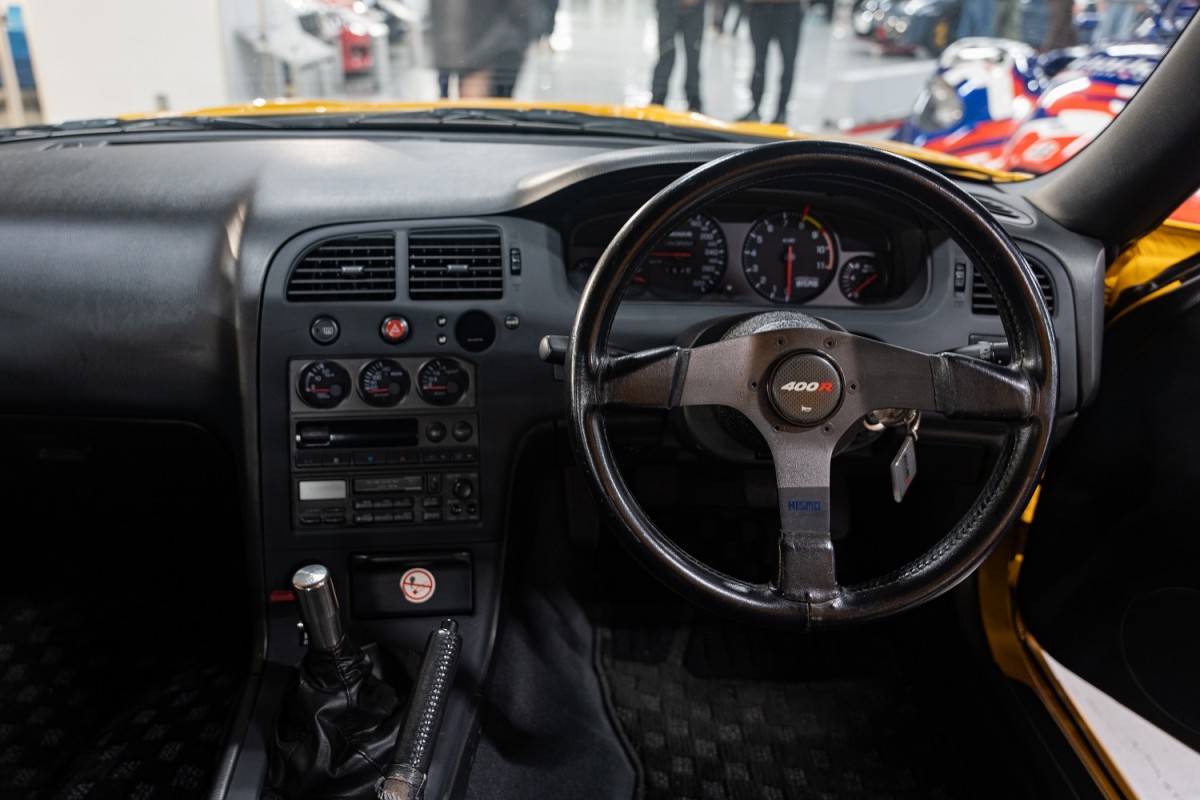
Why Did Conversions Start?
At first, it wasn’t just about the collector’s value. In fact, it was a way to save money. Instead of buying a brand-new vehicle from a local dealer, converted vehicles can be purchased at bargain prices. This is the case in developing countries like the Philippines, where small businesses could save on a new car by getting a converted second-hand vehicle from Japan.
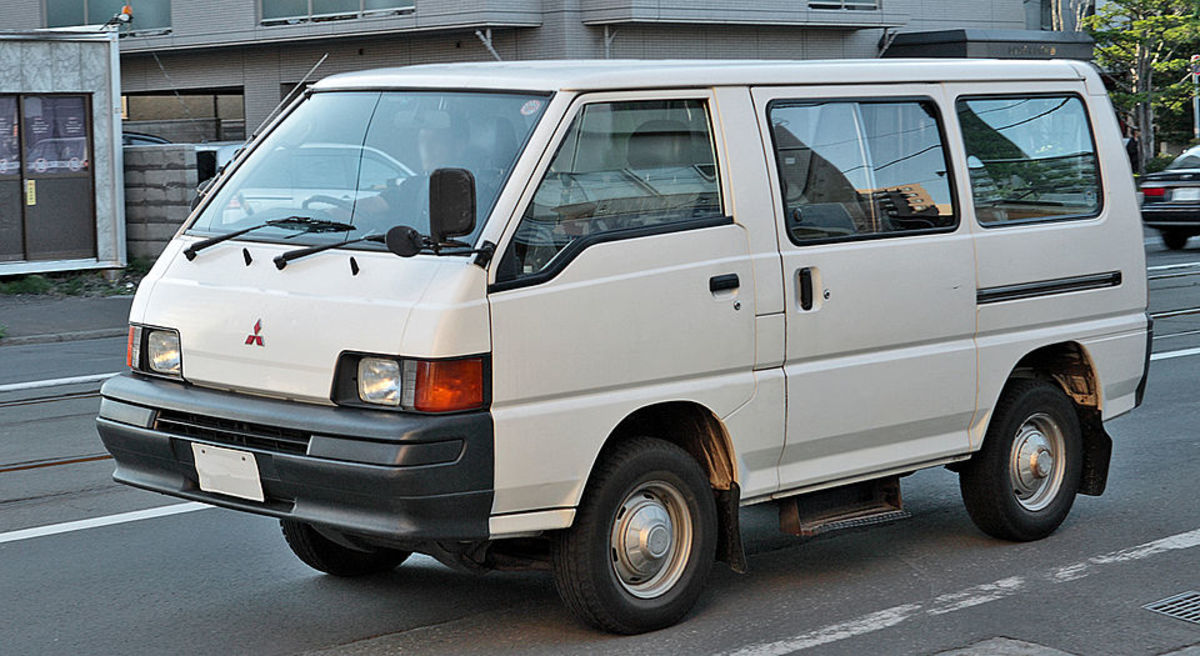
Case in point, the Mitsubishi Delica, which has been produced in Japan since 1968. In countries like the Philippines, where a van can be both a family hauler and a business tool, many units were imported and used on the road, enough for the local Mitsubishi outfit to produce a model of its own: the Mitsubishi L300. Also, commercial vehicles like the Isuzu Elf were imported from Japan and converted in the Philippines to get to work and contribute to the economy at a fraction of the cost of a brand-new unit.
Conversions were done out of necessity, to get models that weren’t available in that specific market and/or to meet a certain price point. It wasn’t about passion and enthusiasm at first, but a cost-saving measure to get a working car for a working man’s price.
Are Converted Cars Safe?
As with anything in the world of car modification, it all depends on how it’s done. While it is possible to come out of an RHD conversion with a safe vehicle to drive, if done improperly, the consequences can range from mild panic to a full-on train wreck.
It’s easy to forget that by converting a car, you’re essentially changing the layout of the vehicle and part of its structure. On top of that, parts for RHD vehicles aren’t a flip-and-skip type of deal. To convert from the right to the left, you need (very important) parts like an LHD steering rack to replace the RHD one, because, as far as I’m concerned, those two won’t be similar.
On top of that, the firewall must be cut out or replaced with a model-specific LHD version. Also, you need to mate the steering wheel to the column and steering rack, which requires a laser alignment machine to get everything absolutely spot-on.
You also have to transfer the brake master cylinder, power steering pump, and, in manual variants, the clutch master cylinder. All of these parts need to be securely placed on the other side of the car, and their lines properly rerouted. Other components in the way may include the air conditioning blower and condenser, and these two components need to be relocated to make room for the steering column.
In a nutshell, it has to be done correctly to be “safe.” Getting your controls sorted is priority number one, which means getting the appropriate steering rack, a proper set of mounts and lines for your accelerator, brake, and clutch pedals, and also the right guy for the job. Once primary safety is out of the way, you may have to kiss secondary safety features goodbye, like airbags. Durability is also a concern, which is why component and work quality must be top priorities when converting cars.
Earl Lee/Autoblog
We’re Not Done
Once the steering wheel is on the left, you will have to deal with the dashboard. The best way to get that problem sorted is to find an OEM or aftermarket LHD dashboard for your vehicle and slap it on. However, if you cannot source one or if the car never came in LHD, you might have to cut into the existing dashboard to mirror it for the left side, or resort to the aftermarket, which will be costly. Cutting up the dashboard also won’t guarantee proper steering wheel alignment without the right tools, so keep that in mind as well.
After the dashboard is flipped over, you will notice that the rest of the car didn’t follow. The maddening part about converted cars is that all the driver’s controls will be on the other side, like the window switches, hood latch, hand brake, trunk release, and gas flap release, among a plethora of other things. The most annoying part about converted cars is that the light and wiper stalks are flipped, so you will have to adapt to this, or just deal with it.
Wait, there’s more. RHD vehicles have their wipers flipped, so you will also have to source or fabricate a cowl and motor setup to get the wipers to wipe towards the driver’s side. When darkness falls, the headlights are also aimed differently, and you could blind oncoming traffic with your low beams. Additionally, the fuse box should be in the driver’s footwell, and even little things like that beeping sound that reminds you to take your key out of the ignition will be coded to the other side of the car, unless you get in there and rewire things.
The best way to convert an RHD car is to use an LHD version as a “donor car.” Either that, or you can do what most enthusiasts have been doing for a while now: swap over all the parts you want from the RHD unit into the LHD one, which is the case for a lot of Nissan 240SX or Honda Civic owners out there. However, if a car is only available in RHD, your options will be limited, and you will have to get more creative.
Earl Lee/Autoblog
My Proof in the Pudding
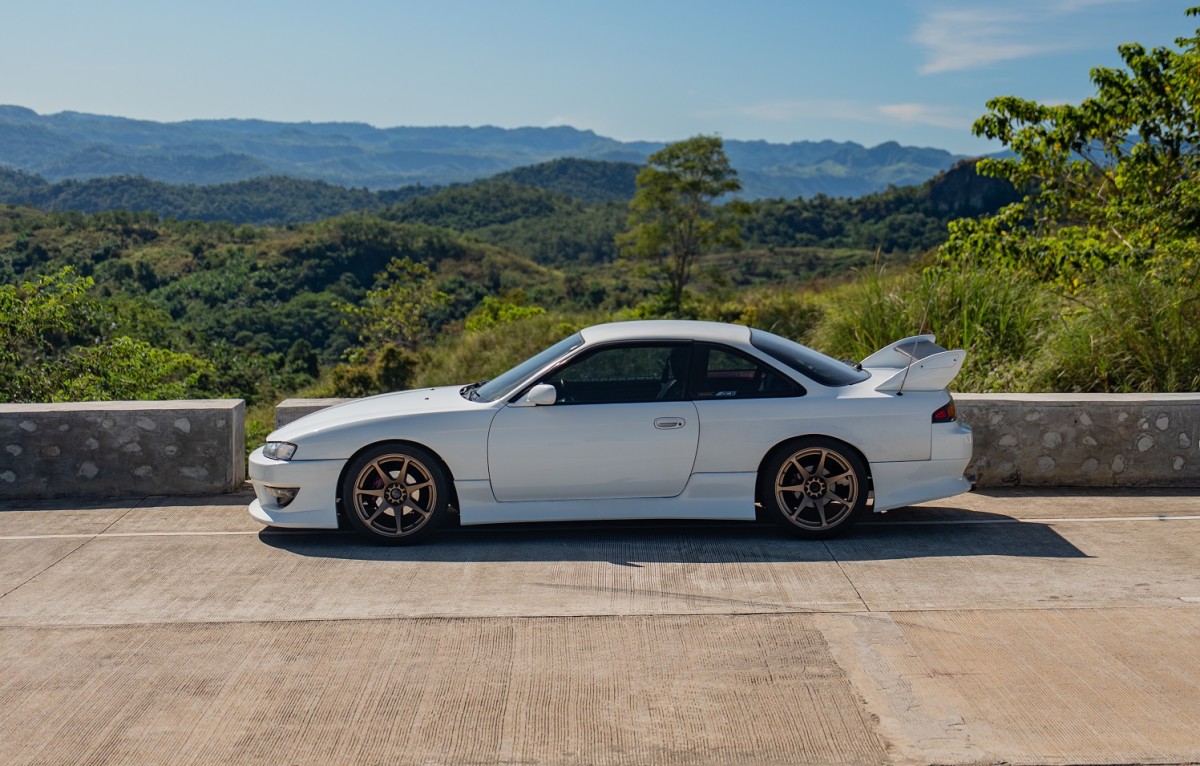
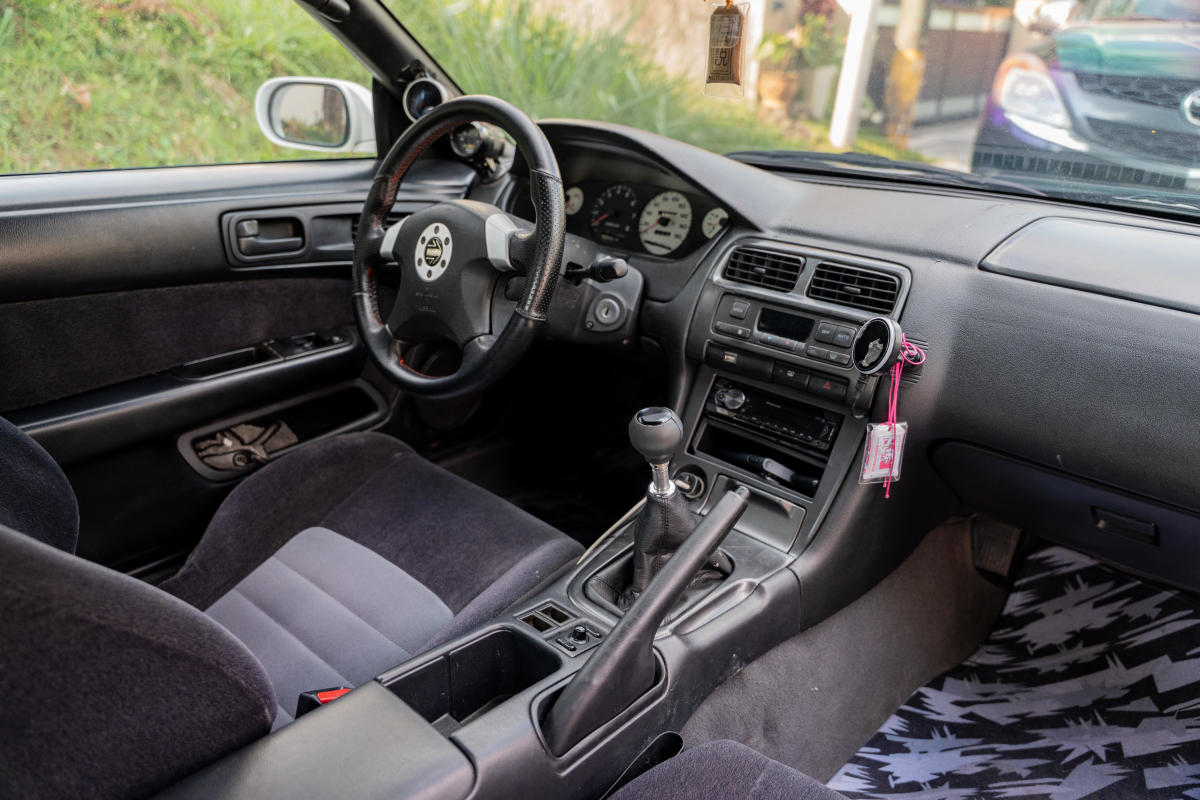
Living in the Philippines, I’ve seen a number of converted cars; in fact, my daily driver is a converted 1998 Nissan Silvia (S14) that was legally imported, registered, and tax paid. As a Japanese import, before it received any documentation in my home country, the importer had to convert it from RHD to LHD.
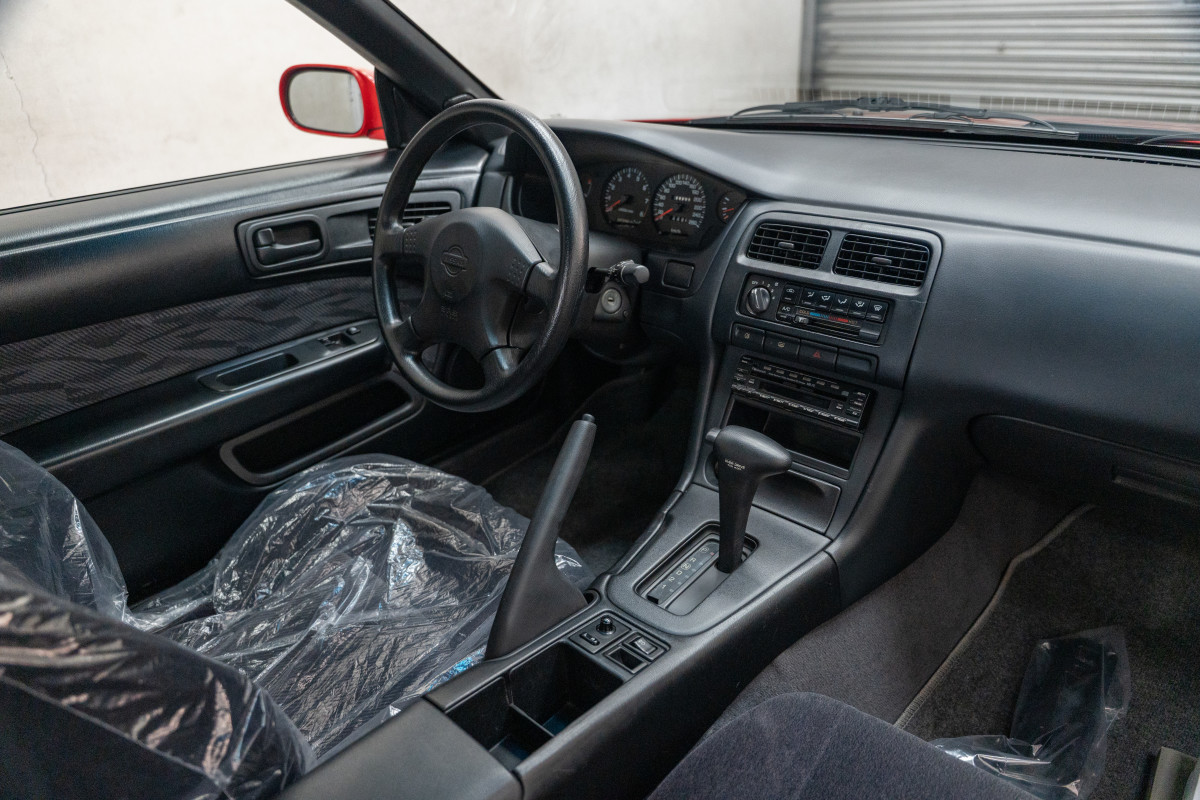
As far as safety is concerned, this is a late-2000s to early-2010s import, so importers and technicians more or less knew what they were doing with Silvias by that time; enough to convert them safely with the steering wheel aligned and all controls close to their original positions. Even then, it’s not perfect, as several elements are RHD-specific, such as the grab handle, dead pedal, and handbrake placements.
However, the car’s fundamentals are all sorted. The steering is direct and true, the brake and clutch masters are relocated and reliable, and all essential components formerly on the left are now on the right. The car wouldn’t have lasted this long on the road if things weren’t done right.
Earl Lee/Autoblog
When is it Acceptable to Convert a Car?
In my opinion, converting a car is a long and laborious process that’s still a gamble. Again, you have to get the right guy and the right parts for the job or else things could go haywire – figuratively and literally. If your country has laws that allow an RHD vehicle to be legally driven on the road anyway, then conversion is too much work and not worth the hassle.
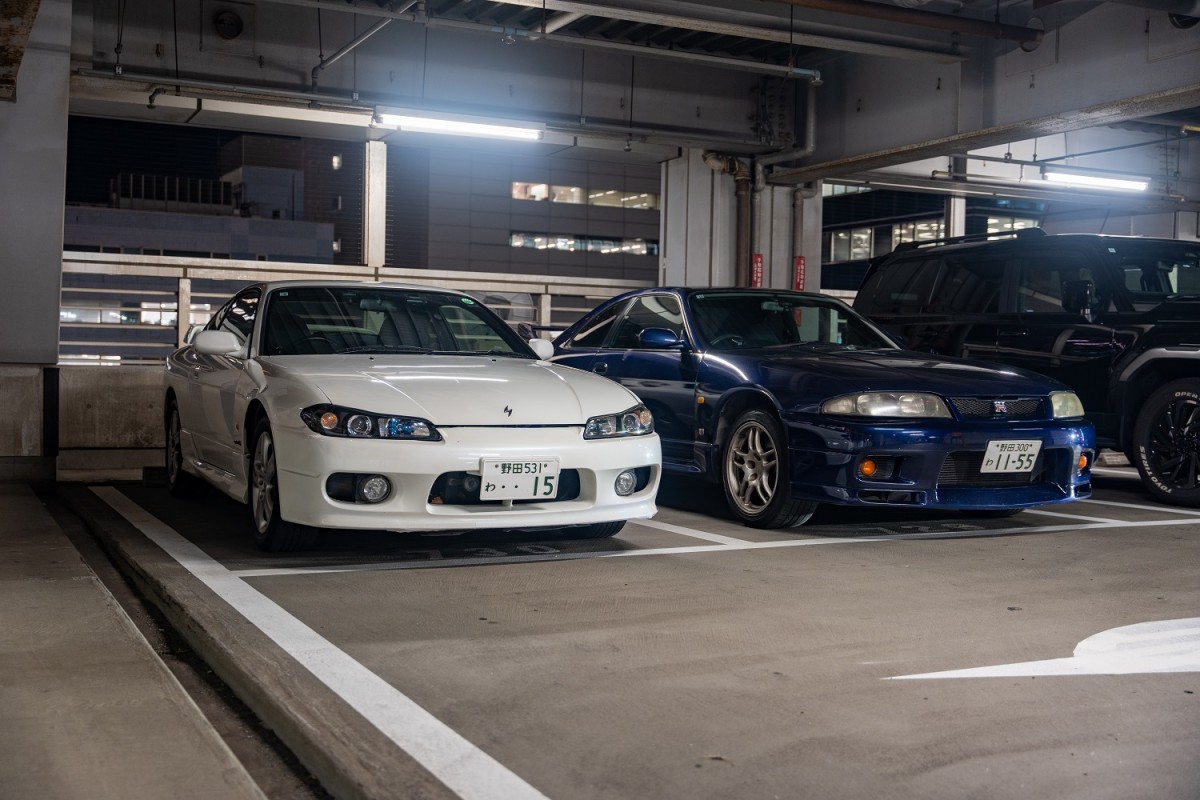
If RHD vehicles are illegal in your country, and if conversion is the only way to get the car that you really want, then what choice do you have? In countries like the UAE, where RHD-only models like the Skyline GT-Rs or S15 Silvias command a premium, to be allowed for sale, import houses must ensure that the vehicles are properly converted to LHD and pass inspection to be registered and sold.
To answer the question, it’s acceptable if it is done right and if the circumstances leave you with no choice. If you can live with RHD legally, keeping the car in original-hand drive is ideal in the short term and the long run.
Earl Lee/Autoblog