The Gulf has long been one of the most important markets in the luxury automotive world. It accounts for less than 10 per cent of total sales volumes at most high-end brands, but generates profits far disproportionate to that share, because buyers there consistently opt for the most customized and, consequently, most expensive versions of every model on offer. Bentley CEO Frank-Steffen Walliser captured the sentiment perfectly just weeks before conflict broke out. “It’s the best market in the world,” he said of the Middle East. Now, with the conflict in the Middle East reshaping the region’s mood and logistics, that crown jewel is suddenly looking very fragile.
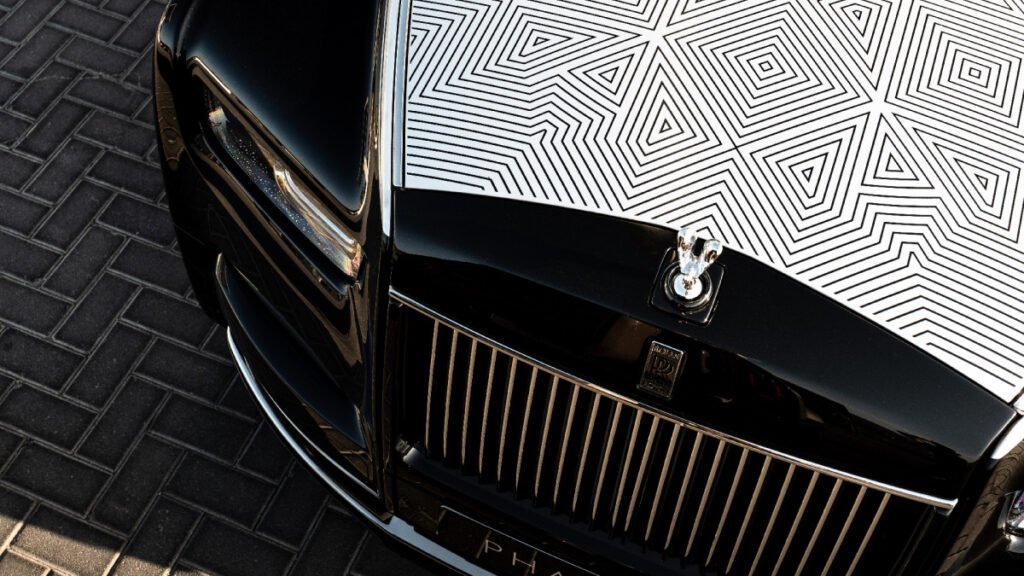
Rolls-Royce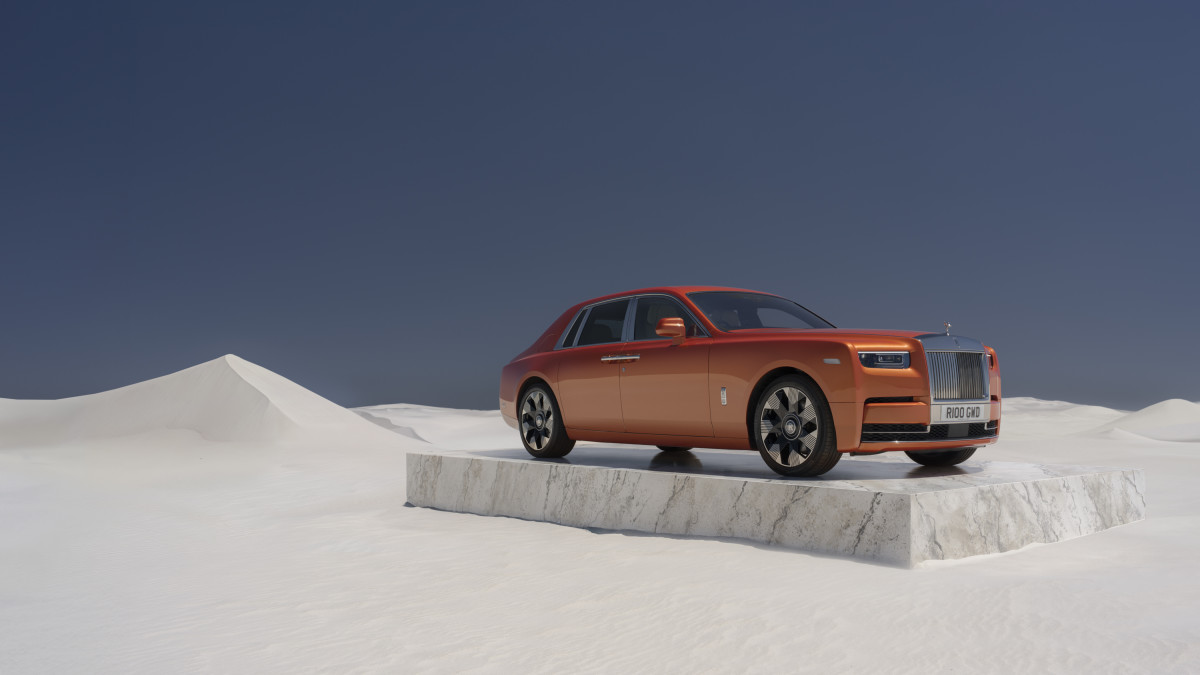
When the Showrooms Go Dark
Several luxury dealerships across the Gulf temporarily shut their doors after fighting broke out on February 28. Ferrari and Maseratipaused deliveries entirely as car carriers found themselves unable to navigate routes near the Strait of Hormuz. Some manufacturers began flying supercars directly to buyers to work around the disruption, an enormously expensive workaround that speaks to just how much is at stake. Reuters reports that Bentley’s CEO’s thoughts, saying that buyers in the region currently have “other thoughts than looking for a new Bentley.” Volkswagen‘s Oliver Blume acknowledged the region is “very high margin” and that the conflict will “certainly have an impact.” A Bernstein Research forecast suggested luxury sales in the Middle East could fall by as much as 50 per cent in the near term.
Rolls-Royce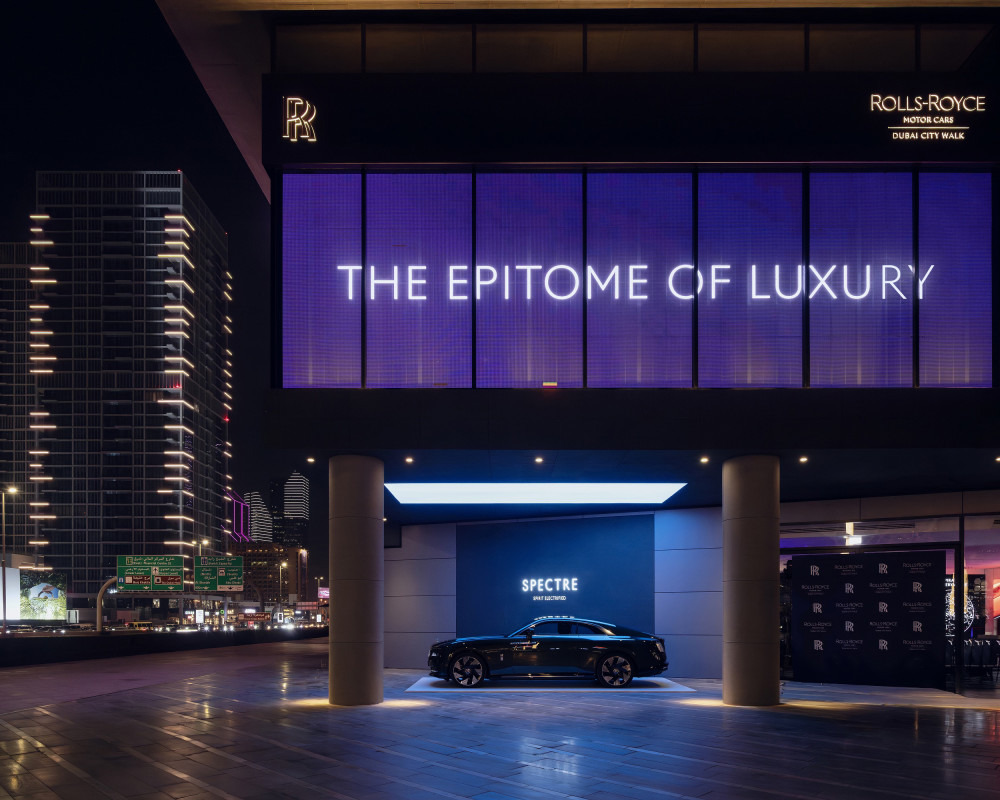
The Worst Possible Timing
This would sting at any moment. Right now, it stings considerably more. China’s luxury car market has collapsed. US sales face tariff-related uncertainty. Russia has been off the table since 2022. Lamborghini‘s CEO recently noted there is no new major market waiting to absorb the shortfall. The Gulf was supposed to be the one bright spot, a high-margin cushion against softness everywhere else. That cushion is now under pressure, and the industry has few places left to turn.