Japan’s Flagship Sedans
Before Japanese automaker decided to make luxury divisions, they already had a slew of flagship luxury sedans in their lineup. There’s the Toyota Crown, the Nissan Cedric/Gloria, and the Honda Legend. Smaller players had them too, such as the Mitsubishi Sigma and, later, the Diamante, and Mazda also had skin in the game with its Luce.
The Luce is a particularly interesting car, even if it was never a particularly huge seller in its home market. Its name might not be familiar to the American market, but it was better known as the 929 outside of Japan. Sold in North America from 1987 to 1995, it was vastly overshadowed by the Acura Legend and Lexus ES. There’s also a good chance that more people remember the Mitsubishi Diamante over the 929.
Still, we think it’s a car worth mentioning from time to time. It had several forward-thinking features and followed the classic executive sedan formula with its generous proportions, six-cylinder power, and rear-wheel drive.
Mazda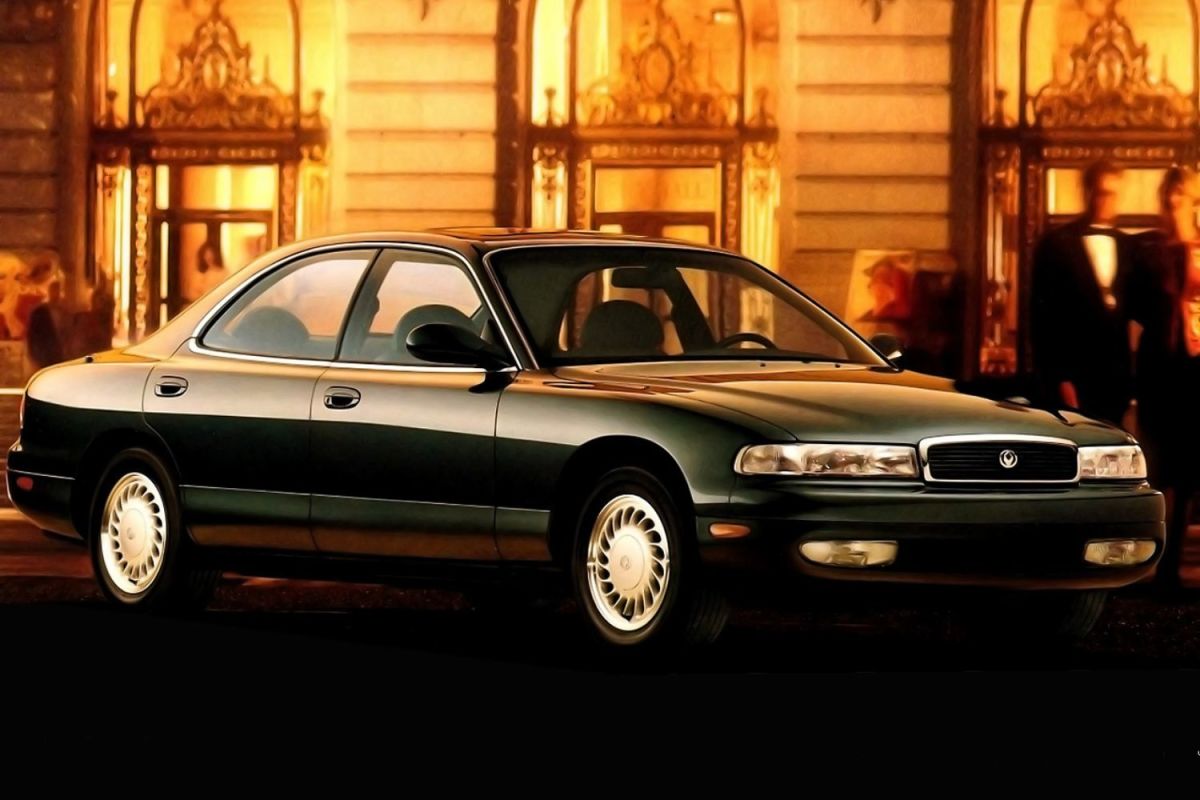
Before the 929
In some ways, the U.S. and Canada got the 929 before it was called the 929. Export-market Luce models were already called 929 unless they were rotary-powered, which is what North America got. Sold as the RX-4, it was offered from 1974 to 1978 in sedan, wagon, or coupe body styles. You could have any engine in it, as long as it was the 13B Wankel rotary and considered a bit of a sporty car in its time. It was rolled out smack dab in the middle of the Malaise Era, after all.
North America didn’t get the two successive generations of the 929 after the RX-4, although rotary power was still offered in select markets. The model America didn’t get from 1978 to 1981 looked a bit like a dehydrated Plymouth Fury from the same era with its stacked headlights and all. The one that came after that was radically redesigned for the early-’80s. It would take a while before the U.S got another flagship sedan from Mazda.
Mazda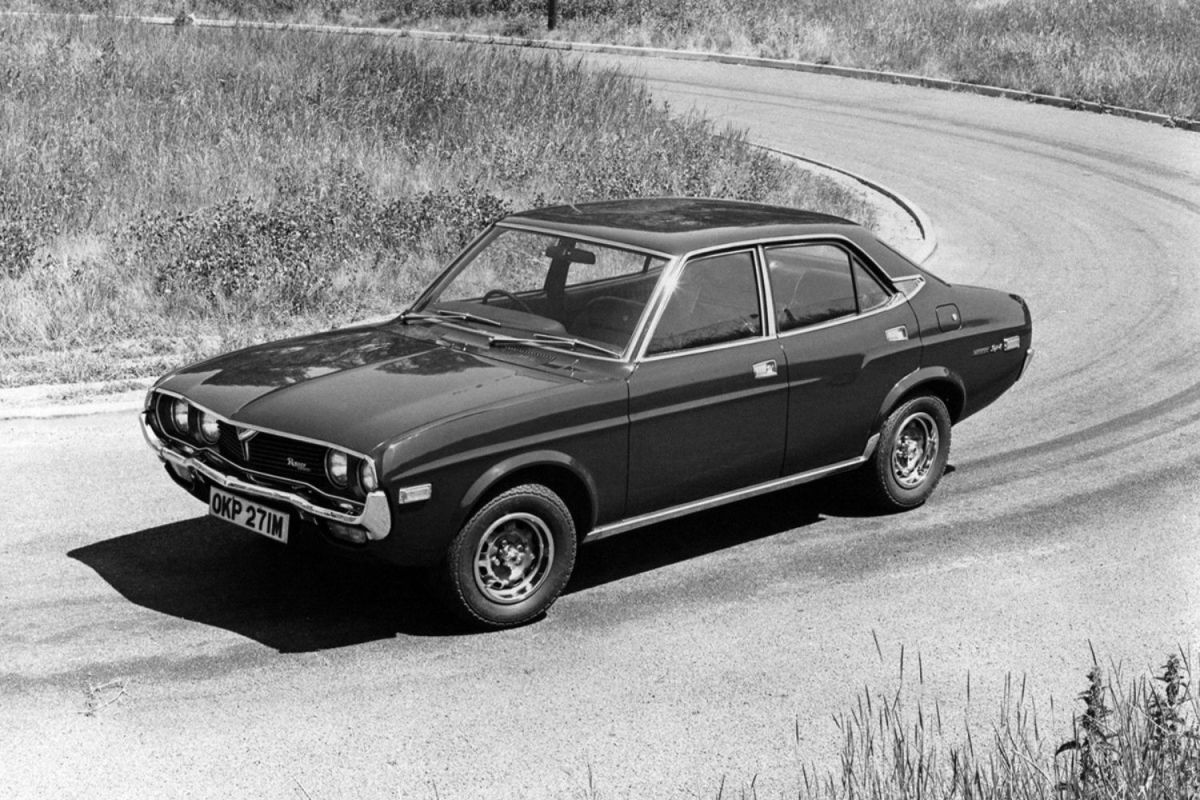
New Name, New Direction
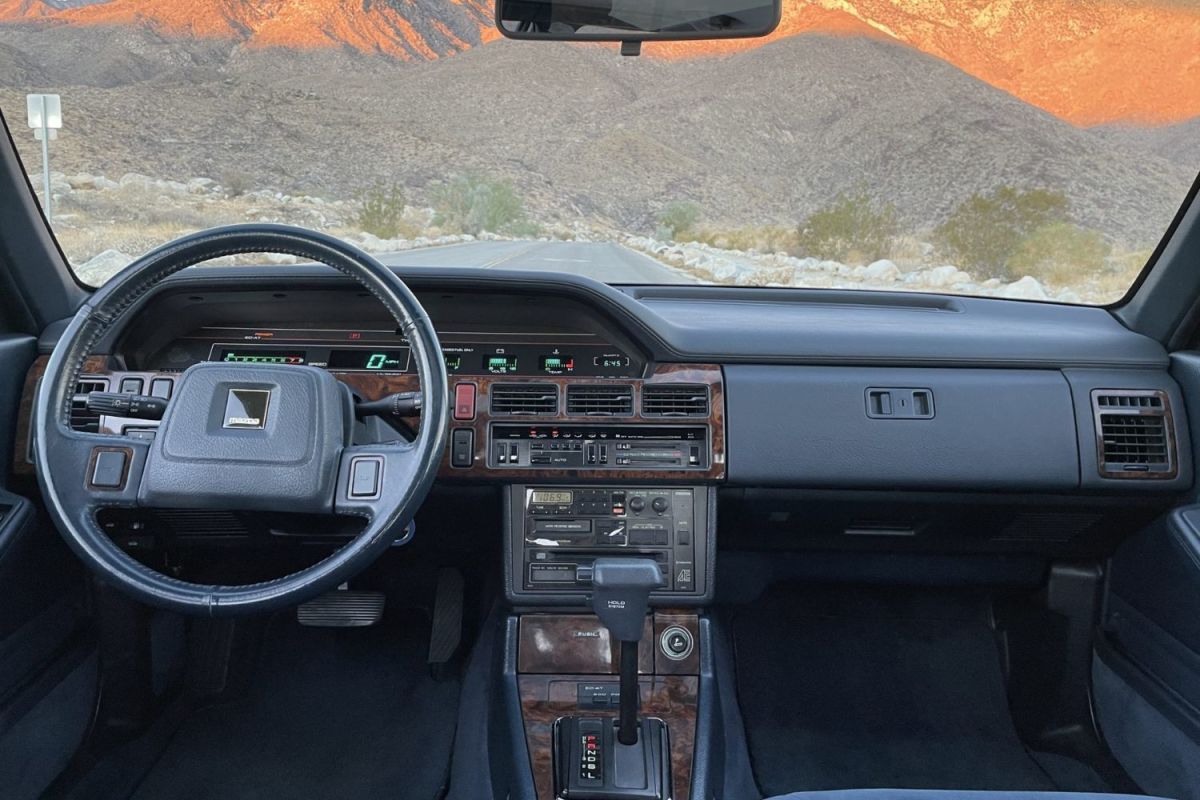
The large (for Japan) rear-wheel-drive executive sedan returned stateside in 1987, now officially bearing the 929 badge on its trunk lid, just like the rest of the world. Internally known as the HC, it was still called the Luce in Japan, and yes, it still had a rotary engine option — turbocharged this time around.
However, the American 929s were far more conventional. There was a 3.0-liter, 18-valve V6 at the front, good for 158 hp and 178 lb-ft of torque. Surprisingly, a manual was offered, but most came with an automatic transmission. It’s not particularly groundbreaking, but it did have power and economy modes, which were a novelty back in the day. There was even an option of an electronically-controlled suspension system. Dubbed Auto-Adjusting Suspension, it came with three modes: Soft, Sport, and Auto. This was in the late-’80s, folks.
Unlike the RX-4 that came before it, the 929 was more of a cruiser than a sports sedan. The interior wouldn’t look out of place in a contemporary Oldsmobile, and even with the clever suspension system, it was a soft-riding mile-muncher. It was clever and comfortable, but unfortunately wrapped in an incredibly generic-looking wrapper. With a base price of $19,850 in 1988, it was pricey, as that’s about $56,000 in today’s money. In the end, Acura and Lexus weren’t losing any sleep over the 929’s sales.
Bring a Trailer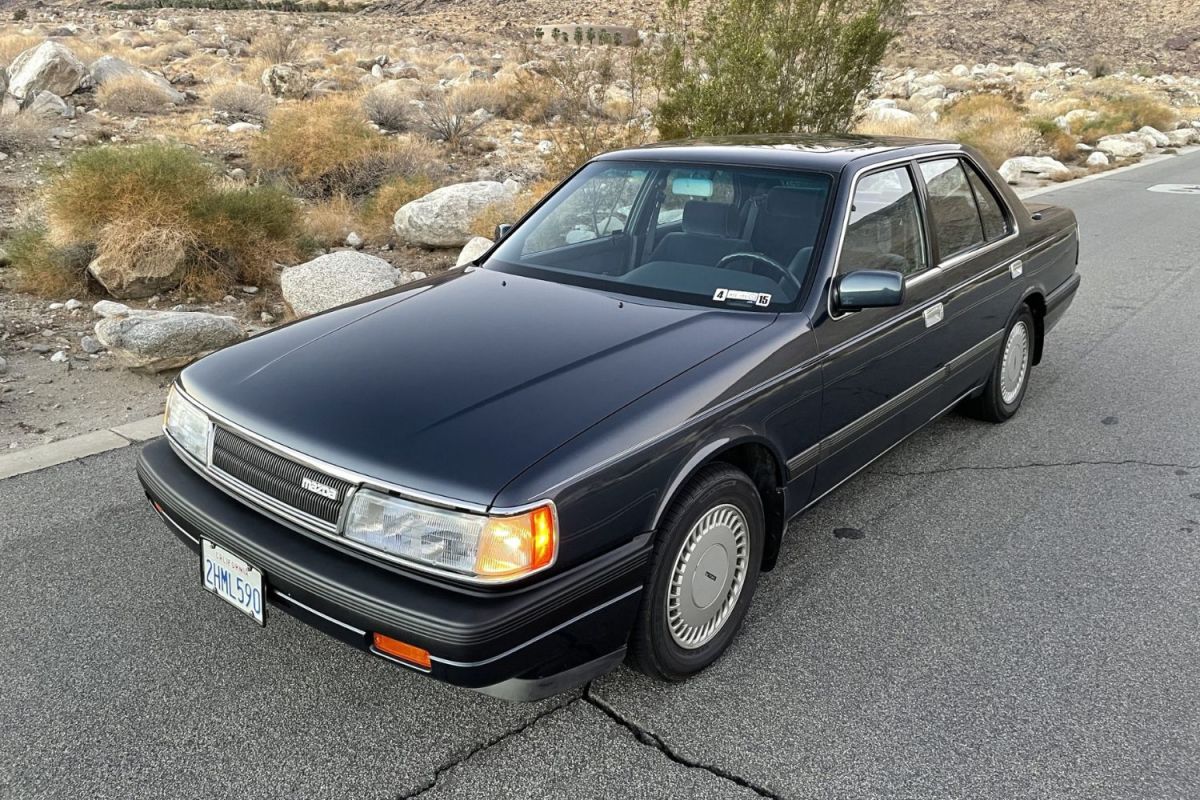
A Radical Rethink
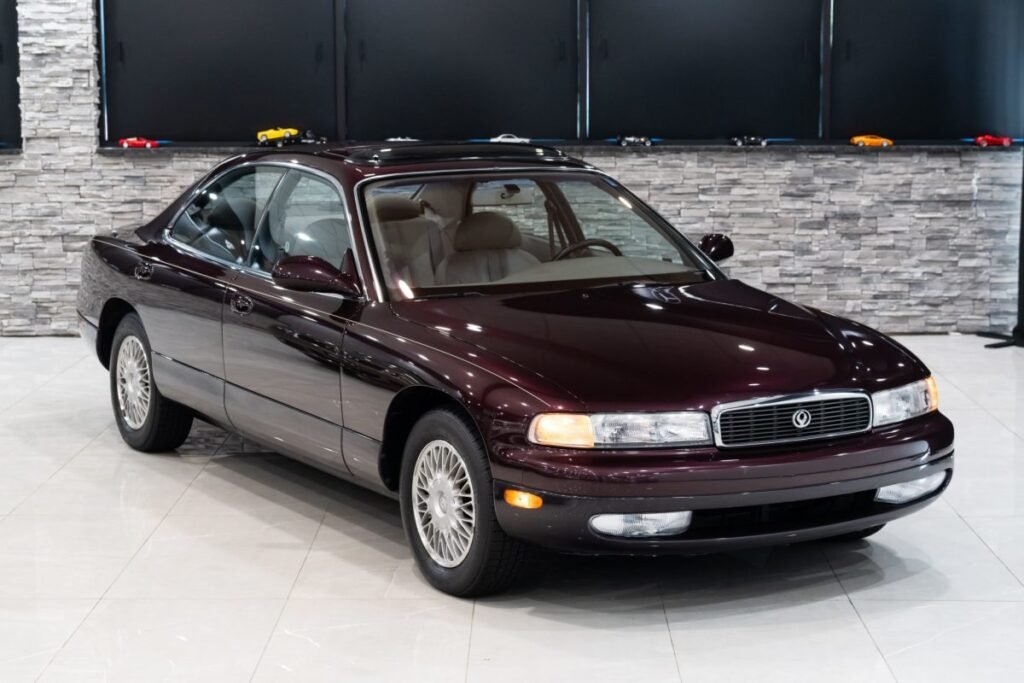
Being advanced for its time wasn’t enough for Mazda to make the 929 a success, so for the second generation, it had to get a healthy dose of style and even more innovations. The new model had to be a huge leap forward at the start of the ’90s, and it had to represent Mazda’s luxury ambitions. It was such a huge change that the company even abandoned the Luce name in Japan and called the new-generation 929 the Sentia in its home market.
The result? As far as early-’90s sedans went, the ‘HD’ 929 was svelte and elegant. Gone was its boxy and bland exterior, replaced by a sleeker, pillarless four-door body. It was still rear-wheel drive, and its proportions emphasized that with its long hood and short deck outline, and the wheelbase was stretched to exaggerate its length even further. As for the interior, it looked more sculpted than designed, with not an acute angle in sight.
Mazda went so far as to employ a front-midship chassis design to keep weight distribution as close to 50:50 as possible, and used multi-link suspension on all four corners. Japanese models even had optional all-wheel drive, four-wheel steering, and electronically-controlled suspension, plus a solar-powered sunroof (available in the U.S. and Canada) that powered the climate control system, cooling the cabin when parked in the sun. In other words, Hiroshima banished all memories of its already forgettable predecessor.
Bring a Trailer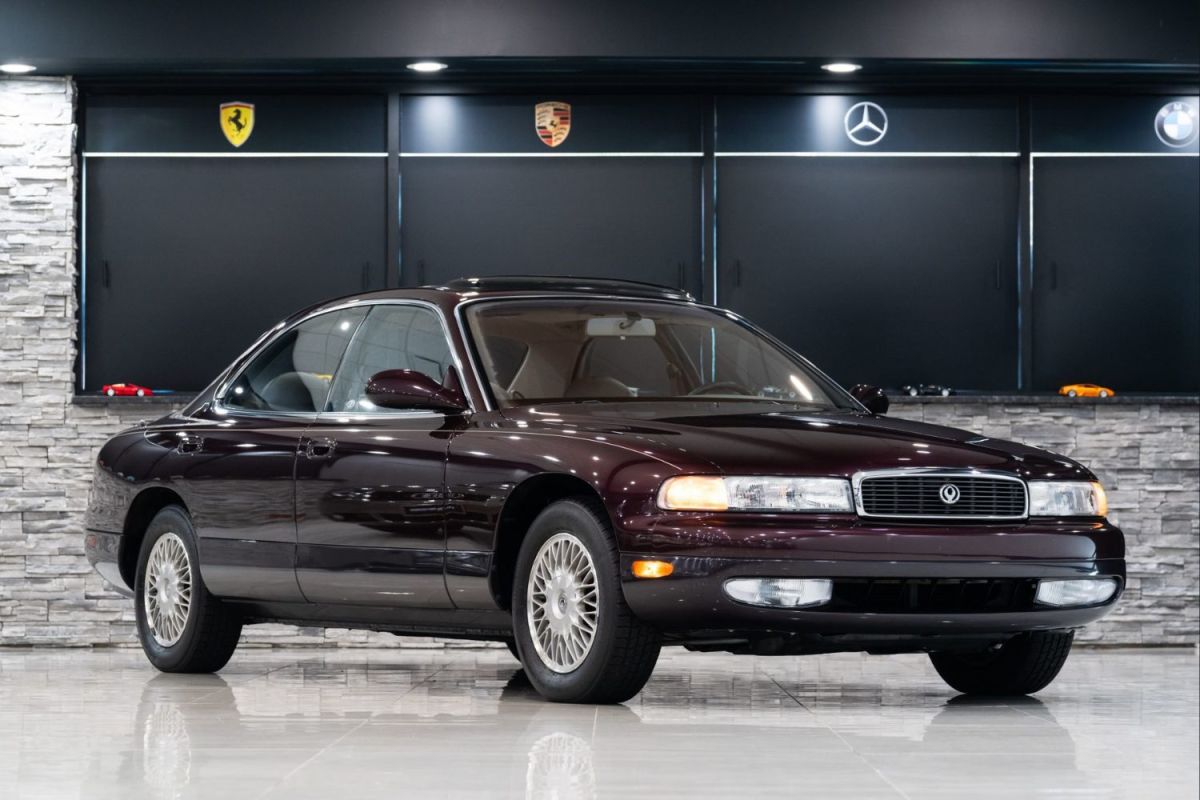
The Press Loved it, But No One Bought it
The ’92 929 drew praises for its design, but its 3.0-liter V6 was another high point. It produced 195 hp and 200 lb-ft of torque, but it was the smooth and refined delivery that wowed critics. The same went for its four-speed automatic transmission and its smooth ride. Aside from its rather wobbly driving dynamics, the 929 was generally well-liked.
Despite that, the 929 still didn’t attract that many buyers. It was the badge that hindered it, and had Mazda pushed through with the Amati luxury division, the car’s fortunes might have turned out differently. It’s either that or Amati could’ve tanked Mazda so hard that we might not have them around anymore. The Japanese Economic Bubble had burst by then, and building up a new luxury brand was a massively expensive endeavour. A Motorweek review from 1992 noted that the 929 was supposedly the basis for a V8-powered rival to the Lexus LS, but it wasn’t meant to be. The car was eventually axed in 1995 in North America, but lived to see a second generation in Japan and a few markets until 1999.
In the end, the 929 became an overlooked gem, but what a gem it was. Despite its failure, Mazda never let go of its upmarket and luxury ambitions. We see it today with models such as the CX-60 and CX-90, and even the Mazda 3 and CX-30 have interiors that feel far too nice for their price tags. Mazda’s dream of creating a luxury marque might have failed, but it’s now effectively what Amati could have been.
Aurick Go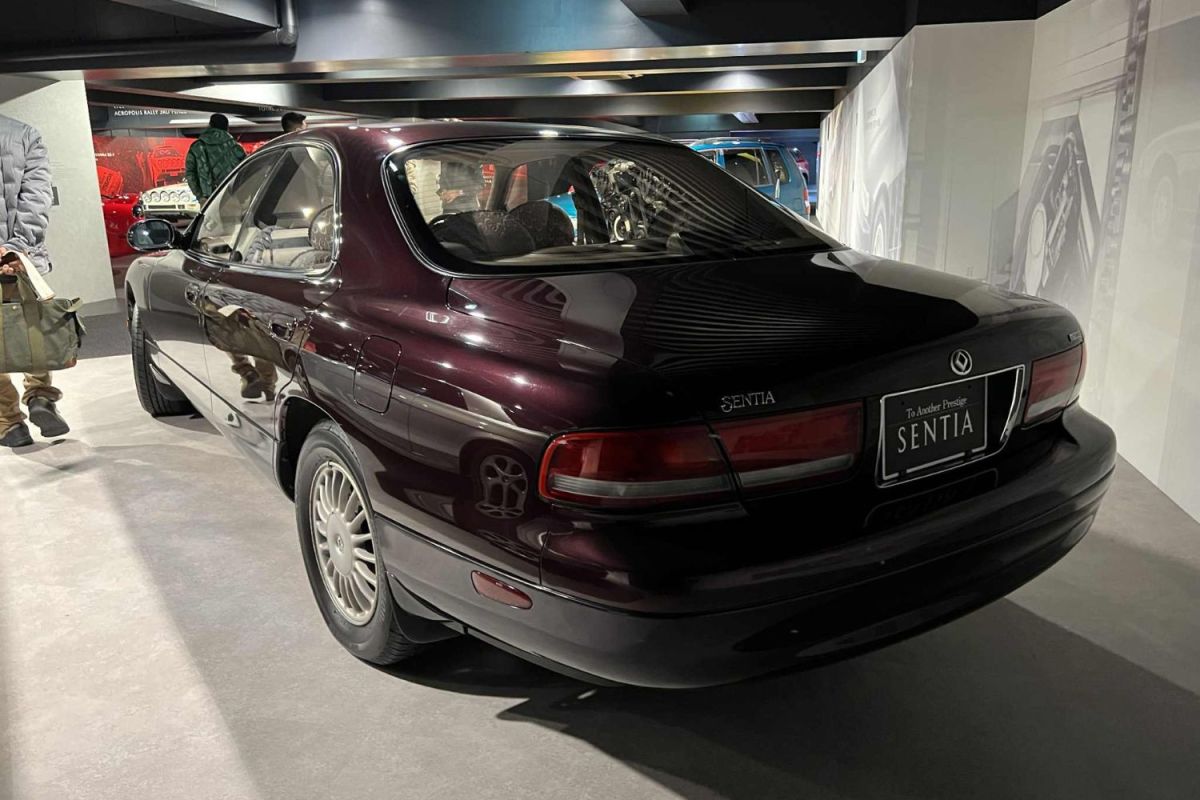
Bring a Trailer