Aging Gracefully But Ready for a Change
Even as it approaches the end of its lifecycle, the current Tucson is still one of Hyundai’s most popular SUVs. Its sharp, parametric looks still stand out in traffic, its hybrid options stay competitive, and its cabin continues to punch above its class. But with newer rivals adopting tougher, more outdoorsy styling, the Tucson’s sleek, tech-focused design is beginning to feel a bit long in the tooth.
That is why we’re excited for the next-generation model. Hyundai understands how rapidly the compact SUV segment is evolving, and the brand’s shift toward a more rugged visual identity seen in models like the Palisade XRT suggests the Tucson is ready for a tougher and more adventure-oriented character. Early prototypes support that direction.
First Look: A More Rugged and Upright Tucson XRT
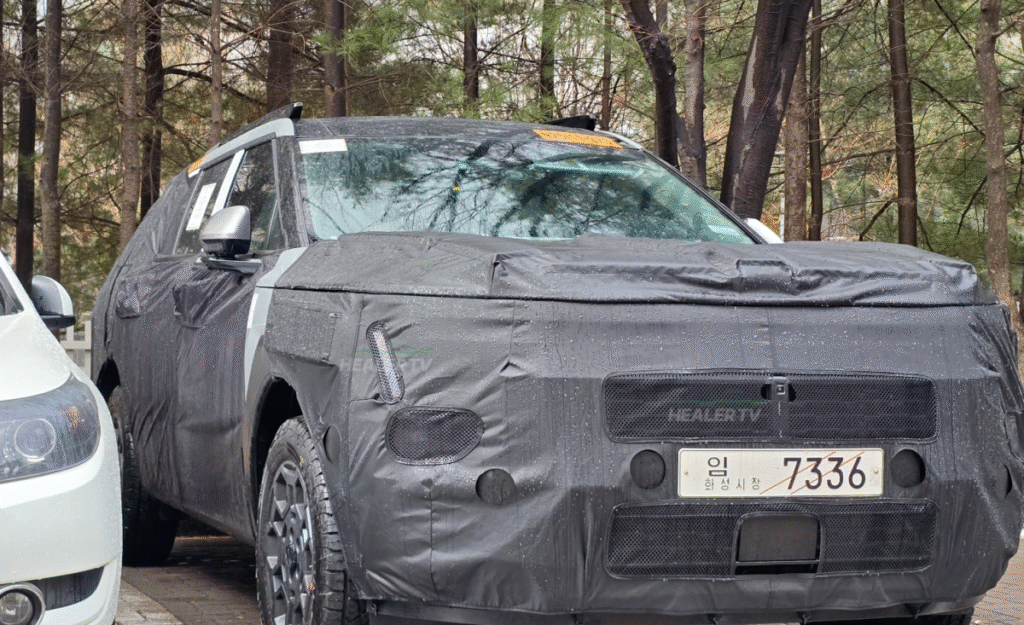
Spy footage from Korea, courtesy of Healer TV, reveals a noticeably boxier silhouette with wider shoulders and a more upright stance, marking a clear departure from the current model’s flowing shapes. The XRT prototype features signature red tow hooks, a revised ride height, and a chunkier overall profile. The grille drops the active air flap in favor of a simpler, more utilitarian layout with long horizontal elements that give off a Palisade XRT-style look.
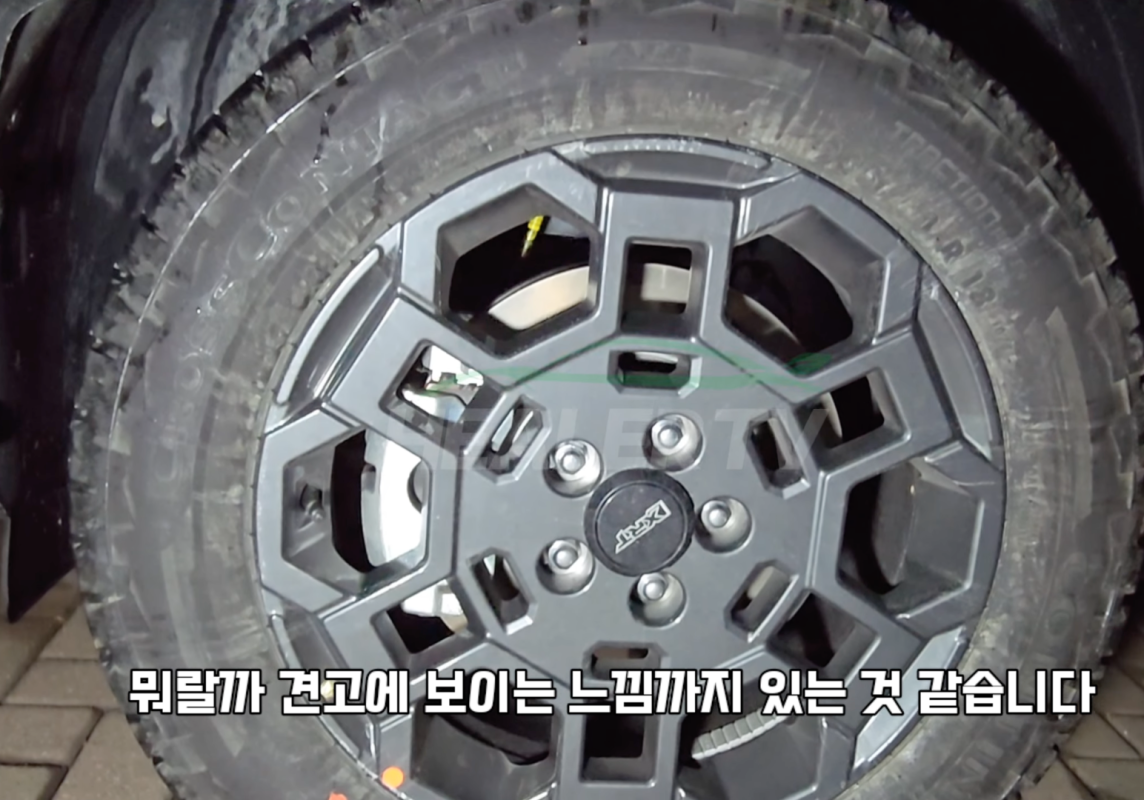
From the side, the shorter-wheelbase prototype appears stout and muscular, aided by beefier fender garnishes and gear-like wheels that emphasize its off-road-inspired character. While the rear remains in an early stage of development, tow hooks and a tougher bumper design are expected as testing progresses. Overall, the XRT is evolving into a distinct sub-identity rather than just a styling upgrade.
Hyundai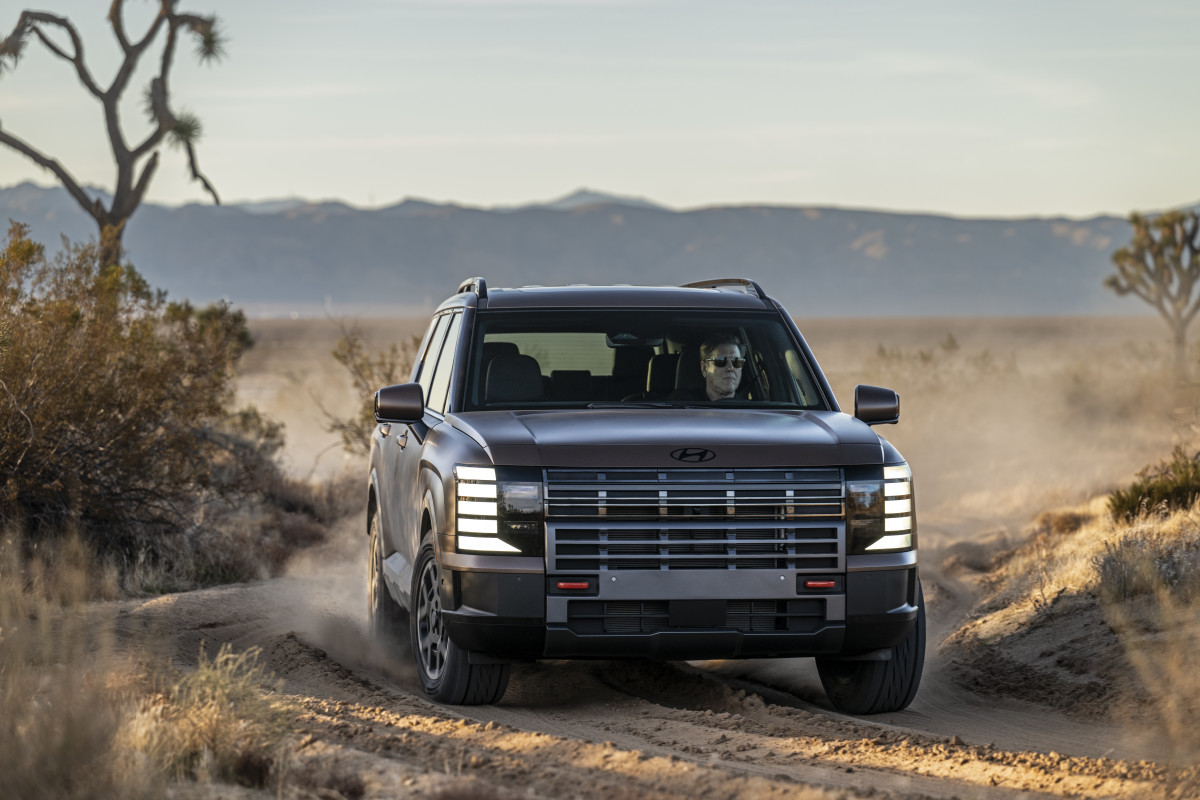
How It Could Compete in the U.S. and When It Might Arrive
The redesigned Tucson is expected to play a major role in Hyundai’s strategy in the US, where the compact SUV segment remains fiercely competitive. Rivals such as the Toyota RAV4 Woodland Edition, Subaru Wilderness models, and the Ford Escape Active, currently in its last model year, have already proven that buyers love rugged-looking, adventure-ready trims. A tougher Tucson XRT could easily resonate with that audience, especially if Hyundai keeps pricing accessible.
Powertrain expectations center on hybrids. Hyundai is likely to push electrification across most trims, with hybrid and plug-in hybrid variants expected to continue in North America. The XRT should share these powertrains, using rugged styling rather than mechanical off-road upgrades to stand out. A late 2026 global debut, followed by an early-to-mid-2027 U.S. launch, appears likely based on current development timing.
Healer TV/YouTube