The Secret to Engine Longevity Is…
You’ve heard a lot about how today’s modern engines are too delicate to achieve high mileage, thanks in part to the thinning out of engine oils. While this is true, the fact remains that modern vehicles are designed to operate within very narrow parameters for optimal fuel efficiency. They simply require the proper care to achieve the type of mileage numbers older cars were able to attain with less frequent and less expensive maintenance.
To see the type of high mileage that means your car lasts decades, you don’t need to be a mechanic or spend hundreds of dollars. All you need to do is use common sense and follow through on time-proven techniques from real mechanics for protecting your engine and drivetrain by being consistent with your maintenance.
The Six Essential Maintenance Rules
Change your oil religiously: The single most important thing you can do for your engine is also the simplest to do, even yourself. Fresh oil keeps everything lubricated and prevents harmful buildup. Follow your manufacturer’s recommended intervals, but consider changing it even more frequently if you make lots of short trips or drive in extreme conditions. Part’s specialist Chris from Beachside Auto Parts on YouTube recommends changing oil every 3,000-4,000 miles if you’re mainly doing short trips and idling a lot, going up to 5,000 miles for mixed driving — half the 10,000 mile service intervals many modern cars recommend. It may seem like you’re doubling maintenance costs, but the payoff is an engine that lasts longer. Quality matters too, so spring for good synthetic oil and OEM replacement oil filters.
Getty Images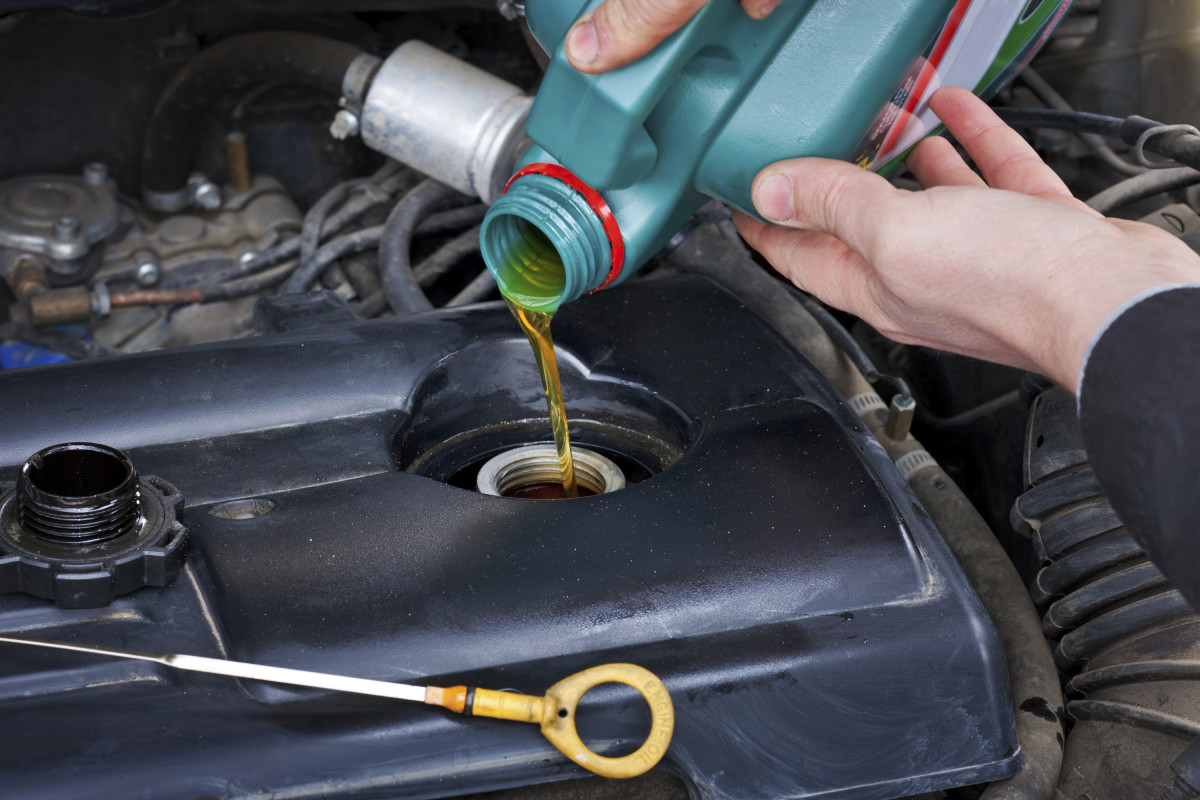
Keep your cooling system healthy: Engines produce a lot of heat, and modern turbo-charged engines produce the most heat of all. Your cooling system works overtime to dissipate all that heat. Make sure you flush your coolant regularly and check for leaks. A failed cooling system can lead to engine failure in minutes, turning a simple fix into a complete disaster.
Don’t ignore the transmission: Whether you have an automatic or manual transmission, the fluid needs attention. Service it per the manufacturer’s schedule, even if the manual says it’s “lifetime” fluid. Transmissions are expensive to replace, but maintaining them properly is relatively cheap.
Getty Images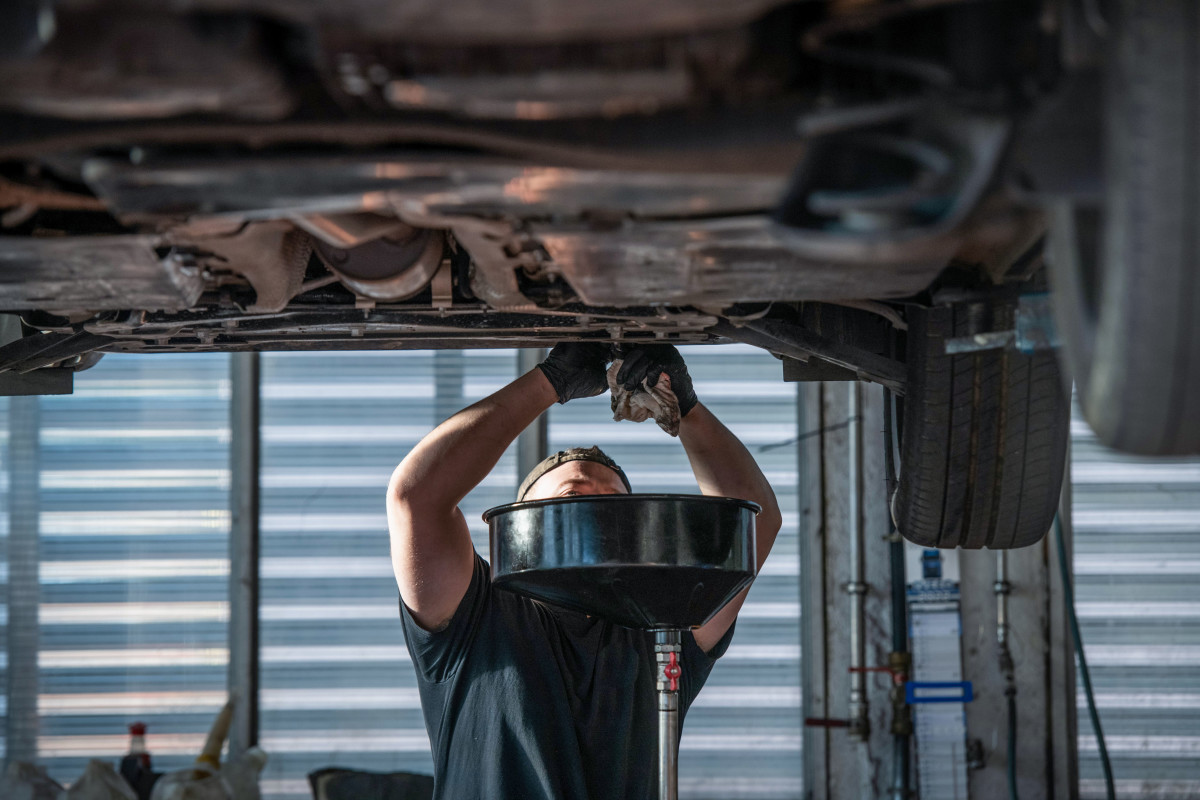
Replace filters and fluids on schedule: Air filters, fuel filters, brake fluid, and differential fluid all play crucial roles. These items are inexpensive, but forgetting them can lead to expensive damage down the road.
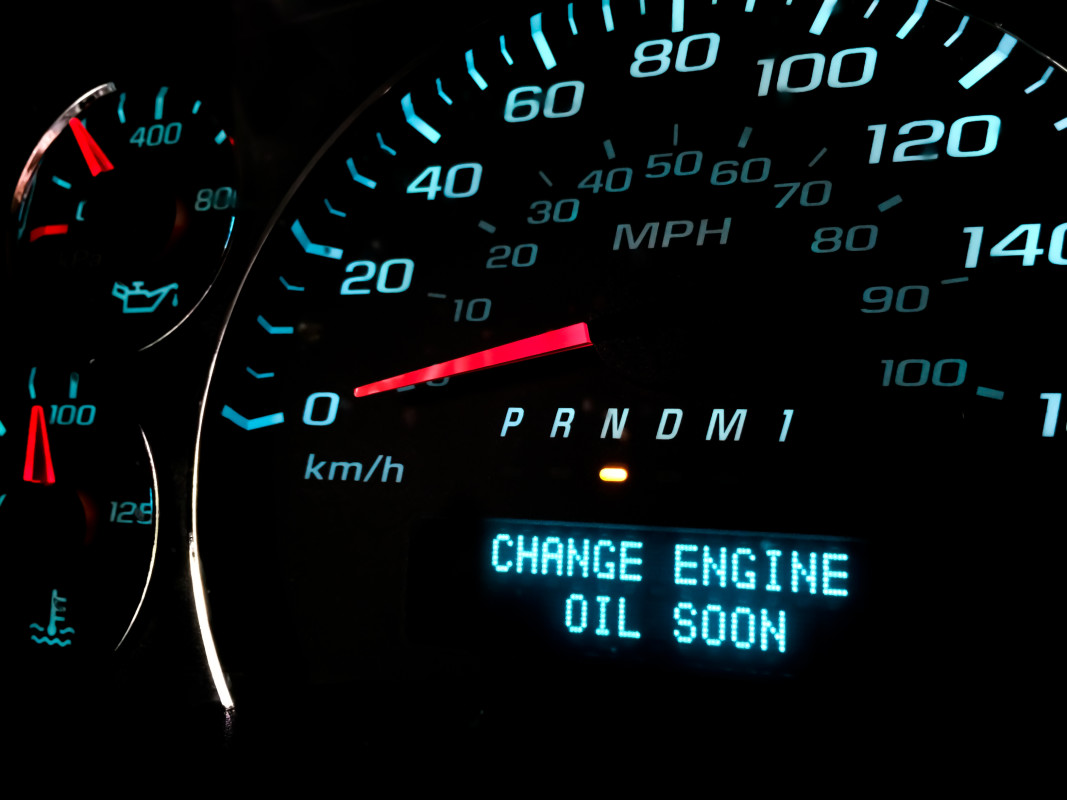
Address problems immediately: That weird noise or warning light isn’t going to fix itself. Small issues become big ones when ignored. Catching problems early saves money and prevents cascading failures.
Drive sensibly: Aggressive acceleration, hard braking, and constantly redlining your engine all add unnecessary wear. Smooth driving extends the life of nearly every component in your vehicle.
Final Thoughts
Most people overcomplicate car care or ignore it completely until something breaks. The reality is simpler than you think. Stick to regular maintenance schedules, use quality fluids, and fix small problems before they become big ones. These basic habits separate cars that die at 100,000 miles from those still running strong at 300,000.