From Smartphones to Super SUVs
As the world’s largest car market, China inevitably exerts pressure on global automakers as increasingly compelling models continue to emerge from the country. One of the latest examples is the Xiaomi YU7 GT, which reportedly delivers an almost absurd on-paper proposition, boasting close to 1,000 horsepower.
According to CarNewsChina, the YU7 GT—the performance-oriented variant of the YU7 SUV – features a dual-motor electric powertrain. The front motor produces 288 kW (386 horsepower), while the rear motor delivers 450 kW (603 horsepower), combining for a reported total output of around 990 horsepower. This setup is also said to allow the vehicle to reach a top speed of up to 300 km/h (186 mph).
MIIT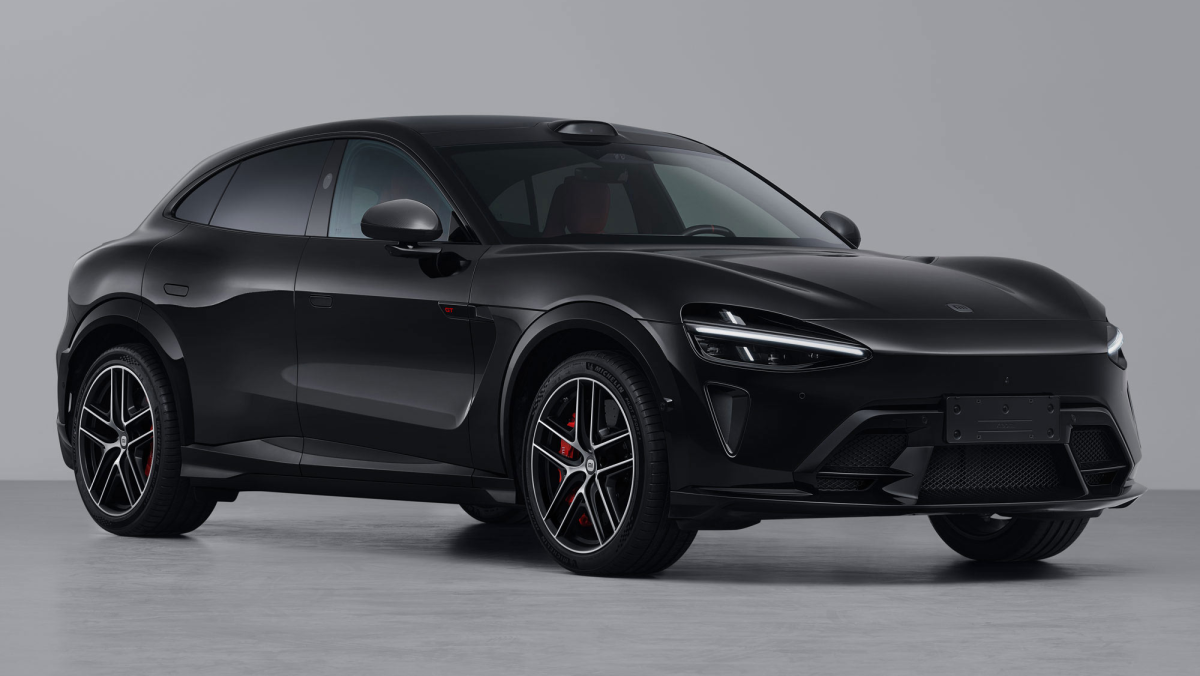
YU7 GT’s Exterior Shows Ambition
From a design perspective, the YU7 GT’s overall silhouette has drawn comparisons to the Ferrari Purosangue, while its front fascia has been likened to that of the McLaren 750S. At the rear, the SUV adopts a full-width taillight—a styling cue commonly seen on modern vehicles – along with GT badging that clearly denotes its performance-focused positioning.
Based on filings with China’s Ministry of Industry and Information Technology (MIIT), the YU7 GT will be offered with an extensive range of customization options, including various body decals and multiple brake caliper color choices.
Xiaomi already fields a performance-focused EV in its lineup with the SU7 Ultra, an electric sedan that produces a staggering 1,527 horsepower. However, as SUVs continue to dominate global market demand, the YU7 GT could prove far more impactful for the company. That is especially notable given reports suggesting SU7 Ultra sales cooled significantly last year, with just 45 units sold in December 2025.
MIIT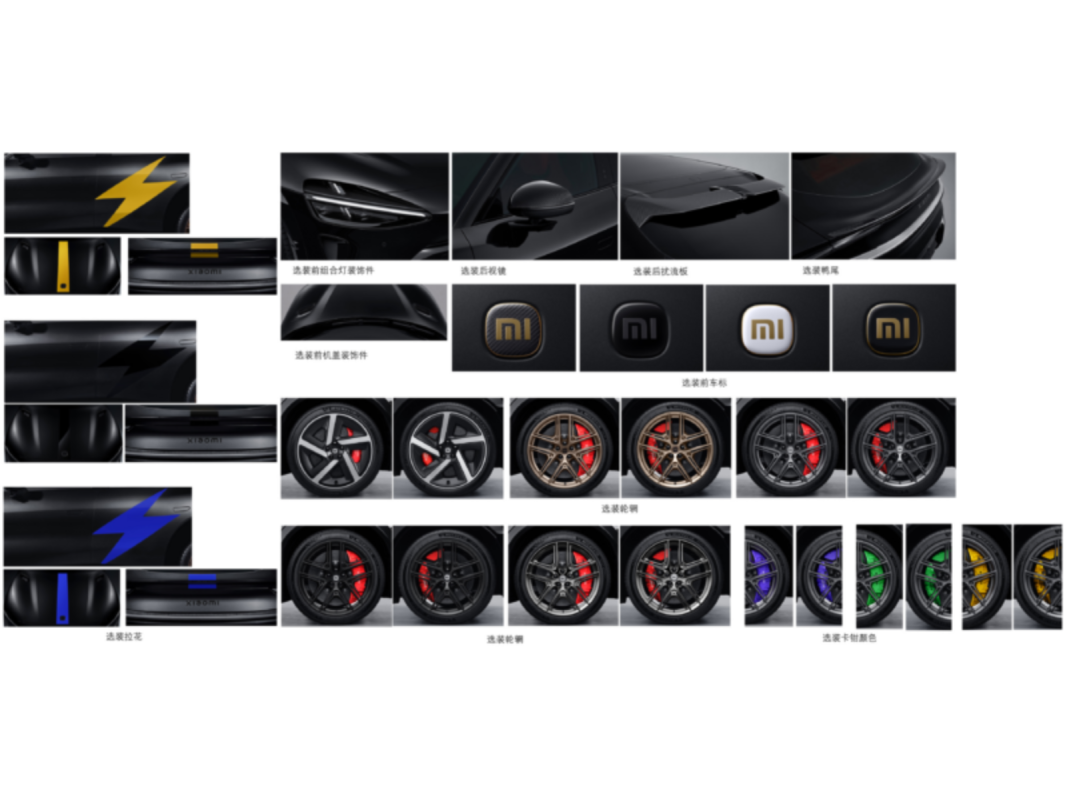
China’s Grip on the Future
Market speculation suggests that the YU7 GT could be priced between 450,000 and 500,000 yuan (roughly $65,000 to $72,000 at current exchange rates). At that level, it would undercut electric SUVs such as the Porsche Macan EV and the standard Tesla Model X, at least on paper, while delivering significantly higher quoted output.
While the YU7 GT is unlikely to make its way to the U.S. anytime soon, the presence of Chinese EVs in export markets such as Europe and Mexico is already forcing legacy automakers to adapt in order to stay competitive. That pressure could ultimately work in consumers’ favor, encouraging automakers to deliver EVs with more competitive pricing, improved range, and sharper performance.