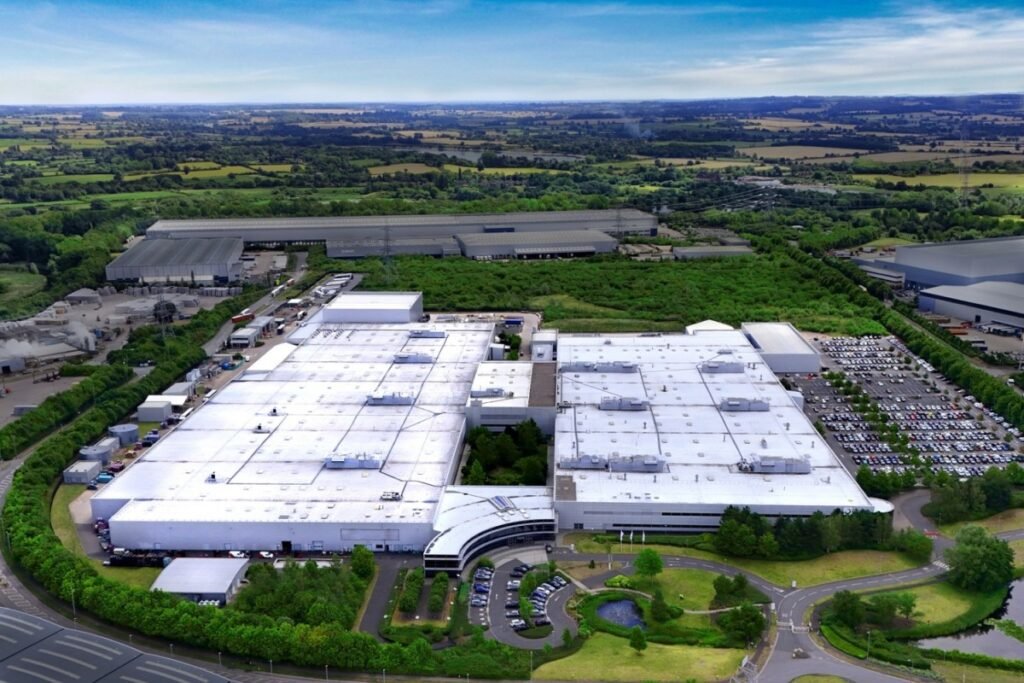
Happy 25th, BMW Hams Hall Plant
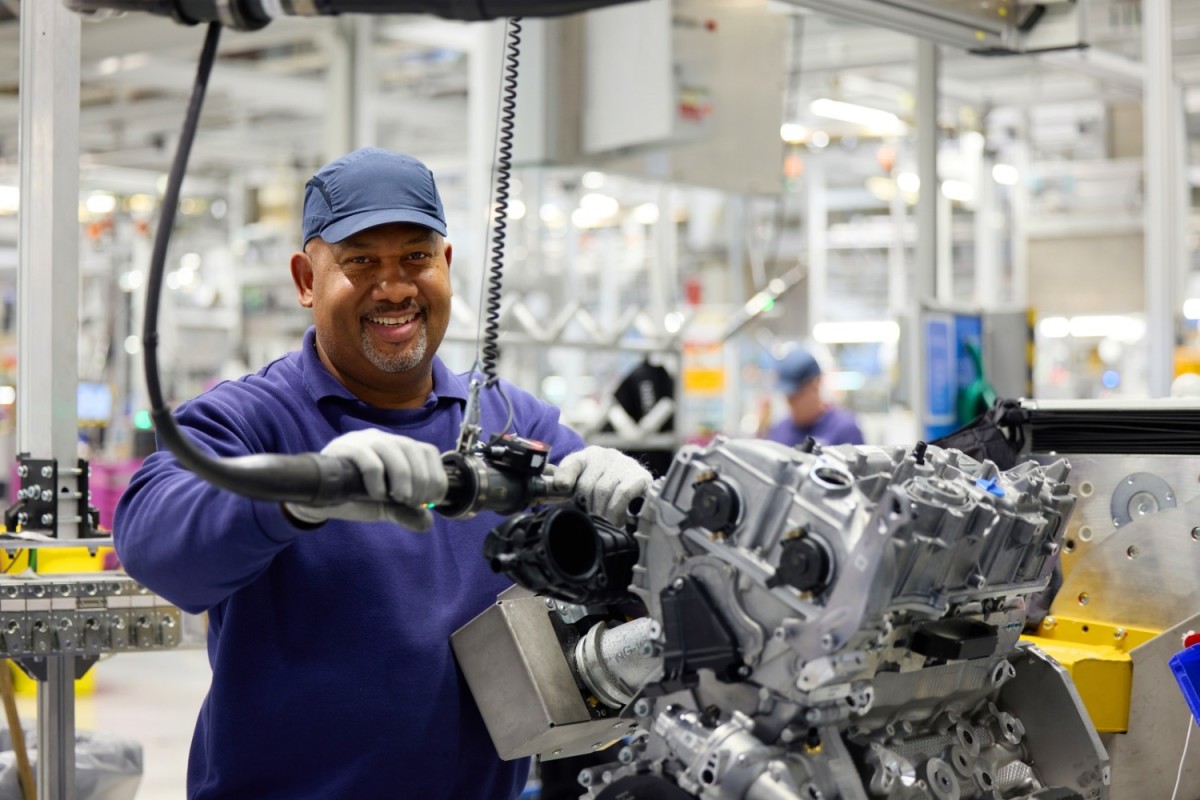
When it comes to vehicle assembly, we often think of the entire car. The thing is, some plants are dedicated to churning out engines, and an example of that is BMW‘s plant in Hams Hall, Birmingham. This year, it turns 2025, and there’s a good chance that the engine in your Mini or Rolls-Royce came from there.
It opened in 2001 with its first product being the N42 engine that saw service in many four-cylinder BMW products. Since then, over 7.6 million engines have been produced, and it is currently the main hub for Mini, BMW V8, and Rolls-Royce V12 engines.
Early Days
As mentioned, its very first product was BMW’s new family of four-cylinder engines at the time. Dubbed the N42, it was primarily used in the facelifted versions of the E46 3 Series. The models powered by this engine included the 316i, 316ti, 318i, 318ci, and 318ti. The Hams Hall Plant was crucial in mass-producing Valvetronic engines for BMW, especially for the European market, where a majority of 3 Series models are equipped with four-cylinder engines.
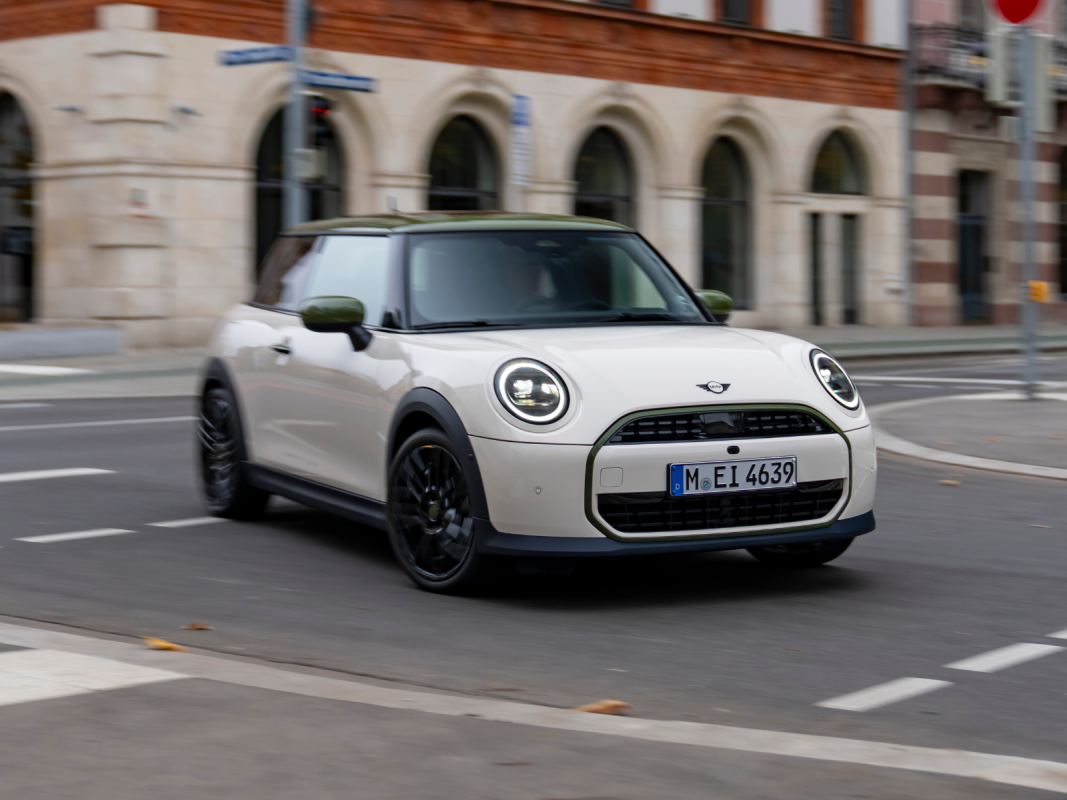
Despite being based in England, it actually took some time before Mini engines were built there. That’s because the first-generation New Minis didn’t use BMW engines per se. Instead, the engines were produced by a company called Tritec Motors, a joint venture between Chrysler and the Rover Group, the latter being owned by BMW at the time.
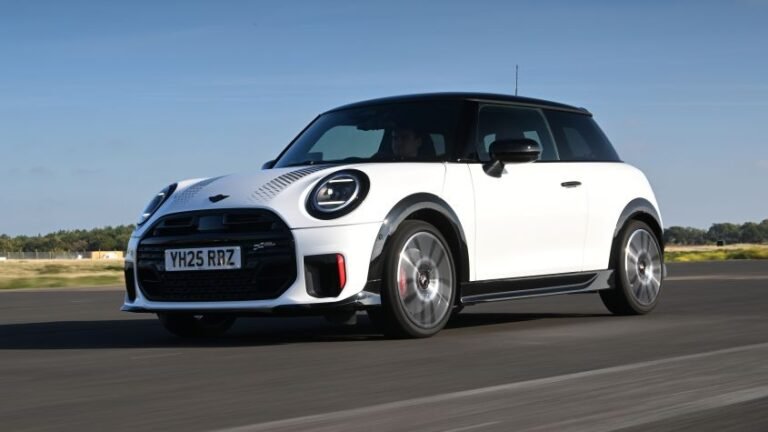
BMW Hams Hall built its first Mini engine for the second-generation Mini Hatch that was introduced in 2006. It was known as the BMW N12 and Mini N13 engine, and powered entry-level versions of the second-generation 1 Series and sixth-generation 3 Series models. The engine was made in cooperation with PSA Peugeot Citroën, although the engines that went into the French cars were made elsewhere.
BMW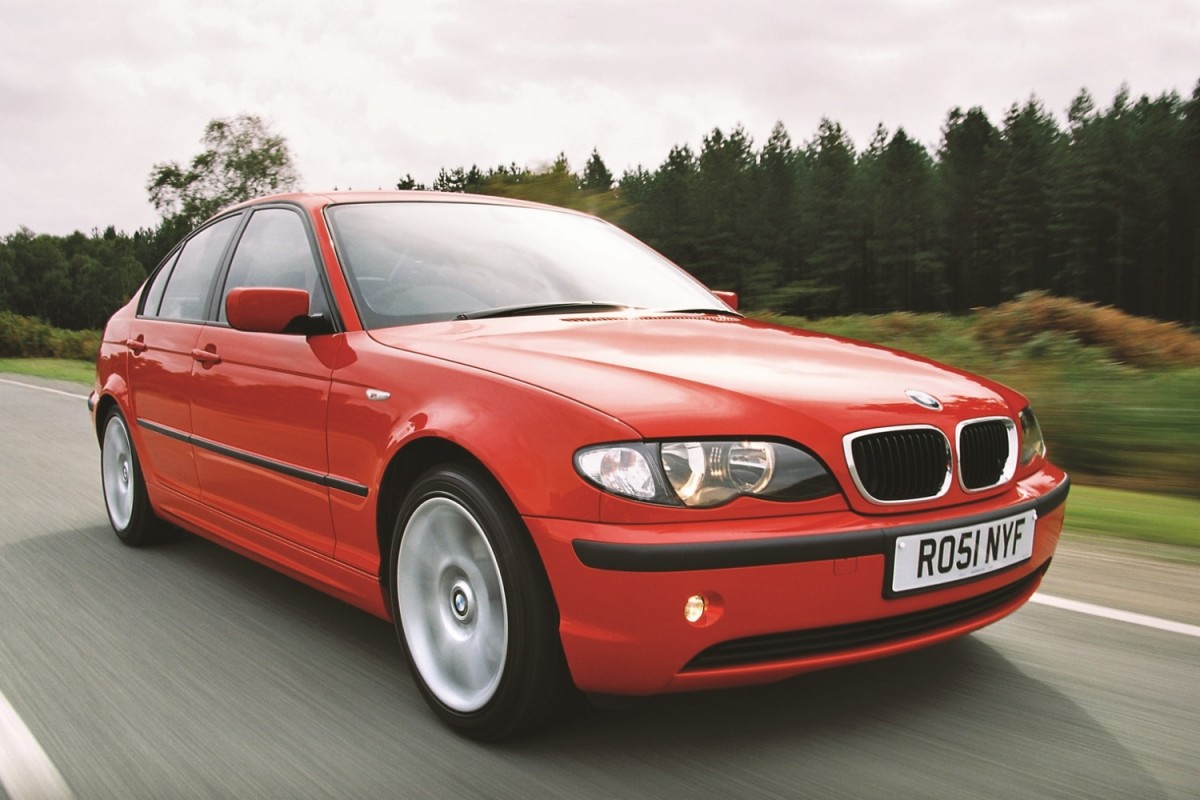
Entering Electrification
The Hams Hall plant continued making three and four-cylinder engines for both BMW and Mini. But in 2013, it entered a new chapter as it was tasked to build the engine for the interesting but ultimately unsuccessful i8. The plant was the exclusive assembly line for the i8’s engine.
The i8’s engine came from the B38 family that powered non-Cooper Minis and many entry-level BMWs for European and Asian markets. It’s a turbocharged 1.5-liter three-cylinder engine that, with dual electric motors, helped the i8 produce a total output of 369 hp and 420 lb-ft of torque. The B38 engine is still being produced to this day, and some BMW B48 engines are built there as well.
BMW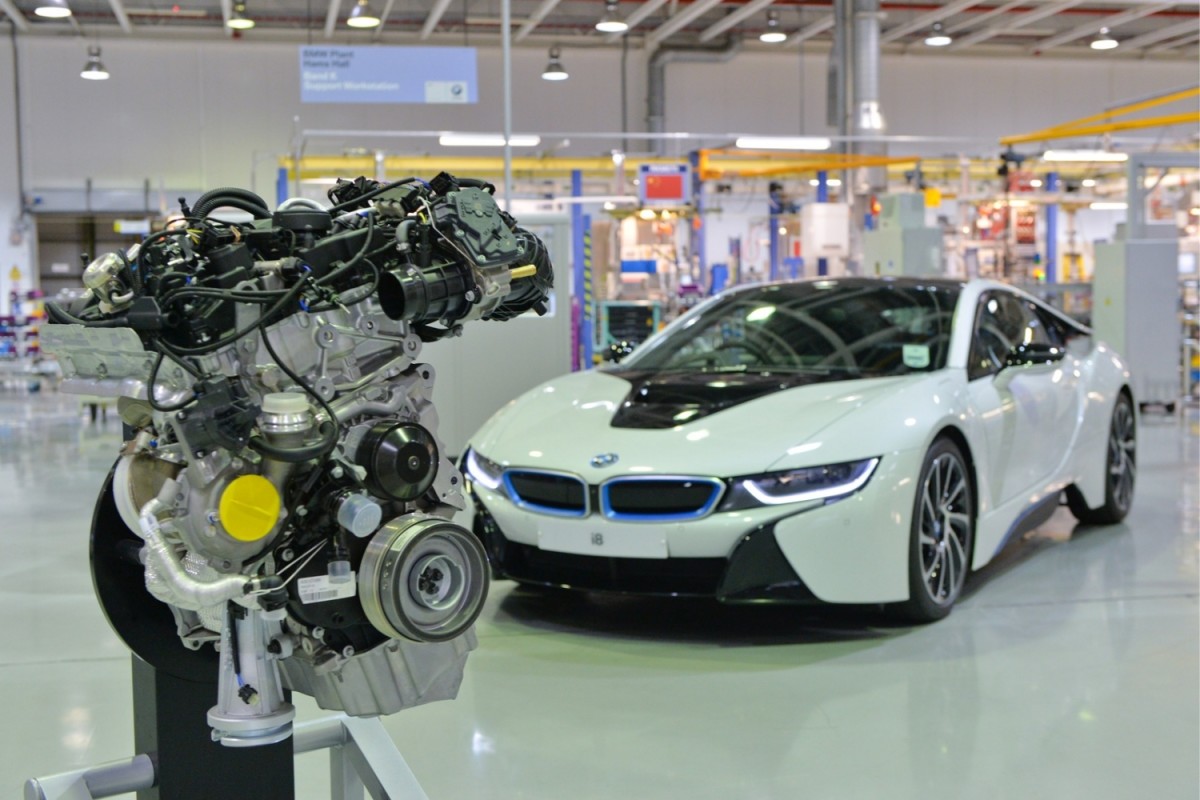
V8s and V12s
In 2022, the plant was given yet another assignment. That year, it became the sole assembly line for BMW’s V8 engines, as well as Rolls-Royce’s V12s. Prior to the move, those engines were made in Germany, and the completed V12s were then sent to Goodwood for Rolls-Royce to put in their vehicles.
Today, all BMW S68 engines are manufactured in Hams Hall, and that includes the twin-turbo V8 found in the M models, as well as M Performance V8s and the 760i. That same engine is also used in V8-powered Range Rover and Range Rover Sport models. As for the V12s, those only grace Rolls-Royce motor cars.
Rolls-Royce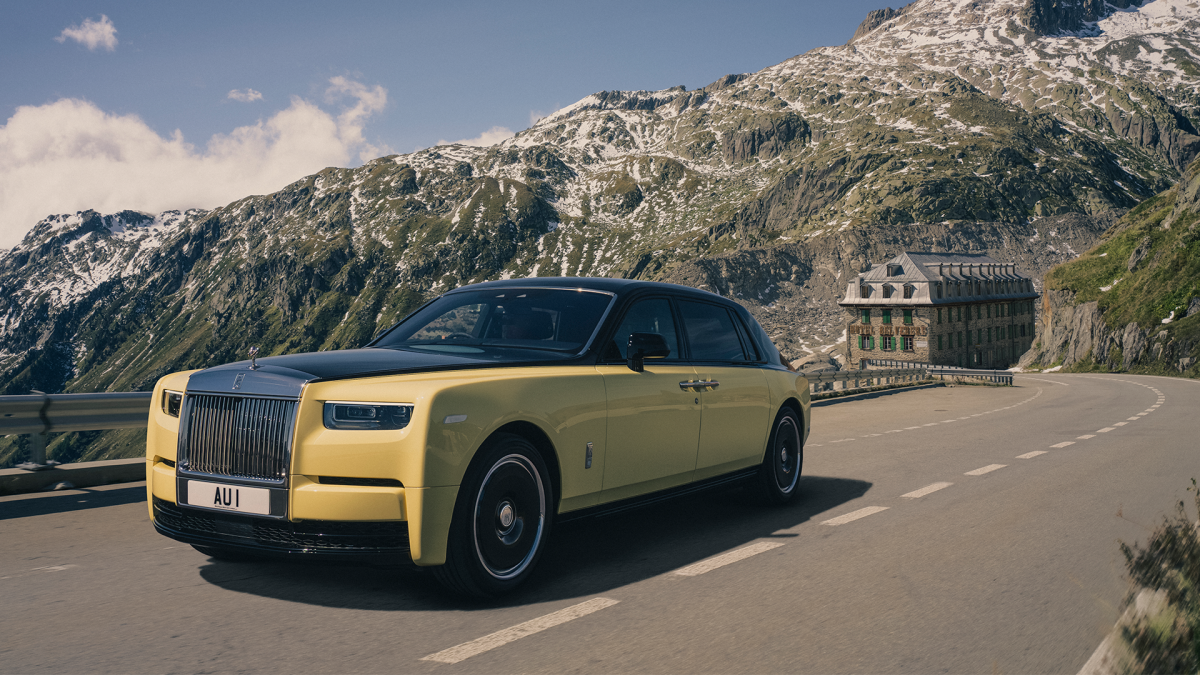
Key to Keeping BMW Group Running
While the plant in Steyr, Austria, is still BMW’s largest powertrain assembly line, Hams Hall has been doing its fair share of global engine production for BMW and the brands they hold. It will be interesting to see how the plant evolves in this age of electrification, but it’s safe to say that it’ll keep on churning engines for many more years to come.
So, for those who own a Mini, a V8-powered BMW, a Rolls-Royce or all of the above, now it a good time to tip your hat to the folks over at Hams Hall.
BMW