- China banned selling new cars below cost including via subsidies.
- Rules bar discounts, tax breaks, and trim upgrades at same price.
- Automakers face legal risk if caught violating new pricing rules.
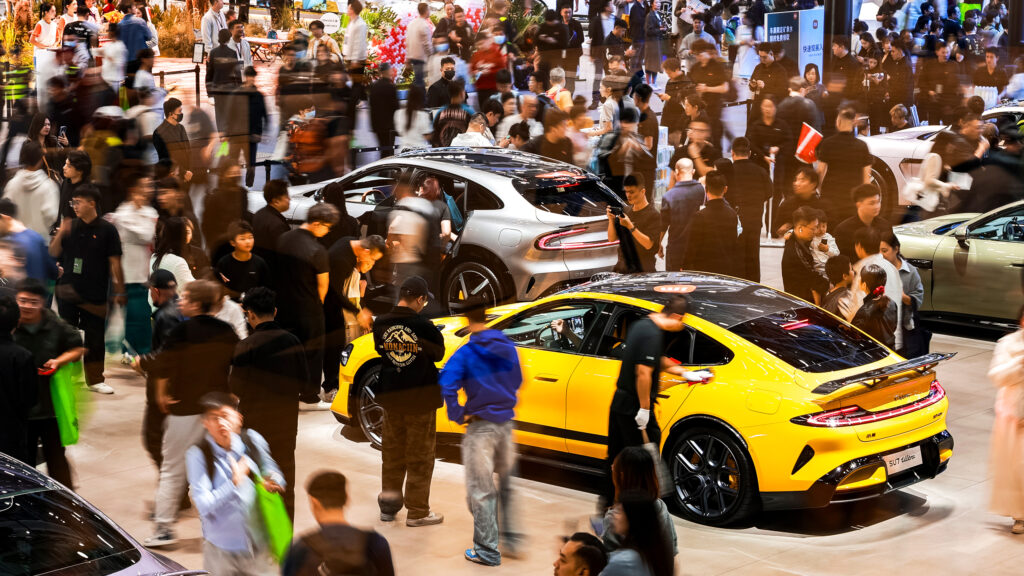
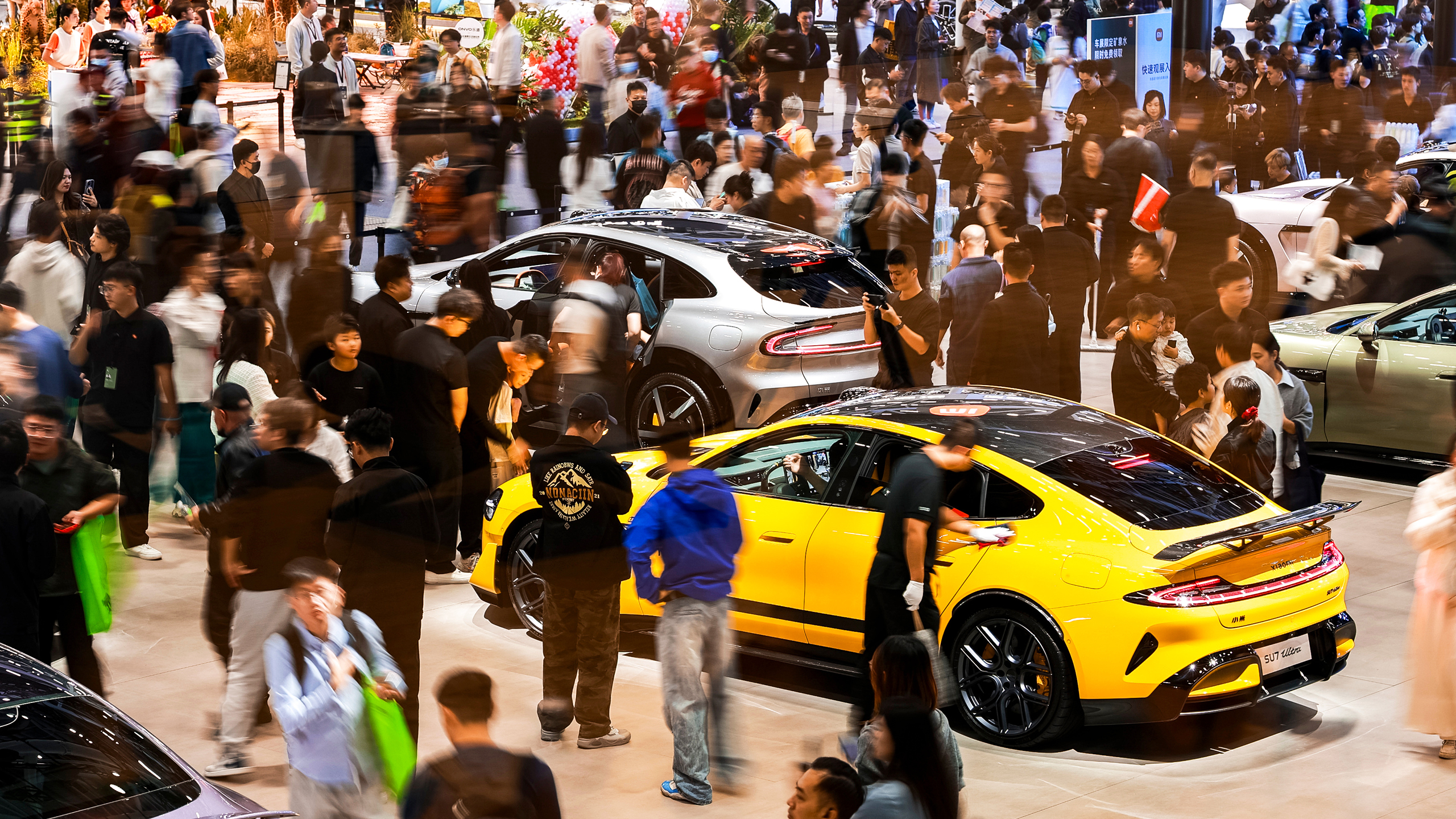
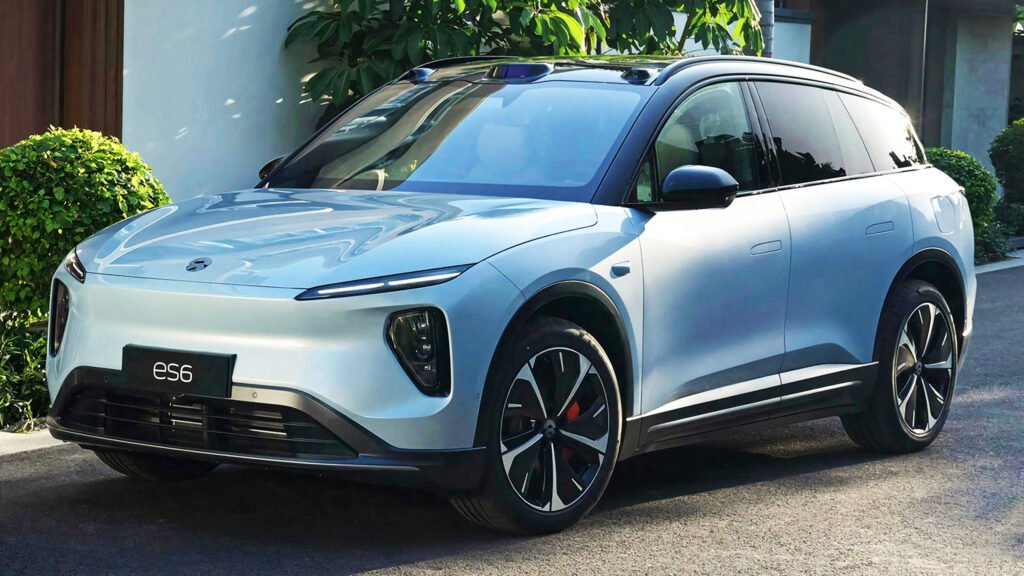
The Chinese government is stepping up efforts to end the price war among local car manufacturers following a sales decline in the first month of the year. In what is the government’s most drastic step yet, there will be a cap on how low automakers can price their vehicles.
Newly-released guidelines from the State Administration for Market Regulation explicitly ban companies from setting prices below the cost of production as part of their efforts to monopolize the market and squeeze out competition.
Read: China’s EV Boom Is Cooling, And The Big Names Are Feeling It
According to the China Automobile Dealers Association, the price war has caused up to 471 billion yuan ($68 billion) in lost output over the past three years. Market sales dipped by their fastest pace in almost two years in January, declining 19.5 percent year-on-year.
Sales fell by an even more considerable 36 percent from December 2025 to January, plummeting from 2.2 million units to 1.4 million, CTV News reports.
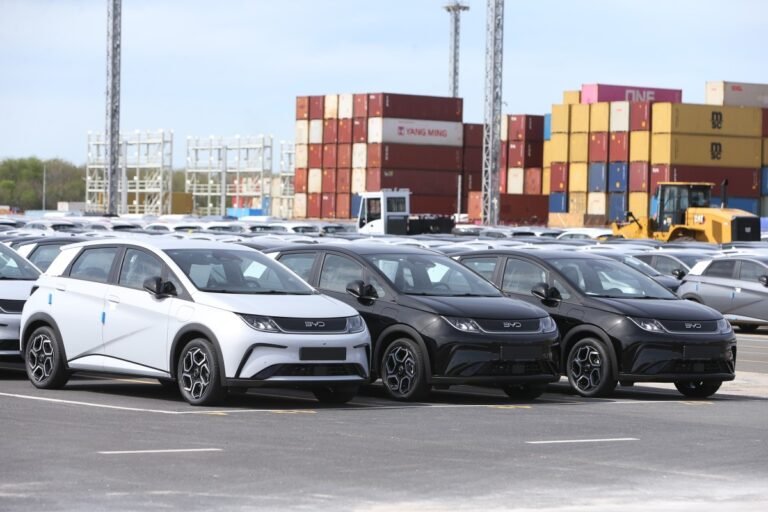
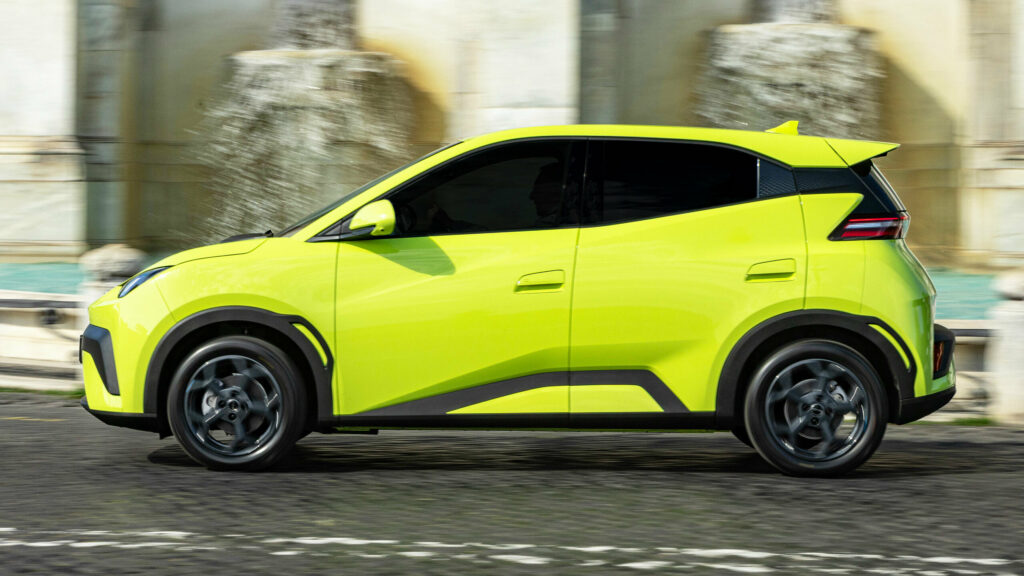
Some analysts predict that domestic demand for new cars in China will fall this year, with sales potentially dropping by up to 3 percent. However, Chinese car companies may offset this by exporting more vehicles to overseas markets. BYD, for example, aims to export 1.3 million battery-electric and plug-in hybrid vehicles this year, up from 1.05 million last year.
The Chinese market regulator has warned that companies that don’t comply with the new rules may face “significant legal risks,” although it didn’t reveal what actions could be taken.
Supplier Payment Cycles Slashed
This new ban on setting prices below the cost of production isn’t the only measure being taken to quell the price war. Tighter government oversight has led many major automakers to reduce their supplier payment cycles from an average of 300 days to under 60 days.
As reported by the South China Morning Post, many Chinese car brands have frequently extended payment cycles to keep cash reserves, enabling them to ramp up research and development. The new government oversight appears to be helping.
“The results showed government intervention worked, as the automotive groups feared they could face severe punishment if they failed to operate in compliance with the authorities’ requirements,” chief executive of the Shanghai Mingling Auto Service consultancy Chen Jinzhu said. “Without delayed payments to suppliers, they will not have sufficient cash on hand to sustain discount wars.”