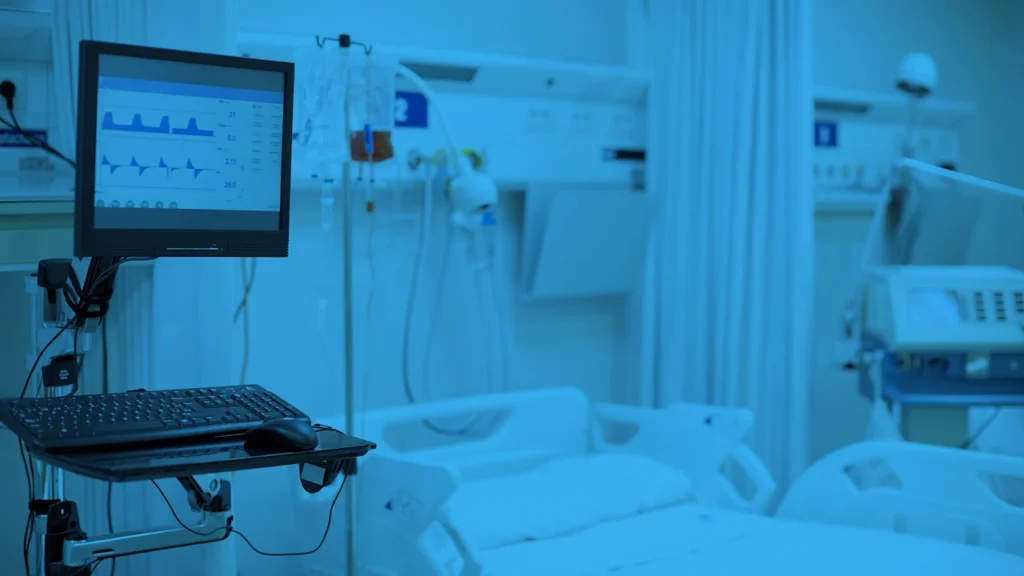
Hospital intensive care units are notoriously noisy, with medical equipment emitting alarms, beeps, and other alerts designed to grab the attention of overextended healthcare workers.
That constant barrage can lead to what experts call alarm fatigue, causing stress and exhaustion for doctors and nurses who must distinguish between routine signals and those indicating a patient is in urgent distress. Patients, too, often struggle to rest amid the cacophony, even though sleep is critical to recovery.
To Ophir Ronen, a serial tech entrepreneur who sold his IT alert-handling startup Event Enrichment HQ to PagerDuty, the problem sounded familiar. Ronen first encountered the ICU alarm issue while volunteering in search and rescue, and he realized that although “alarm fatigue” has been widely discussed in scientific literature, no one had yet developed a comprehensive solution.
“I thought to myself, ‘wow, we certainly experienced the problem of alarm fatigue in operations and enterprise IT—I wonder if it’s the same pattern,’” he says.
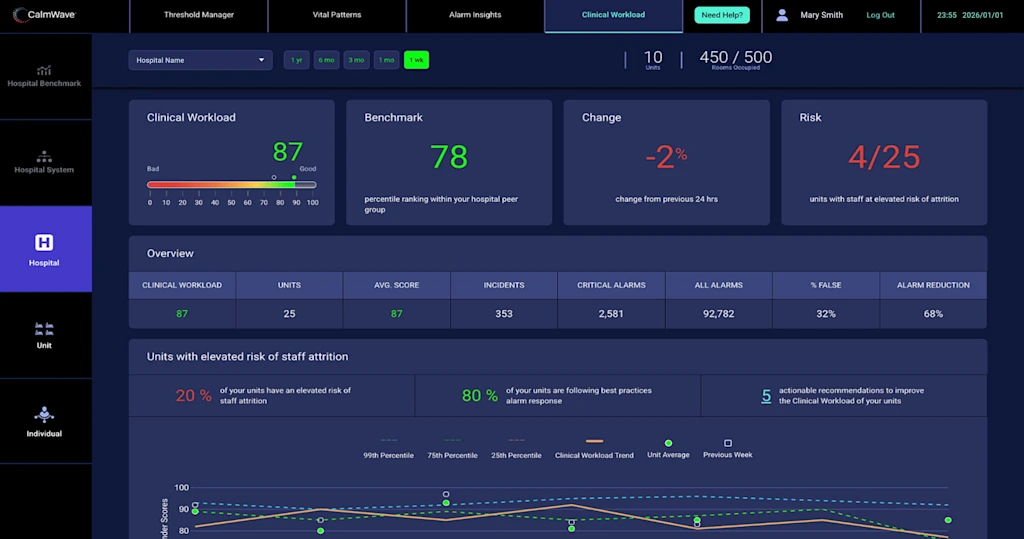
Betting the problem might have a similar fix, Ronen founded CalmWave in 2022, with early backing from the Allen Institute for AI’s incubator program. The startup aims to help hospitals silence unnecessary alarms, prioritize those that truly demand action, and build datasets that make it easier for computers to tell the difference.
Like other complex IT operations, Ronen found that critical information in hospitals is siloed across at least two systems: electronic medical records (EMR), which track diagnoses and treatments, and networks of sensors and monitoring systems that log vital signs and trigger alarms. Those monitoring data points typically never make it into EMR systems, which aren’t designed to handle that volume of information, Ronen says. CalmWave’s technology integrates both streams.
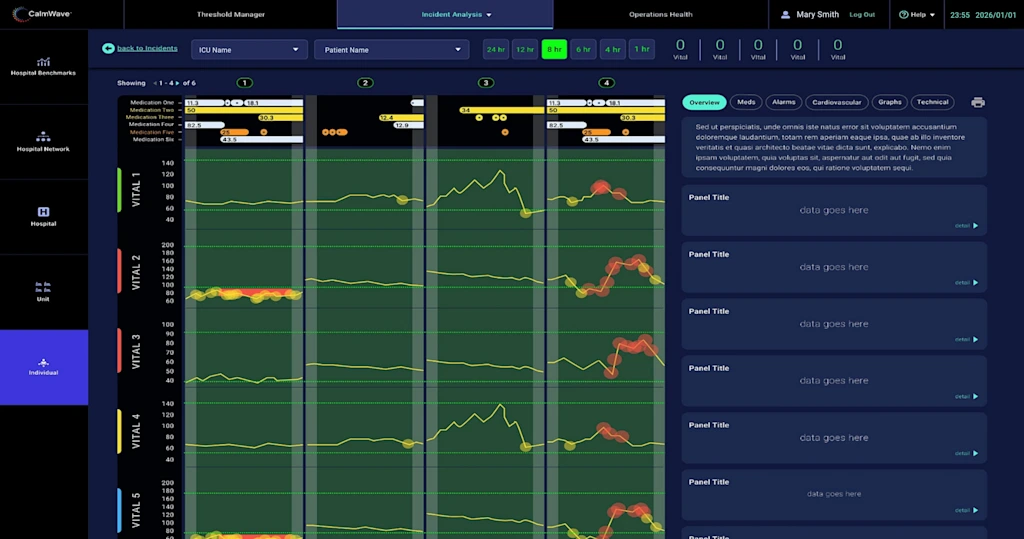
The system presents staff with a unified view of patient vital signs alongside treatment timelines, such as medication administration, reducing the need to toggle between records to assess a patient’s status. Drawing on its accumulated data, CalmWave can also recommend how to adjust alarm thresholds for specific patients, backed by clinical evidence explaining its reasoning. That might mean widening acceptable ranges to reduce unnecessary noise or tightening thresholds to catch problems earlier, according to Ronen.
“We don’t just reduce alarms,” he says. “We restructure which alarms fire when and why, giving the nurses the clinical evidence of why this makes sense.”
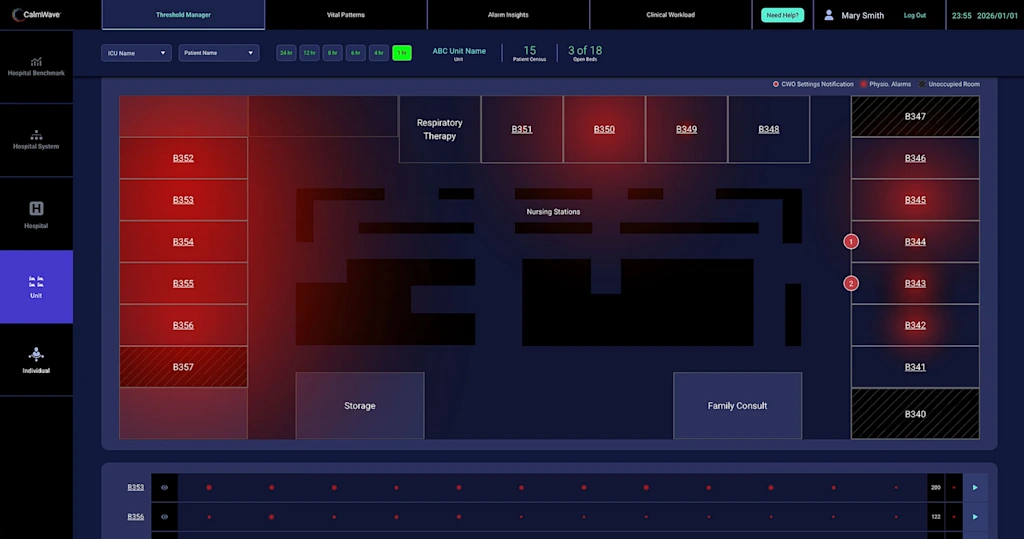
While the system is based on machine learning, it’s not powered by large-language models or other similarly inscrutable generative AI tools, Ronen emphasizes. That’s helped win acceptance from even skeptical medical professionals, and the technology is currently deployed in 14 hospitals. The company has also raised money from a number of investors, including in a follow-on round announced last June that brought in $4.4 million from Third Prime, Bonfire Ventures, Catalyst by Wellstar, and Silver Circle.
An early pilot study with Wellstar Health System found CalmWave’s system could lead to a 58% reduction in non-actionable alarms—reducing clinician interruptions and cutting by approximately 10 hours the time the average patient is exposed to alarms.
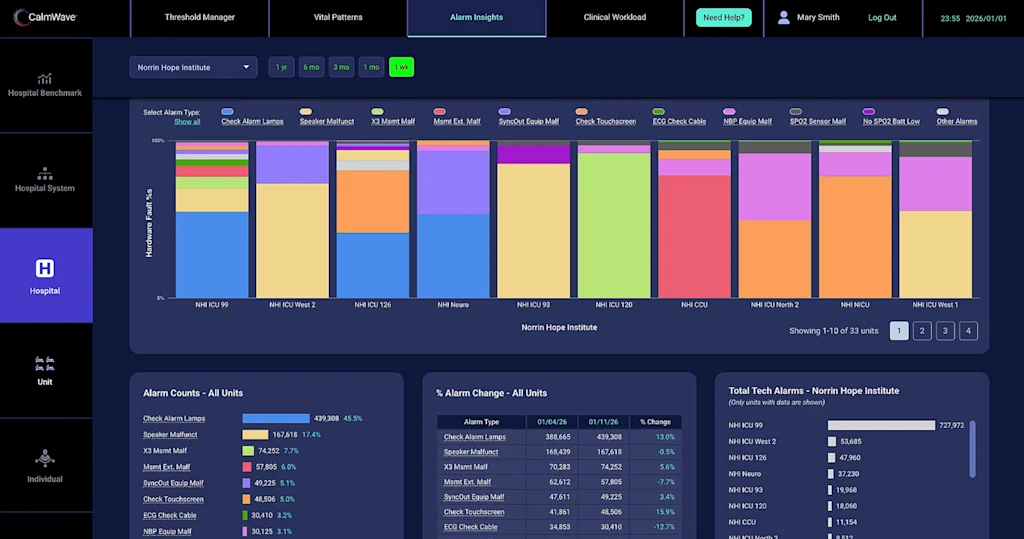
On Tuesday, the company announced a new feature called Recovery State, designed to help hospitals identify patterns suggesting a patient may be ready for transfer or discharge from the ICU. Like its alarm-configuration tools, Recovery State draws on data from monitoring systems and EMRs, matching patient profiles to recovery patterns while leaving final decisions to clinicians.
CalmWave hopes to roll out the feature this year. Ideally, Ronen says, it will help move patients out of stressful ICUs—and potentially out of the hospital—sooner, freeing up resources and reducing costs. More broadly, he argues, it offers hospitals a way to measure when patients are improving, not just when they are deteriorating.
“Healthcare has always known how to detect when things go wrong,” he says. “What it’s never had is an objective, continuous way to confirm when things are going right.”