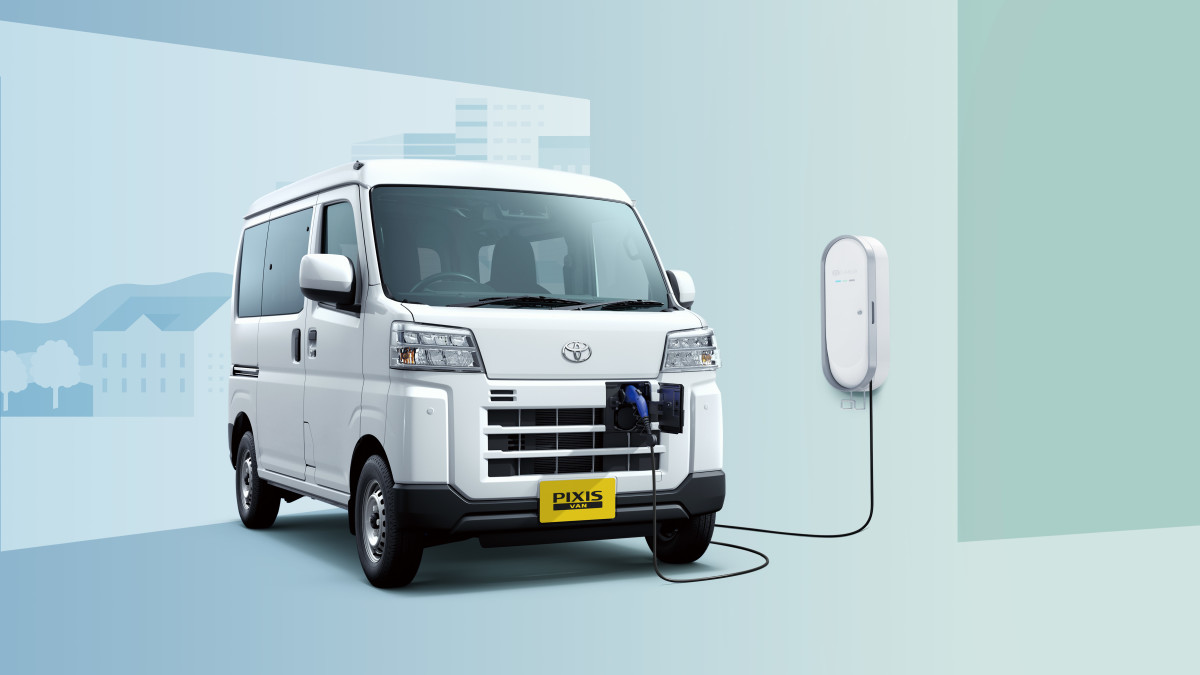
Toyota is expanding its smallest commercial vehicle range in Japan with a new battery electric version of the Pixis Van, adding a dedicated BEV option to a kei class work van that is built for urban delivery duty. Toyota says the model goes on sale February 2, and it is aimed at last mile operators who want a compact footprint, predictable running costs, and the ability to power small equipment on site.
Core Specs And Charging Numbers
Toyota lists a 36.6 kWh lithium-ion battery mounted under the floor, paired with a rear wheel drive e-axle producing 47 kW and 126 Nm. The headline range is 257 km on Japan’s WLTC cycle, and Toyota says that figure is best in class for kei cargo BEV vans as of February 2026.
For charging, Toyota quotes roughly 50 minutes to about 80 percent on a 50 kW or higher DC fast charger starting from the low battery warning, and about six hours on 6 kW AC charging. Toyota also includes a 1,500 watt AC outlet and says the van is V2H capable with a separate device, which positions it as both a delivery vehicle and a small mobile power source.
Cargo And Practical Work Use
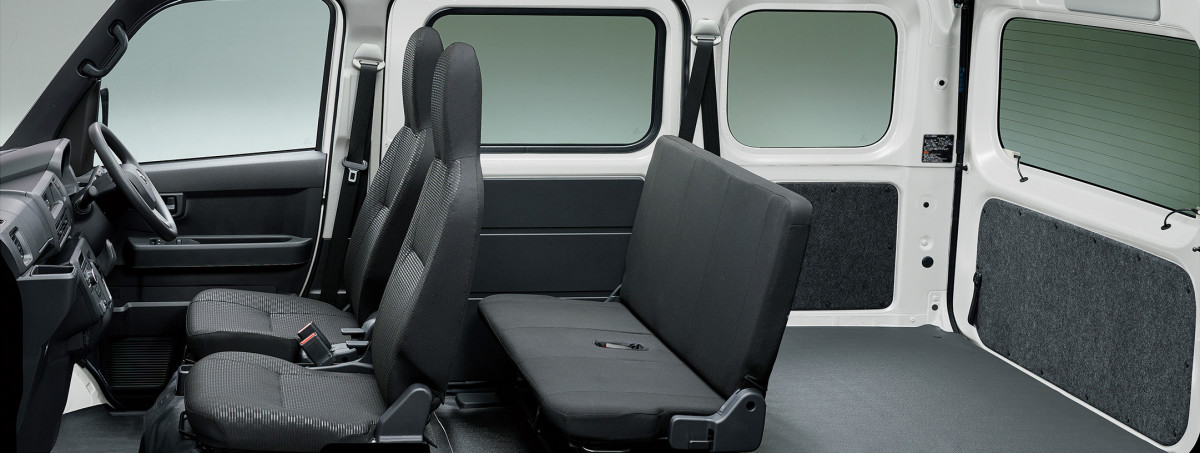
Toyota is pitching this Pixis Van BEV as a real tool rather than a city car conversion, and it publishes payload and cargo bay measurements. Maximum payload is listed at 350 kg, with a cargo space measuring 1,920 mm long, 1,270 mm wide, and 1,250 mm tall, plus a 630 mm load floor height to keep loading easy in tight urban settings.
Toyota also calls out chassis updates tied to the BEV packaging, including a trailing link rear suspension design and added structural reinforcement to support the underfloor battery layout while maintaining durability.
In Japan, Toyota lists one BEV grade, the Pixis Van Deluxe BEV, priced at 3,146,000 yen ($20,000) before recycling fees, and it offers option packs aimed at fleet usability, including a labor saving pack and a visibility assist pack that bundle convenience and camera features. Toyota describes the BEV system as jointly developed with Suzuki and Daihatsu, and says Commercial Japan Partnership Technologies participated.
How It Fits Toyota’s Broader Market Reality
The Pixis Van BEV is a Japan specific commercial product, but it reflects the same theme Toyota faces elsewhere, demand remains strong enough that pricing and availability define the customer experience.
In the US market, Toyota shoppers are seeing price pressure in mainstream vehicles, while Toyota keeps filling out its lineup with new nameplates and trims. At the core of Toyota’s strategy is still offering products that hit clear use cases, whether that is a work van built for city delivery or the traditional sedan choice.