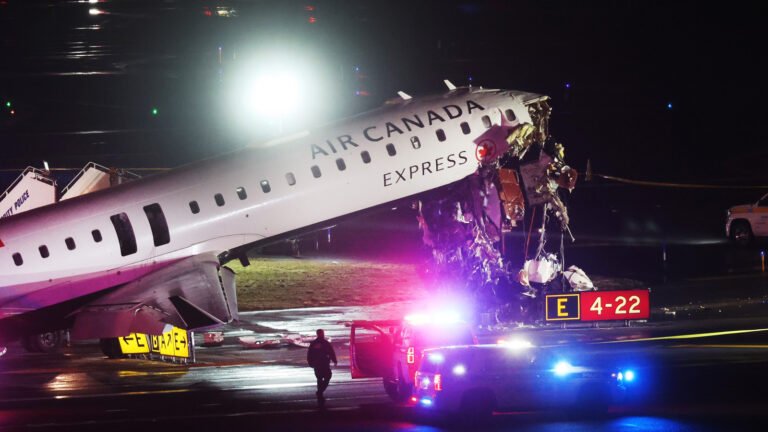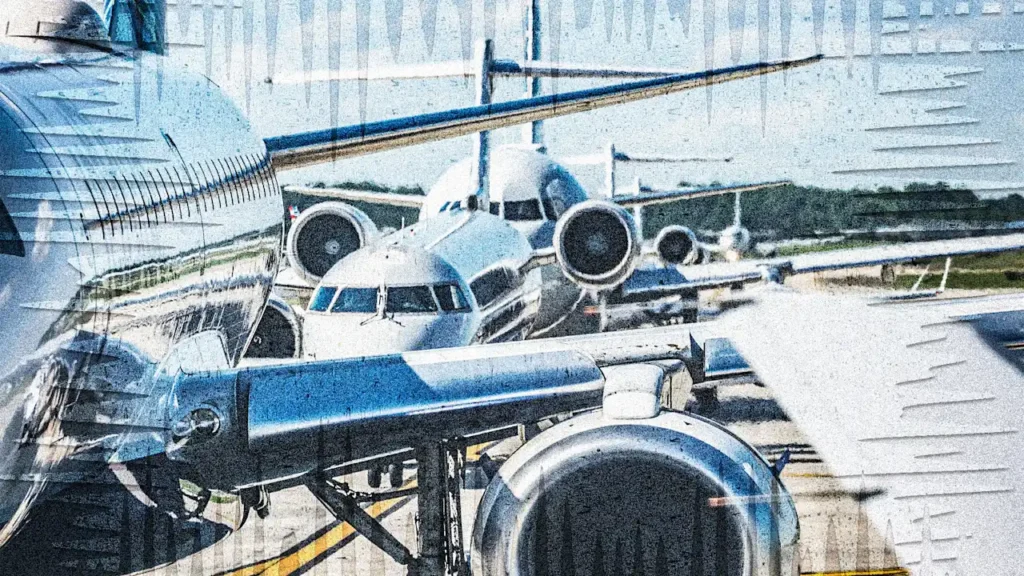
Air travel is currently in a state of chaos. TSA agents are calling out of their jobs en masse; security lines are piling up; extreme weather is delaying flights; and on March 23, President Trump deployed ICE agents to multiple major airports, causing an outcry from the public and multiple advocacy groups. And, this morning, an Air Canada plane crash at LaGuardia airport, which killed at least 2 people, was also in the headlines.
Despite all of these factors, major airlines saw share prices soar this morning. As of this writing, American Airlines stock is up more than 4%, Delta is up more than 3%, United is up nearly 5%, and Southwest is up more than 4%.
The surge comes in the wake of President Trump’s announcement that he will postpone a series of planned strikes against Iran—which, for airline investors, signals a potential financial reprieve for the industry after weeks of bad news.
Here’s what to know about the converging headwinds in the airline industry.
Why is air travel currently in turmoil?
Airlines are currently facing a litany of issues that just keep piling up.
Last week, a series of winter storms and tornadoes resulted in thousands of flight delays and cancellations—but, now that the extreme weather has settled somewhat, there are even bigger concerns at play.
The government is currently entering its sixth week of a partial shutdown due to a Department of Homeland Security (DHS) funding lapse, as lawmakers are deadlocked over funding for the Immigration and Customs Enforcement Agency (ICE).
A lack of funding for the DHS, which oversees the Transportation Security Administration (TSA), means that TSA agents have been expected to continue working despite getting their paychecks put on hold. On March 15, nine major airline CEOs wrote an open letter to Congress demanding pay for federal aviation workers during government shutdowns.
This governmental stalemate has resulted in short-staffed airports across the country. According to CNN, half of the nation’s busiest airports saw more than a third of agents call out on March 21. With Americans entering spring break season, security lines are becoming unmanageable at several travel hubs.
President Trump’s proposed band-aid for this issue is a controversial one: deploying ICE agents to airport security, starting today. His administration says that the agents will be tasked with aiding TSA agents to speed up security lines. But advocacy groups are pushing back on that claim.
In a March 22 statement, Naureen Shah, director of policy and government affairs for immigration at the ACLU, wrote, “Never in our history has a president deployed armed agents to the airport to inspire fear among families. The American people don’t want to live in White House advisor Stephen Miller’s dystopian police state. ICE and other federal agents have already shown the cost to us all when the president deploys them on his whim to act as a domestic policing force.”
Why is airline stock up all of a sudden?
Given the current state of chaos in American air travel, it might come as a surprise that airline stock was universally trending up this morning. But there’s a fairly simple reason for the bump: oil prices.
On February 26, Trump and Israeli Prime Minister Netanyahu attacked Iran, killing its Supreme Leader Ayatollah Ali Khamenei and at least 3,114 people, according to a March 17 report from the U.S.-based group, Human Rights Activists in Iran. Since then, the war on Iran has shut down much of the Middle East, including the Strait of Hormuz, and disrupted global oil supplies.
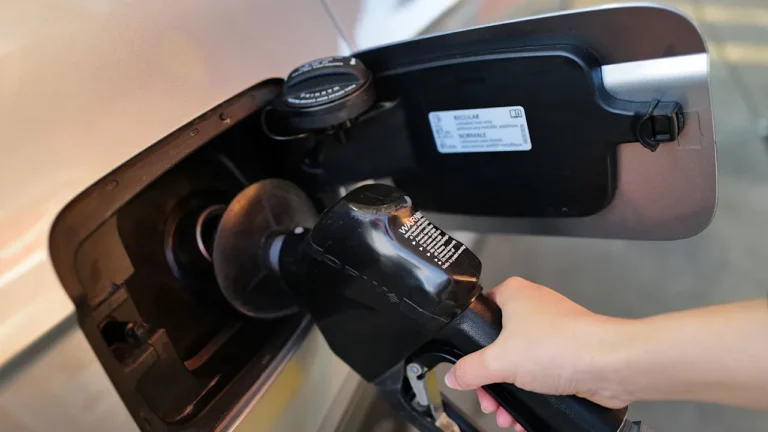
For airlines, that’s meant a massive spike in jet fuel costs. According to the trade association Airlines for America, daily simple average jet fuel prices increased from $2.42 per gallon on February 26 to $4.56 as of March 20. In a letter to employees on March 20, United Airlines CEO Scott Kirby said that these jet fuel prices could represent an additional $11 billion in annual costs for the company if they remain at the same level.
The industry appeared to be headed for even greater disruption on March 21, when Trump took to his Truth Social account to threaten that, if Iran didn’t “fully open” the Strait of Hormuz within 48 hours, “the United States of America will hit and obliterate their various POWER PLANTS, STARTING WITH THE BIGGEST ONE FIRST!”
However, on Monday morning, Trump backed off of this threat, saying that he would hold off on strikes for five days, and writing on Truth Social that the U.S. and Iran have had “very good and productive conversations” that could yield “a complete and total resolution” in the war.
For airline investors, the possibility of an end to the war in Iran could mean stabilization in oil prices, which has led them to boost the stocks this morning. Still, it’s important to note that this situation is still volatile—and, depending on Trump’s next move, the respite could be short-lived.