Walking the Ferrari Tightrope
Throughout the years, Ferrari has released some of the most iconic cars in automotive history, and it would be a crime to leave out the F40. So when Mike Burroughs of StanceWorks announced in 2024 that the shop would take on an F40-based project called the F40 EVO, many wondered whether it might draw the automaker’s attention, given its reputation for blocking customers whose actions could undermine its brand image.
That concern grew further after Ferrari sent StanceWorks a letter, which Burroughs later posted on Instagram, though the full contents were not disclosed. According to The Drive, however, that was not the issue at all. The publication reported, citing a private exchange with Burroughs and a video from his Patreon, that Ferrari had actually sent a cease-and-desist over StanceWorks’ posters and desk mats featuring the Prancing Horse logo.
Clearing Up the Confusion
That said, Ferrari likely saw the F40 EVO project and chose not to act on it. Burroughs also built a Ferrari 308 swapped with a Honda K24 engine, and that project drew no public response from the automaker either. In fact, Burroughs said Ferrari’s lawyers told him they could not stop him from modifying the cars, but wanted him to make clear to his audience that using modified parts carries risks, both in terms of technical issues and potential impact on the car’s value.
“Let this dispel the myth that you can’t modify your car,” Burroughs said. “There you go, myth dispelled.”
That may come as a surprise to some, especially since even renowned tuner TJ Hunt previously said he was unsure whether the automaker would take issue with his road-going 488 build made with genuine GT3 Evo parts.
A Ground-Up Approach
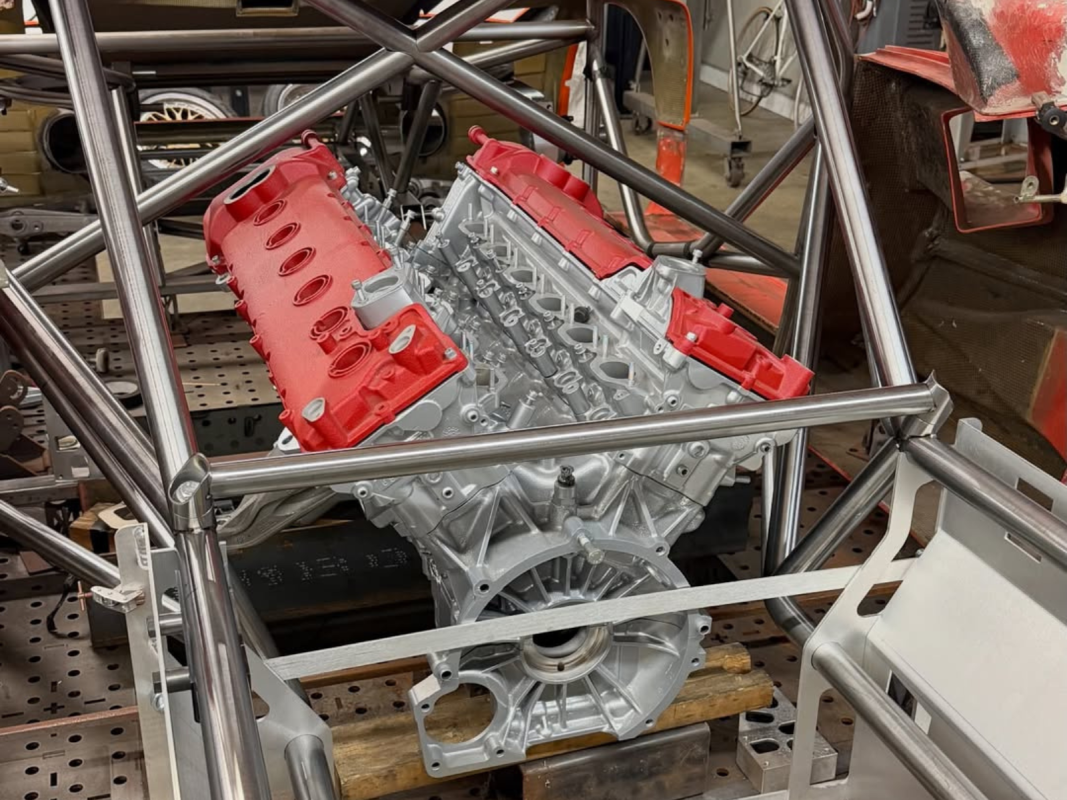
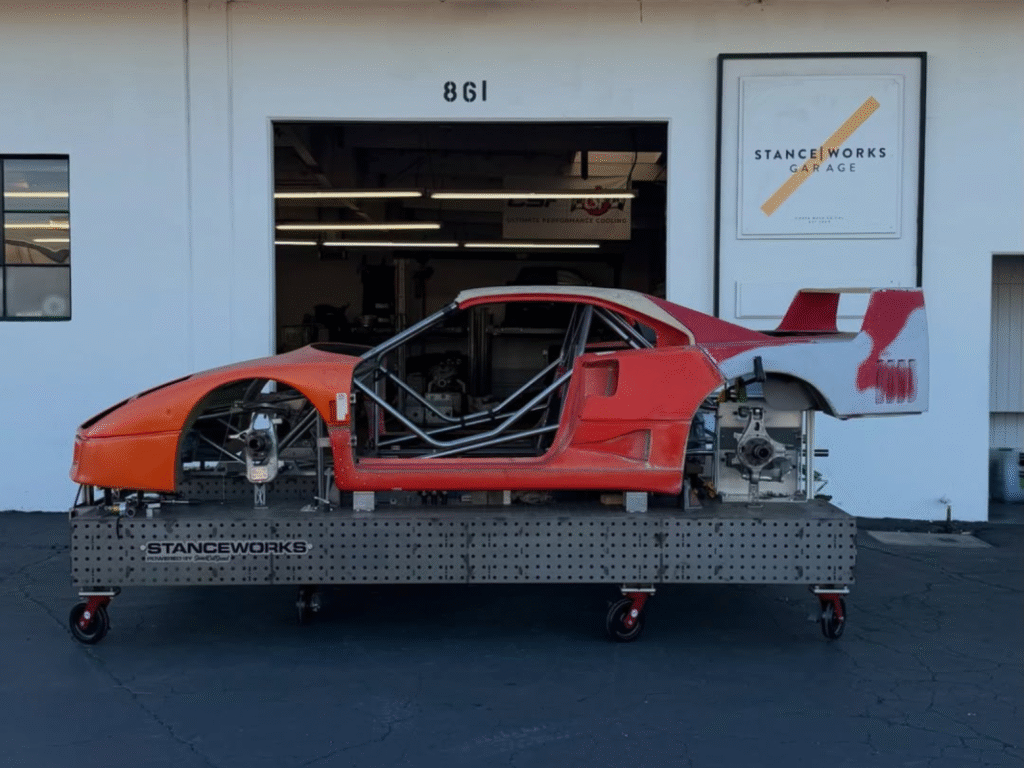
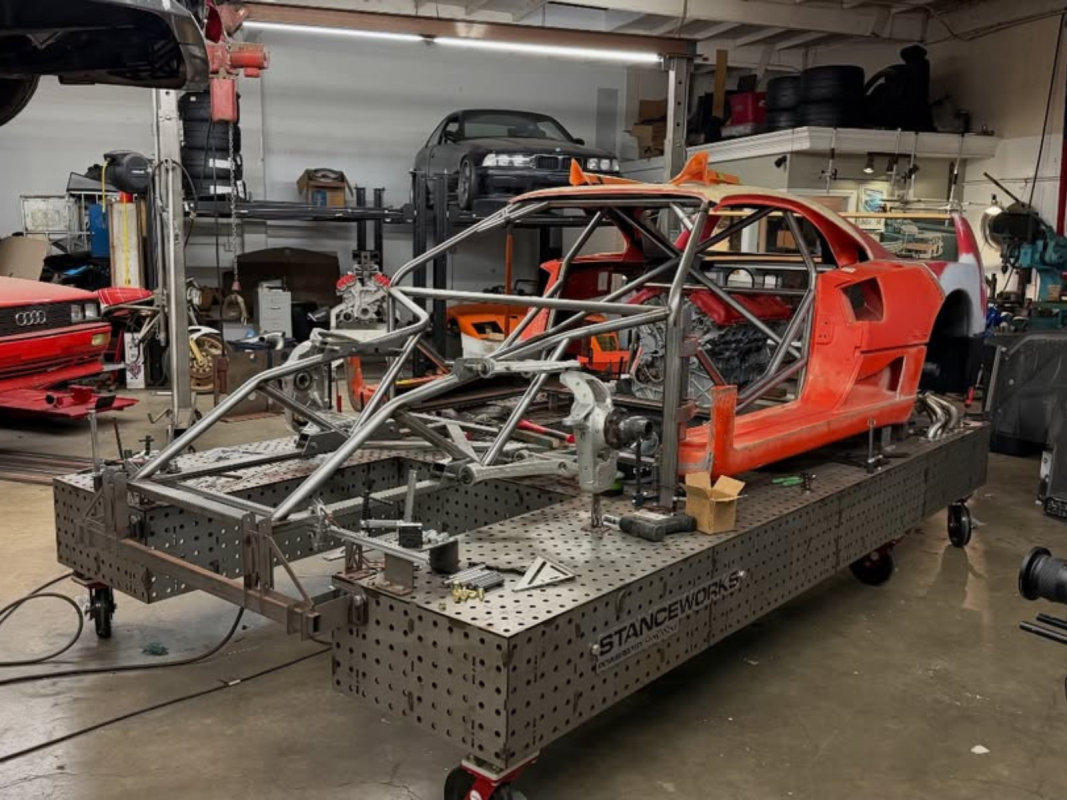
It is worth noting, however, that the F40 EVO project is not actually based on a factory F40. That would have been far more expensive, as the model – introduced in 1987 to mark Ferrari’s 40th anniversary – typically trades for around $3 million. Instead, Burroughs used several F40 parts, including the front end, doors, and roof, and mounted them to a custom tube chassis. Power comes from a V12 sourced from an 812 Superfast with just over 600 miles, rather than the twin-turbo V8 found in the original F40.
With Burroughs playing into the Ferrari blacklist narrative, it is possible the move was partly meant to generate buzz online, though only he knows that for certain. Still, enthusiasts may take away something else from the project: it appears possible to source real F40 parts and build something inspired by the icon without paying full F40 money.