The National Highway Traffic Safety Administration (NHTSA) has released preliminary figures showing a major step forward for U.S. road safety.
Between January and June 2025, an estimated 17,140 people lost their lives in motor vehicle crashes, an 8.2% decline from the same stretch in 2024. Even more telling, Americans actually drove more miles during that period, underscoring that the drop can’t simply be explained by lighter traffic but instead points to meaningful improvements in safety measures and driving behavior.
IIHS/Hyundai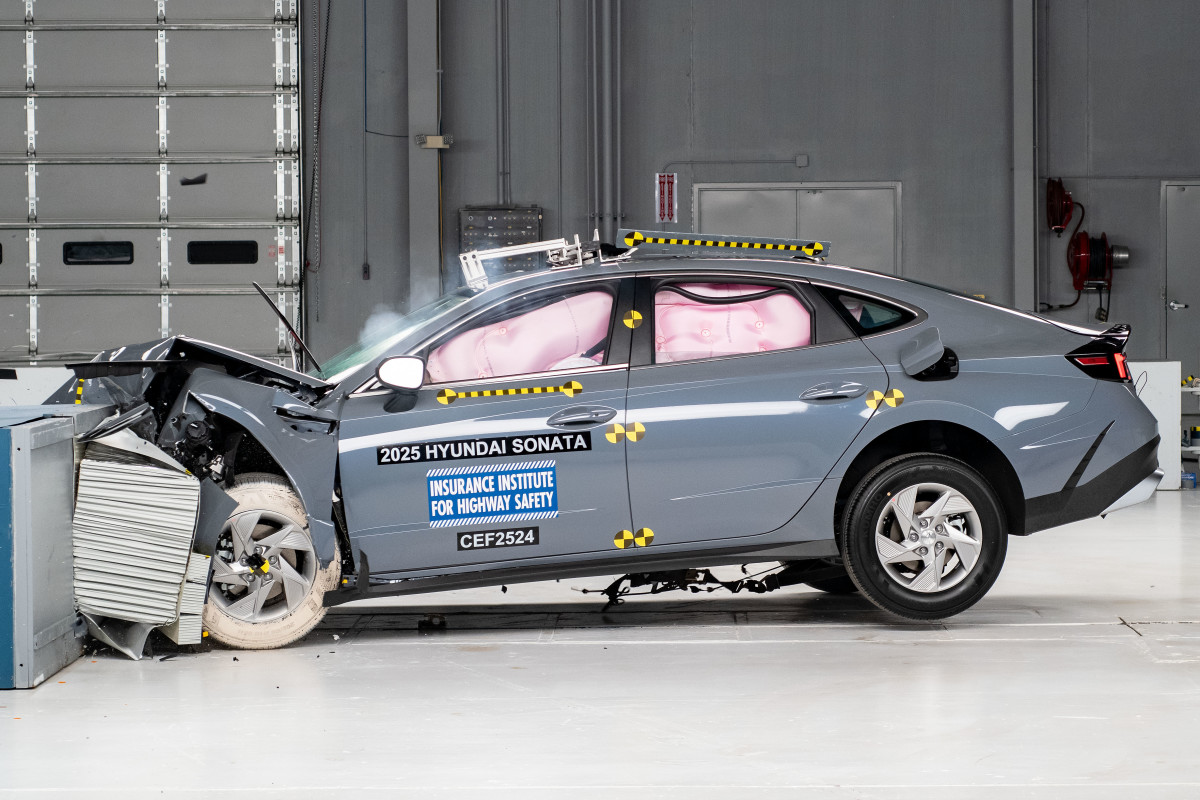
Why the Numbers Are Falling
This marks the 12th consecutive quarter of decline in road deaths, suggesting more than a one-off dip. Safer vehicle technology is playing a part, with features like automatic emergency braking and improved crash structures now standard on many new models. At the same time, NHTSA is working on regulatory updates designed to anticipate future challenges.
For example, the agency recently announced plans to ease rules and advance driverless car technology, opening the door for autonomous vehicles without traditional controls. Advocates argue this could one day eliminate human error, the leading factor in most crashes.
Law enforcement and public campaigns have also sharpened their focus on impaired and distracted driving, which remain stubborn contributors to road deaths. However, new behavioral research is making clear that certain seasons pose outsized risks. CARFAX data shows that fall is America’s deadliest driving season, thanks to shorter daylight hours, slicker roads, and the annual spike in deer-related collisions.

Learning from Abroad
While the U.S. is clearly making progress, there’s still a long road ahead. A recent Insurance Institute for Highway Safety (IIHS) study found the nation continues to trail countries like Canada in several key safety outcomes, highlighting gaps that demand urgent attention.
The group is now calling for America to adopt three key Canadian driving laws, including stricter speed management, tougher impaired-driving rules, and better graduated licensing systems for young drivers. If adopted, these changes could accelerate the trend NHTSA is already reporting.
Why It Matters
Even with 17,140 lives lost in just six months, the decline marks the sharpest first-half improvement since 2008. For policymakers, the numbers highlight the payoff of infrastructure investment, stricter safety rules, and ongoing efforts to curb dangerous driving behaviors.
For automakers, the trend validates billions poured into crash-avoidance tech and autonomous features, reinforcing confidence in future innovations. For everyday drivers, it’s a reminder that while progress is tangible, vigilance behind the wheel remains important, especially with the high-risk fall and winter driving seasons looming.