Rivian is quickly positioning itself as the pioneer in the autonomy space, and its latest deal with Uber shows just how serious those ambitions are. The two companies are teaming up to deploy thousands of fully autonomous vehicles based on the upcoming Rivian R2, forming the backbone of what could become one of the largest robotaxi networks yet.
Uber’s $1.25 Billion Bet On Robotaxis
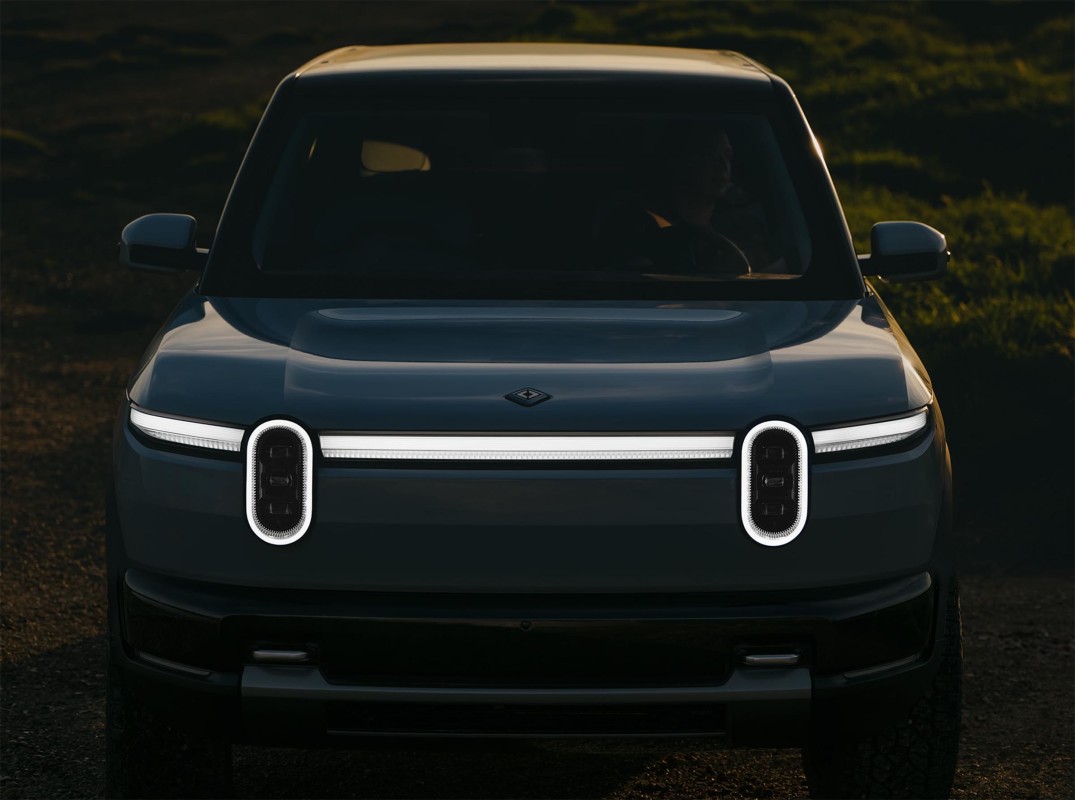
At the heart of the deal is a long-term investment that could see Uber commit up to $1.25 billion to Rivian by 2031. The rollout begins with around 10,000 R2-based robotaxis, expected to hit cities like San Francisco and Miami in 2028. From there, the plan is to scale aggressively, with as many as 50,000 vehicles operating across roughly 25 cities across the US, Canada, and even Europe. But this isn’t Uber’s only autonomous endeavor; they also confirmed to deploy a fleet of Volkswagen ID. Buzz robotaxis sometime this year, and is reportedly exploring a similar partnership with Nissan.
Not All Self-Driving Systems Are Equal
Rivian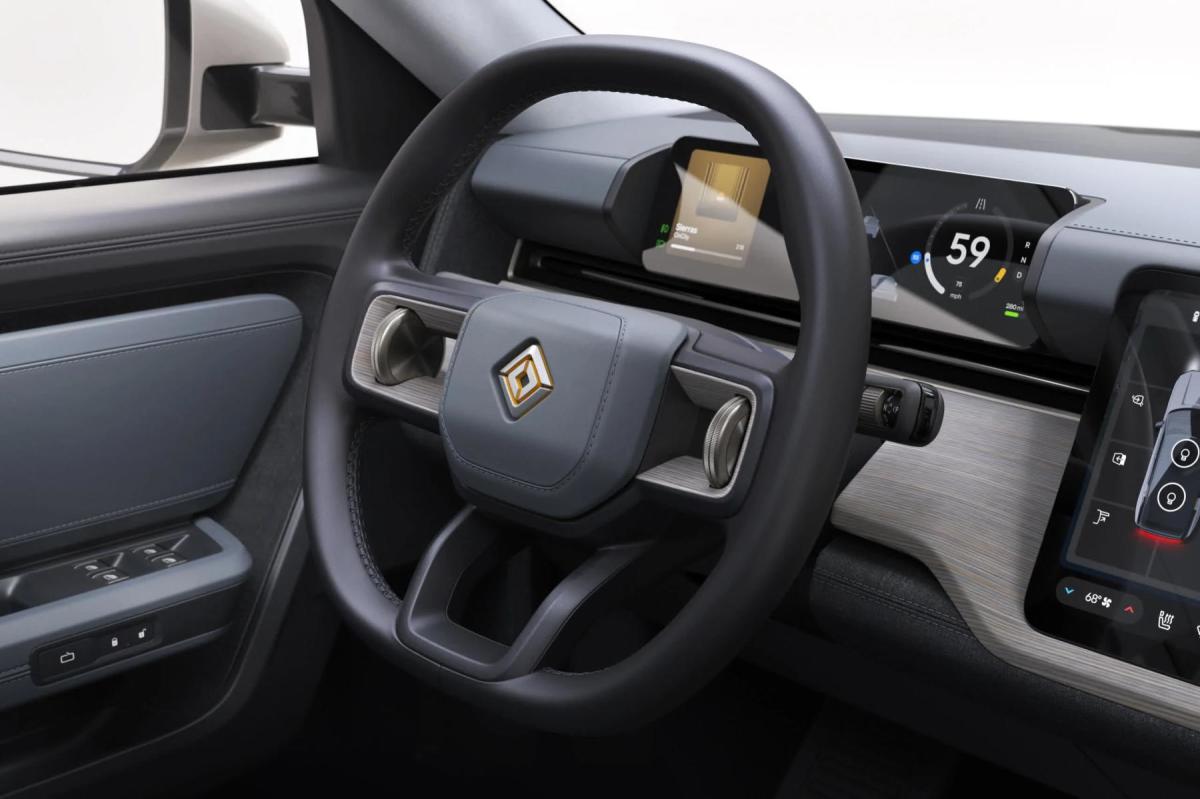
While many automakers plan to add autonomous driving tech into existing platforms, Rivian engineered its R2 to sport hands-free driving from the start. The R2 will blend cameras, radar, and LiDAR with in-house computing to process real-world data at scale, with the end goal of supporting Level 4 autonomy in controlled environments. Rivals, like Waymo and Tesla, on the other hand, are experiencing some headaches with their autonomous driving tech. In fact, Tesla is currently under investigation by the National Highway Traffic Safety Administration following multiple crashes, including one fatal incident linked to its Full Self Driving system. On top of that, Tesla’s Robotaxi program has logged 14 reported incidents since its June 2025 launch. However, those cars still rely on human drivers, with fully driverless concepts like the Cybercab remaining unrefined.
Uber’s Multi-Partner Autonomy Play
All of this helps us get a better idea of Uber’s future strategy. Instead of putting all its eggs into one basket, the company is building a diverse ecosystem of partners and platforms from Volkswagen to perhaps Nissan, and now Rivian. If Rivian can deliver on its promises, the R2 robotaxi may end up becoming a cornerstone of Uber’s long-term vision and serve as a real-world example of what autonomous cars should be.