The $30,000 EV Club Is Still Tiny
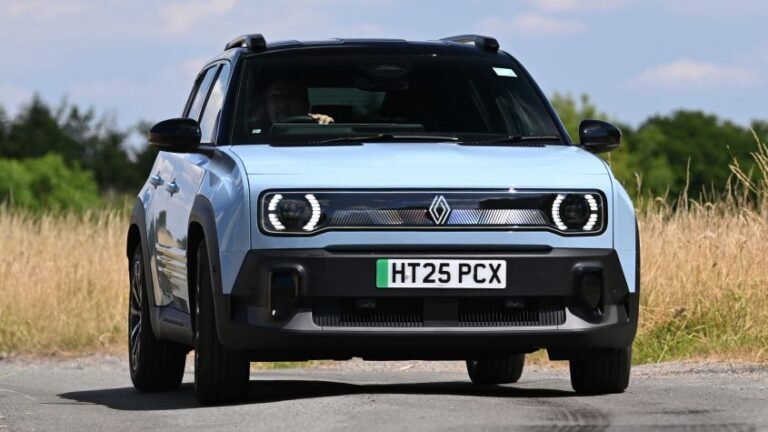
Finding a new electric car in America that costs under $30,000 is a short search – there are only two: the Nissan Leaf and the returning Chevrolet Bolt. Both hover above the $29,000 mark as a base. Everything else lives well above that range.
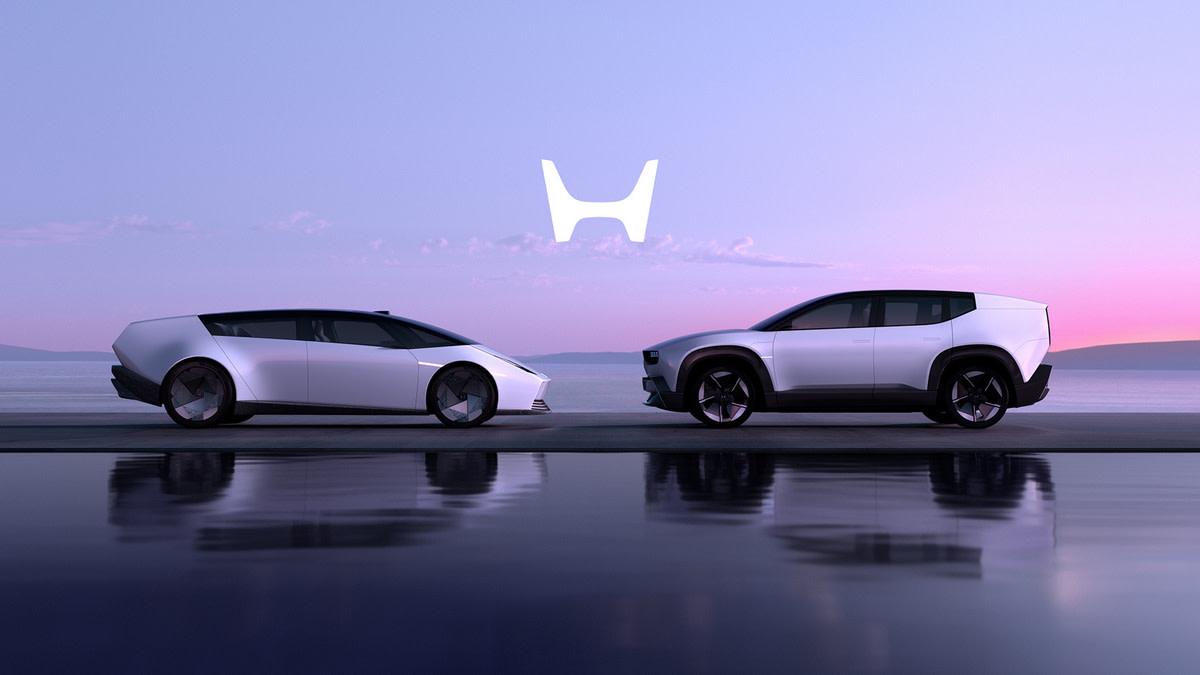
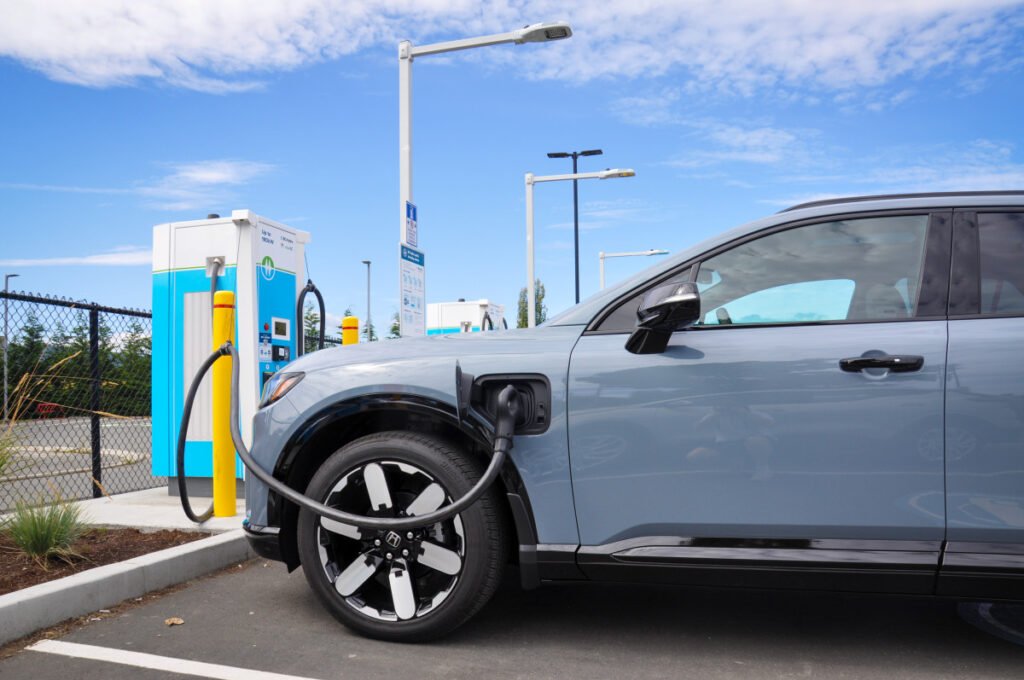
Honda’s only full EV in the US market is the Prologue, which starts somewhere north of $47,000, putting it far out of reach for most buyers. The upcoming Series 0 SUV, which will arrive next year, will likely be priced way above the $30,000 mark.
That might soon change. Honda CEO Toshihiro Mibe recently shared that the company is considering entering the affordable EV space. “So for the future, we will consider coming up with EVs under $30,000 as well,” he told The Drive in an interview. Still, “considering” is the operative word – Honda doesn’t plan to jump in just yet.
Cole Attisha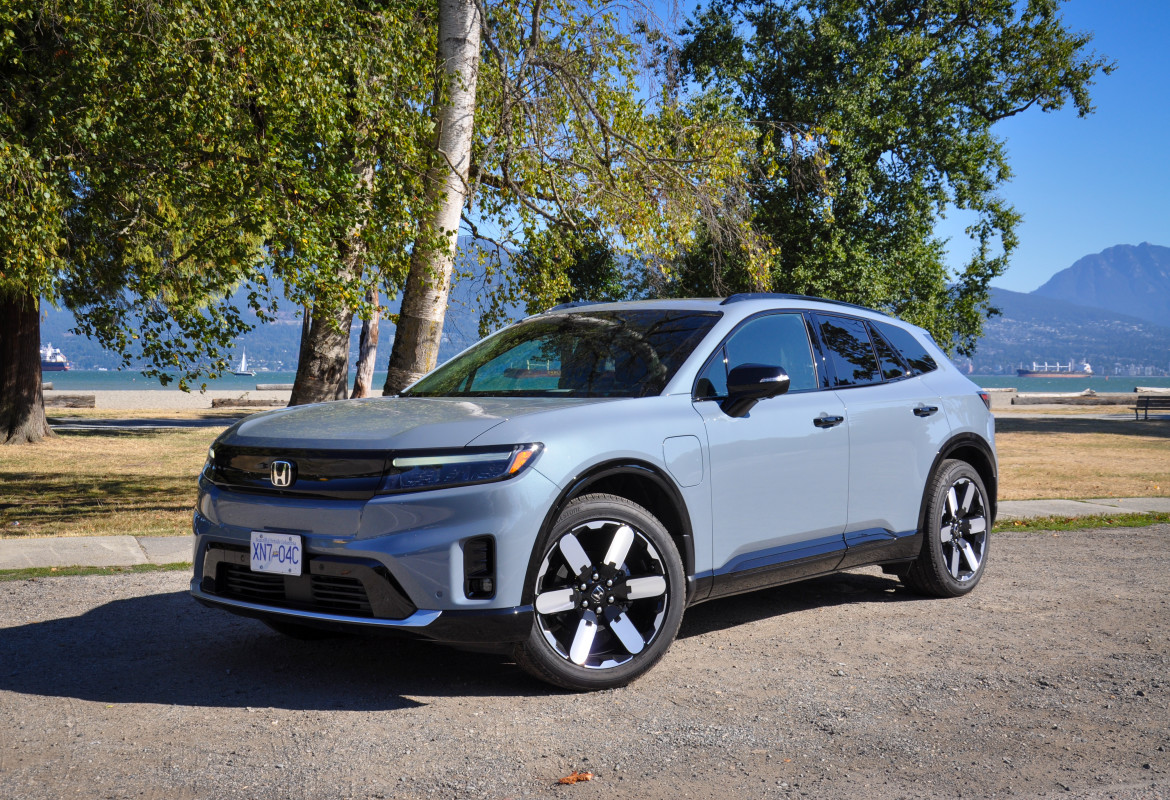
A Careful Look at Market Timing
Mibe explained that the decision to delay low-cost EVs comes down to timing and policy shifts. He pointed to the removal of Inflation Reduction Act subsidies and the impact of the Trump administration’s return, saying these factors have slowed EV market growth by roughly five years.
“If we think about whether we have to really come up with those affordable EVs right away, we get the feeling not really,” Mibe told the publication. Instead, Honda’s near-term focus will be on hybrids, with a new large-size V6 hybrid powertrain on the horizon.
Mibe noted that around 2030, Honda may expand to offer a wider range of EVs, including cheaper ones. For now, the company is monitoring the evolution of US politics and environmental policies before committing.
Honda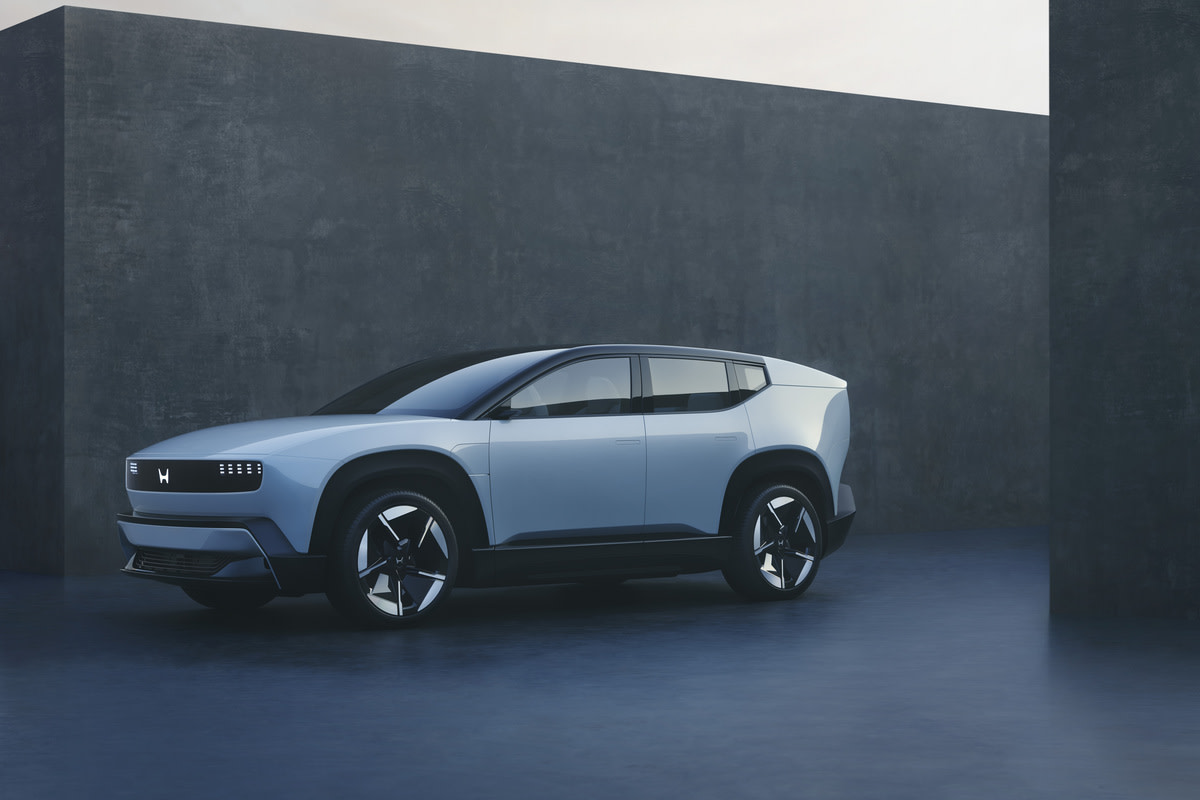
Ford Moving in a Different Direction
While Honda is playing the long game, Ford is leaning in the opposite direction. CEO Jim Farley recently said that a $30,000 electric car is “right around the corner,” practically telling us that the Blue Oval’s ready to move faster in the affordable EV market.
Tesla, meanwhile, has promised a low-cost model for years but hasn’t delivered. Instead, it has reissued the same nameplates with cheaper trims – models that technically lower the price but not enough to truly hit the $30,000 target.
Honda seems to be taking a slower, more measured approach – betting that waiting for the right time might matter more than being first to the price war.
Honda