A Milestone Years in the Making
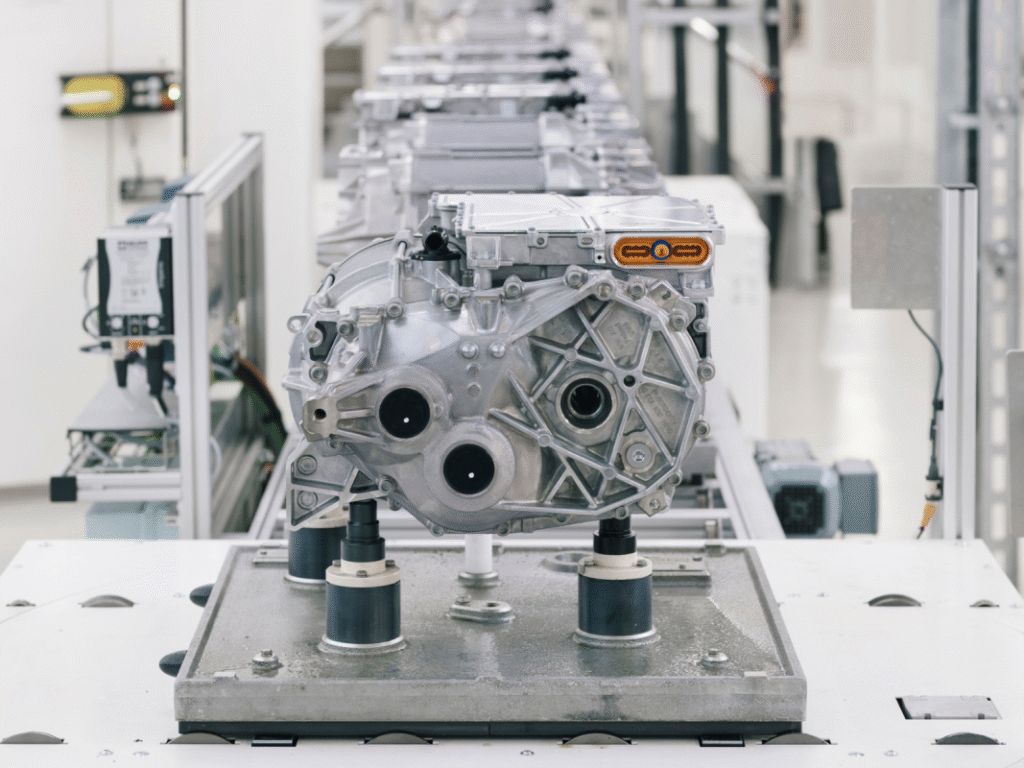
Despite facing headwinds in the EV space, the Volkswagen Group has reached a global milestone by producing five million electric drive units. The achievement is spread across the company’s plants in Győr, Kassel, Tianjin, and Zuffenhausen, with the Kassel facility alone producing around 850,000 units last year – a 24 percent year-on-year increase.
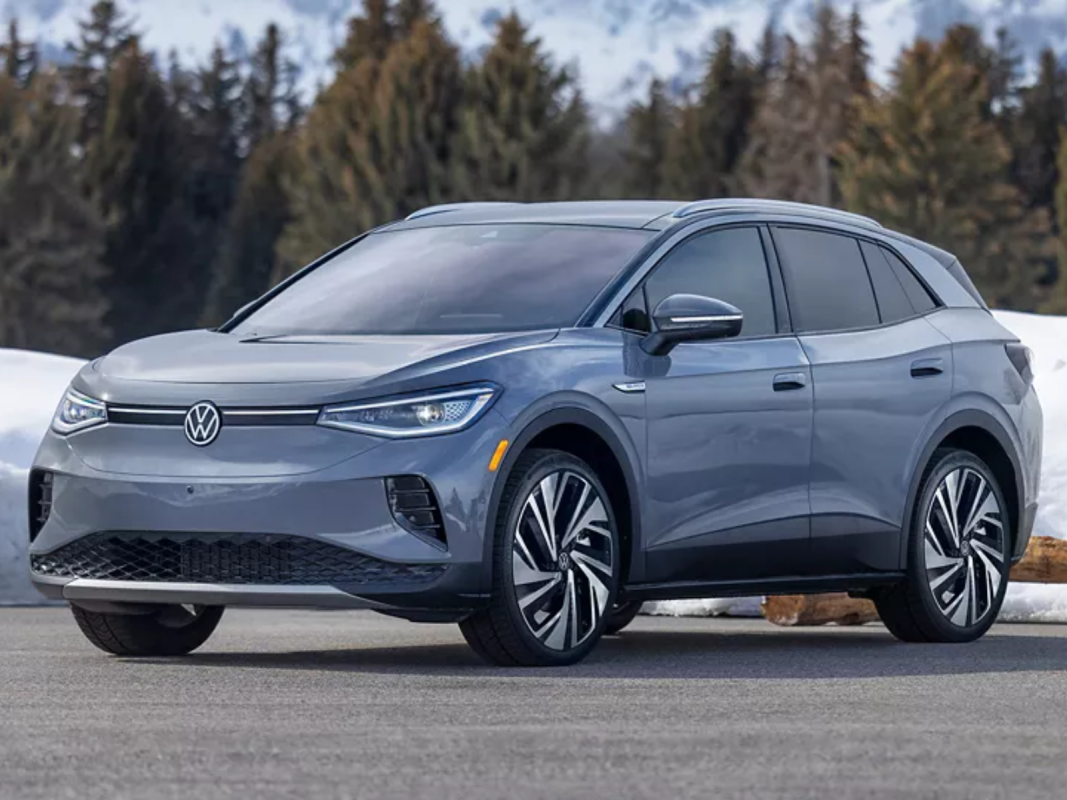
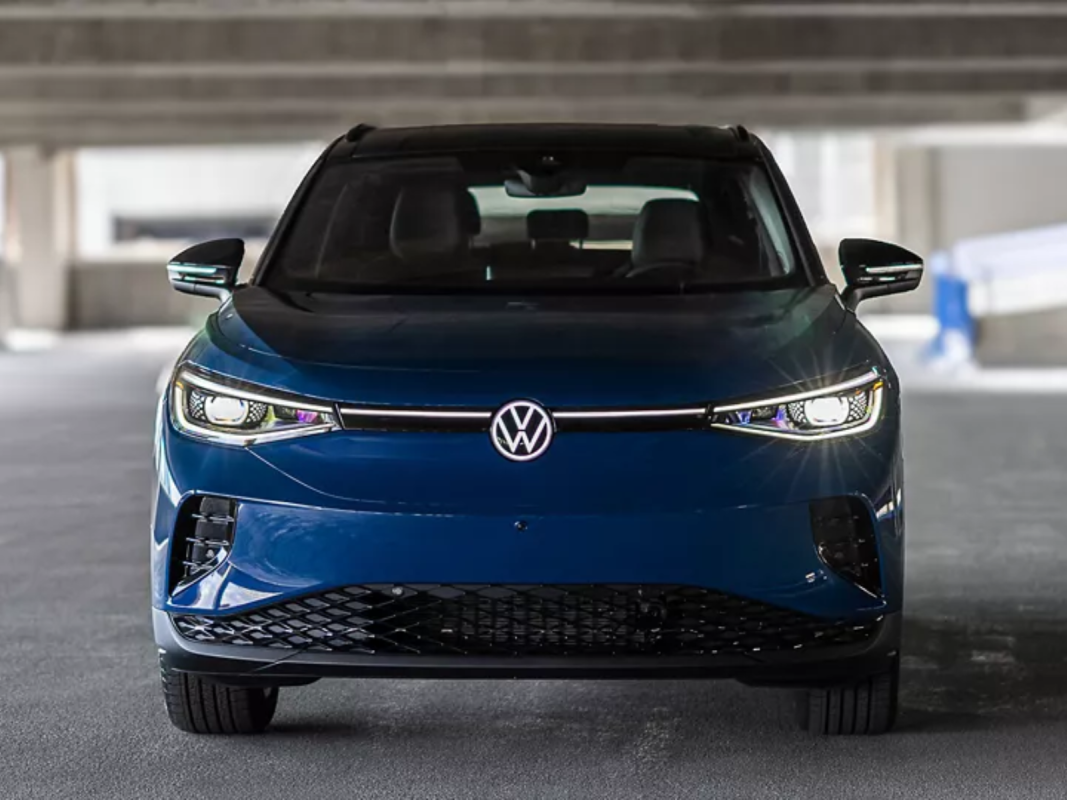
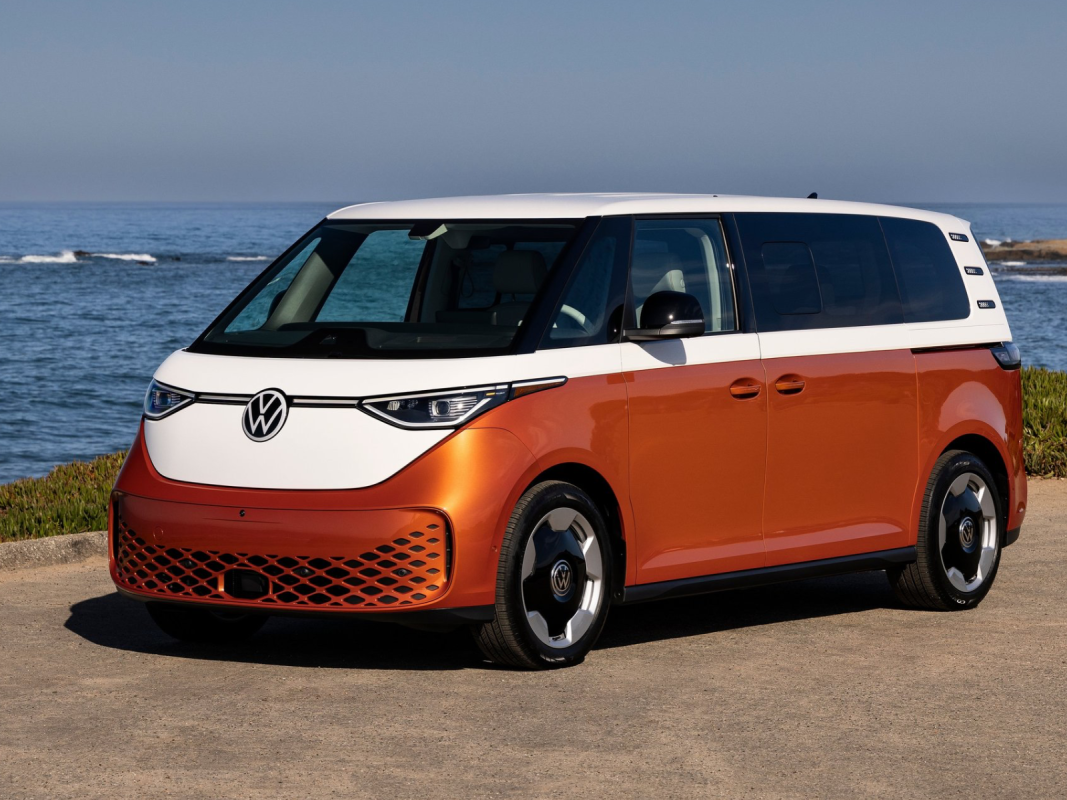
These electric drive units are used across the Volkswagen Group’s brands, including Volkswagen, Škoda, and Cupra—the latter two are not currently sold in the U.S. Within Volkswagen’s lineup, the units power the ID. family, with the ID.4 currently the brand’s sole EV available in the U.S., as the ID. Buzz will not be offered for the 2026 model year.
The Motor That Scaled
The APP550 is the Group’s most popular electric drive unit, offering 40 percent more power and 75 percent more torque than its predecessor. It delivers up to 240 kW (322 horsepower) and 560 Nm of torque (413 lb-ft), while consuming around 20 percent less energy.
The company will also introduce two new electric drive technologies: a pulse inverter and the APP290 electric motor. The pulse inverter will be produced in-house, enabling faster development cycles and cost reductions. Meanwhile, the APP290 has been developed for smaller EVs – such as the ID. Polo – with a focus on maximizing range and improving everyday performance. It is expected to deliver between 85 kW (116 horsepower) and 166 kW (226 horsepower) and will use a 400-volt architecture.
However, given U.S. market preferences for larger vehicles, the ID. Polo is unlikely to be sold stateside.
Confidence in the EV Blueprint
Thomas Schmall, Volkswagen Group Board of Management member for Technology, said, “Producing five million electric drives is a milestone that underscores Volkswagen’s lead in both the ICE and the BEV segments. Our global development and production network allows us to master all aspects of the electric drivetrain, accelerate innovation, and ensure outstanding quality.”
While the milestone represents an impressive achievement for Volkswagen’s EV push, its impact has yet to be felt in the U.S. As such, the company may consider introducing range-extender EVs instead. These vehicles are still propelled by electric motors but can be refueled with gasoline to run a combustion engine that charges the battery, making them better suited for long interstate travel in the U.S.