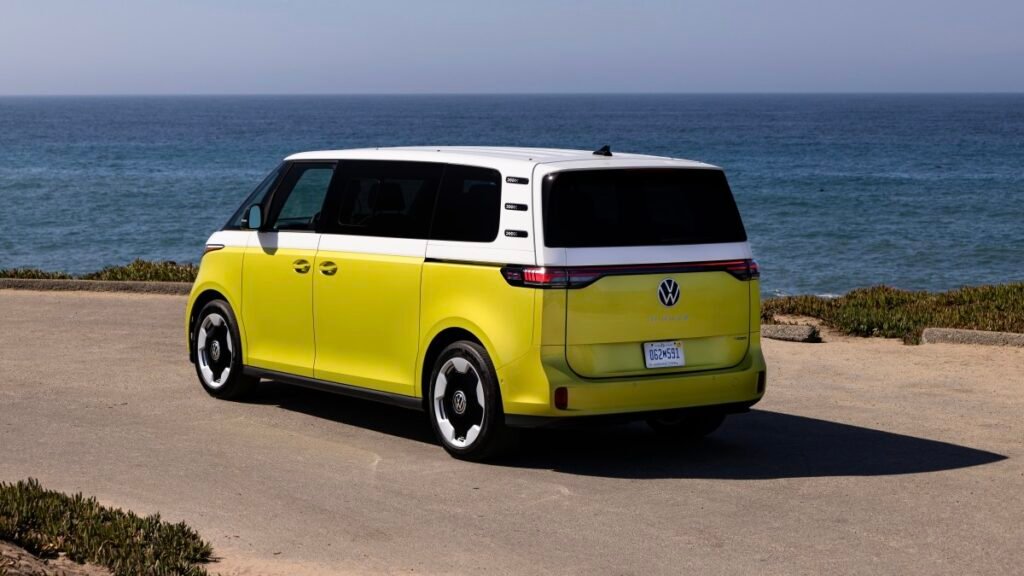
With the Volkswagen ID Buzz and Audi A6 E-Tron skipping a model year in the US and the ID7 cancelled for the North American market altogether, it would be easy to assume that the Volkswagen Group is facing the same struggles selling electric cars as plenty of other brands – and that, to some extent, is true.
However, following news just a few days ago that the VW brand has sold its 2 millionth all-electric car, the wider group has celebrated another major EV moment: across its entire portfolio of brands, it’s now sold 4 million battery electric vehicles since launching its first 13 years ago. While it’s undoubtedly a big milestone to reach, it still sees the manufacturer lag behind the global EV sales leaders coming out of China.
Europe Leads the Charge
Skoda
To accompany its announcement of this milestone, the VW Group has provided some stats around the 4 million fully electric cars it’s sold since first launching the little e-Up electric city car back in 2013.
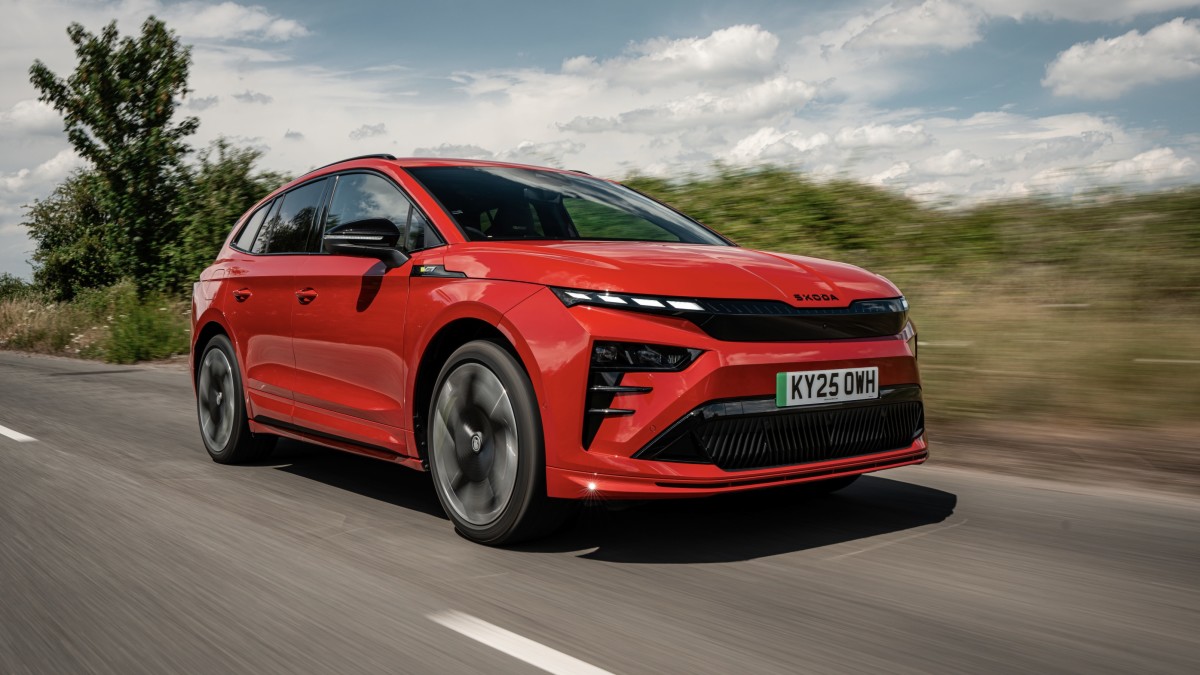
Unsurprisingly, it’s VW’s home market of Europe that accounts for the biggest market for the group’s EVs – some 68% of the overall number, or around 2.7 million, have been sold there. That’s not surprising given that brands like Skoda and Cupra are hugely popular on the continent but have relatively minor presences outside it. What VW calls the other two ‘core markets’ for EVs – China and the US – make up for a further 20% and 8% respectively, with the remaining 5% of its EV sales so far coming from other parts of the world.
ID4 and ID5 are Leaders
Volkswagen
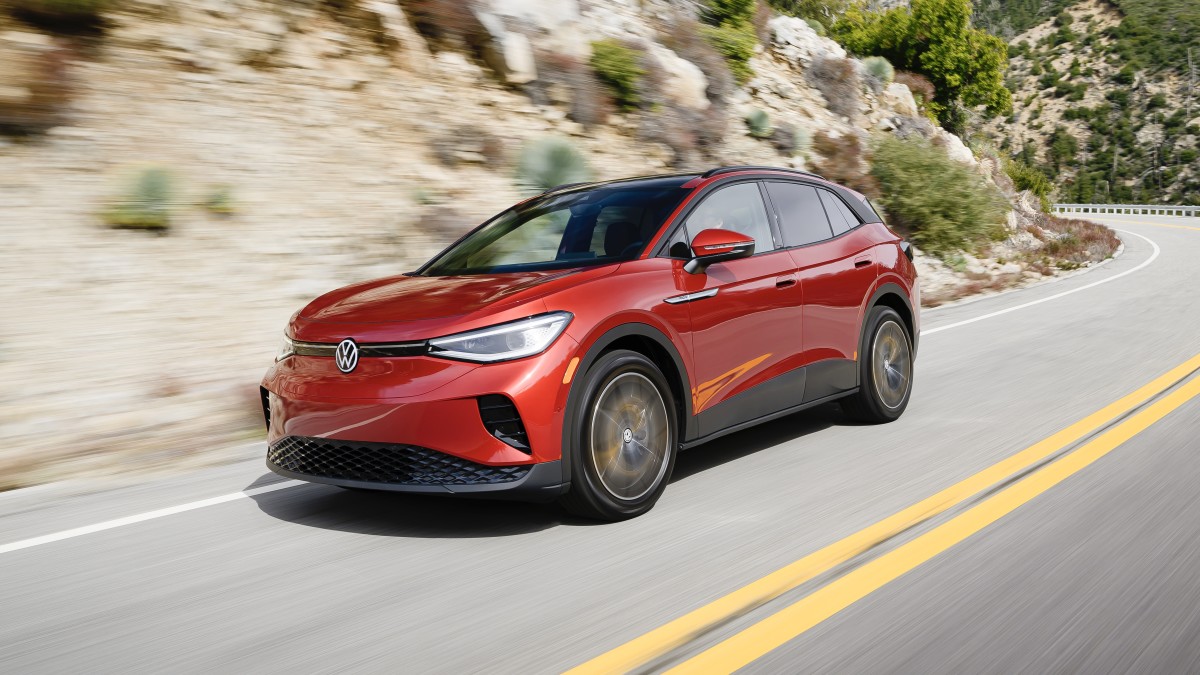
VW has also dug into the models that make up its 10 biggest-selling EVs, and comfortably sitting at the top is the VW ID4, plus its not-for-the-US ‘coupe’ version, the ID5. Between the two, roughly 901,000 units have been shifted since the ID4 went into production in 2020 – nearly a quarter of all the group’s EV sales. Following them in second is the VW ID3 with around 628,000 sales, while the Audi Q4 E-Tron and its Sportback variant round out the top three with 387,000 sales.
Notably, the Porsche Taycan occupies the sixth spot with 177,000 sales, outselling more mass-market propositions like the newly-refreshed Cupra Born. Also of note is that the e-Golf, a car very much aimed at early adopters of EVs, remains the group’s eighth best-selling electric car despite having been discontinued for over five years.
What Comes Next?
Volkswagen
4 million is undoubtedly a big, significant figure for the VW Group to have hit, but the figures also show the scale of the challenge it’s facing from China. It’s taken VW 13 years of building electric cars to hit 4 million, while BYD – now the world’s biggest manufacturer of EVs – sold 2.2 million in 2025 alone. It’s not just Chinese brands that represent a challenge, either – even as Tesla starts to face increasing market pressure, the roughly 8.5 million EVs it’s sold since its inception dwarfs Volkswagen’s numbers.
While dropping EV demand in the US means America likely doesn’t figure too heavily into the VW Group’s short-term electric plans, that market competition plus regulatory pressure in other parts of the world mean electric cars are set to keep playing a very big role at the company.
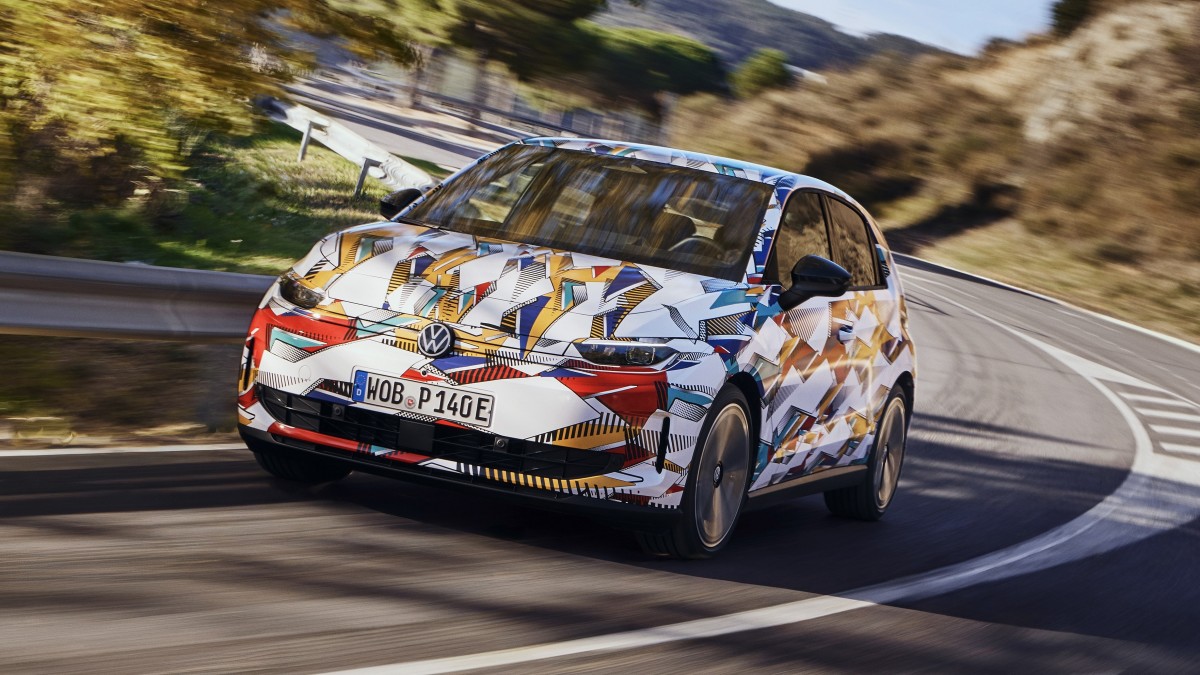
That includes a quartet of small, affordable electric models to be rolled out in Europe during 2026 – the VW ID Polo and ID Cross, Cupra Raval and Skoda Epiq. Other lower-end models coming include the city car previewed by the VW IDEvery1 concept, an EV revival of the Audi A2 and eventually, an all-electric ninth-generation Golf. The upper end of the market is still set to play an important role, too, with the recently-revealed electric Porsche Cayenne soon to be joined by Bentley’s first electric car.
China represents perhaps the biggest challenge, where rapidly growing domestic brands now have a market stranglehold. VW is responding by developing a range of China-specific EVs in partnership with local companies, although if the initial sluggish sales of the China-only AUDI sub-brand are anything to go by, even that’s no guarantee of success.