A Podcast Spark That Led to a Must-Read
This book review begins, unexpectedly, with a podcast.
I’ve been listening to Armchair Expert with Dax Shepard and Monica Padman since the early days of COVID. The show blends celebrity interviews with thoughtful conversations about culture, behavior, and what we value as a society. The hosts’ chemistry and curiosity have kept me coming back.
But recently, I found myself at odds with them. More on that shortly.
First—the book that pulled me in completely.

Diving Into the Foster Care Crisis in the United States
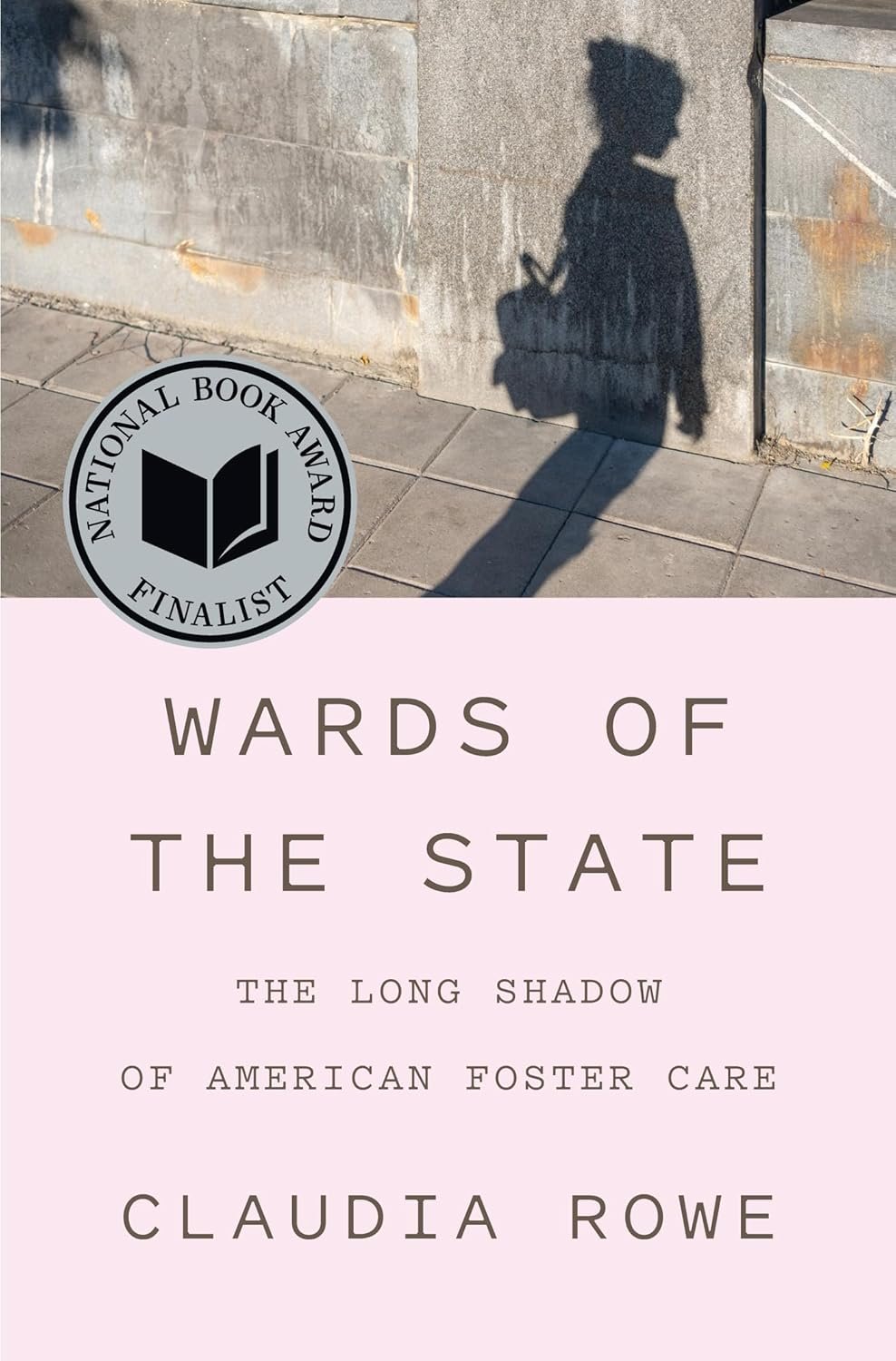
An early February episode introduced journalist Claudia Rowe, a guest I hadn’t encountered before. She was initially reserved, but as the conversation turned to her book—Wards of the State: The Long Shadow of American Foster Care—she became electric.
I didn’t even finish the episode before downloading the audiobook.
I was hooked immediately.
As a reader, I move fluidly between fiction and nonfiction, but when it comes to nonfiction, I gravitate toward deeply reported social issues. Rowe delivers exactly that—layering rigorous reporting with intimate storytelling.
To understand the scale:
- Approximately 370,000–390,000 children are in the U.S. foster care system at any given time
- Out of roughly 74 million children in the U.S., this is a relatively small percentage
But the outcomes tell a much bigger story.
Former foster youth face significantly higher risks of involvement in the criminal justice system. Some studies suggest that up to 50% of young men aging out of foster care will be arrested by their mid-20s.
This is not a population we can afford to overlook.
The Power of Storytelling in Wards of the State
Rowe centers her narrative on six former foster youth, offering a deeply human lens into a complex system. These are not tidy, redemptive arcs. The individuals she profiles are complicated, often difficult, and shaped by years of instability. There are no easy heroes—and very few happy endings.
What emerges is a portrait of a system that is:
- under-resourced
- bureaucratically tangled
- often prioritizing short-term containment over long-term care
Even the so-called “success stories” carry lasting emotional weight. Many of these adults leave the system without a sense of stability, belonging, or self-worth—after years of being moved, neglected, or worse.
Rowe’s reporting makes one thing clear: whether your perspective is rooted in compassion or cost-efficiency, the current system is failing. It is expensive, complex, and not producing strong outcomes.
A Compelling, Relentless Read
I listened to this book everywhere—on chairlifts, hikes, and long drives. It’s not light, but it is deeply engaging. Rowe doesn’t waste a word. Every statistic and anecdote serves a purpose, building a narrative that is both urgent and hard to ignore.
This is nonfiction at its most effective: immersive, uncomfortable, and necessary.
When the Conversation Falls Short: Armchair Expert and Instagram
Now, back to my frustration.
Shortly after the Rowe interview, I tuned in again—this time to hear Dax and Monica interview Instagram CEO Adam Mosseri. I expected a thoughtful, probing conversation.
Instead, it felt like a missed opportunity.
The episode lacked any meaningful challenge, particularly around Instagram’s well-documented impact on teen mental health. The contrast with the Rowe interview—so incisive and substantive—was striking.
There were critical questions left unasked.
The facts are not subtle:
- 32% of teen girls say Instagram makes them feel worse about their bodies
- 13% of UK teens and 6% of U.S. teens report suicidal thoughts linked to Instagram use
These findings, drawn from Meta’s own internal research, are deeply concerning—especially for vulnerable populations like teens navigating instability or trauma.
For a podcast that often explores the human condition, the lack of accountability in this conversation felt like a slap. Particularly given that Dax Shepard is a father of two pre-teen girls, the stakes here are personal as well as cultural.
Final Thoughts
Despite my criticism, it’s worth noting: without Armchair Expert, this book might not have landed on my radar.
Though given that Wards of the State was a Finalist for the 2025 National Book Award for Nonfiction, perhaps it would have found me anyway.
Either way, it’s a book that demands attention—and reflection.
One line summary:
A deeply reported and emotionally complex look at foster care that exposes systemic failures and lingers long after the final chapter.
For fans of:
Readers of Evicted by Matthew Desmond will find a similarly immersive, deeply reported look at systemic inequality—where individual stories illuminate much larger structural failures.
Where I read it:
At home—but its most memorable moments unfolded mid–ski lift, dissecting it in conversation.
More reading:
You can find this—and everything else I’m reading this year—on my running 2026 book list.
Get the full list of books from 2025 here.

The post Wards of the State Book Review: Inside America’s Foster Care Crisis appeared first on Mom Trends.