Autonomous Tech is Being Grilled — Again
Recently, the Senate held a hearing regarding the future of autonomous vehicles with Waymo and Tesla. It started out with the two companies urging the Government to pass regulations to boost autonomous mobility in the country. However, it ended up becoming a bit of a grilling session.
Instead of coming up with some kind of resolve, Waymo and Tesla were questioned over safety, liability, and China. Of course, the two companies defended their decisions and actions, emphasizing that the U.S will be left behind by China in autonomous driving tech if there is no regulatory framework behind it.
Steven Paul
Waymo’s ‘reliance’ on Overseas Products and People
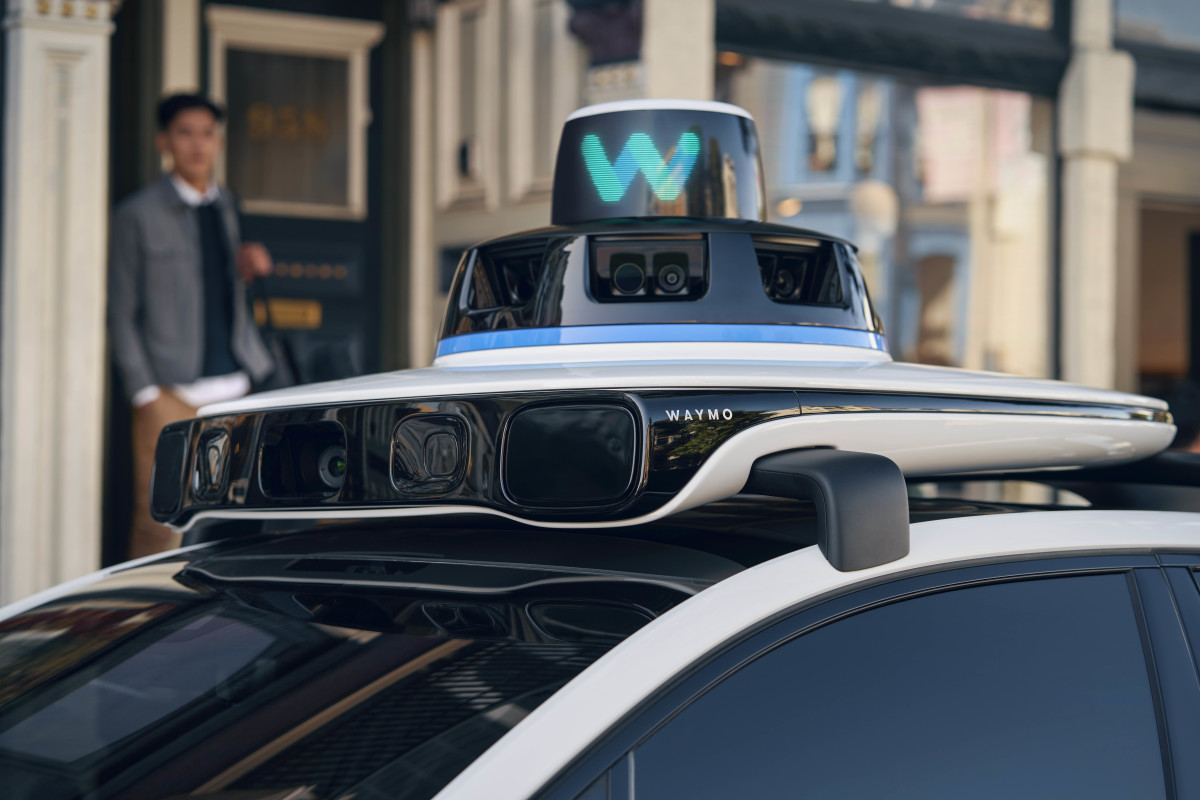
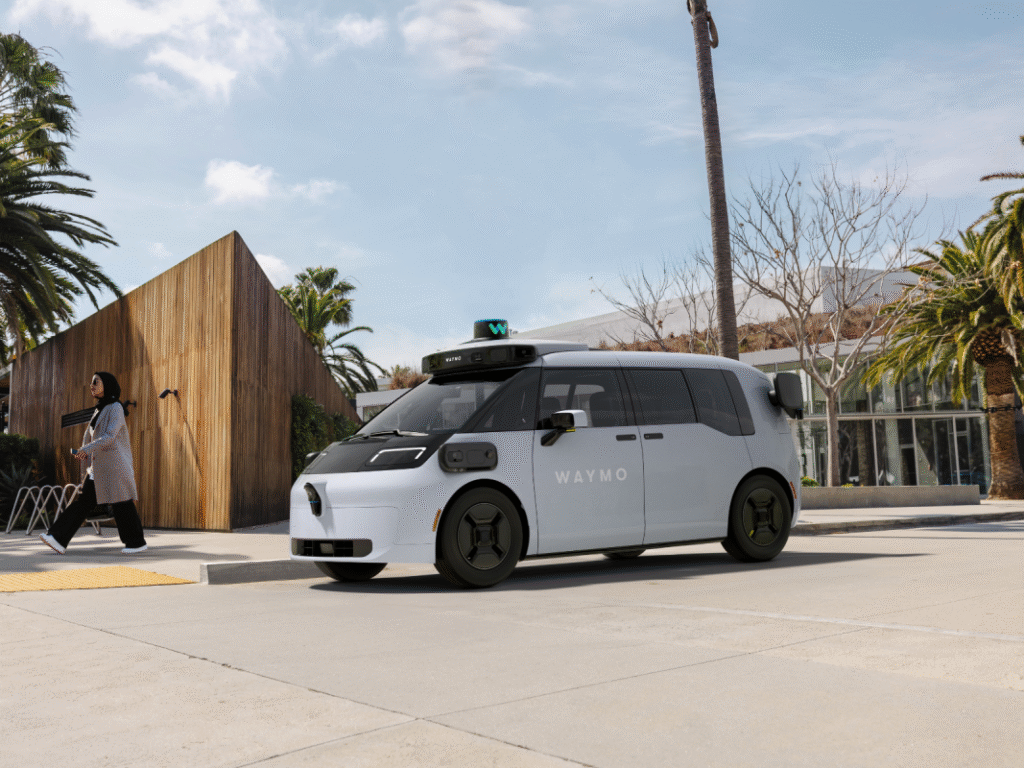
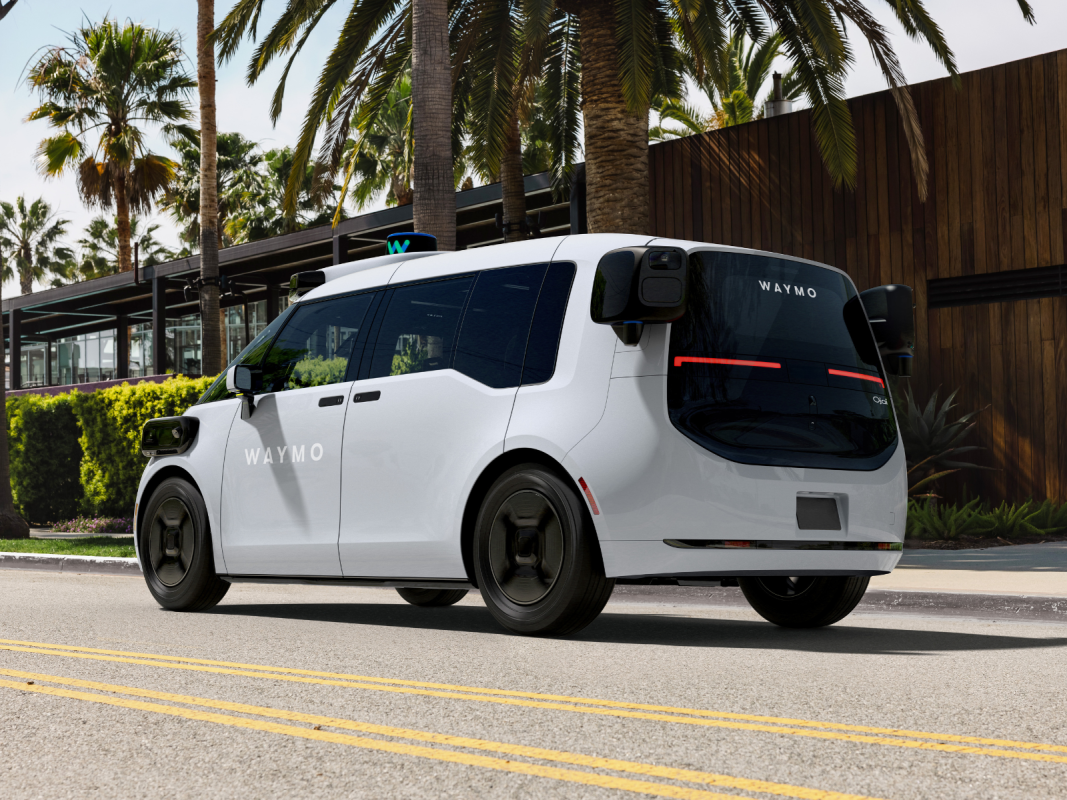
The Waymo Ojai is a purpose-built autonomous taxi made in cooperation with Geely subsidiary, Zeekr. It’s already drawing flack from the Government, as Zeekr is a Chinese automaker. The law states that no vehicle with autonomous or self-driving tech from China cannot be imported to America. Waymo says the Ojai, while built by a Chinese company, uses tech developed stateside.
But there were bigger questions about the use of remote workers abroad. When asked about human intervention in cases where the vehicle is stuck in a tricky situation, the company admitted that it uses operators based in the Philippines to resolve it. The answer was said to raise alarm bells during the hearing.
Alleged Safety Compromises
The Senate didn’t like the idea of vehicles being ‘controlled remotely’ from thousands of miles away. However, Waymo pointed out that the its cars are not under direct control of the operators, and it’s the on-board software that sorts everything out. Mauricio Peña, the Waymo’s chief safety officer, told the panel that the Filipino operators merely ‘provide guidance’ and ‘they do not remotely drive the vehicles.’ One can think of it as remote troubleshooting.
So, if you were expecting someone in Manila with a sim rig driving an unmanned taxi in San Francisco, we’re sorry to disappoint. It’s safe to assume that all of its robotaxis use actual software and not a dystopian version of a Mechanical Turk. Still, the overseas assistance raised several concerns to the panel. The Senate pointed out potential cybersecurity and latency issues, as well as the qualifications of said remote operators.
On that note, Waymo did say that there are remote operators based in the U.S, but failed to provide an exact ratio of foreign to domestic workers. And no, they’re not disguised as the front seats, either.
Recent Incidents
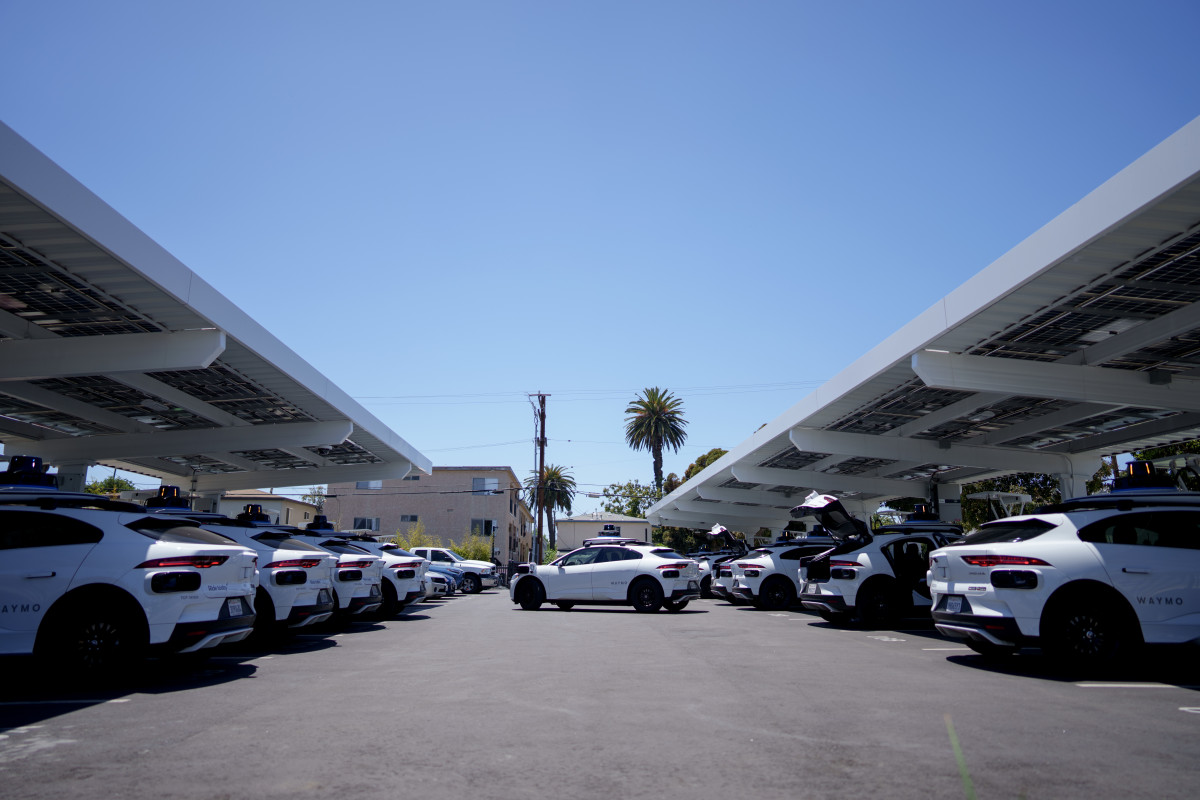
Waymo has had its fair share of untoward incidents in the couple of months. There were several reported instances of the robotaxi driving around school buses while unloading, and a three of them were involved in an odd standoff in a San Francisco cul-de-sac. The autonomous taxis also froze during a blackout in the city last December.
Then, just a few weeks ago, one of the cars struck a child in a school zone. Thankfully, the child survived with minor injuries, and NHTSA is currently investigating the matter. Most recently, a Waymo Ojai slammed into a row of parked cars near the Dodger Stadium. There were no reported passengers in the vehicle at the time.
Waymo