Building a Reputation
Honda in the 1960s were an engineering pioneer in the internal combustion space, driven by founder Soichiro Honda’s ‘engineering first’ philosophy. The proving ground for the company’s creations during this time was the Grand Prix Motorcycle Racing World Championship, where the realisation that several smaller, lighter pistons can be made to accelerate and change direction much faster than fewer larger and heavier ones led to the development of landmark engines like the 250cc inline four motor in the 1961 RC162 race bike, and the 250cc inline six in the 1966 RC166. These engines could spin way faster than the singles and twins of the time and dominated their classes — the RC166 made about 60 horsepower at 18,000 rpm, and won all 10 races it was entered in through 1966. It was with these high-revving, small-displacement, multi-cylinder motorcycle engines that Honda cemented their reputation for technical innovation and engineering excellence.
Honda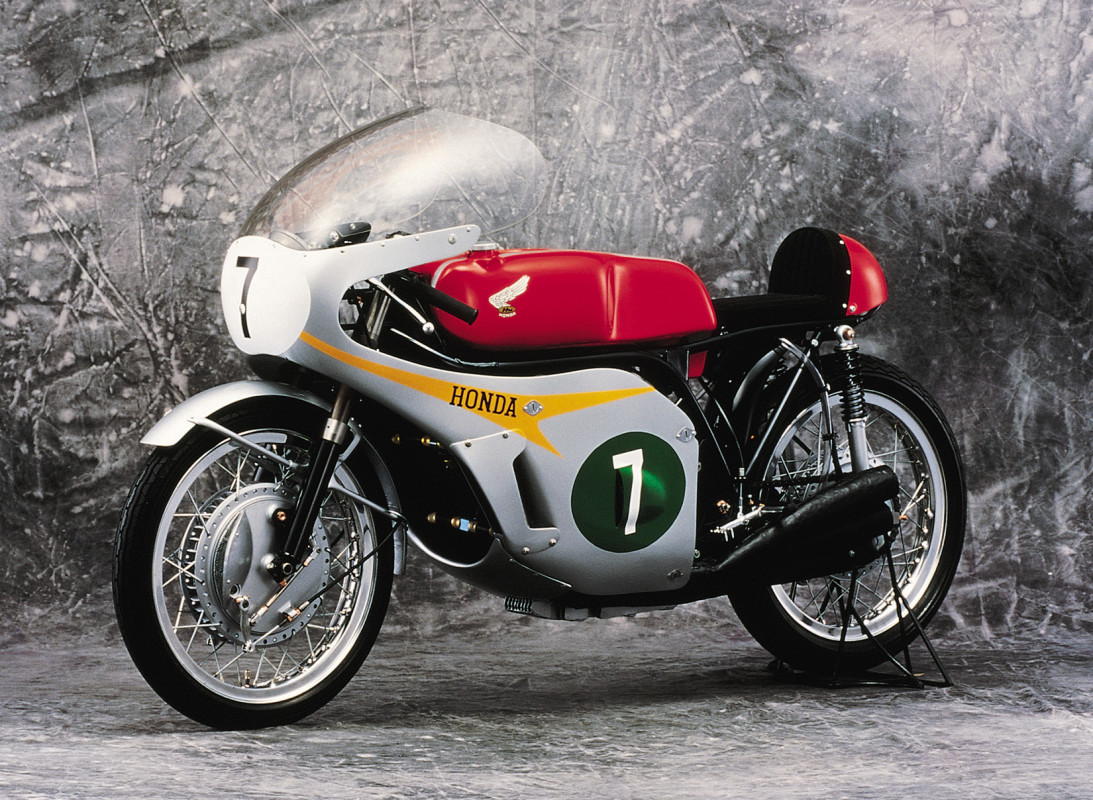
From Racetrack to Road
Honda used racing as a rolling laboratory of sorts, applying innovations developed in the heat of battle towards inspiring and refining their product line. The 1969 Honda CB750 Four, often considered the first ‘true superbike’, was a product of this philosophy. It was powered by an across-the-frame, four-cylinder, overhead-cam motor — a formula perfected on the racetrack with the RC162 earlier in the decade. The CB750 was highly sophisticated for its time and an instant success, once again reinforcing Honda’s reputation as an innovator and master of high-performance engines.
Honda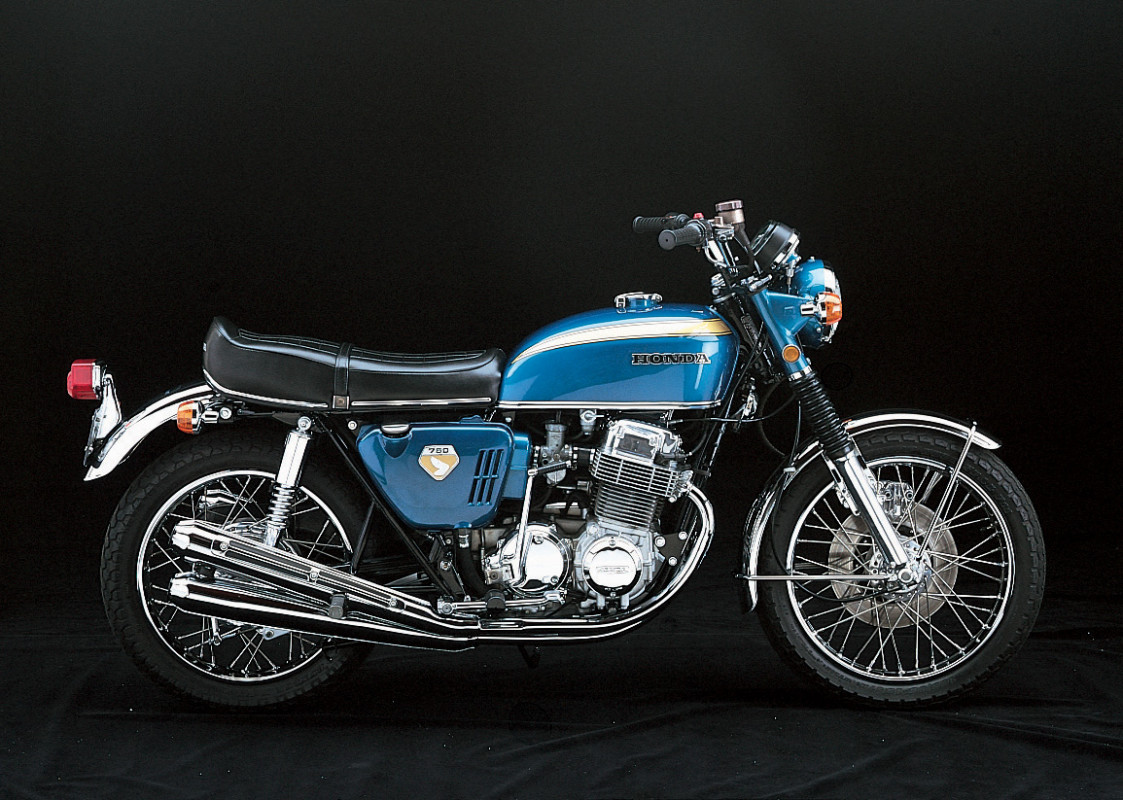
While the company continued to refine the CB750 through the 1970s, it didn’t introduce another exciting, high-displacement motorcycle through the decade. Instead, it relied mostly on the booming sales of its smaller commuter motorcycles and focused more on developing the automobile side of the business. Motorcycle enthusiasts, however, expected more high-performance innovation from Honda and wanted to see something special from the brand known for its engineering excellence. Honda took note and, in 1976, started working on a special project just to silence the critics.
youtube.com/@BrickHouseBuilds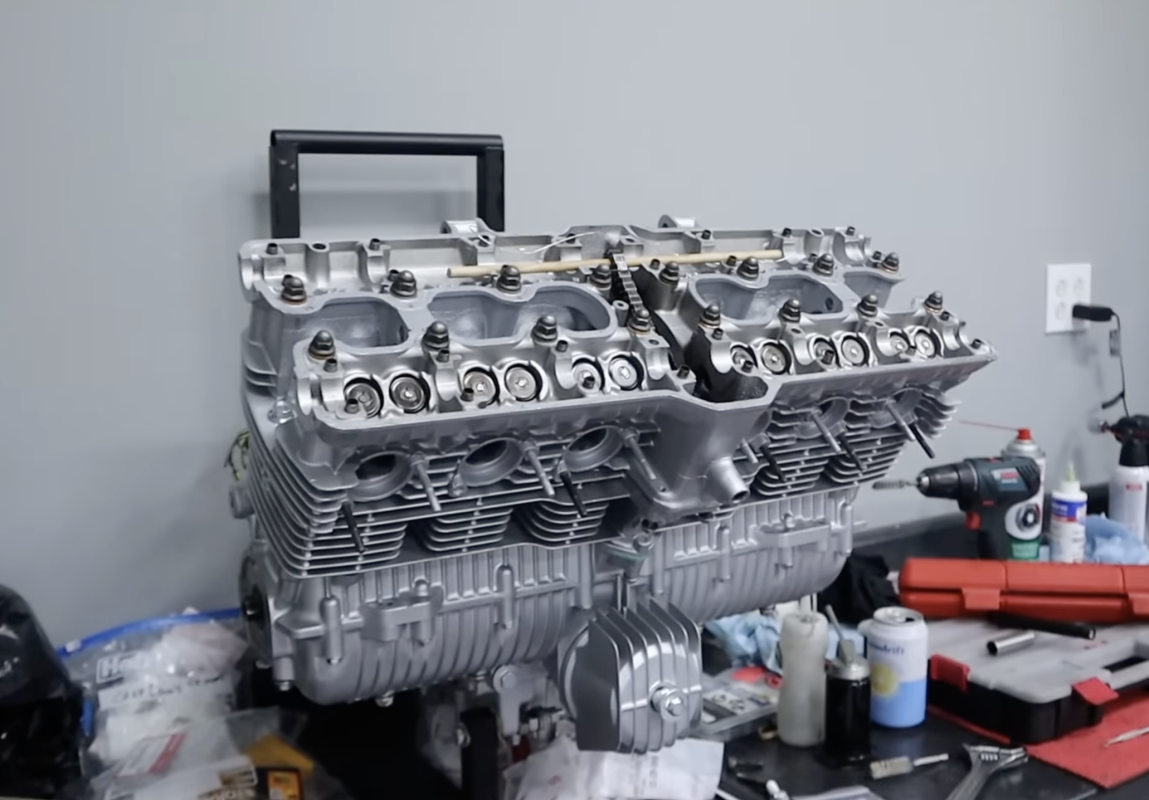
Creating the CBX
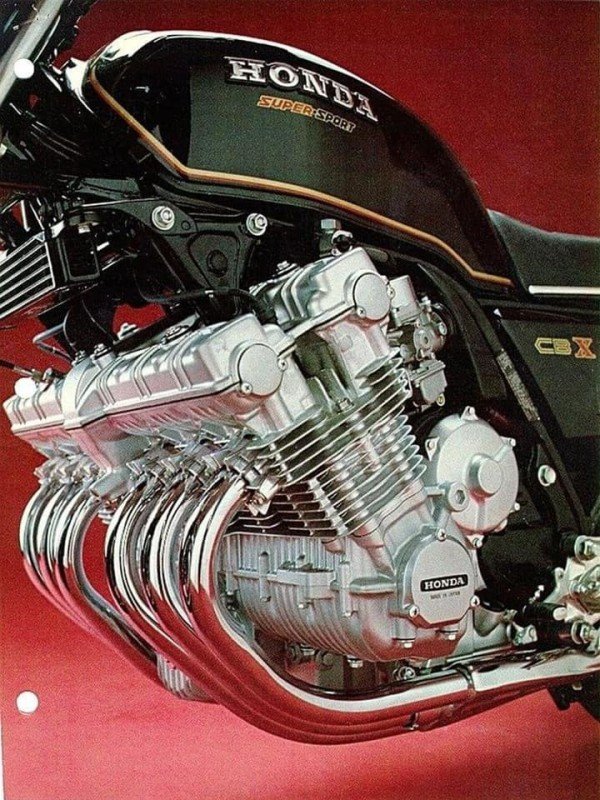
Honda’s goal with the CBX project was simple — create a large-displacement sporty street bike to showcase Honda’s technological superiority and engineering prowess, just as the CB750 Four had done a decade ago. Helming this project was lead engineer Shoichiro Irimajiri, the genius behind several of Honda’s multi-cylinder race engines of the ‘60s, including the dominant six-cylinder RC166. And just as the CB750 brought Honda’s four-cylinder tech from the racetrack to the road, Irimajiri decided that it was now time to really flex Honda’s engineering capabilities and create a six-cylinder road bike, using expertise gained from racing the RC166 all those years ago. When the Honda CBX1000 was finally revealed to the world in late 1978, all eyes were on that wide,1,047-cc six-cylinder engine mounted transversely across the simple steel frame.
youtube.com/@FortNine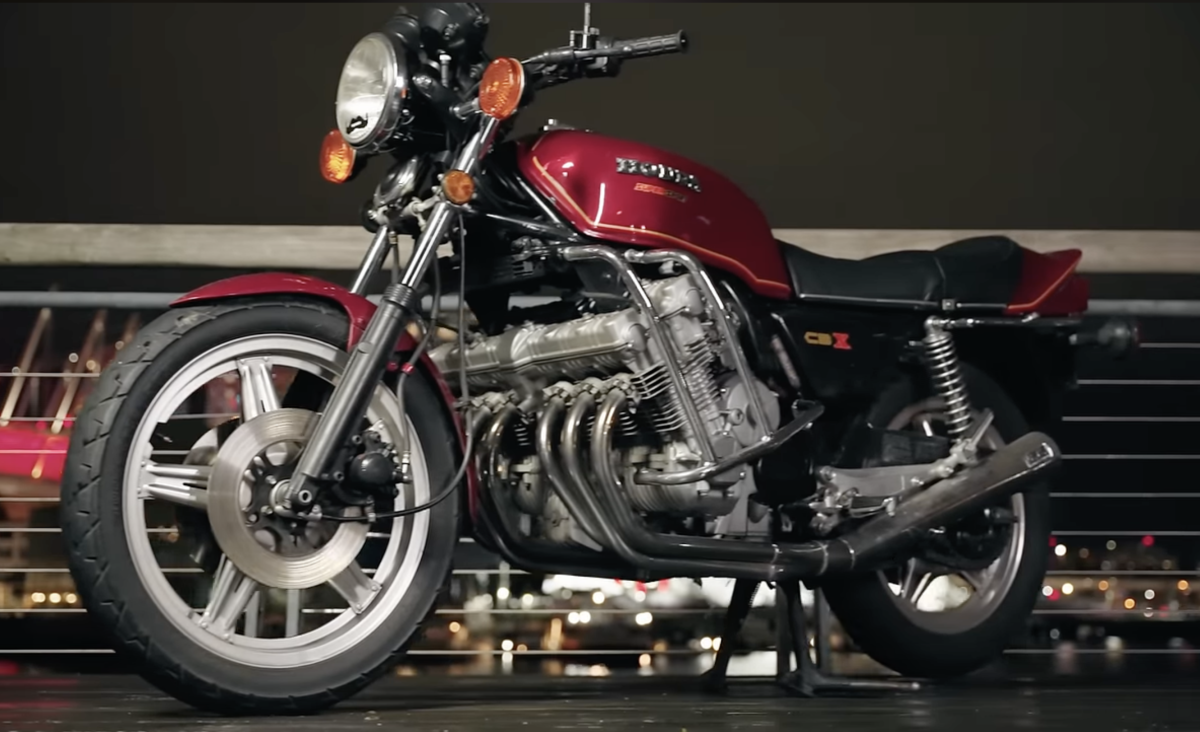
Reputation Rebuilt
The CBX1000 marked Honda’s return to cutting-edge innovation in the motorcycle space, renewing its reputation as a builder of performance machines. At its heart was a 24-valve, DOHC, inline six-cylinder engine that put out 105 horsepower at a lofty 8,000 rpm. The motor was fed through six 28mm Keihin CV carburettors and featured an innovative jackshaft design to position the alternator and clutch basket behind the block, rather than at the ends of the crankshaft. This kept overall width in check, and the finished engine was just about two inches wider than the CB750 motor, even though it sported two more cylinders and 250cc more displacement.
Honda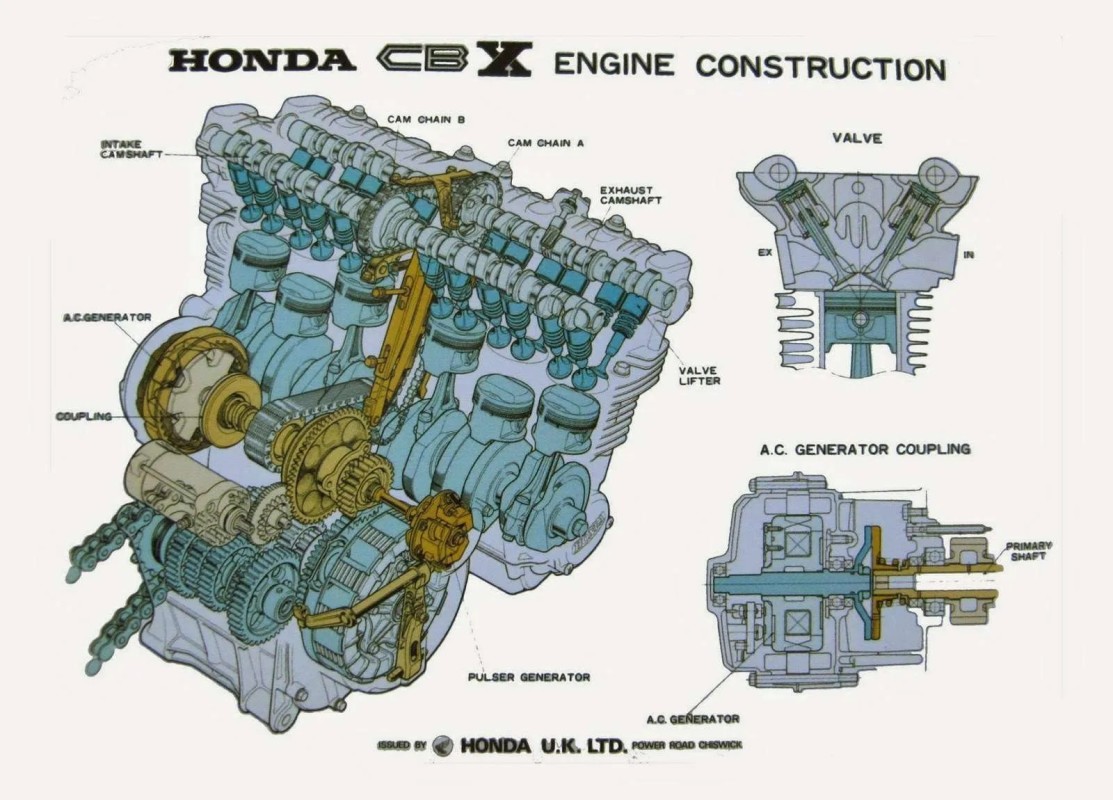
The engine, with its GP racing lineage, was powerful for the time, but also let riders experience the smoothness and refinement that only a perfectly balanced inline six can provide, and howled like a 1970s Formula 1 car when on the boil. Its oversquare design let it rev freely all the way to a 9,500 rpm redline, propelling the hefty 600 lb motorcycle to a 140 mph top speed in the process.
CBX Evolution
At its launch, the CBX1000 was positioned as Honda’s halo sport bike, but over the years, it evolved into more of a tourer. It received a fairing, saddlebags, and a more relaxed riding position. The engine was also detuned to 100 horsepower, in favour of stronger midrange torque, and the twin-shock layout was scrapped in favor of a more modern monoshock layout.
youtube.com/@dbbpowersports512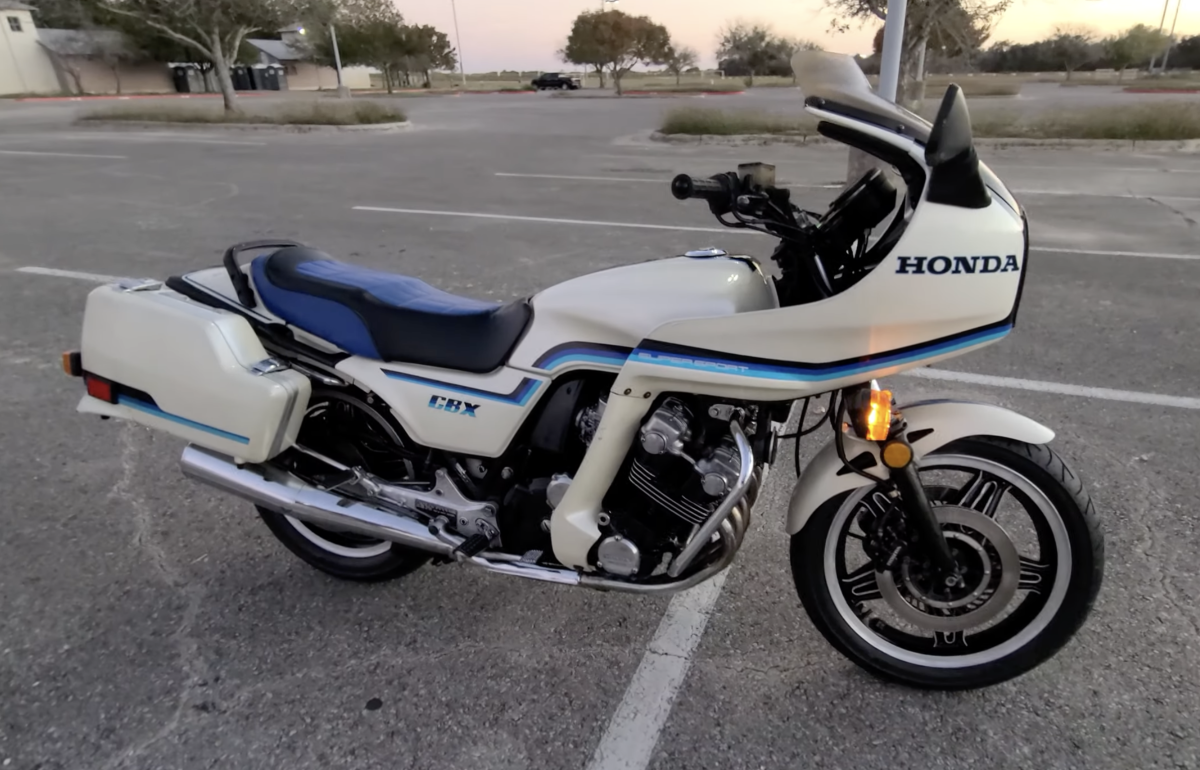
CBX Legacy
Honda sold its six-cylinder CBX1000 from 1979 to 1982 and while it may not have set sales charts on fire, it accomplished what it set out to do — restore Honda’s image as an innovator and creator of unique, high-performance engines. The CBX was a big, heavy motorcycle and not always practical, but it wasn’t meant to be. It was created to prove a point, without regard to practicality, and to give riders a taste of what Honda was capable of. Today, examples of the CBX1000 are highly sought after collector’s items, especially since well-maintained bikes in original condition are becoming extremely rare. Ultimately, the CBX1000 serves as a rolling reminder of what happens when Honda’s engineering first philosophy is given free rein. Few bikes before or since have made such a bold mechanical statement.