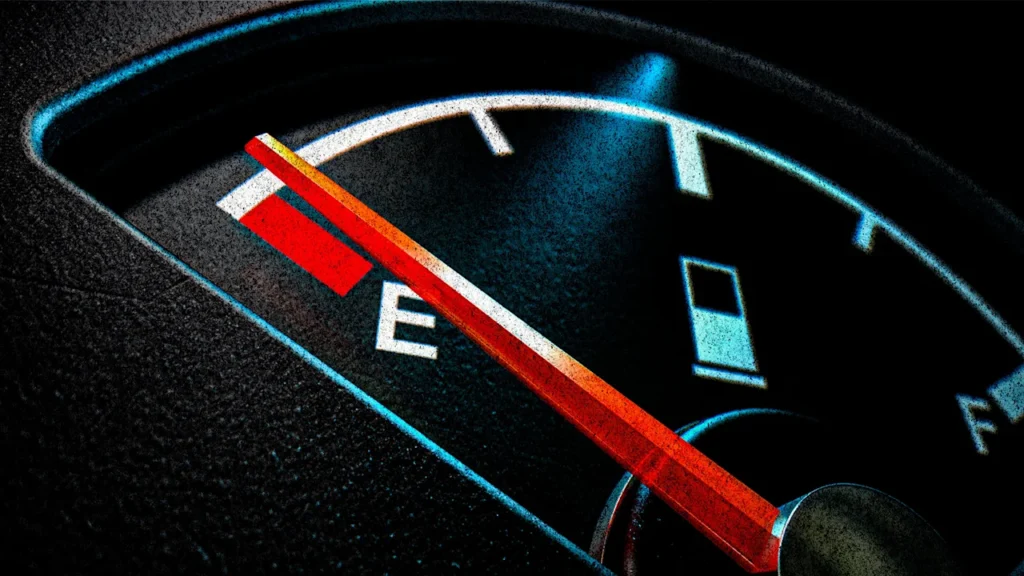
When—and if—gas prices are coming back down is the million dollar (or, should we say, billion dollar) question.
On average, gas is about $4 a gallon, with diesel at $5 a gallon, although prices vary nationwide, especially from coast to coast, as this up-to-date map from AAA shows.
The highest prices are on the West Coast, with California ($5.84) and Washington ($5.30) leading the way. The cheapest gas prices are in the Midwest Heartland ($3.27 in Kansas). The Northeast hovers around the national average ($3.92 in New York).
“This is worrisome, especially for those who have the least ability to weather the storm,” Diane Swonk, chief economist at KPMG, told CNN.
War in Iran
While it is too early to tell what the fallout will be from the Iran War, it’s currently one of the biggest indicators that could determine whether U.S. gas prices continue to spike.
The long term fallout from the Iran war will depend on how long the war drags out, the damage done to the region’s energy infrastructure, and whether Tehran will block oil from the Strait of Hormuz, a key oil trade route that Tehran has threatened to cut off permanently. Keeping the Strait open is crucial if the U.S. wants to keep oil flowing out of the region.
Now, critics are blaming Trump for not anticipating Iran’s threat. And while Trump’s decision to hold strikes on Iran earlier this week had some hoping the war could be ending soon, negotiations are still ongoing.
It takes two to TACO,” head of global commodity strategy at RBC Capital Markets Helima Croft told CNN, referring to the acronym Trump Always Chickens Out (TACO), meaning that Trump often backs off of his threats.
“I don’t buy that it is the beginning of the end [of the war],” Croft said.
Are we headed to another war in Cuba?
Meanwhile, another factor is how a potential war with Cuba could affect oil prices. (Prices are now hovering at about $95 a barrel.)
On Sunday, a top Cuban official said the country is “preparing” for the possibility of U.S. military aggression.
That’s after the U.S. cut Cuba’s oil supply earlier this year and Cuba’s national electricity grid collapsed again last week, leaving hospitals dependent on generators and 10 million people without power.