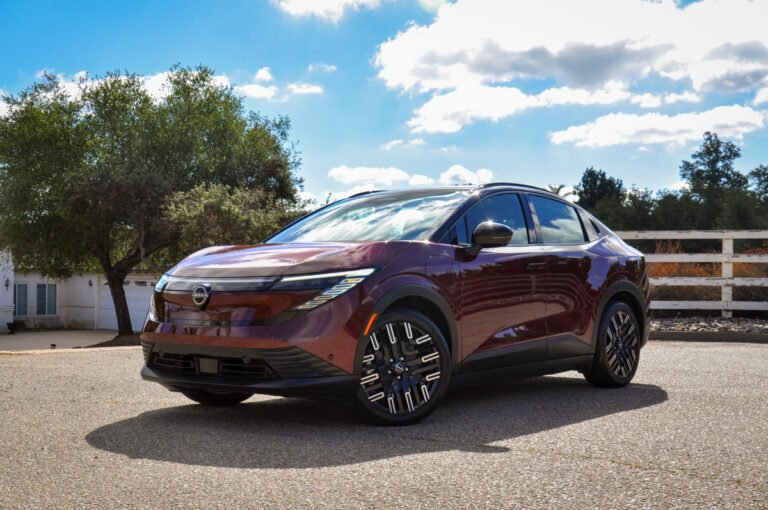
The Rogue, the Outlander, and a Twist You Probably Saw Coming
The Nissan Rogue and Mitsubishi Outlander don’t look alike on the street, but under the skin, they share the same CMF-CD platform. Each brand treats its version differently, styling and tuning them to appeal to different audiences. Both nameplates sell well, and now both come in regular gasoline and plug-in hybrid flavors. That’s where things should have gotten interesting for Nissan – because in theory, the Rogue already sits on a platform that can take a PHEV setup, just like the Outlander does.
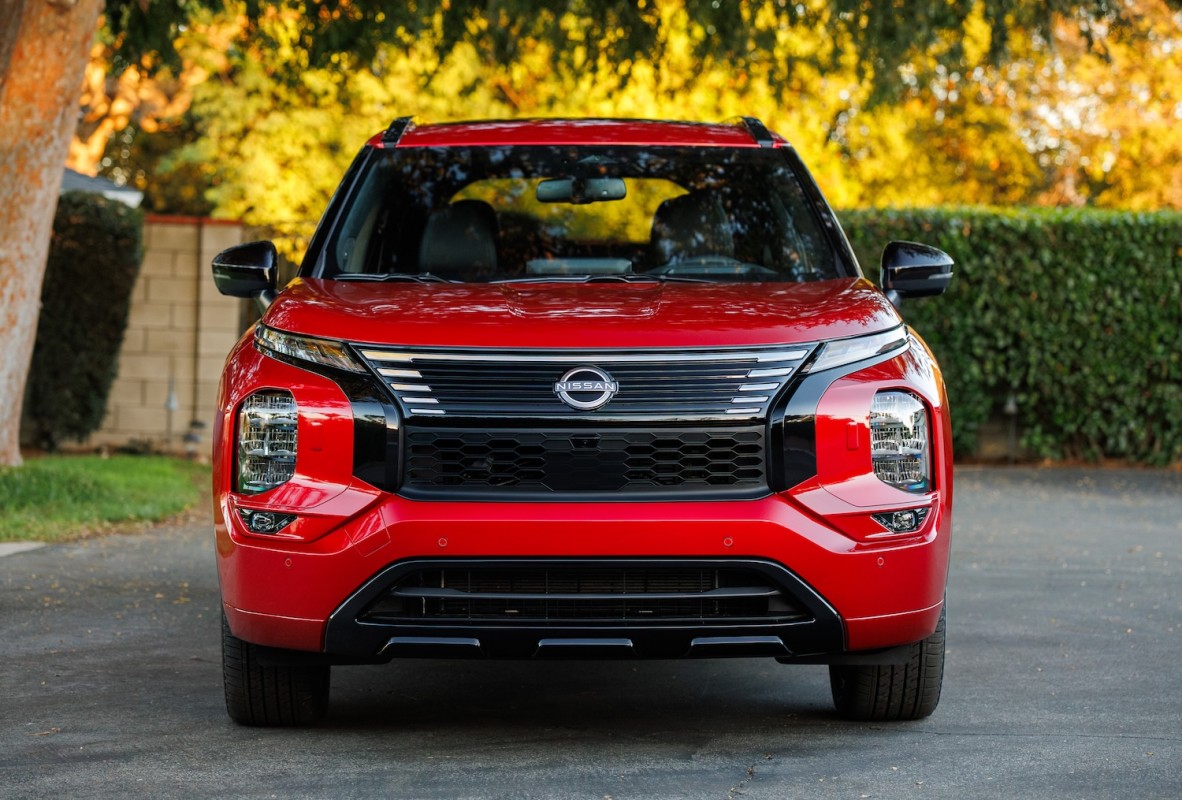
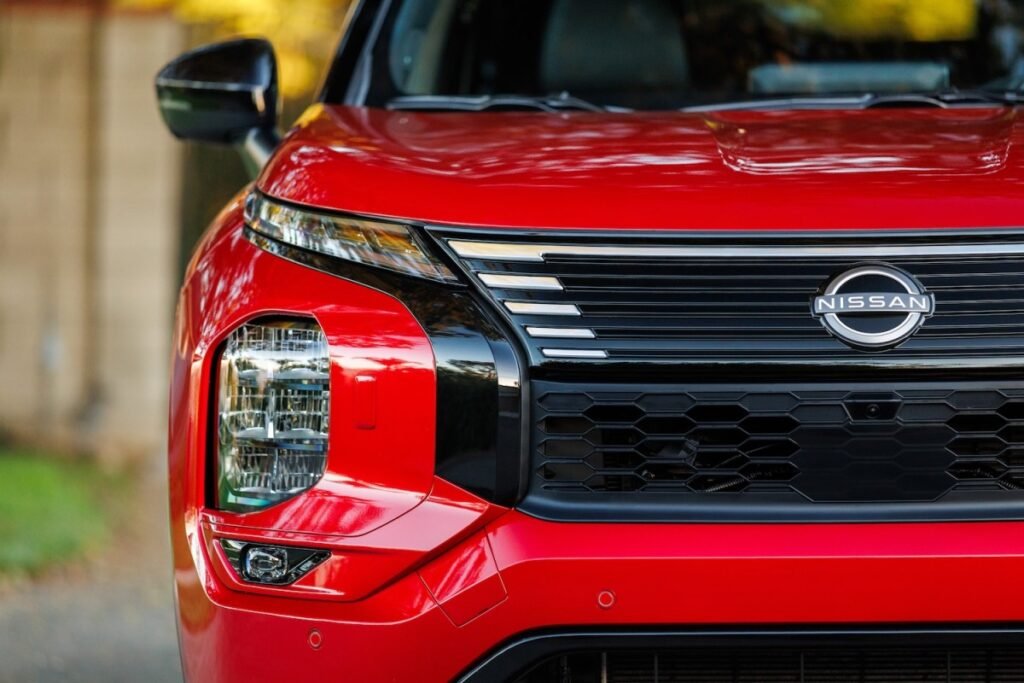
But instead of engineering a Rogue-based plug-in hybrid, Nissan went for a simpler play. What rolled out with a Rogue badge is, at its core, a Mitsubishi Outlander PHEV. The proportions, the stance, the body lines, even the greenhouse – everything points straight to Mitsubishi’s side of the garage. Nissan swapped in a new grille and some lighting tweaks, but the resemblance is about as subtle as a borrowed jacket that’s clearly not your size.
It raises a pretty basic question: why this route? But before digging into that, it’s worth looking at what the Nissan-badged Outlander – sorry, Rogue Plug-in Hybrid – actually brings to the table.
Nissan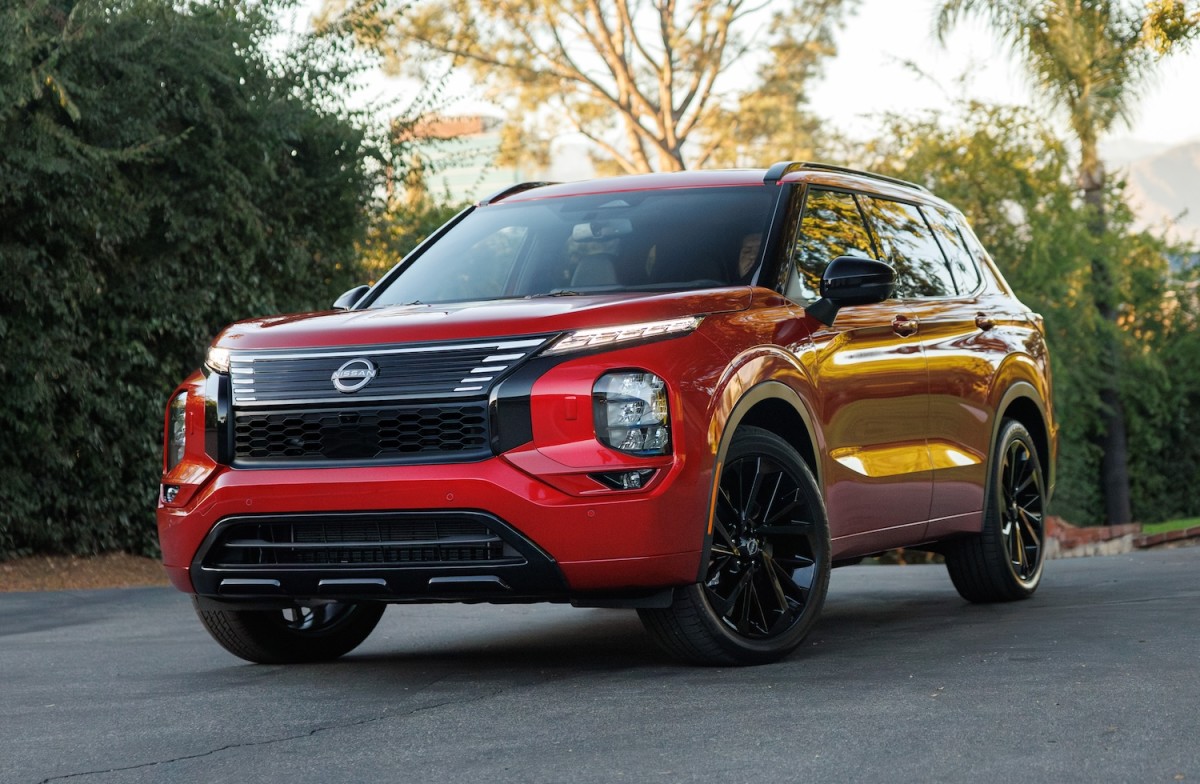
Exterior & Interior – A Very Familiar Vibe
The exterior treatment tries to align with Nissan’s current design language, but the shape underneath is unchanged. You still get that tall, muscular Outlander stance. The new headlights and trim pieces do help give it a Nissan front end, but from the side or rear, you can’t miss where this SUV originally came from.
Inside, the déjà vu effect is even stronger. The dashboard layout, seating arrangement, and overall cabin structure come straight out of the Outlander playbook. Nissan added its own infotainment software and some brand-specific touches, but the bones are the same. The three-row layout returns, giving seating for seven, which is something the regular Rogue doesn’t even offer. Cargo space and cabin flexibility stay aligned with the Mitsubishi setup, too, right down to the clever storage pockets and fold-flat solutions.
Feature-wise, it’s well-equipped. A 9-inch touchscreen, a 12.3-inch digital cluster, wireless Apple CarPlay, available head-up display, Bose audio, and plenty of power outlets cover most bases. It’s a familiar cabin because, well, it is.
Nissan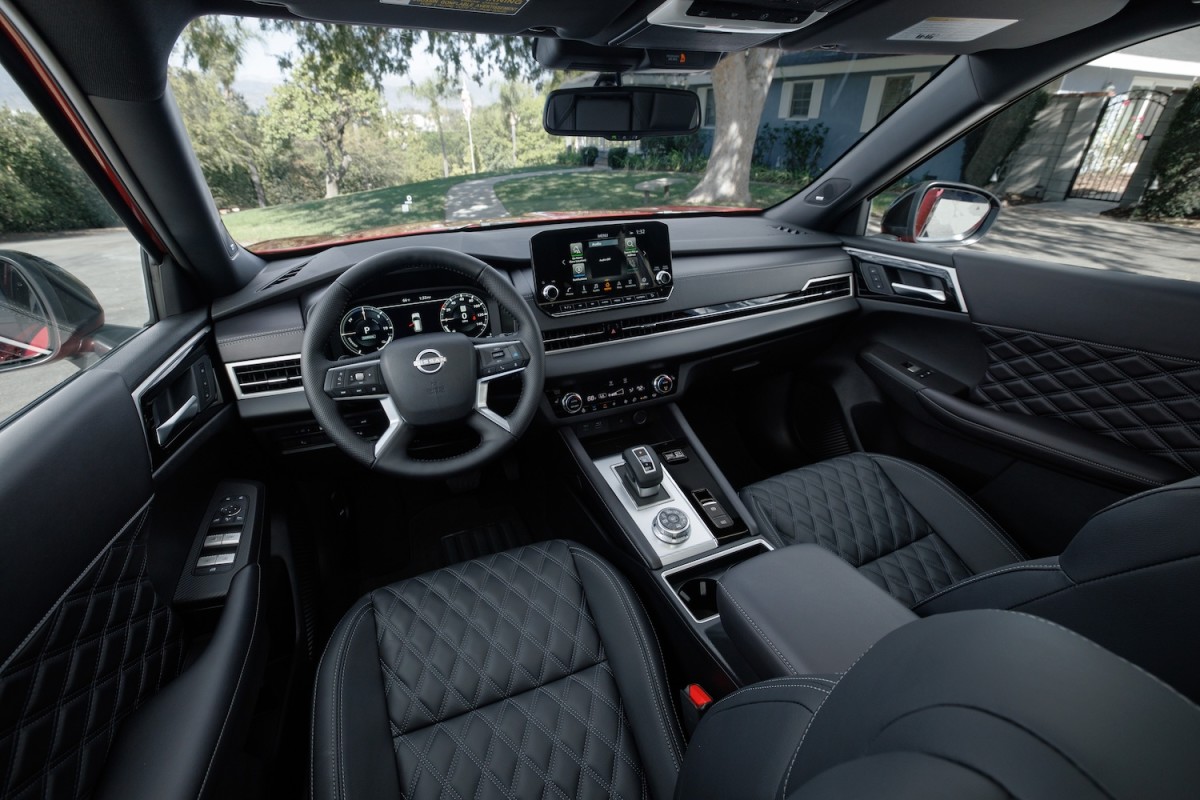
A Straight Outlander PHEV transplant
Pop the hood and the Mitsubishi fingerprints continue, which shouldn’t surprise anyone. Two electric motors, a 20-kWh battery, and a 2.4-liter engine combine for 248 horsepower and 332 lb-ft. The electric-only range sits at around 38 miles, while the total range is about 420 miles. AWD is standard, and the EV/Save/Charge modes are carried over. Charging on Level 2 takes roughly 7.5 hours. The drive modes – Normal, Power, Eco, Tarmac, Gravel, Snow, Mud – are also straight from Mitsubishi’s setup.
The fuel economy numbers match what you’d expect from the Outlander PHEV, too: 64 MPGe, then 26 mpg once the battery runs out.
Nissan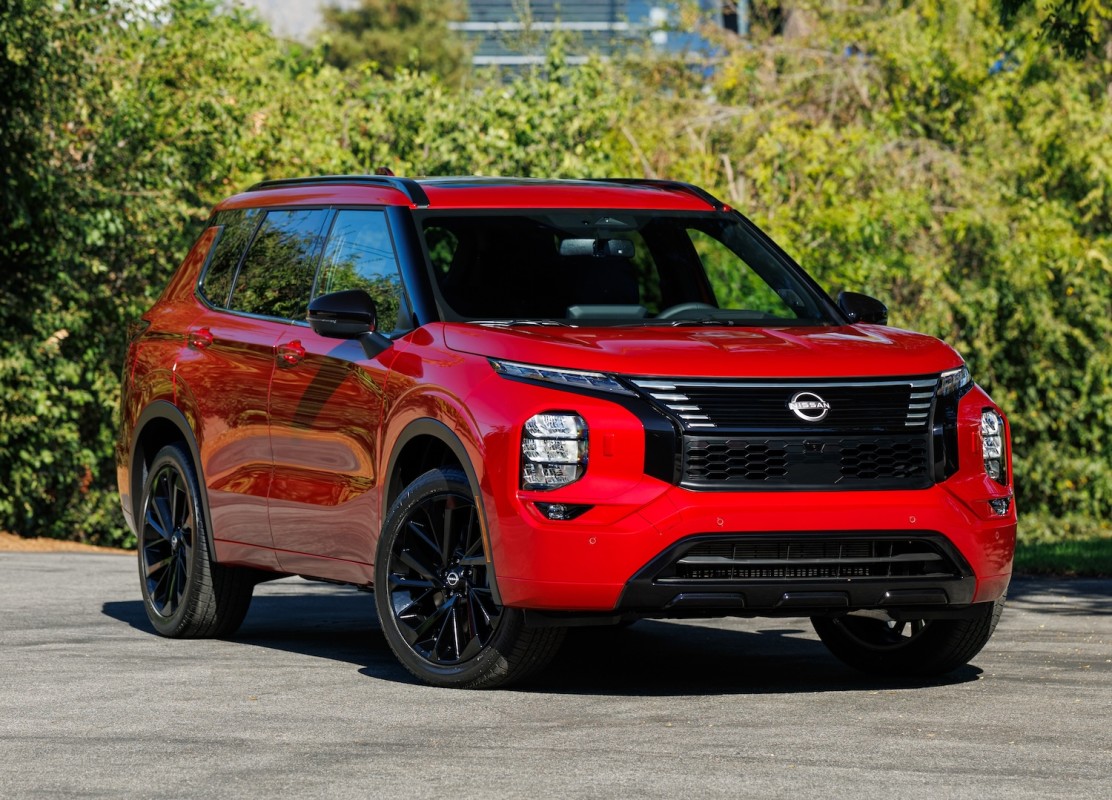
Our Take – It’s All About the Costs
This is classic badge engineering – the kind people joke about but rarely see this plainly anymore. With no official explanation yet, the most obvious answer is cost. Making a Rogue-specific PHEV would take a lot of money and time, and with a market that’s ripe for hybrids, timing is essential. Simply reworking an existing Mitsubishi saves both.
This isn’t Nissan’s first walk down this path. Released within this decade, the Livina in Southeast Asia was revived, but it’s basically a Mitsubishi Xpander with a Nissan nose. That one didn’t pan out. Sales horribly tanked, and leftover stock had to be (forcibly) distributed across markets just to clear inventory.
Whether the Rogue Plug-in Hybrid ends up in the same situation depends on how American shoppers respond. The American market is different from ASEAN, and buyers in this segment tend to care more about availability and pricing than platform origins. So the Rogue Plug-in Hybrid might do fine. But the bigger question: Is Nissan comfortable letting another brand define the look and feel of one of its electrified products? Or is this just a filler model until the next-generation Rogue arrives with a plug-in hybrid variant that has its own identity?
Nissan