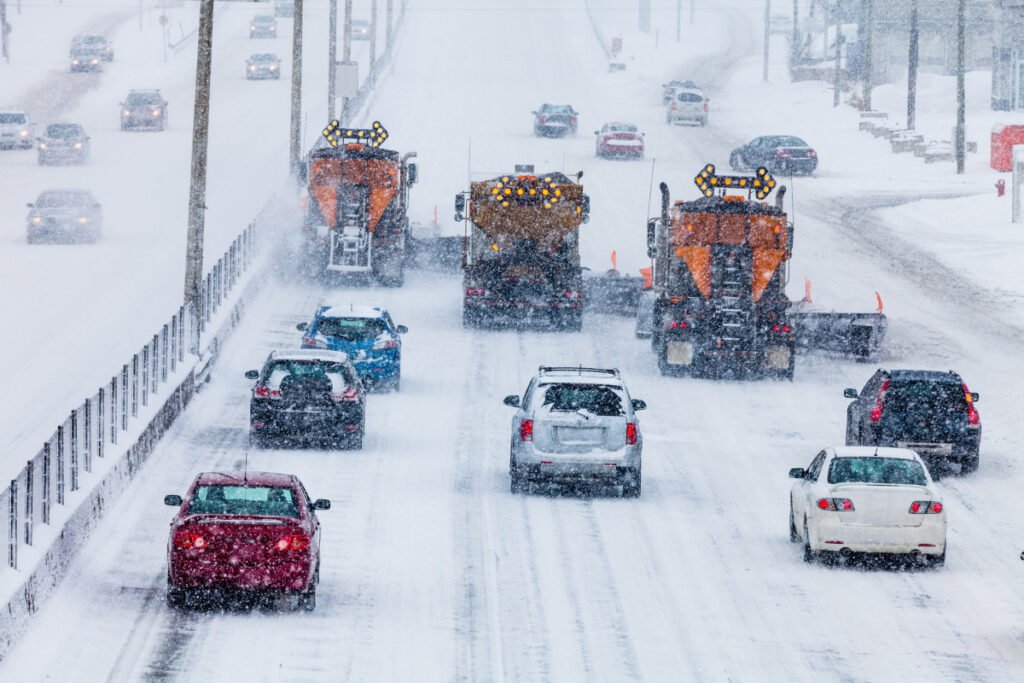
As we head into the second week of March, several significant weather systems are creating hazardous driving conditions across the United States.
Travelers planning a road trip or a daily commute through the Pacific Northwest, the Colorado Rockies, or near the Great Lakes should prepare for severe winter weather and potential road closures.
The National Weather Service is strongly advising all drivers to carry a winter emergency driving kit, including tire chains, a flashlight, blankets, and extra water.
Washington Cascades Face Heavy Snow and Low Visibility
A major winter storm is hitting the Washington Cascades, bringing dangerous driving conditions to critical mountain passes. The National Weather Service has issued Winter Weather Advisories for the area lasting through Tuesday, with a Winter Storm Watch extending into Friday.
Accumulations of 8 to 14 inches are expected at elevations between 3500 and 4500 feet. This severe weather will particularly affect Stevens Pass, Snoqualmie Pass, and White Pass.
Drivers on Interstate 90 and Highway 2 should expect significant delays, slick roads, and near whiteout conditions due to wind gusts reaching up to 55 mph. If you must travel, authorities advise you to reduce your speed significantly and prepare for sudden temporary road closures.
Getty Images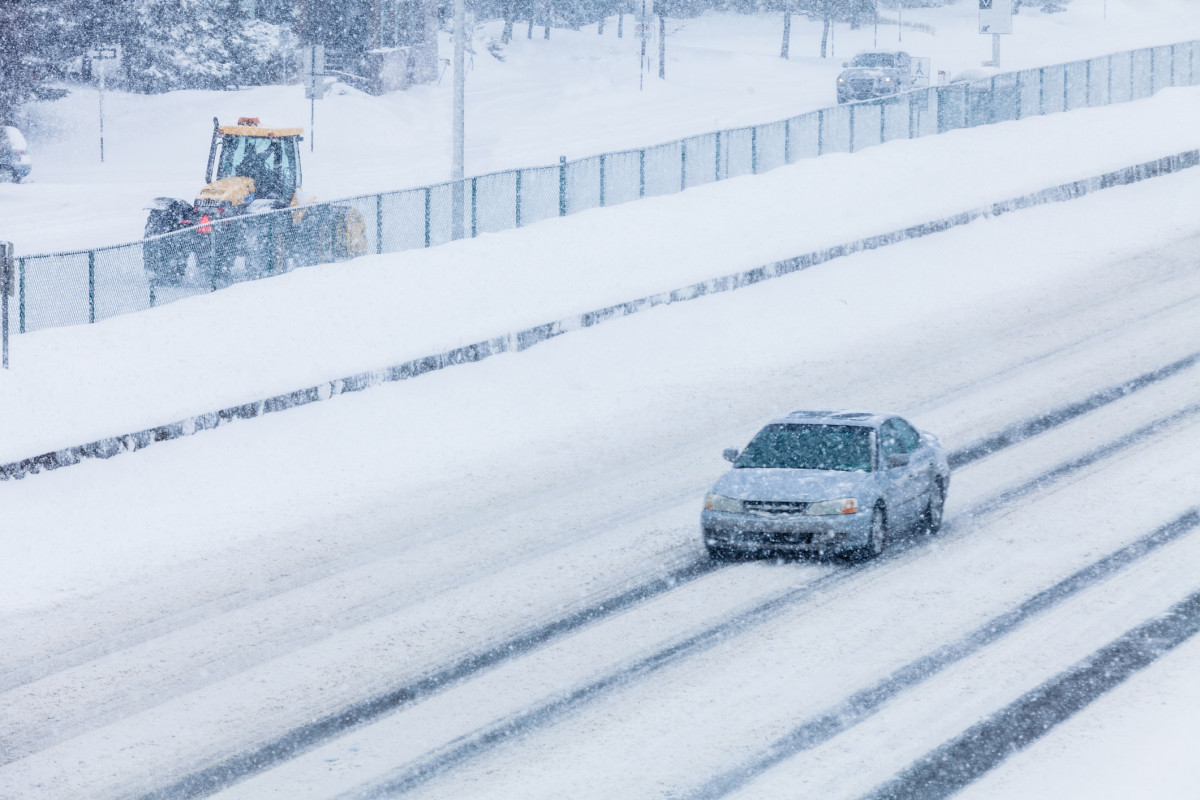
Colorado Rockies and Interstate 70 Corridor See Significant Snowfall
Travelers heading through Colorado should prepare for challenging conditions along the heavily trafficked Interstate 70 corridor. A winter storm has already dropped measurable snow in the Denver metro area, but the most severe impacts are concentrated in the foothills and mountains.
Forecasters predict 6 to 15 inches of snow, with the heaviest amounts falling along and south of Interstate 70. The Eisenhower Tunnel area is expected to see about a foot of snow, making traction laws and slower speeds a certainty.
Commuters and ski traffic alike will need to exercise extreme caution. Slushy and snow-packed roads will persist through the early part of the week.