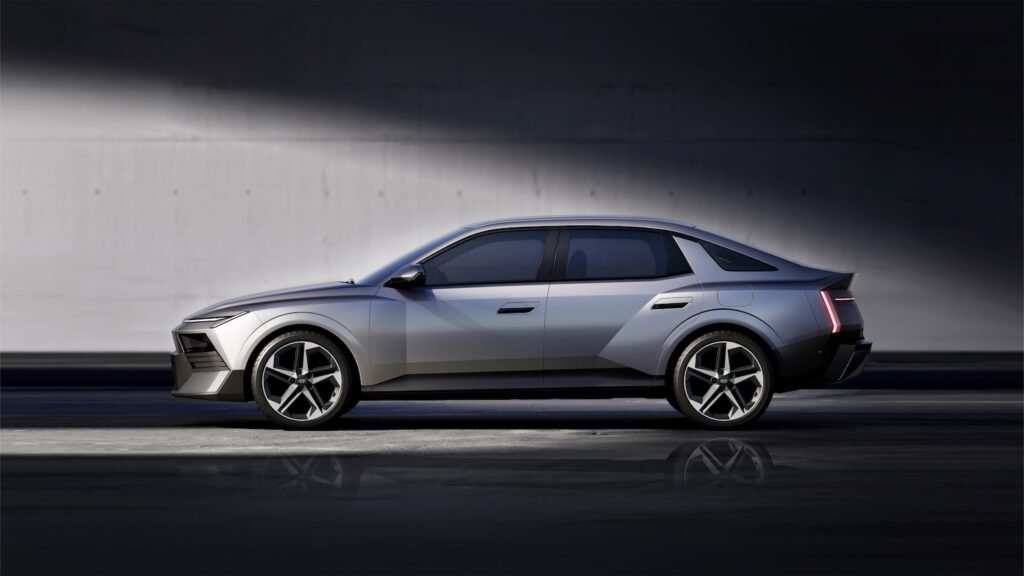
The redesigned Elantra is a roomier and more techy, with a stronger hybrid version. Hyundai has unveiled a completely redesigned 2027 Hyundai Elantra, as well as an all-new 2028 Elantra Hybrid, at the 2026 Los Angeles Auto Show.
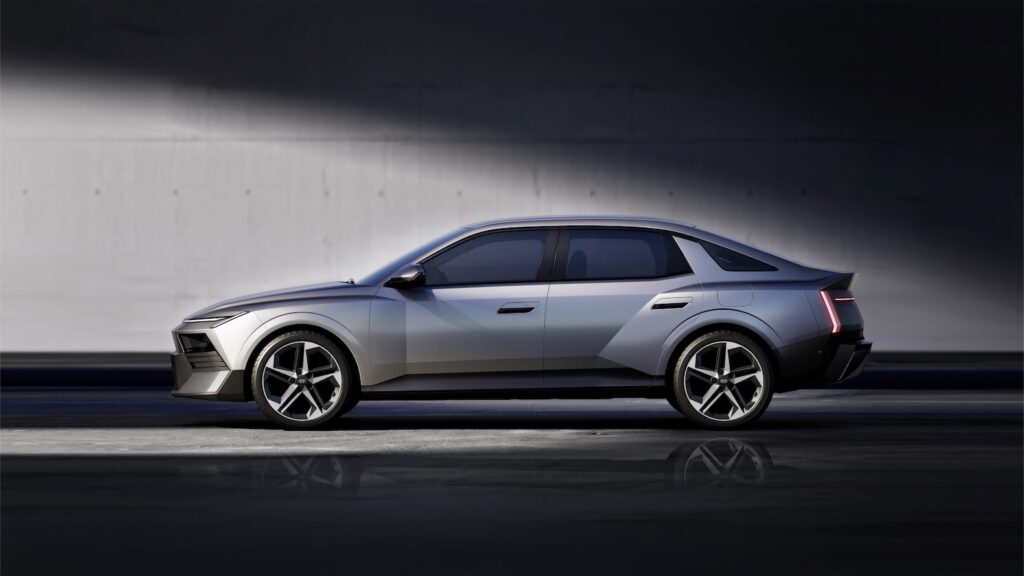
The Elantra now has a more striking design and a roomier interior, while also adding new tech features. The new Elantra also moves closer to a midsize sedan with its eighth-generation redesign, while the new hybrid version will now offer more power and up to 53 mpg of combined fuel economy.
The 2027 Hyundai Elantra is arriving at a time when compact sedans face tough competition from small SUVs. But Hyundai is not ready to ditch the segment and has decided to give one of its most popular nameplates a significant overhaul with a new design, a roomier interior, and more tech features.
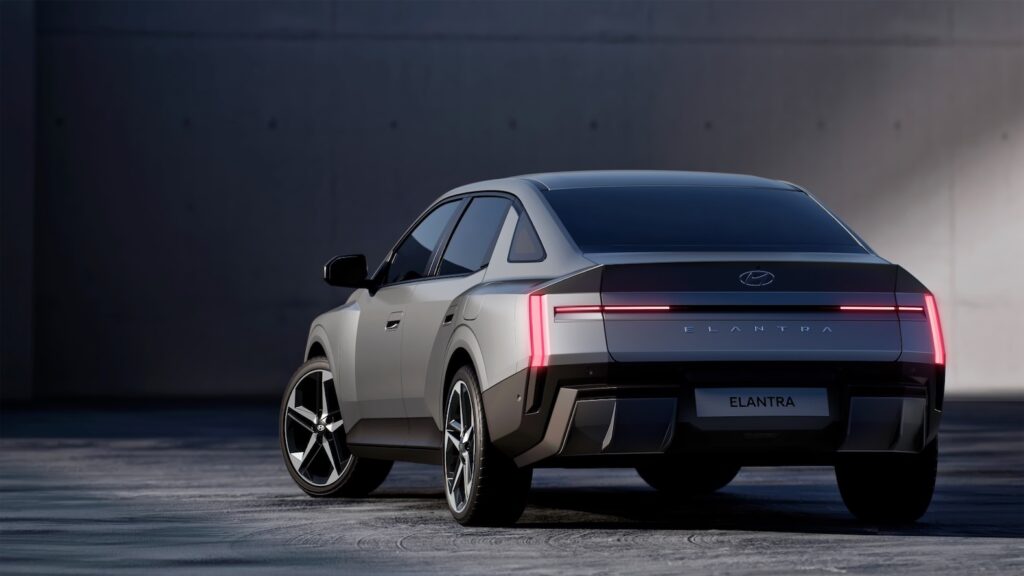
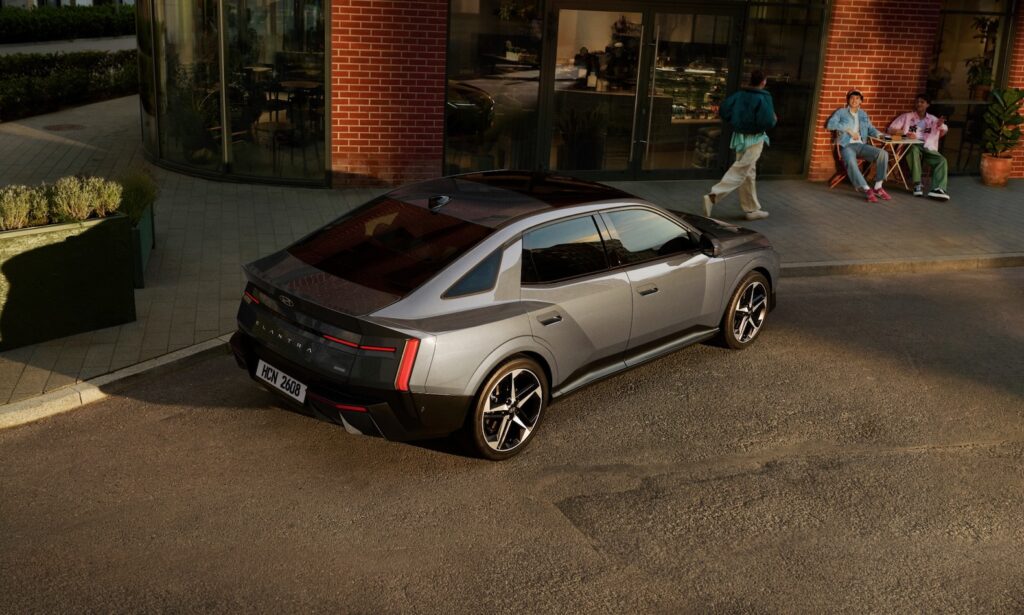
The redesigned Elantra’s new look is one of the most noticeable changes. The 2027 Elantra has adopted Hyundai’s new design language of Art of Steel, replacing the old model’s creased bodywork for a more muscular and sophisticated look. The new Elantra has a longer hood, wider fenders, and more traditional 3-box styling to give it a more substantial look. But the car still has a futuristic look with its sleek roofline and unique lighting.
The Elantra also has a new, larger design. The 2027 Hyundai Elantra is now 188.8 inches long and 73 inches wide, which makes it 3.4 inches longer and 1.2 inches wider than before. The new Elantra also has a 1.2-inch longer wheelbase, now measuring 108.3 inches. Despite this larger exterior, the Elantra still has an aerodynamic body with a 0.26 coefficient of drag on both the gasoline and hybrid versions.
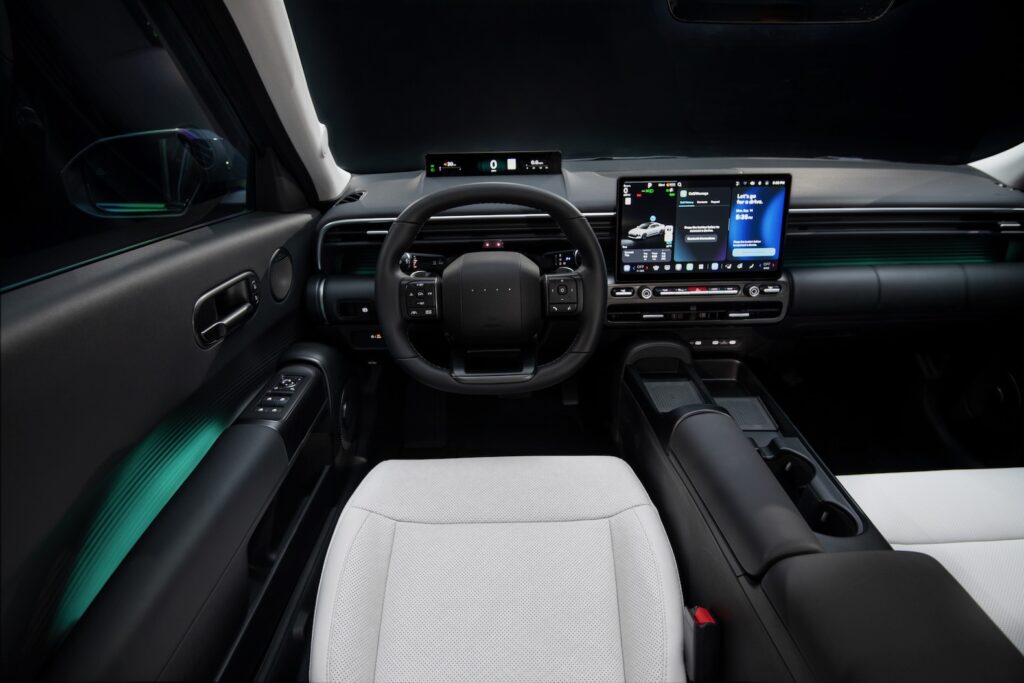
The new Elantra also has a larger interior than before, especially for the rear passengers. The new Elantra now offers best-in-class rear passenger space, according to Hyundai, with 39.1 inches of rear legroom. The Elantra’s rear headroom is 37.7 inches, while it also has more shoulder room at 56.5 inches.
The new Elantra also has slimmer front seatbacks to offer more rear knee room.
The standard 2027 Hyundai Elantra will be powered by a 2.0-liter, naturally aspirated four-cylinder engine with an estimated 147 horsepower and 132 pound-feet of torque, mated to a CVT transmission. The new transmission has a wider ratio range and less internal friction for improved performance. The new Elantra will offer up to 35 mpg of combined fuel economy with 16-inch wheels, according to Hyundai.
But the more interesting change is the 2028 Hyundai Elantra Hybrid, which is now equipped with a new 1.6-liter four-cylinder hybrid system with an estimated combined output of 155 horsepower. This is an increase from the previous Elantra Hybrid, which had a combined 139 horsepower.
The Elantra Hybrid’s increased output is the result of a more powerful electric motor, which is now rated at 45 kW compared to the previous model’s 32 kW. The Elantra Hybrid also has a larger hybrid battery with a 1.49 kWh capacity compared to 1.32 kWh before. Unlike many other hybrids that use a CVT transmission, the Elantra Hybrid still uses a six-speed dual-clutch automatic.
But despite the power boost, the Elantra Hybrid still has up to 53 mpg of combined fuel economy, according to Hyundai.
The Elantra Hybrid also has Hyundai’s new Smart Regenerative Braking 3.0 system. This allows the driver to adjust the level of regenerative braking from behind the steering wheel, with paddles. When set to the strongest setting, the system can stop the car completely, giving the Elantra Hybrid one-pedal driving like many electric cars.
Hyundai also adds a new Stay Mode, which Hyundai says is exclusive in its class. Using the power saved in the hybrid battery, the Elantra can power various items, such as the climate control, audio system, interior lights and charging ports, for about 20-30 minutes while the vehicle is parked with the gasoline engine off.
Stay Mode would be a nice feature to have while waiting in the car, such as at the airport or on a road trip.
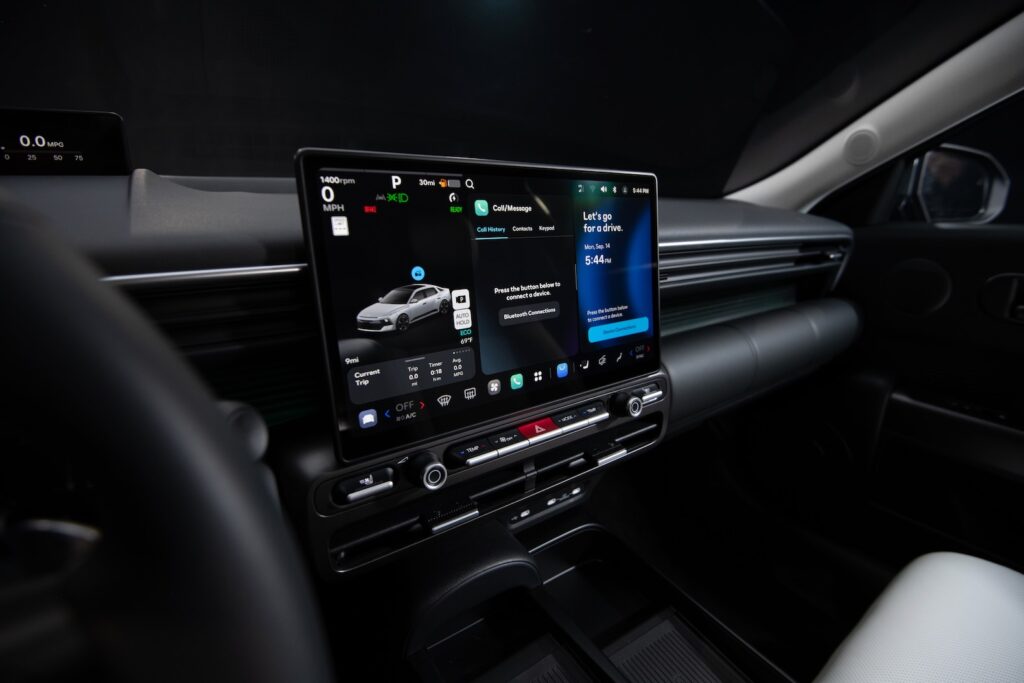
The redesigned Elantra is a big step up inside, as Hyundai equips it with the new Pleos Connect infotainment system. The system, which is based on the Android Automotive OS, has a large, 12.9-inch Full HD touchscreen as standard. The interface can be customized to the user’s liking, and it has wireless Apple CarPlay and Android Auto integration. The system also has cloud connectivity and can be updated over the air.
Hyundai is also introducing the Gleo AI voice assistant, which is powered by a large language model, allowing for a more natural conversation and ability to understand multiple commands. It can be used to control certain functions in the vehicle and perform searches online, without having to be directed by specific voice commands.
Thankfully, Hyundai hasn’t made the Elantra entirely dependent on touchscreens. There are still physical buttons and knobs to control some of the features that the driver might frequently need, like the climate and audio controls.
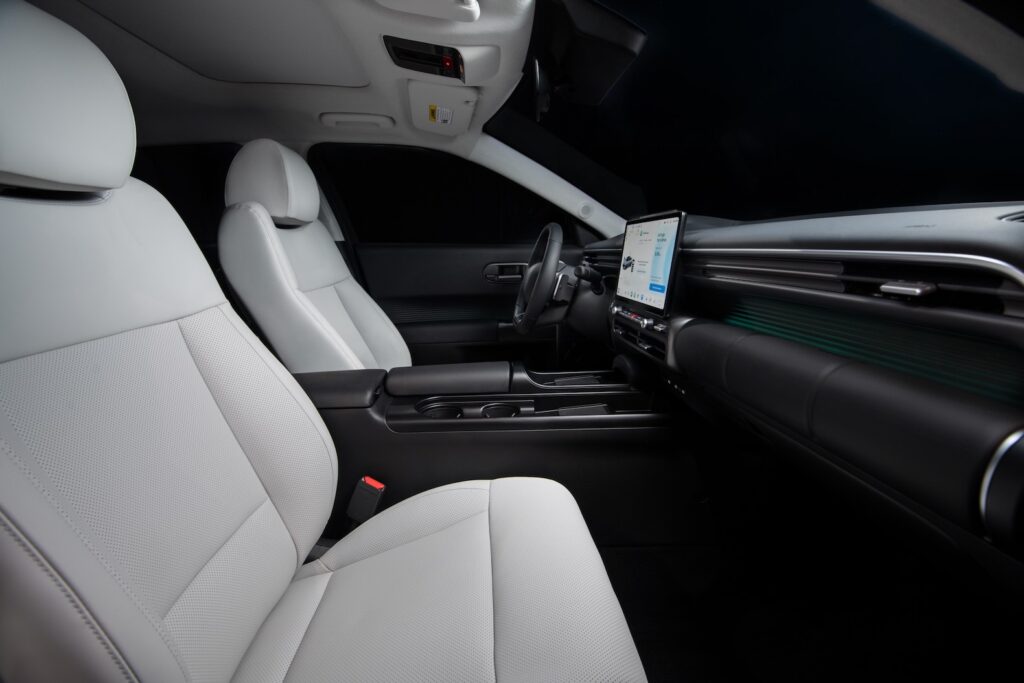
The rest of the Elantra gets a more luxurious treatment with features you wouldn’t typically expect to see in a compact sedan. Depending on the trim level, the Elantra can be equipped with heated and ventilated front seats, dual wireless phone chargers, ambient lighting, a power moonroof and a 12-speaker Bang & Olufsen premium audio system. There’s also a 9.9-inch Slim Information Display, along with the large infotainment screen.
The Elantra also gets new safety features, including the SmartSense suite, which has forward collision avoidance with pedestrian and cyclist detection, blind spot monitoring, rear cross-traffic collision avoidance, lane-keeping assistance and adaptive cruise control with stop-and-go functionality. It also has a driver monitoring system, Safe Exit Warning, and parking assistance features.
The post 2027 Hyundai Elantra Revealed With a Bold New Look, 2028 Hybrid Targets 53 MPG appeared first on The Torque Report.