Boxy And Brainy
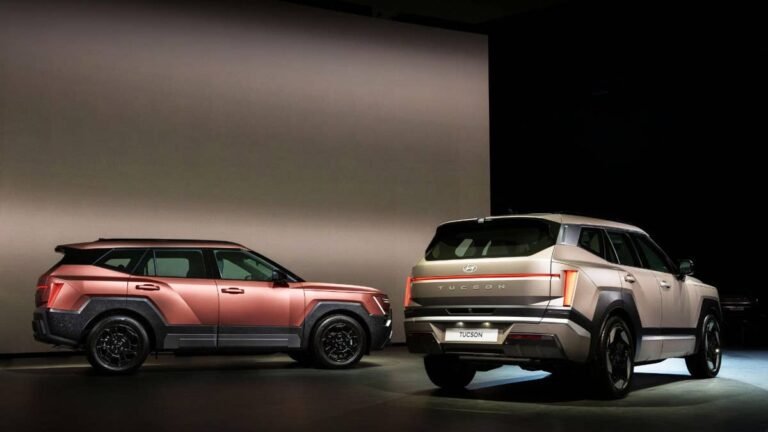
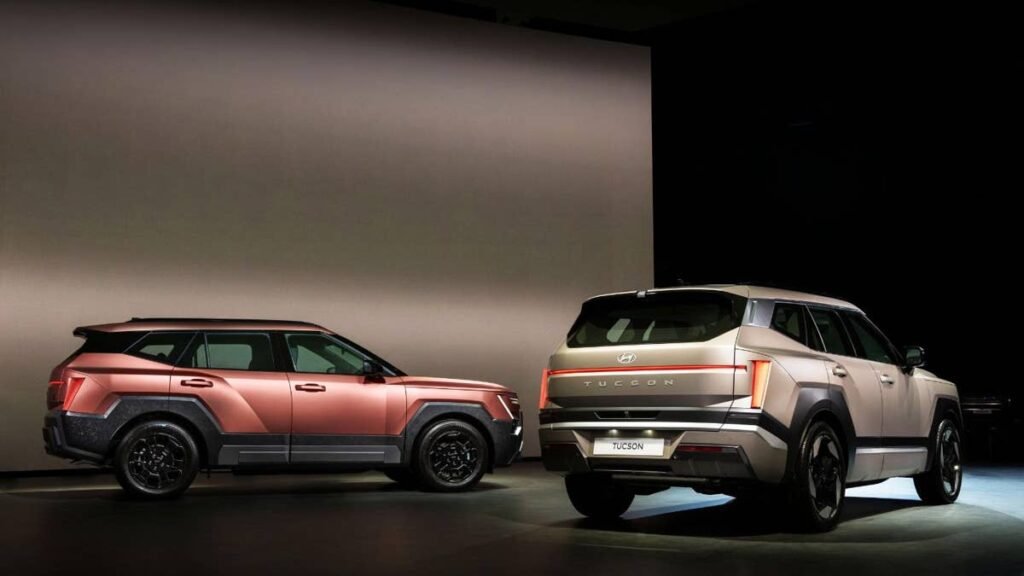
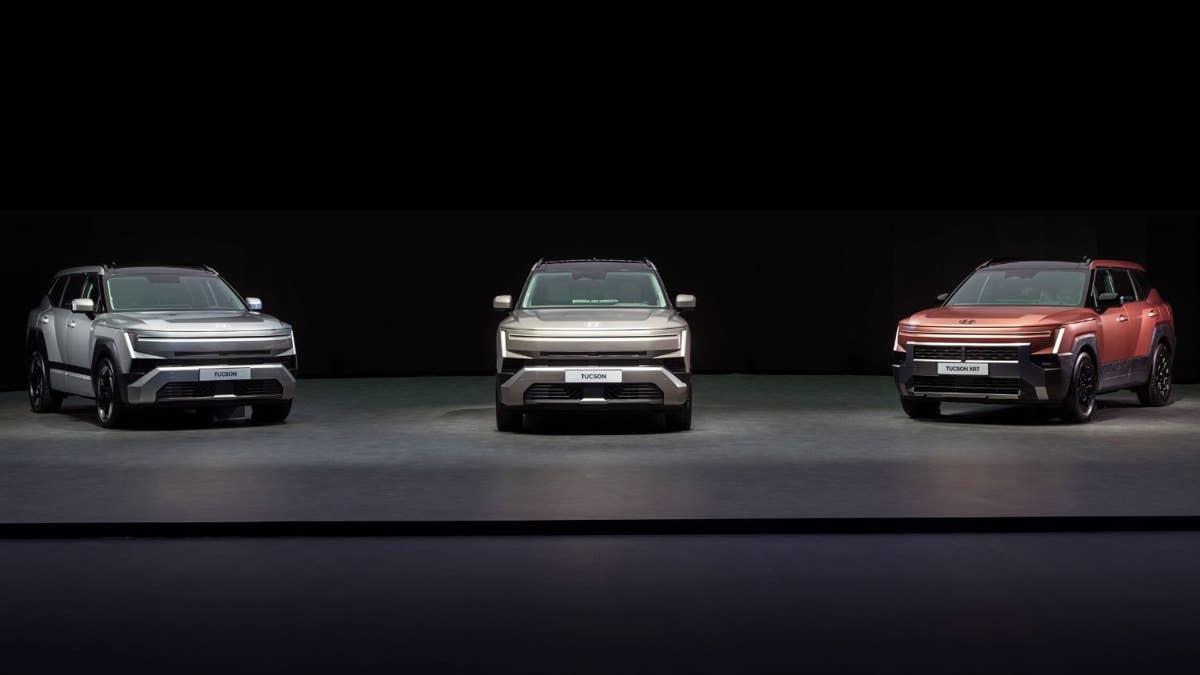
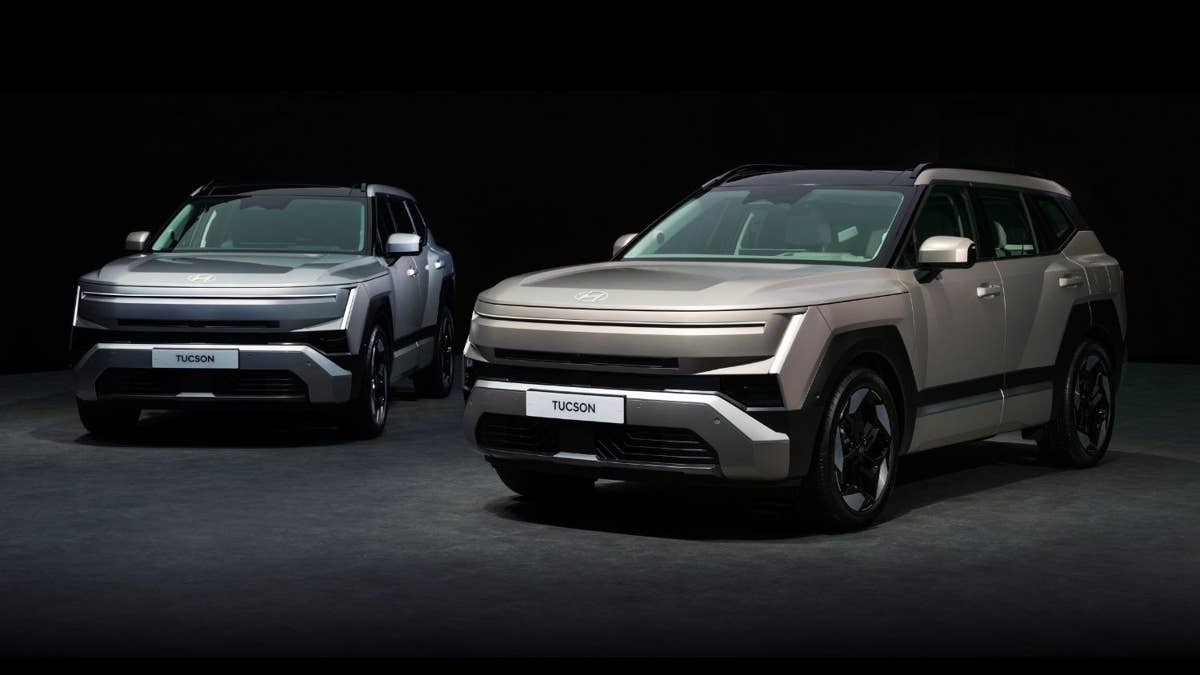
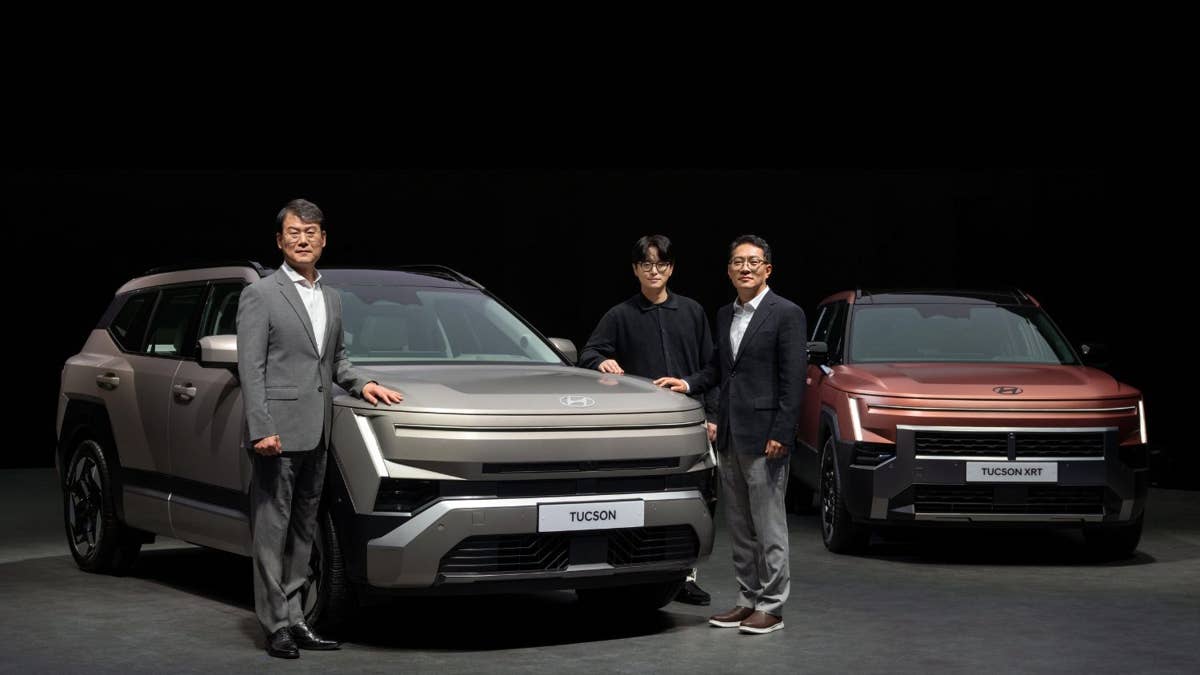
Hyundai recently unveiled the all-new, fifth-generation Tucson in the metal in South Korea, and as expected, the new design is the big talking point. The boxy, minimalist styling has had a polarizing reception, though such a design direction should be expected, considering the Santa Fe adopted something similar. But beyond the looks, the Korean automaker also shared some of the new technologies, including Memory Reversing Assist.
As the name suggests, Memory Reversing Assist allows the Tucson to remember the path the vehicle just traveled and retrace it in reverse. It automatically controls the steering for the driver, which Hyundai said can help eliminate the inconvenience of maneuvering and parking in narrow and complex spaces.
Hyundai
Just Hit Rewind
This type of technology, however, isn’t entirely new. It is quite common with BMW models via Parking Assistant Professional, whose Manoeuvre Assistant can remember up to ten maneuvers, each covering a distance of up to 200 meters. Mainstream brands offer related memory-parking technology too, including Toyota with Advanced Park. But given that the next-gen Tucson is a bit larger, the new smart parking feature could be particularly useful.
The redesigned model is 60 mm (2.3 inches) longer and 40 mm (1.5 inches) wider, while the wheelbase has increased by 30 mm (1.1 inches). In the second row, headroom has increased by 29 mm (1.14 inches), while the door opening angle has increased from 73° to 83°, making ingress and egress easier. Despite the larger and boxier dimensions, Hyundai still improved the airflow and lowered the drag coefficient from 0.33 to 0.30.
Hyundai
More Tech In The Box
Other technologies featured in the unveiling include a surround-view monitor with Transparent View and a Ground View; “door unlocking power redundancy,” designed to keep the doors capable of unlocking even if the main power is cut off due to a crash; Pedal Misapplication Safety Assist, which limits drive power and applies the brakes if the driver mistakenly steps hard on the accelerator instead of the brake; and Forward Parking Collision-Avoidance Assist (PCA-F), which can provide braking assistance if it detects a risk of hitting a pedestrian or obstacle while moving forward at low speeds. The vehicle is also equipped with the brand’s next-gen infotainment system called Pleos Connect, making the Tucson the first Hyundai SUV to receive it. The system features Gleo AI, an LLM-powered generative AI assistant similar to Tesla’s Grok.
It is worth noting that these features are coming to the Korean-spec Hyundai Tucson, so the final U.S. equipment list could differ, though it should still give American buyers an idea of what to expect. The fifth-gen model is expected to make its U.S. debut at the Los Angeles Auto Show in November, with deliveries likely to begin the following year.
Hyundai