Japan’s Crossover Boom
Japan has been in the SUV game long before the term SUV was even coined. Prior to that, they were called RVs or recreational vehicles over there, and totally unrelated to the American definition of RV. By the ’80s, more of these RVs were being rolled out, with the Mitsubishi Pajero (Montero in the US and other Spanish-speaking countries), Isuzu Trooper, and Toyota 4Runner.
But towards the ’90s, Japanese manufacturers were already considering smaller, car-based versions of these RVs. Toyota was among the first to make its plans public with the RAV Four concept in 1989, eventually becoming the RAV4 in 1994. The year after, Honda responded by premiering the CR-V during the 1995 Tokyo Motor Show.
But another crossover was shown in Tokyo at the same time. It was the Subaru Streega concept, but it would later become Subaru’s best-selling model ever.
Subaru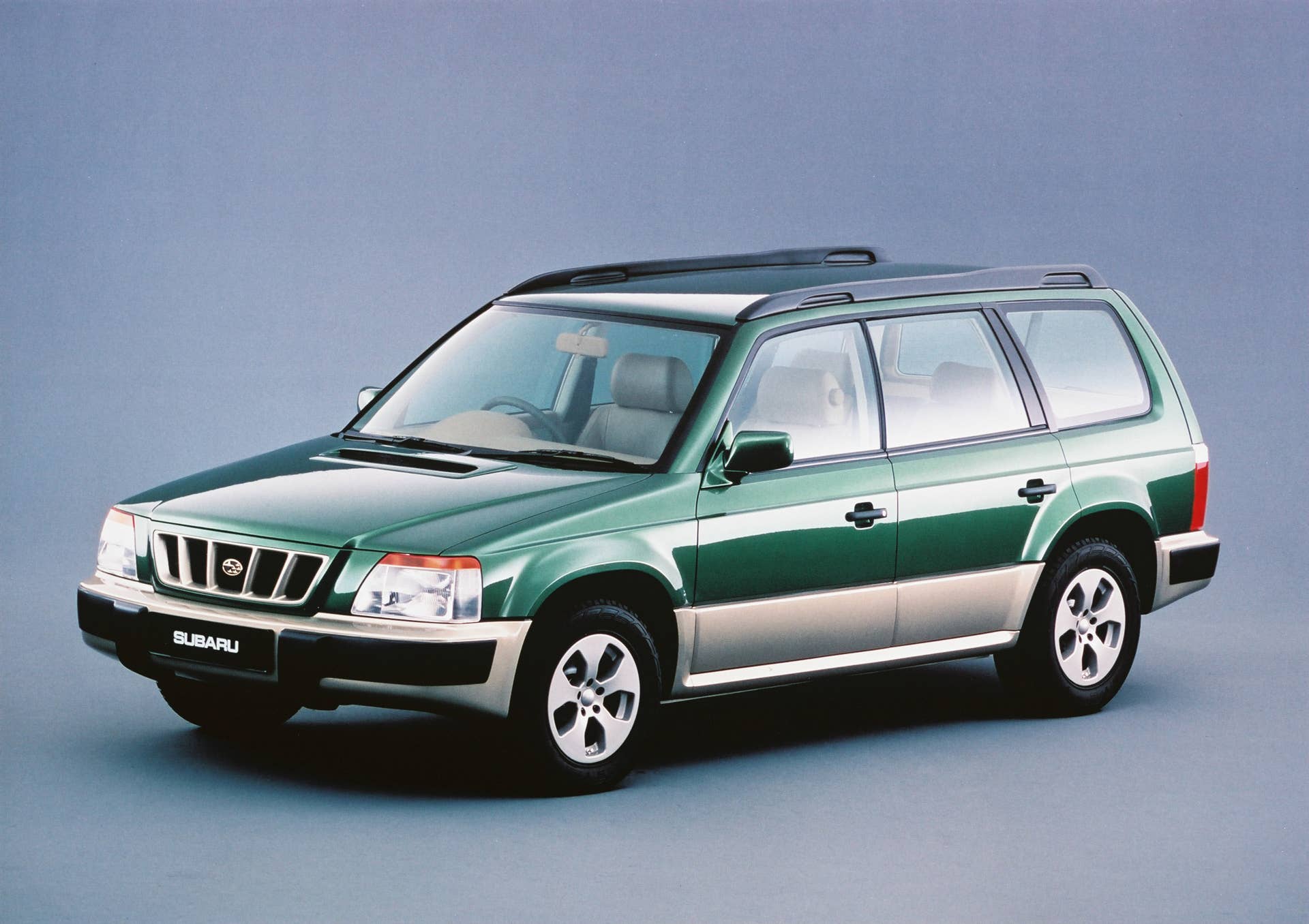
Subaru’s Product Expansion
Subaru was reinvigorated in the late-80s with the introduction of the Legacy in 1989. It was followed by the Impreza in 1993, which replaced the aging Leone. There was also the radical SVX grand tourer, a product that was spurred by Japan’s booming economy at the time.
The folks from Gunma were riding high, and it seems that the RAV Four Concept inspired them to give this whole car-based RV thing a shot. The Streega concept was the fruit of that idea. As far as concepts went, it looked production-ready. There were no silly details or whimsical styling cues to be found here.
Subaru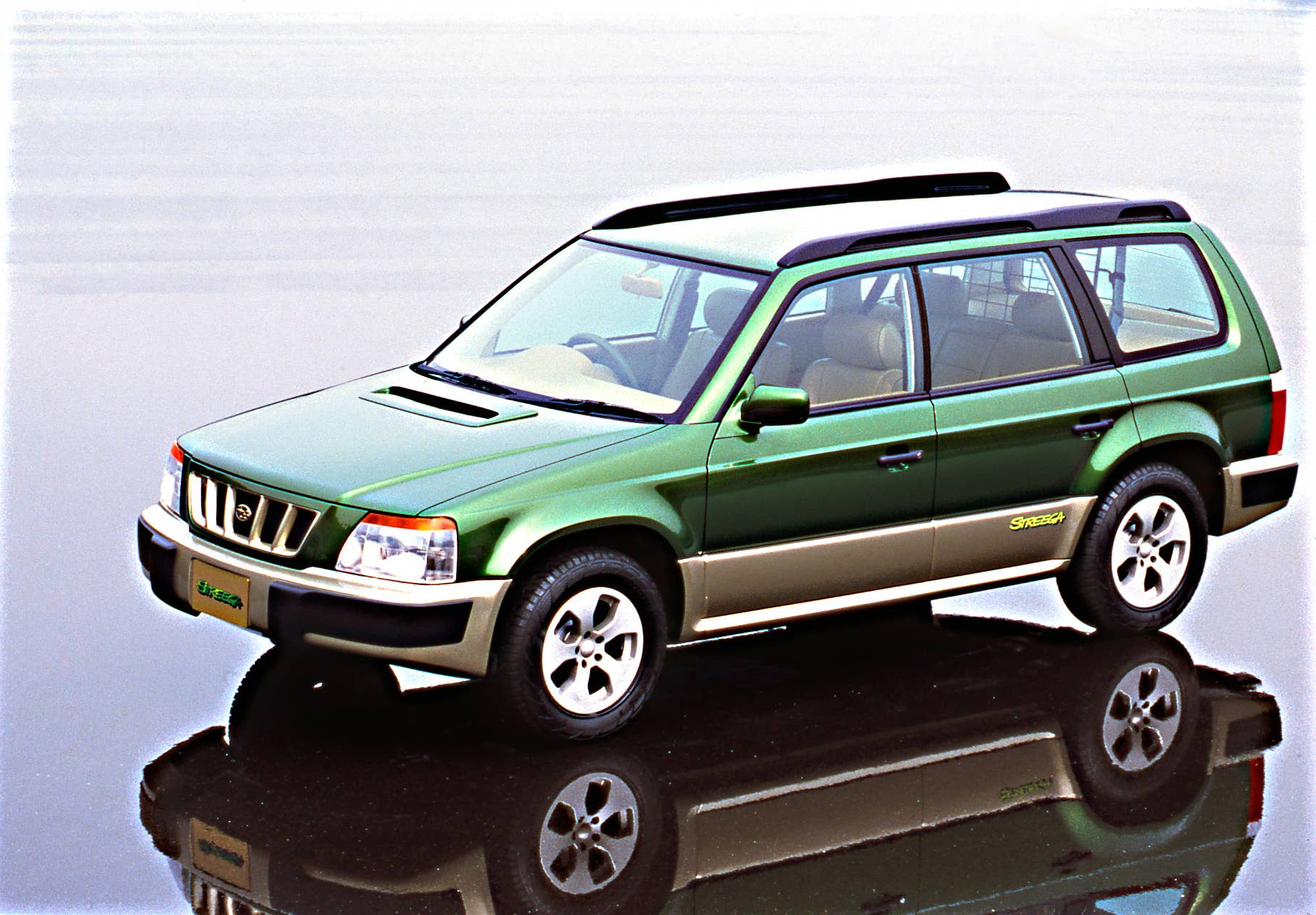
A Closer Look at the Streega Concept
The Streega rode on a shortened Legacy platform, and it was actually a working, running vehicle. But it’s not just the chassis that’s from the midsize sedan and wagon. The Legacy also donated its independent suspension, all-wheel drive system, and automatic transmission.
Subaru touted the Streega as an MSV, or Multi-Sport Vehicle. It was able to back that claim by putting in an engine from the Impreza WRX from the same era. That meant a 2.0-liter turbocharged boxer engine resided under its hood. It made 248 hp and 228 lb-ft of torque, impressive numbers for 1995.
Subaru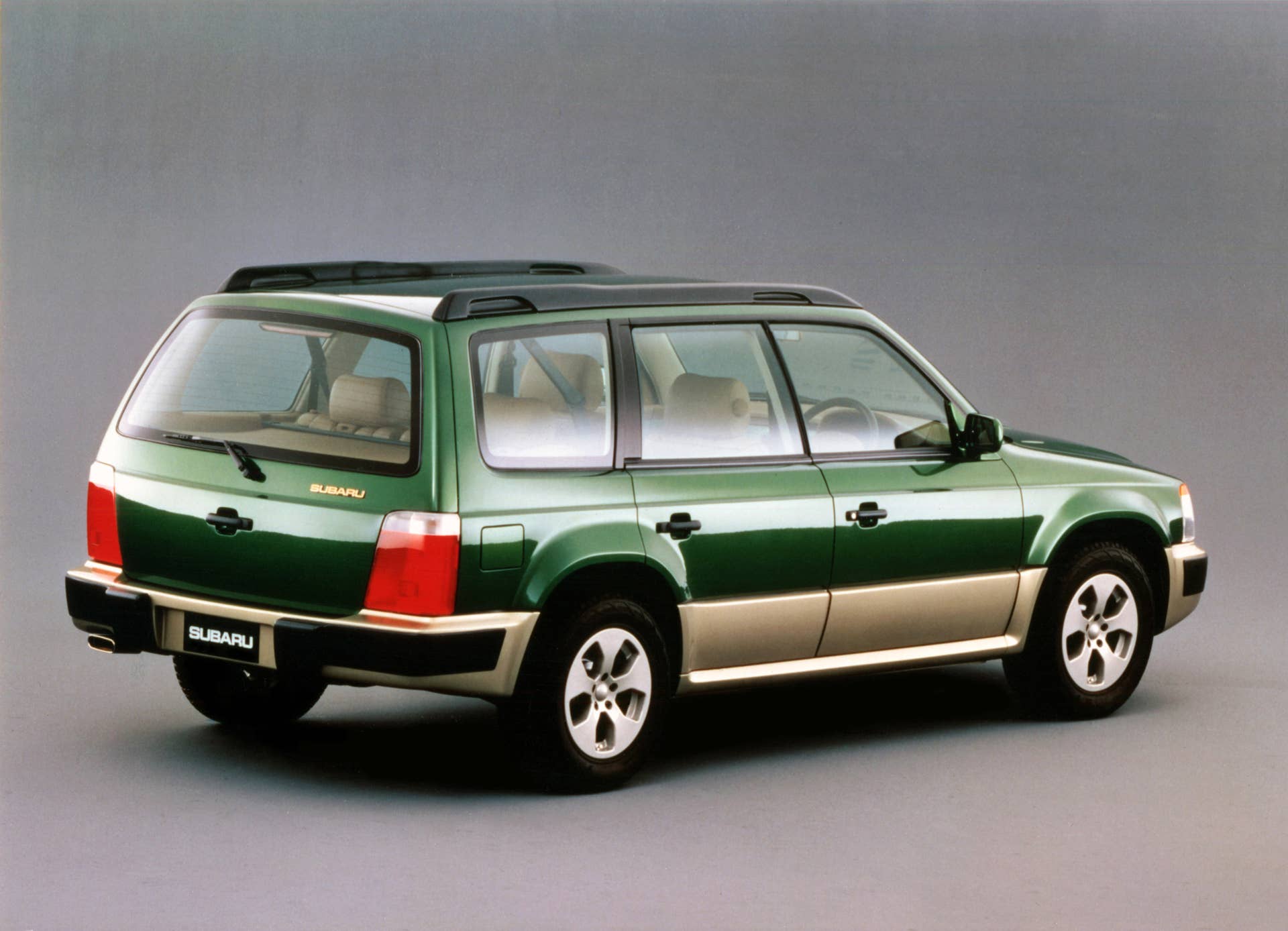
From Streega to Forester
After it was shown in Tokyo, the Streega was then exhibited at the 1996 North American International Auto Show. At the time, Wards Auto said the production version would go on sale soon and carried the code name 79-V. Turns out they were right, although it wouldn’t reach the US until 1998, and it wouldn’t be called Streega.
The production model was called the Subaru Forester, a name we’re all familiar with by now. It was rolled out in Japan in February 1997, about a year and a half after the Streega made its debut. Its transition from concept to reality looked smooth, too, although there are a couple of key differences.
Subaru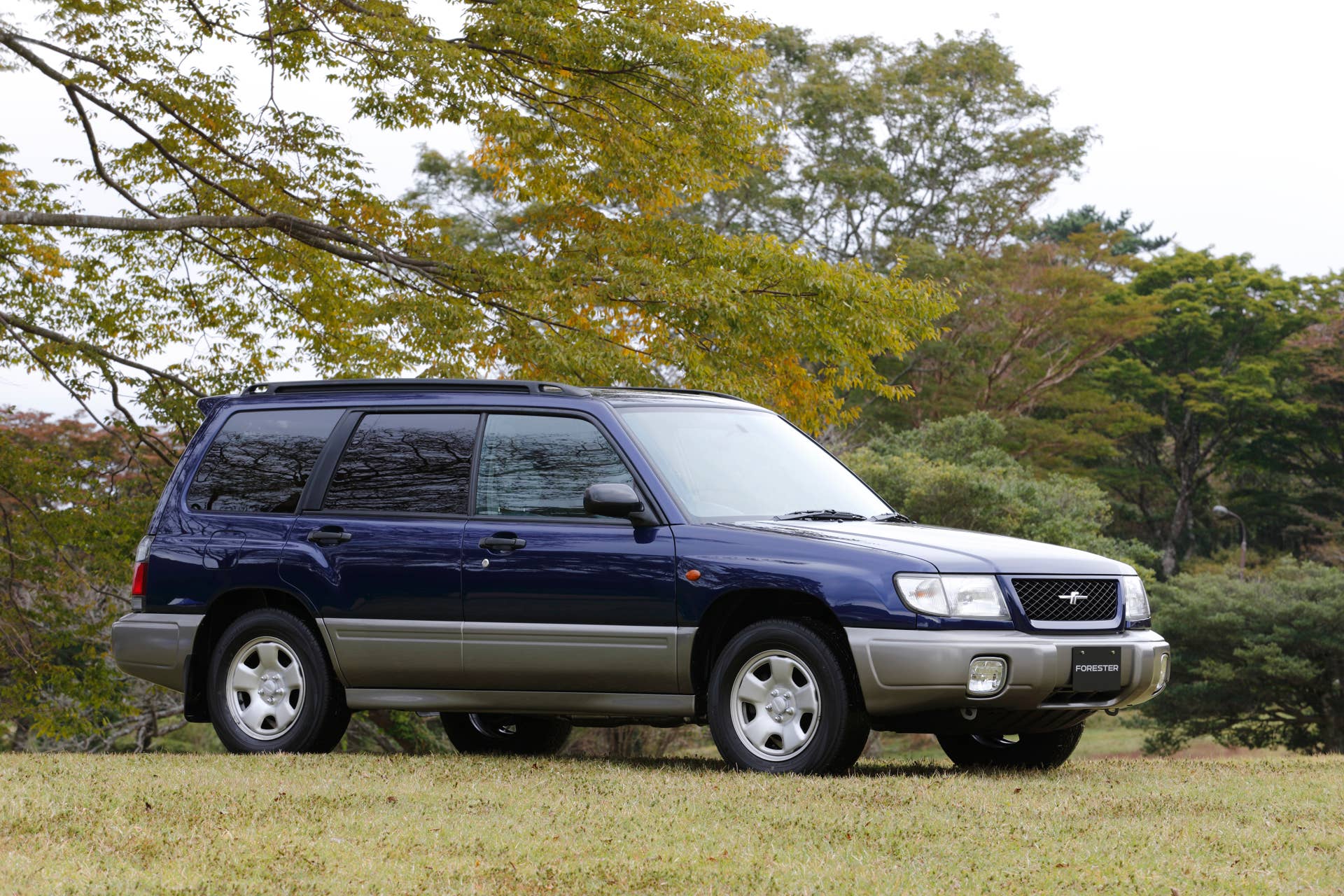
The entire front end was redesigned, and a few more lines were added to the body. Some minor alterations were made to the tailgate, and the taillights were changed, but still resembled the concept model. But the most significant difference here was the platform. Whereas the Streega was heavily based on the Legacy, the Forester would get most of its DNA from the smaller Impreza.
Subaru delivered on its promise to offer a Multi Sport Vehicle. In select markets, it was offered with a turbocharged 2.0-liter boxer straight from Impreza WRX, just like the concept. It was even offered with a manual transmission, practically turning it into the most practical rally car anyone can buy. Well, anyone except Americans. We had to wait until the second generation to get our hands on the boosted Forester. Other engine options included a naturally-aspirated version of the 2.0-liter, as well as a 2.5-liter boxer, which was the only option for America. Boo.
Subaru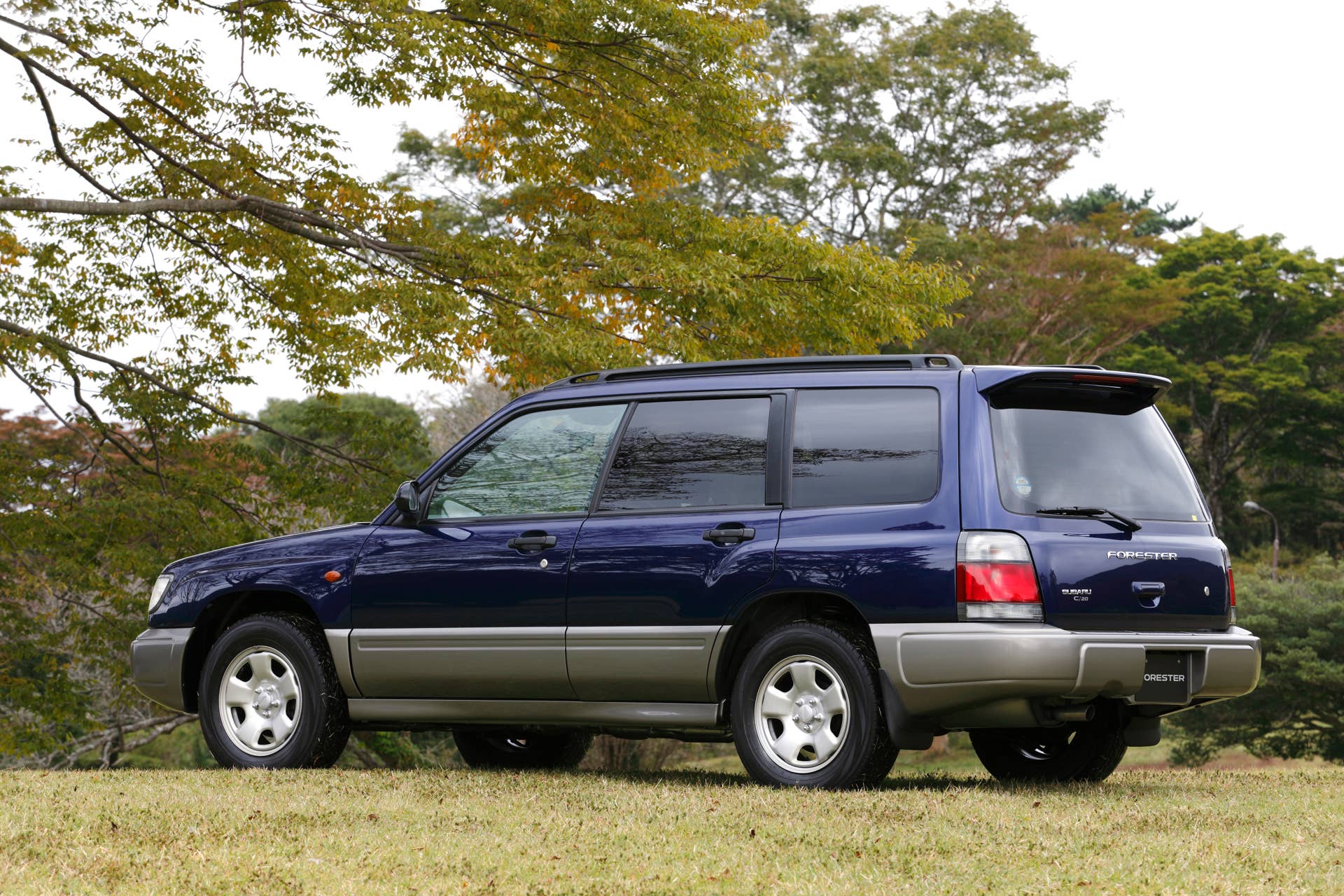
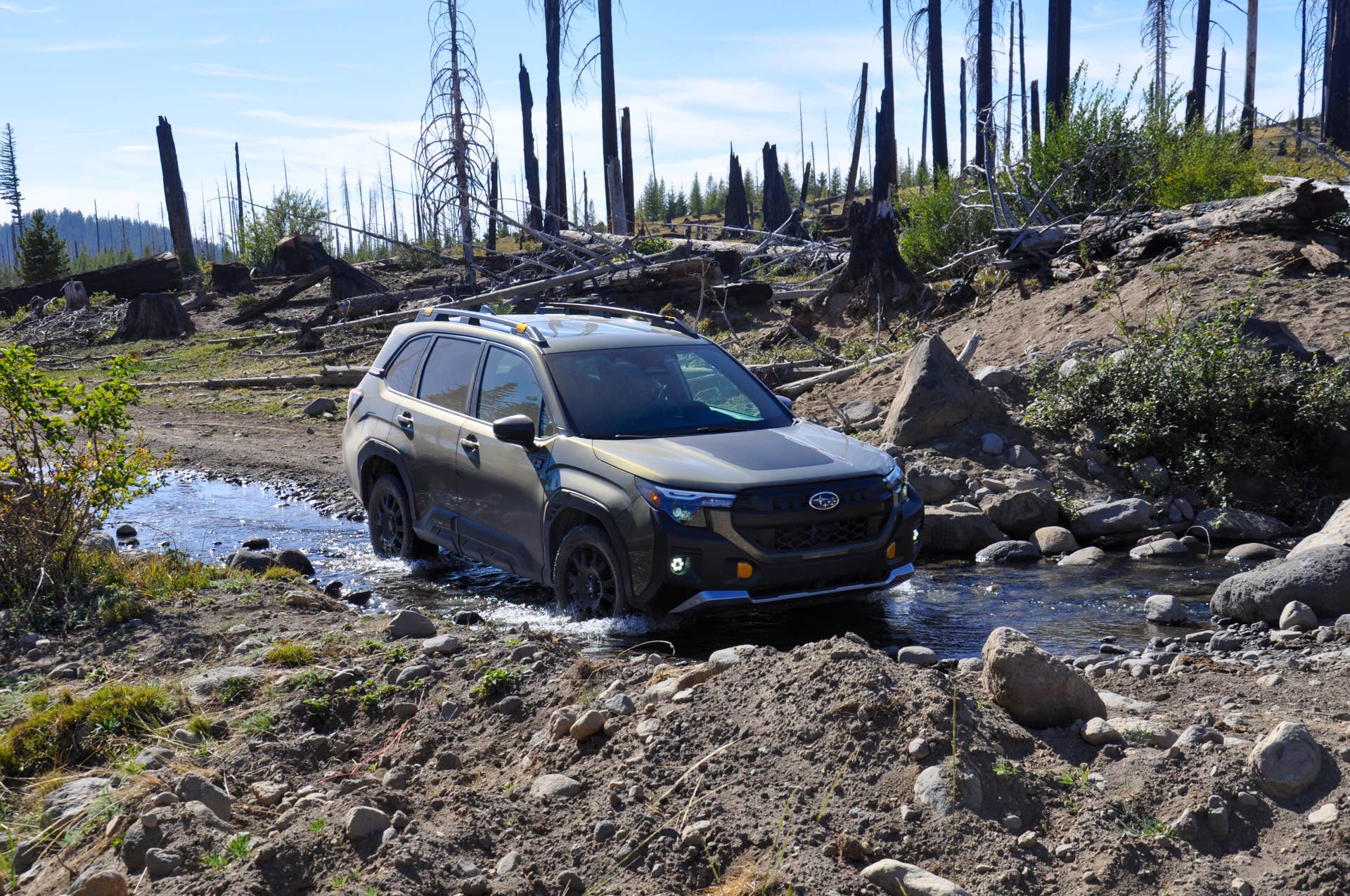
The Forester Today
It’s a big gamble for any automaker to build a car in an emerging segment. Subaru timed it just right, and the Forester had already become an established name by the dawn of the new millennium. It, along with the RAV4 and CR-V, made other automakers play catch-up in the compact crossover game. Today, it’s the hottest contested segment, and the Forester remains a solid choice.
Six generations have rolled out since 1997. The first two generations were tall-roofed wagons with a little bit more ground clearance, but it went full SUV mode in 2008 with the introduction of the third generation. Since then, the Forester has seen more gentle evolutions, but at least the hot versions lasted until 2018.
After that, Foresters became a little more sedate with no performance versions since the fifth generation. The fastest model you can get now is the hybrid.
Yes, we know, it’s a sign of the times. A turbocharged Forester is still available in Japan, but it’s a 1.8-liter mill with no sporting intentions at all. Mind you, we still think it’s a pleasant and capable crossover, but we do wish Subaru would return to the Forester’s roots as a Multi Sport Vehicle and put the WRX’s engine back in.
Cole Attisha