A Different Take on the Civic-Powered Track Toy
When enthusiasts talk about ultralight machines built around Honda‘s high-revving performance engines, the Ariel Atom 4R usually dominates the conversation. It has the headlines, the familiarity, and the pedigree. But there’s another, far rarer, option hiding in plain sight – and it comes from Australia.
Spartan Motor Company has been building its namesake track car in small numbers, and while it isn’t brand-new for this year, it has lingered under the radar long enough. It’s more analog and less frantic than an Atom, yet just as quick over a lap thanks to its rigid chassis and featherweight build. With just around 1,764 pounds to move – yes, it’s lighter than the current Miata – it leans harder into the purity angle than most big-name track toys, and it wears the 1960s racing aesthetic with more commitment than you’d expect from a modern package.
Spartan Motor Company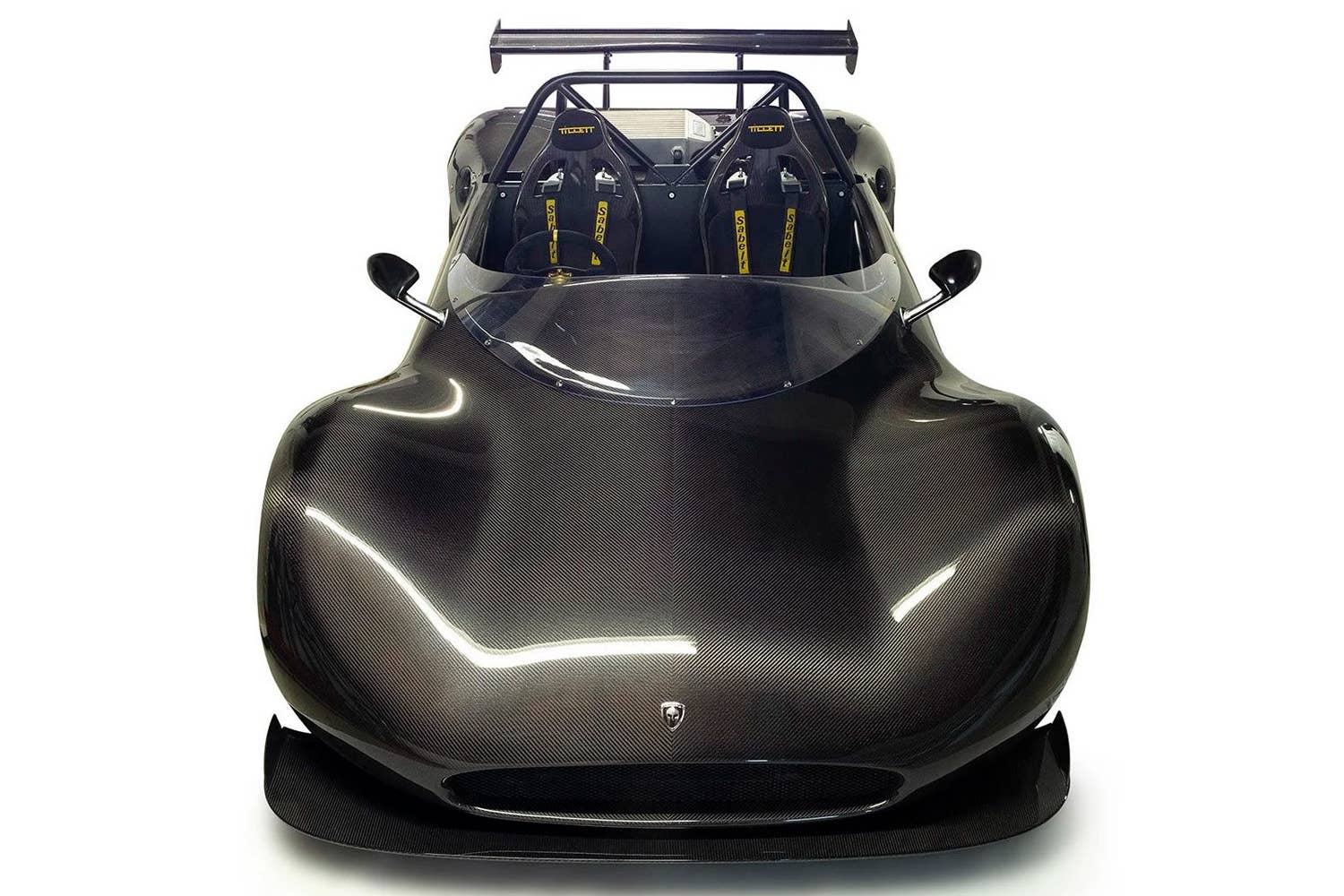
0-62 MPH in Just 2.4 Seconds
The Spartan is powered by a supercharged Honda 2.4-liter four-cylinder, built with forged internals and spinning a Rotrex blower. Output lands at 400 hp, which is more than enough considering the car’s low mass.
Performance-wise, the Spartan can spring from 0-62 mph in 2.4 seconds, with a top speed of 174 mph. The tubular space-frame chassis is wrapped in carbon-fiber bodywork weighing under 45 pounds, with an optional raw-carbon finish for those who want the full race-shop vibe.
Downforce is another standout, generating roughly 660 pounds at 155 mph with the help of a front splitter, rear diffuser, and multi-position rear wing.
The wishbone suspension uses TracTive active dampers that self-adjust based on G-load, and ride height can be changed manually in minutes. AP Racing brakes, Advan RZ wheels, and Yokohama A050 or A052 tires complete the exterior hardware.
Spartan Motor Company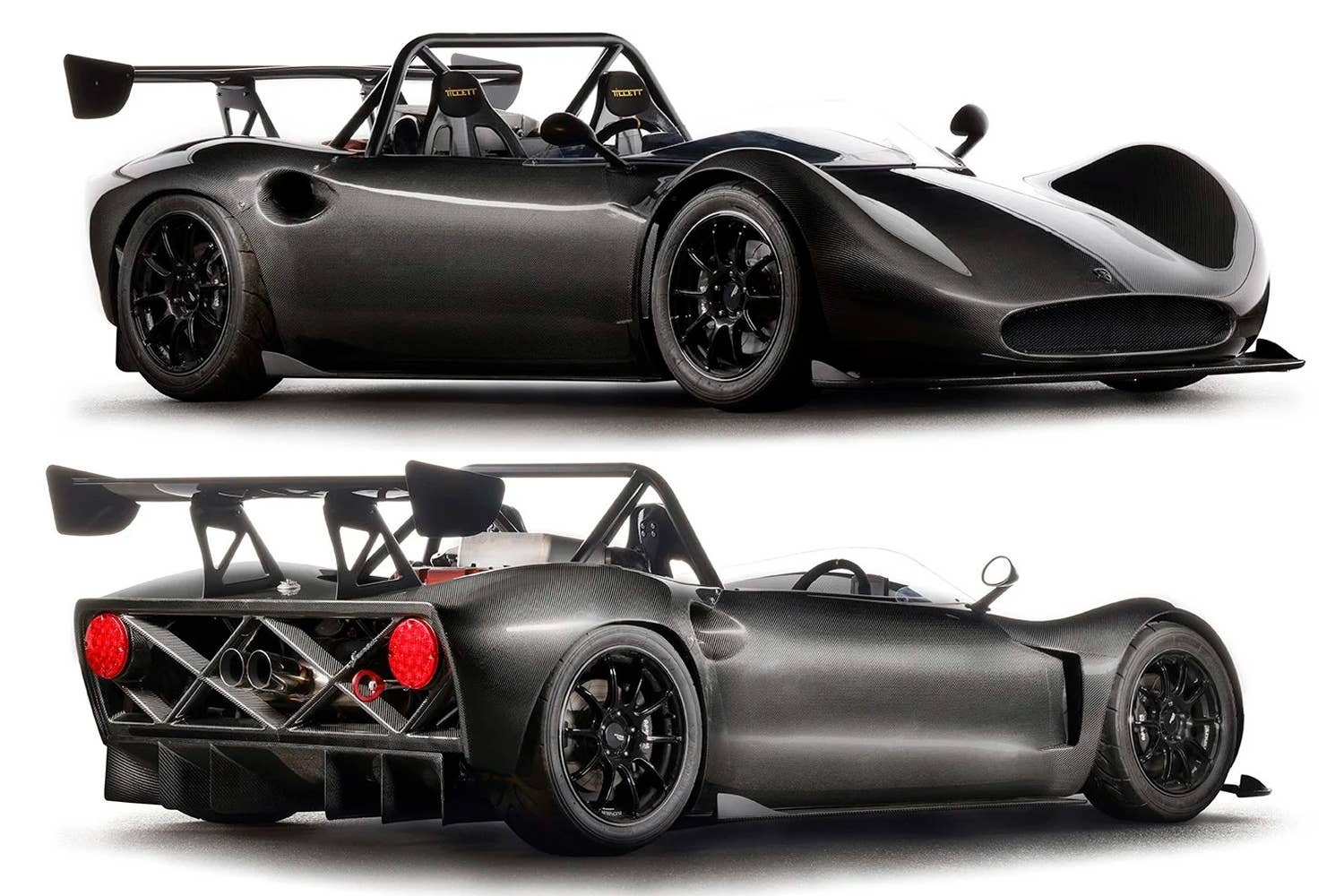
Limited to Just 300 Examples
Inside, there isn’t much to distract from the job. Tillet B6 carbon seats, six-point harnesses, and a simple digital interface set the tone. The windscreen is motorcycle-inspired, there are no doors, and the driving position can be switched between left-hand and right-hand drive thanks to an interchangeable pedal box and steering column. A safety cell built to exceed FIA standards is integrated into the frame.
The Spartan is road-legal in some countries, though we’re not sure if it is in the US. Production, however, is very scarce, as it’s reportedly limited to just 300 units. Pricing varies based on options and regional homologation, but it stands well below most exotic track specials while offering a level of purity few cars match.
Spartan Motor Company