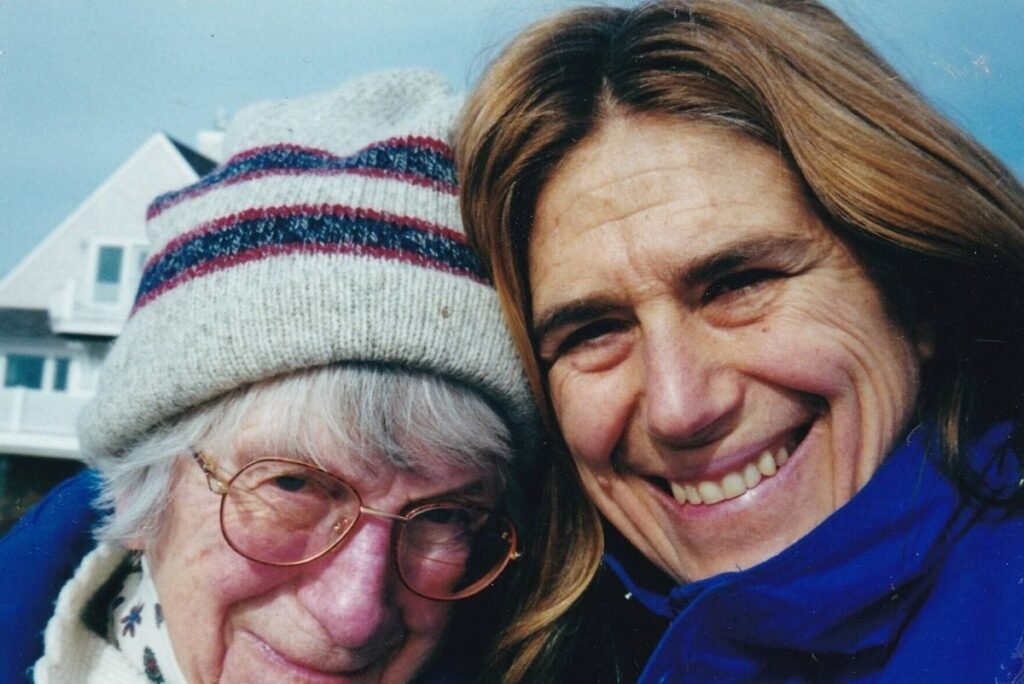
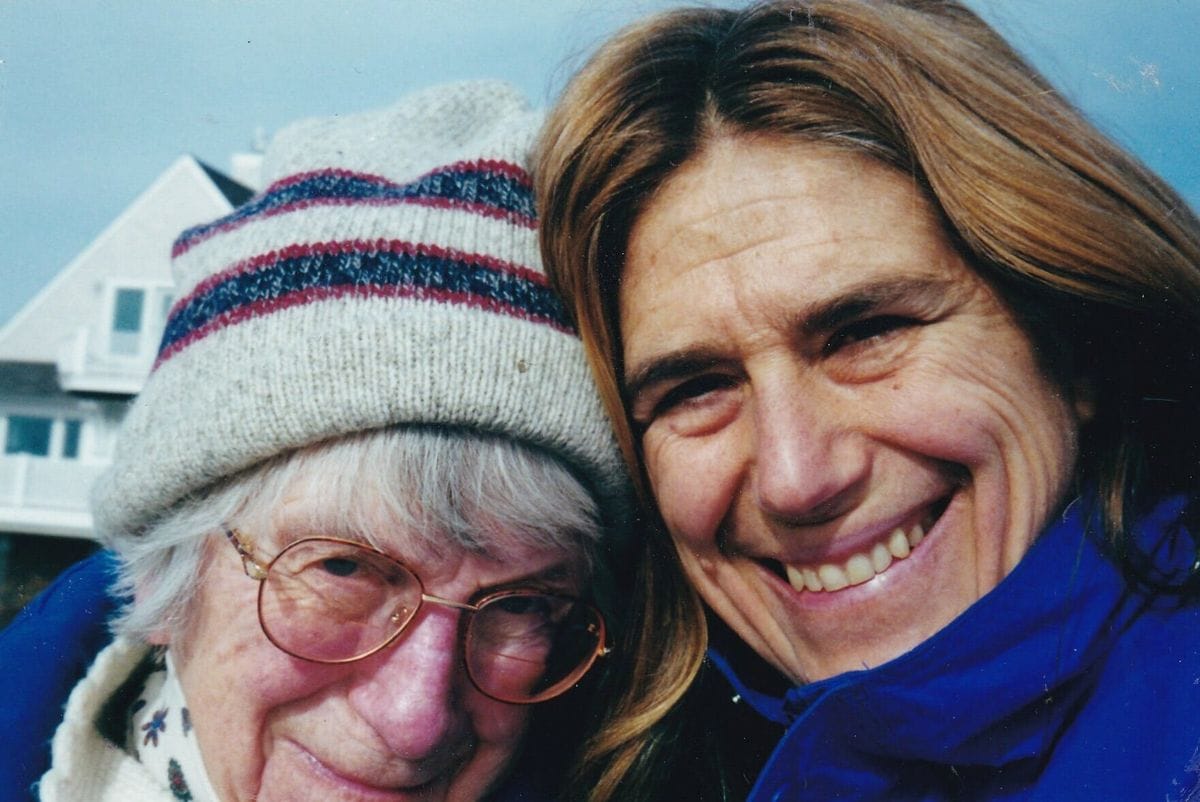
Each year, on Mother’s Day, I reflect on the endless reel of catchy maternal slogans that involuntarily cycles through my mind. A repeat offender in my own playlist of advice is an axiom from my grandmother, Barbara Sapienza, an abstract oil painter, for how to “unfuck” one’s life. (For the first 20 years of your life, you get fucked up by your parents. You spend the following 20 years “un-fucking” yourself. And then, if you’re lucky, you spend the next 20 years really living your life. You can grade your progress according to that curve.)
In anticipation of this weekend’s holiday, Hyperallergic asked artists to share the best piece of advice that they ever received from their mother, or a maternal figure in their life. Ranging from one-liners cautioning against pursuing a precarious career in the arts to affirmations of undying support, artists reflected on the maternal voices that edified their lives and crafts. We present over a dozen golden nuggets of advice below, some of which have been edited for length and clarity. May they harmonize with the cacophony of your own matrilineal slogans, as they have with mine. —Isa Farfan, staff writer
Pat Oleszko, multi-media artist, New York: My mom knew what she had on her hands and encouraged all creative ventures from music, sports, art, theater, and endless projects … While I was running all the school clubs and artistic events, I flailed with boys, lost the class vice presidency to some dumb pretty chick, and declared my life over. My mother sagely advised that I would be appreciated in college, and she was right. My life turned from fraught to fantastic in the first week, though I still avoid the suburbs at all costs.
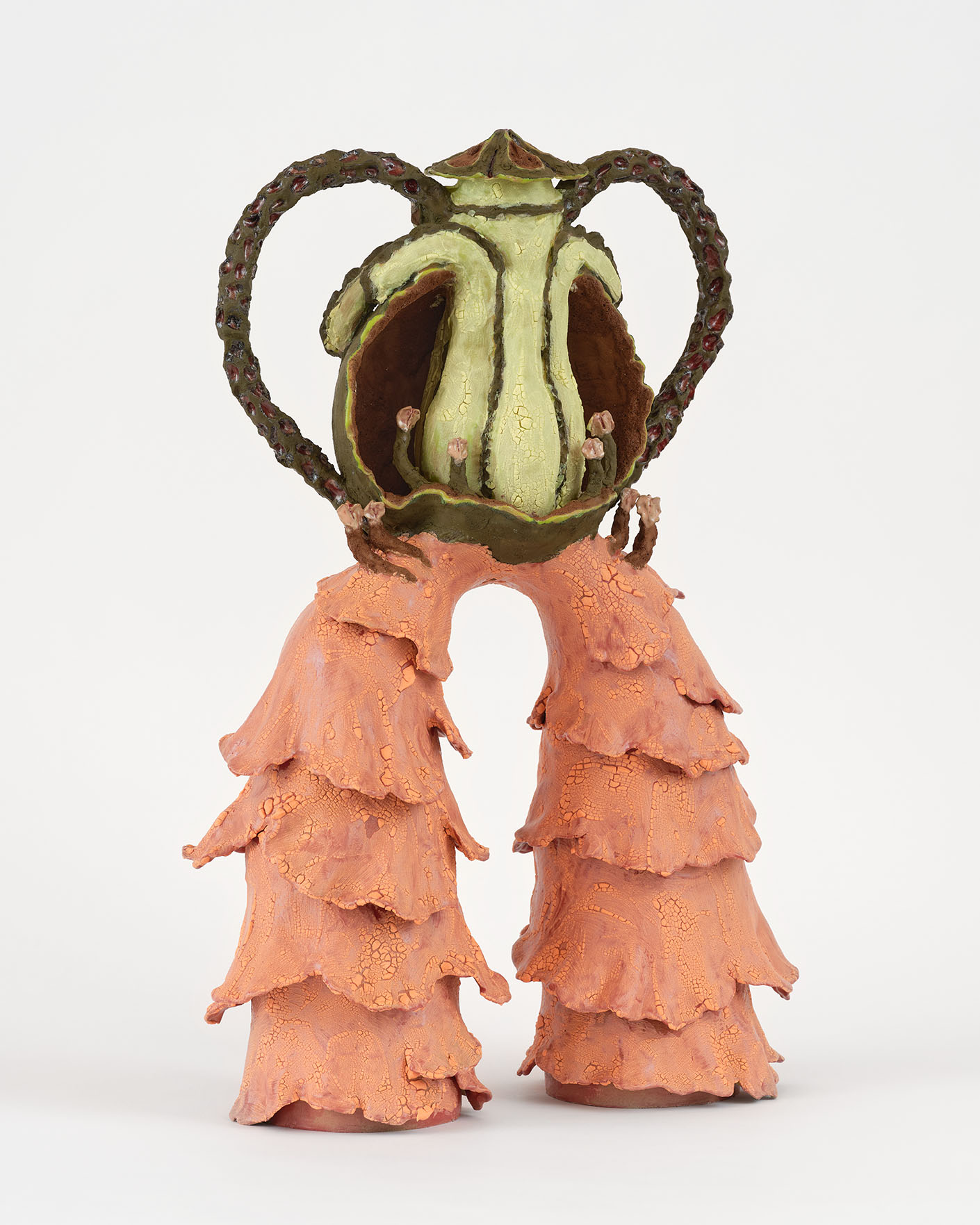
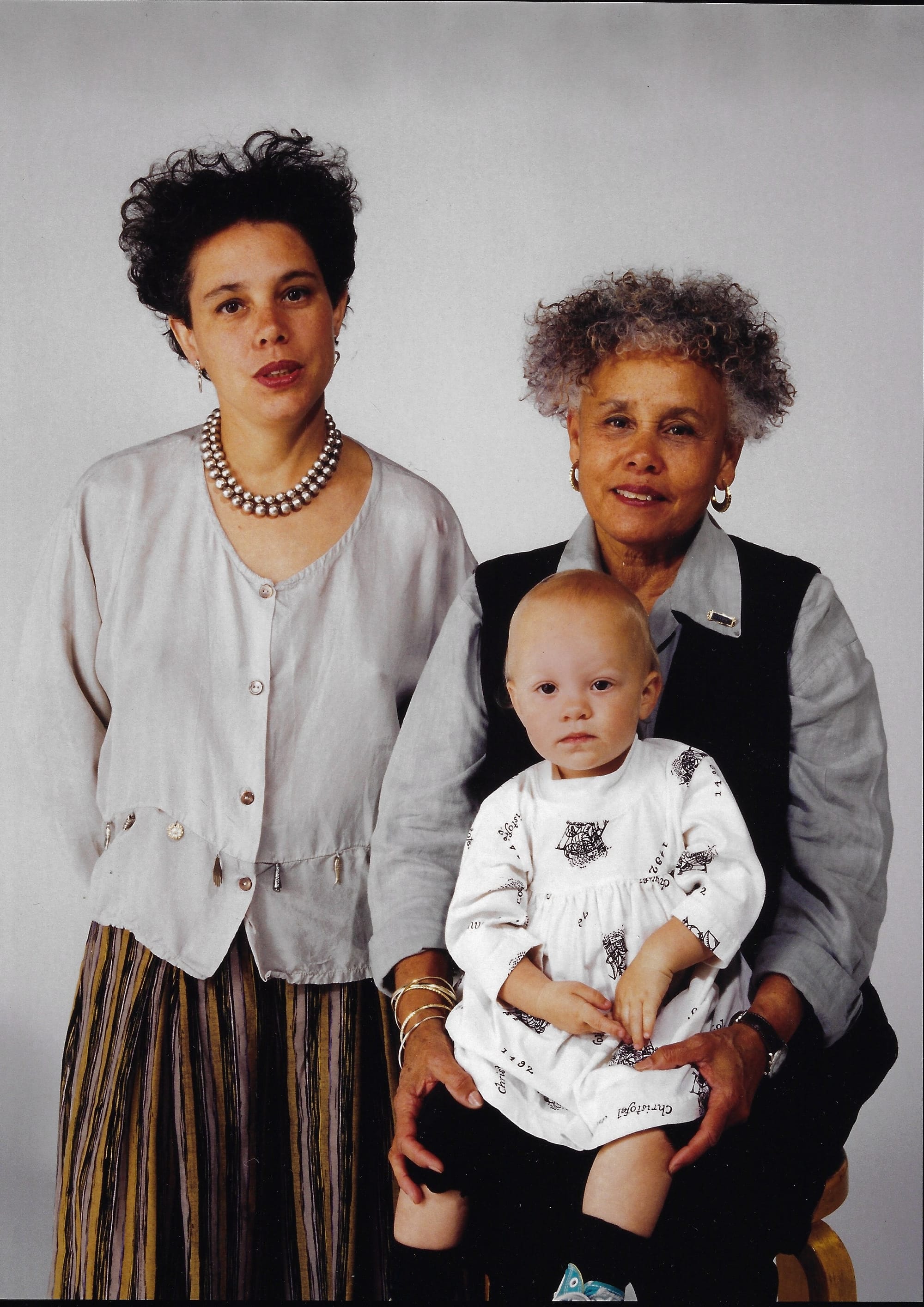
Left: “Bloom Bloom” (2026), a work inspired by the artist’s matrilineal tradition of Black midwifery amid the Transatlantic slave trade; right: Maddy Inez as a child with her mother, sculptor Alison Saar, and grandmother, artist Betye Saar. Maddy and Alison share a studio space. (photo courtesy the artist)
Maddy Inez, sculptor, California: Being raised by powerful matriarchs such as my mother, Alison Saar, and my grandmother, Betye Saar, it’s hard to choose one thing they have taught me. My mother taught me how to cook, and through cooking, she taught me empathy. Food connects us all. My mom is always cooking dishes from all over the world and meals from our ancestors. She taught me that eating food from other cultures shows you a glimpse of others’ lived experiences. Through food, you can be curious, ask questions, and listen. I carry that curiosity into my art practice.”
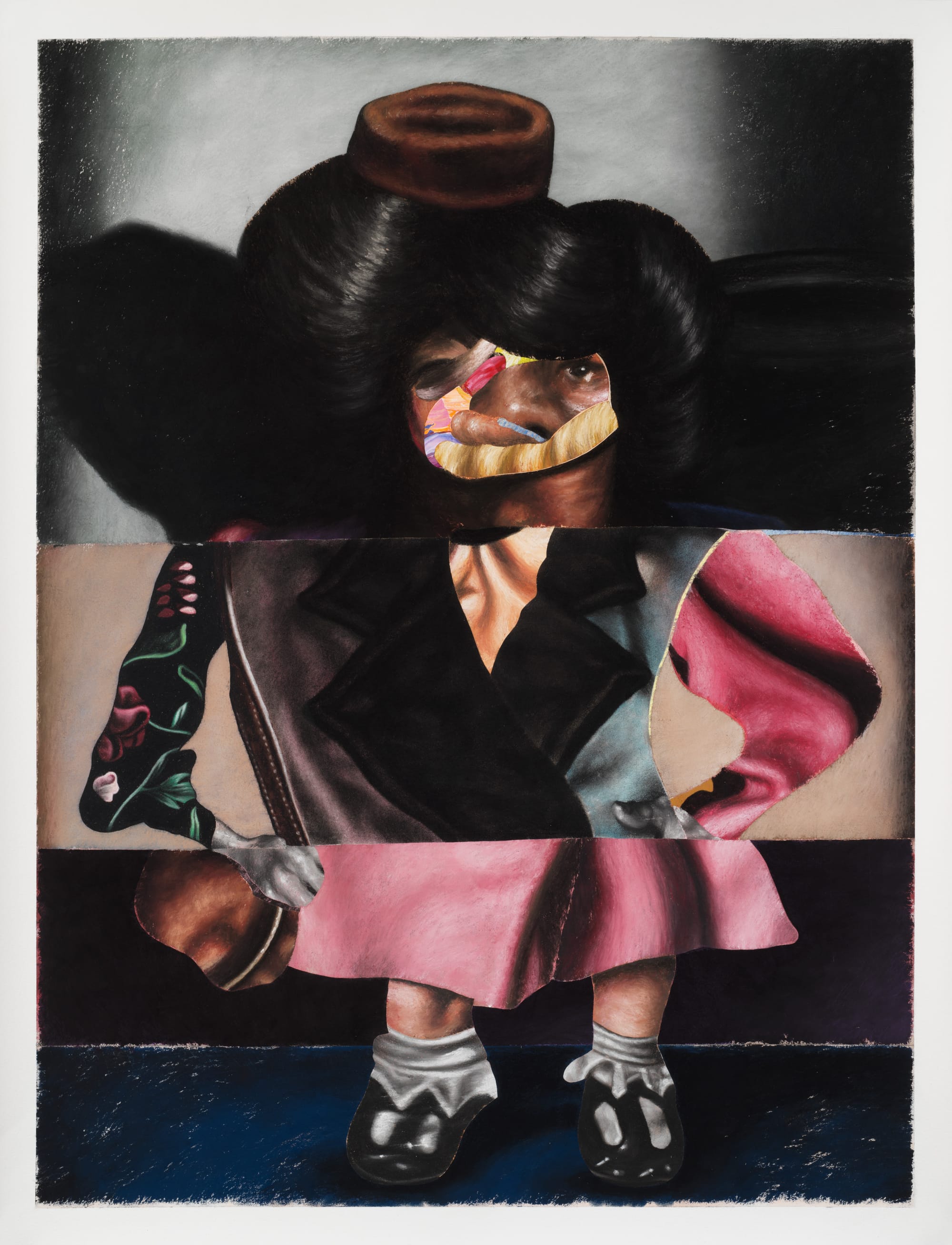
Nathaniel Mary Quinn, mixed-media painter, New York: … One day, sunlight beaming across her features, I — perhaps searching for her comfort, her approval—proclaimed, “Mama, I want to be an artist!” Smiling down at me with heartwarming conviction, almost angelic in its grace — because my Mama was a church-going woman — she assured me, “Baby, you can be the best artist you can be.” Armed with those words, my faith in becoming an artist never wavered. Never again did I question my pursuit. That statement from my mother was all the assurance I needed. My mother believed in me, and that was that.”
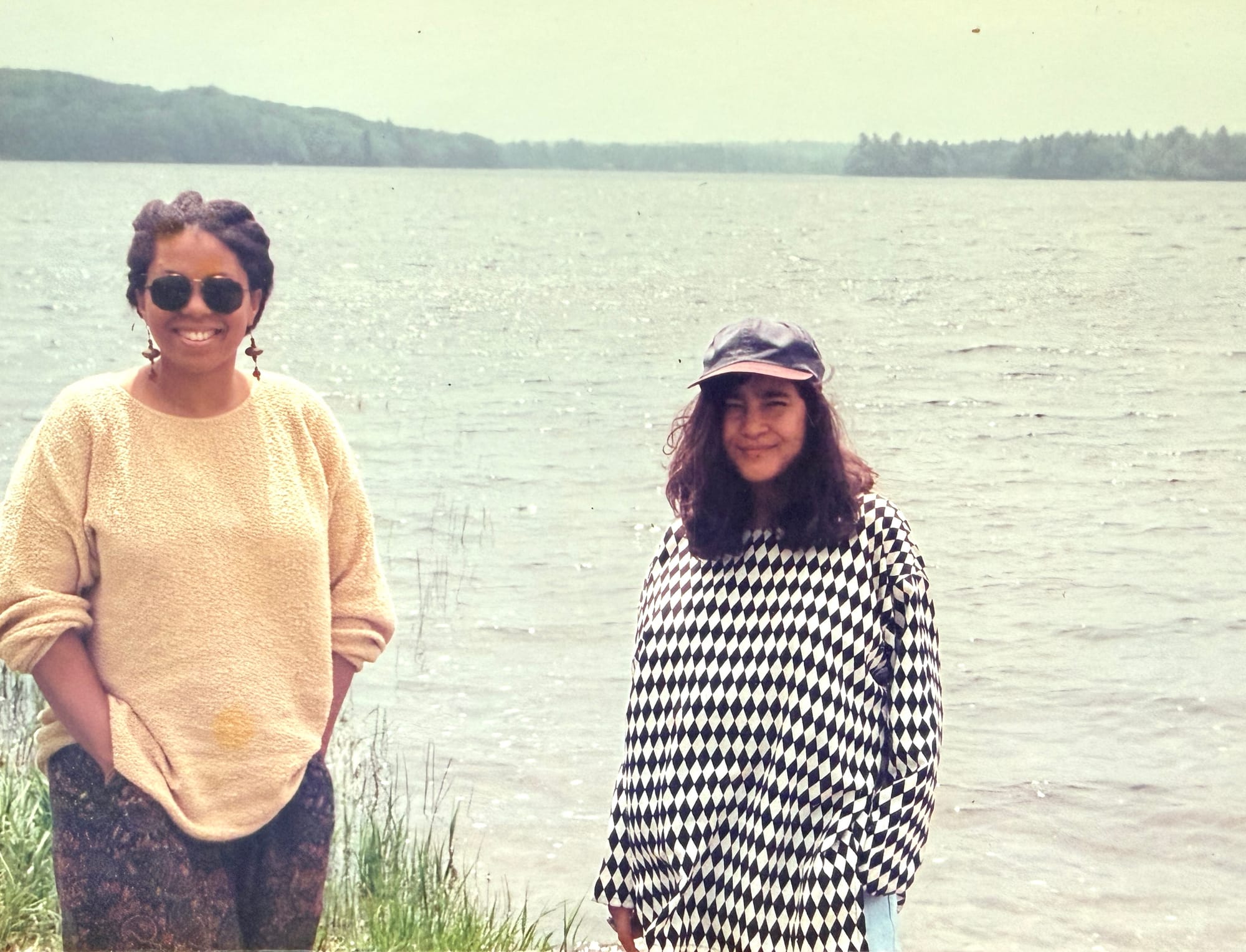
Shahzia Sikander, multi-media artist, New York: The first maternal friend I made as an immigrant to the United States in 1993 was the late artist Donnamaria Bruton, who came to my rescue when I slipped in the Rhode Island School of Design canteen and fractured my ankle. That year, she showed me how to file a claim, apply for a driver’s license, braid hair, and advised that the best way to read bell hooks was to read her aloud.
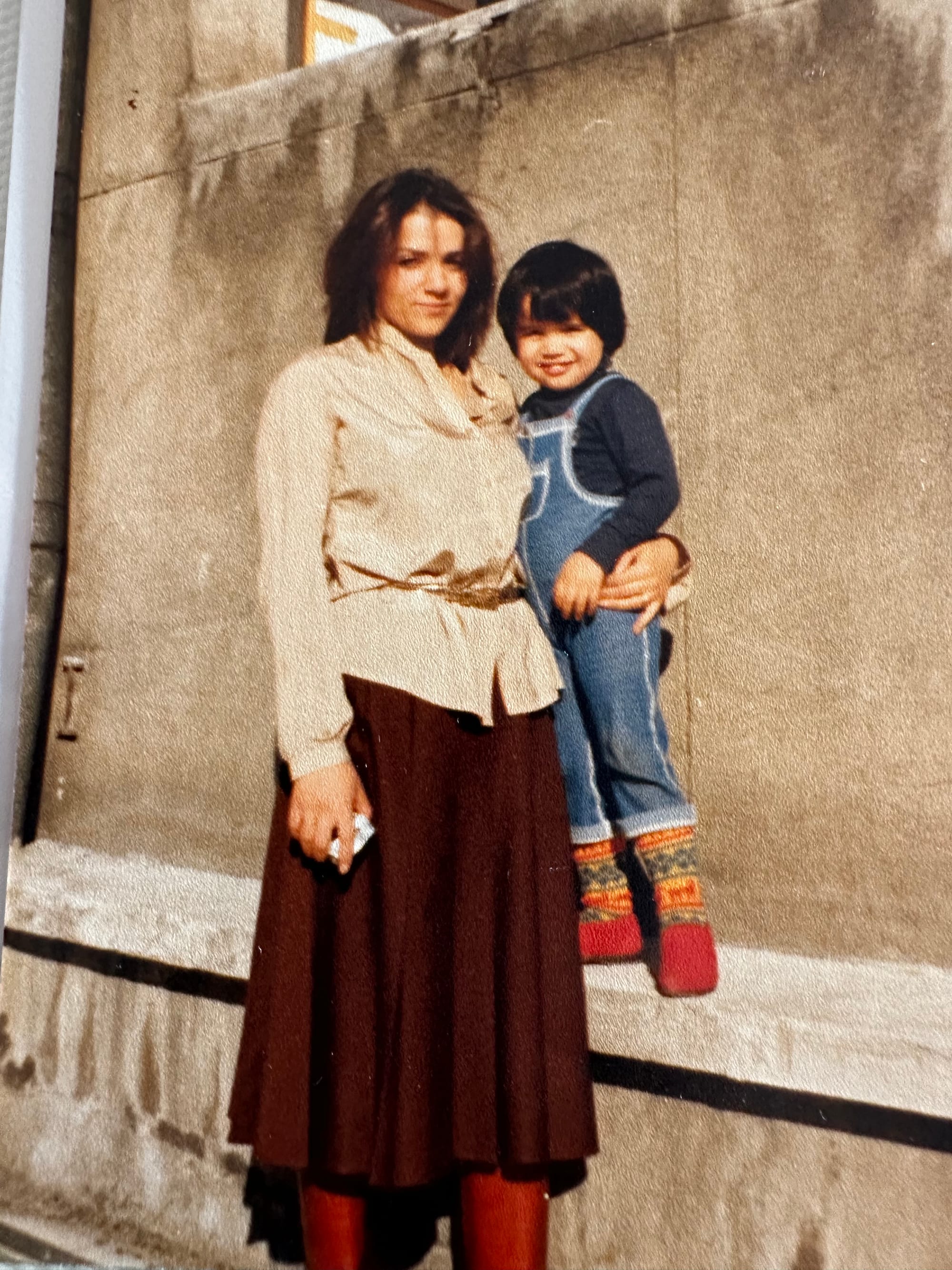
Ali Banisadr, painter, New York: When I was very young and constantly drawing, my mother, a psychologist in Iran, introduced me to the work of Carl Jung. She would speak to me about archetypes, dreams, and the imagination as if they were living things, forces that moved through us rather than something we simply invented. I didn’t fully understand it at the time, but I felt it. It made the inner world I was already building feel real, shared, and deeply connected to something ancient.
That early exposure shaped the way I think to this day. It set me on a path of searching – tracing images back to their origins, trying to understand how they carry meaning across time, and how they affect us both consciously and subconsciously. As a child, the idea of a collective consciousness was oddly comforting; it made me feel less alone inside my own imagination, as if what I was seeing and sensing belonged to something larger than myself. Looking back, this was both advice and a foundation. It gave depth and permission to my way of seeing, and it continues to guide my work in ways I’m still discovering. Thank you, Mom – and Happy Mother’s Day! Love you.
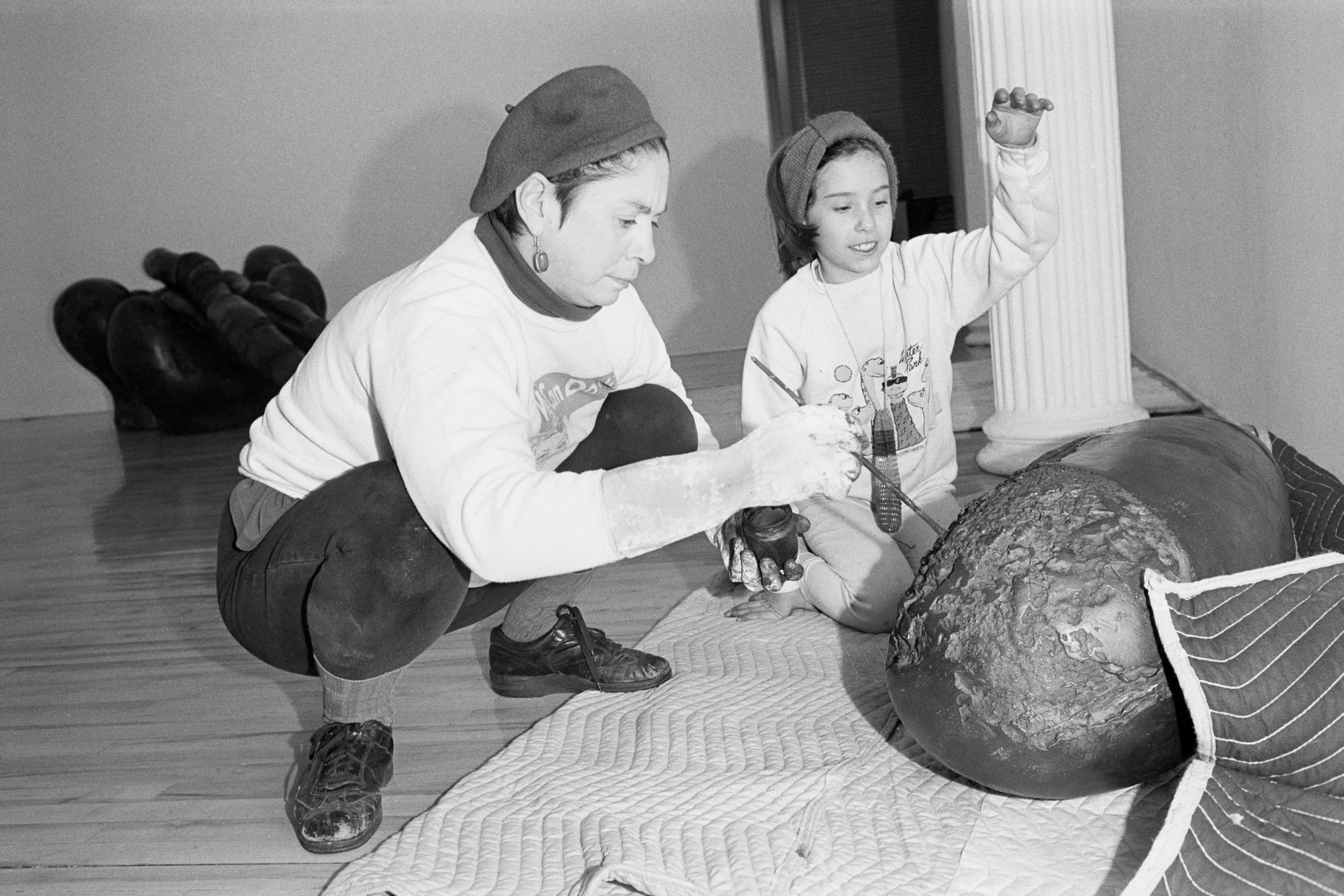
Eve Biddle, multi-media artist and founder of the Wassaic Project, New York: My mom [sculptor Mary Ann Unger] said to me: Don’t be an artist unless there’s nothing else you can be.
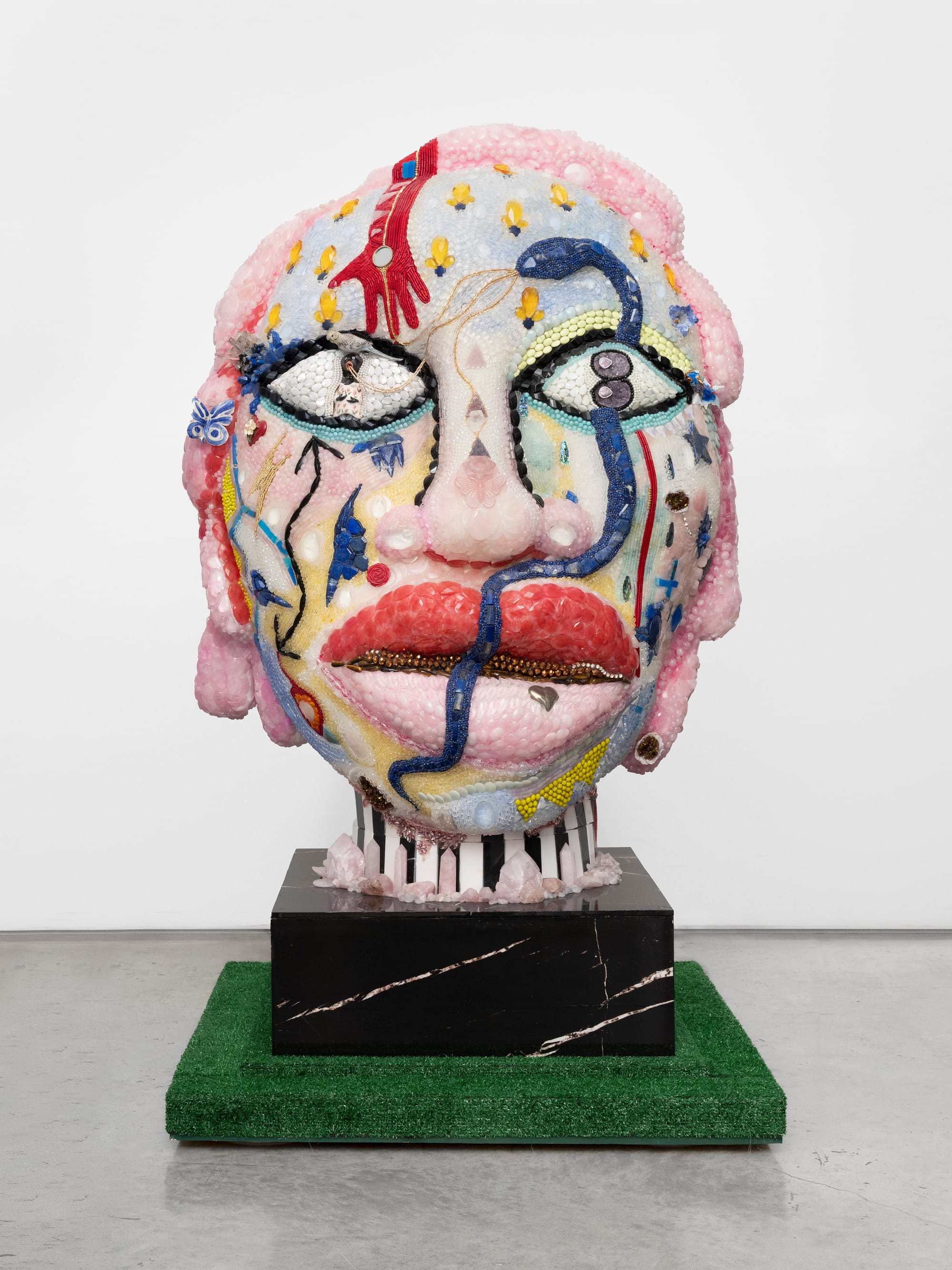
vanessa german, multi-media artist, North Carolina: My mother was an artist. She raised my siblings and I to be creative, independent, and brave. We made things with our own hands as a way to be alive. I think that one of the most profound trees of wisdom that my mother seeded in me is that I/we, as human beings are whole. We are whole the whole time. And that being human is more than having a body. My mother taught me that we are spirits IN a body — this made me feel like anything was possible.
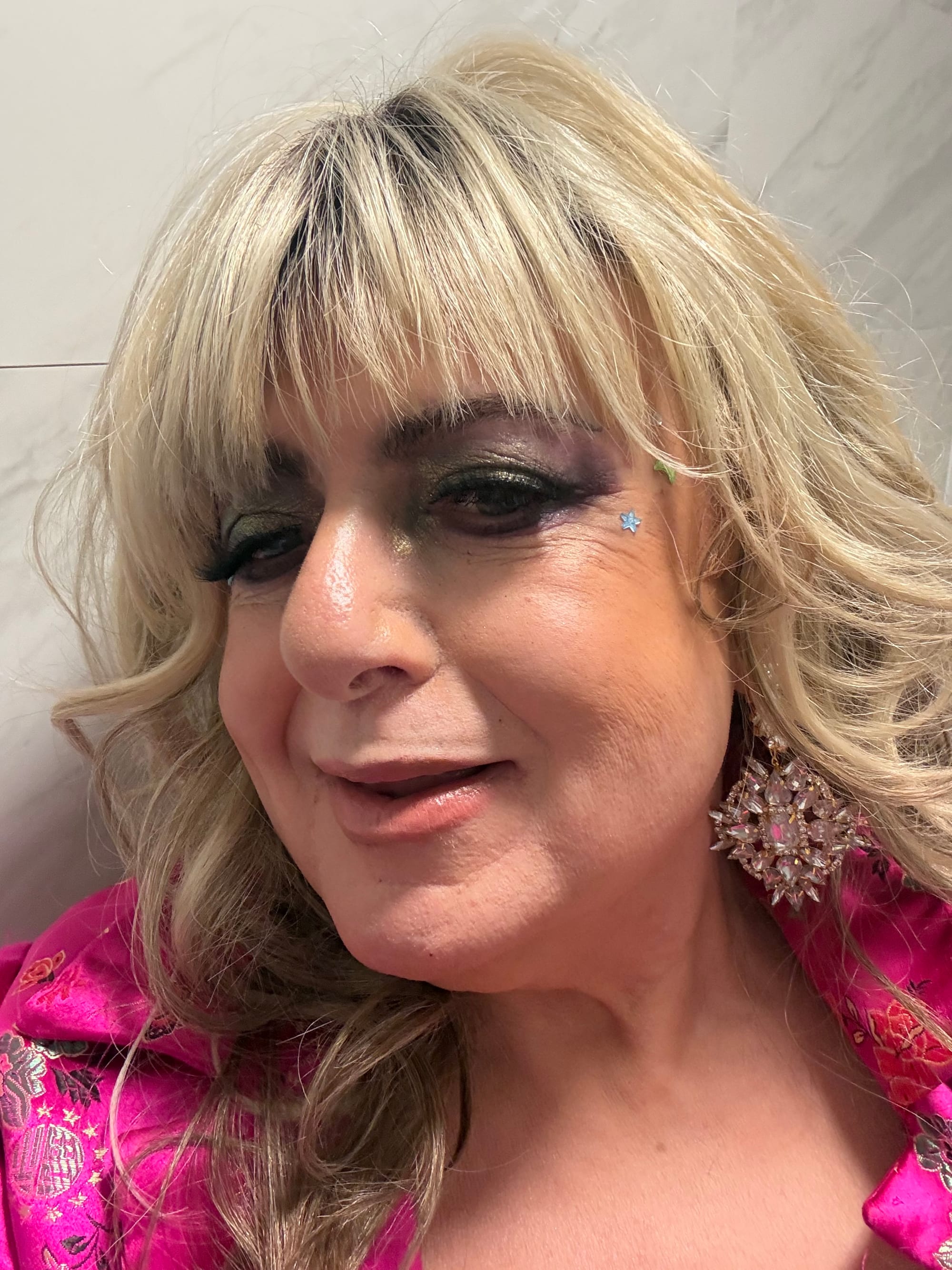
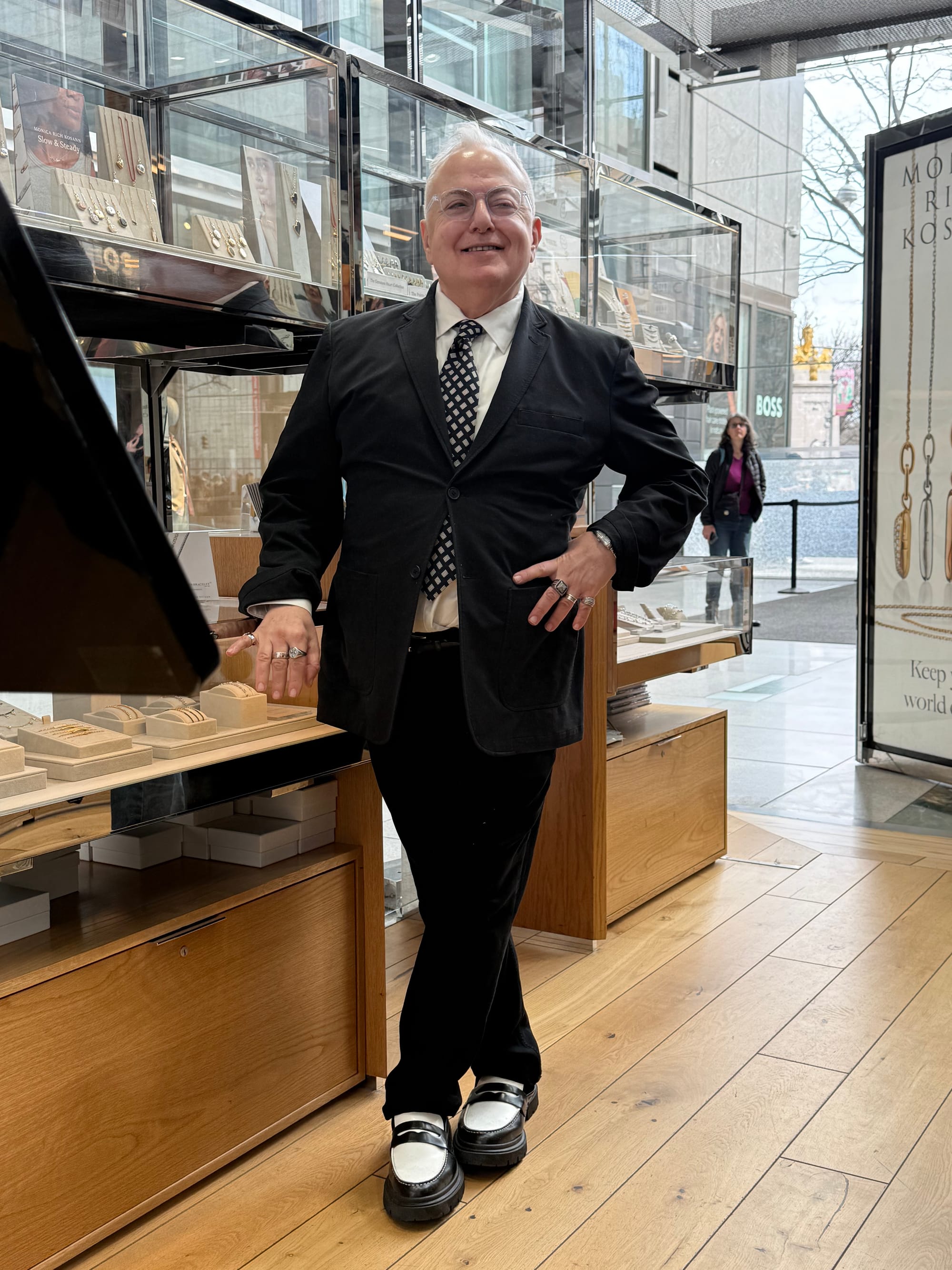
Fares Risk as “Sultana” looking pretty and not wearing plaid. (photos courtesy the artist)
Fares Rizk, painter and performance artist, New York: The best advice: Never wear plaid … If you dress in drag make sure you look pretty. Never compare yourself to anyone, be yourself always.
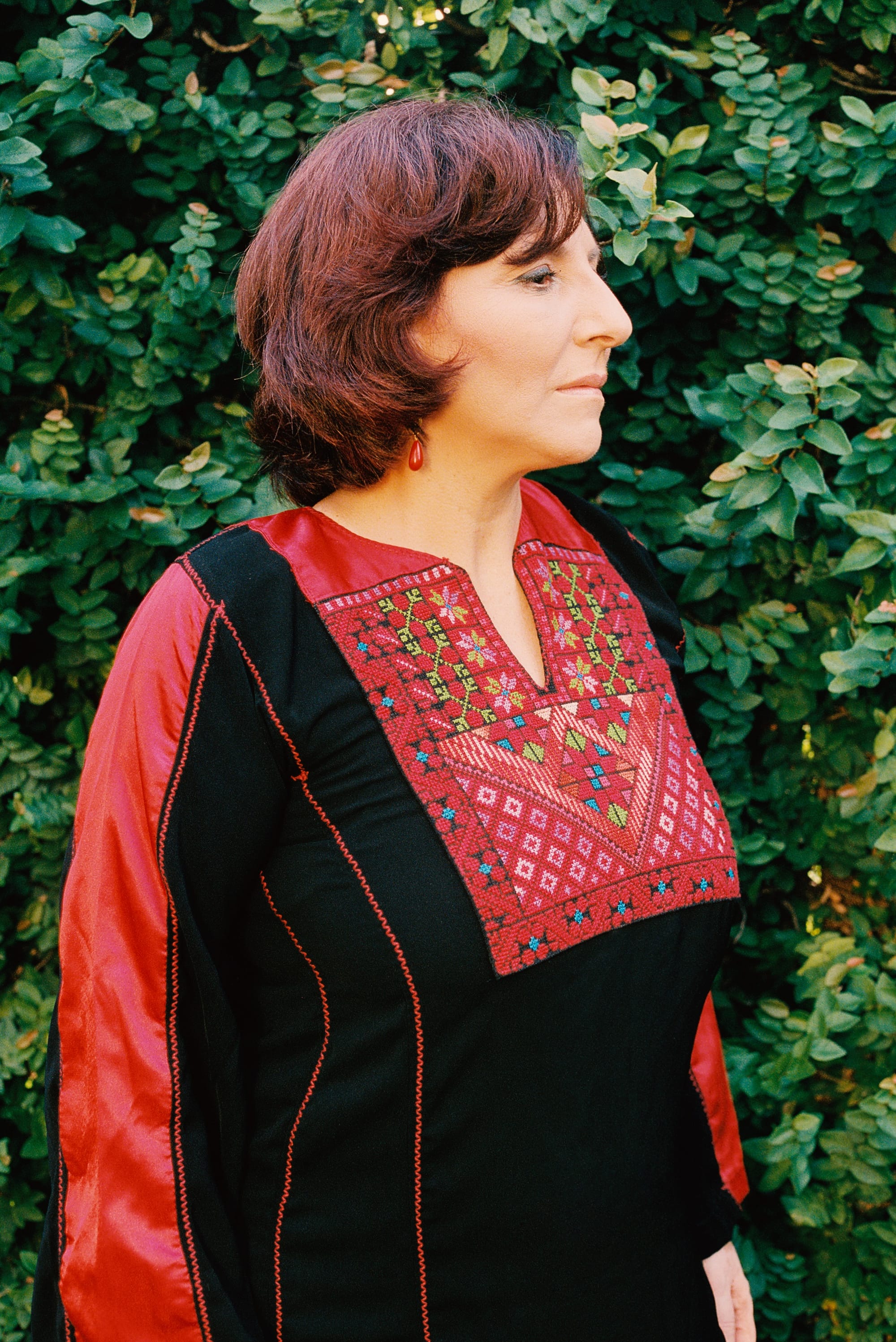
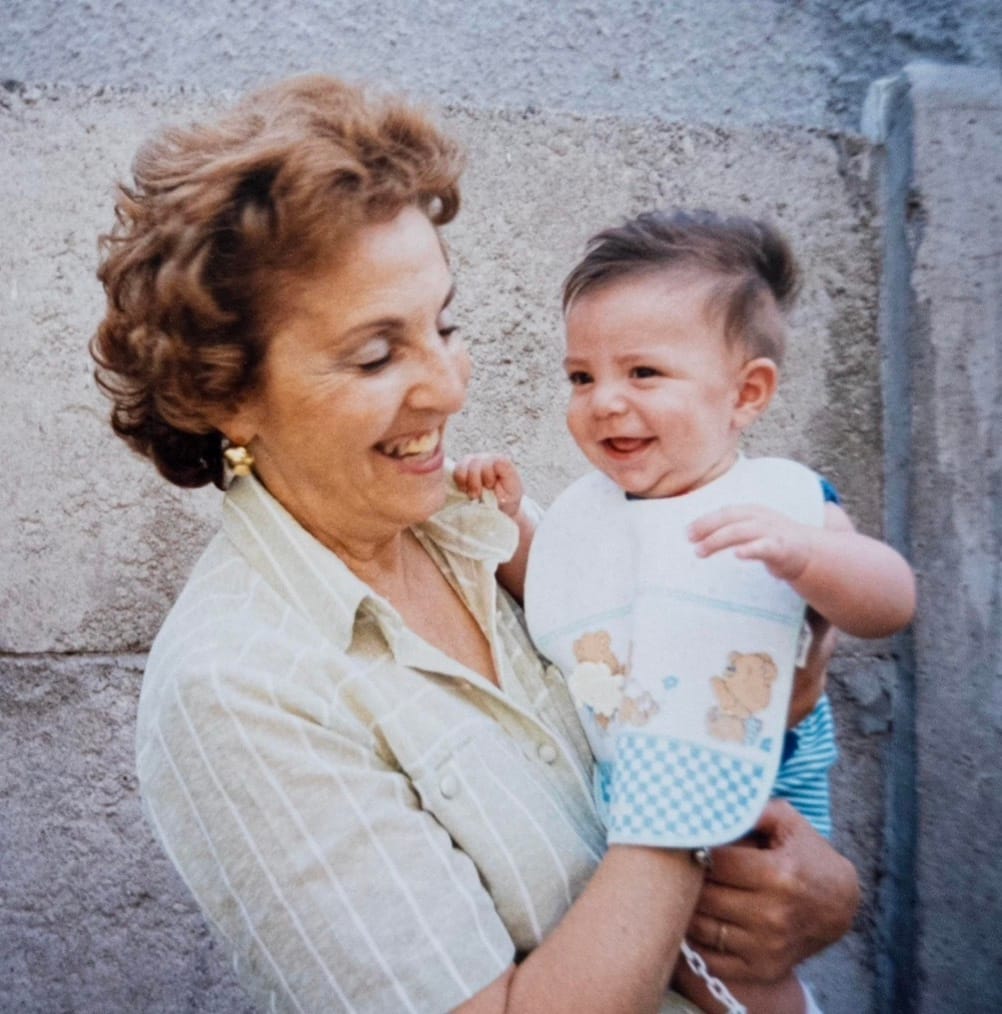
Left: Rischmawi’s mother; right: the artist with their sitti (photos courtesy the artist)
Elias Rischmawi, photographer, New York: I’ve been blessed to have been surrounded by maternal figures in my life … As a kid, I was always near them, either on the floor or on my sitti‘s (grandmother’s) lap. I have vivid memories of them laughing, singing together while rolling grape leaves or making maftoul from scratch. Their impact inspired me to continue their legacy by connecting and nurturing people through food.
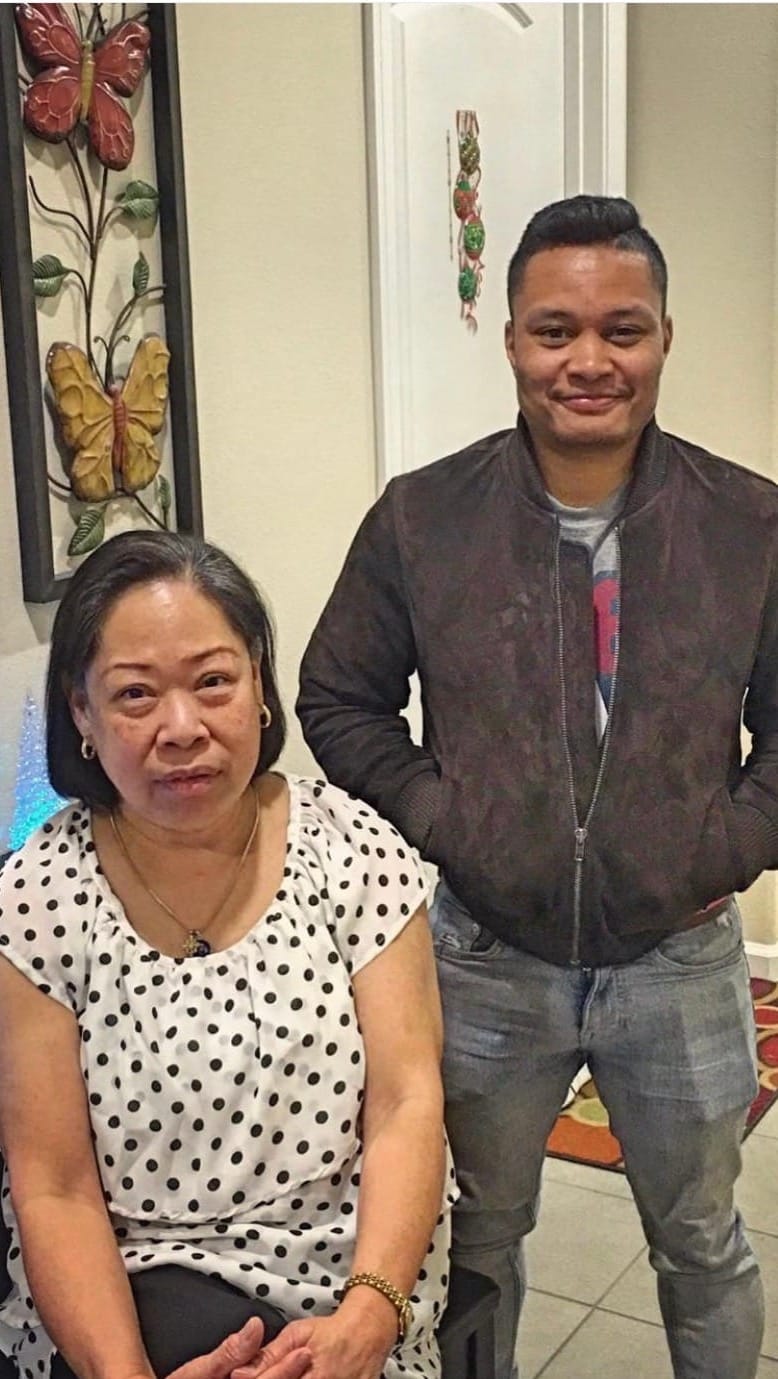
Aaron Bogan, illustrator and art model, New York: Mom’s advice wasn’t anything too ostentatious. Her simple advice to me was, “Believe in yourself as an artist.” I’ve been hearing it for two decades, and now that I’m in the twilight of my 30s, it’s all starting to make sense.
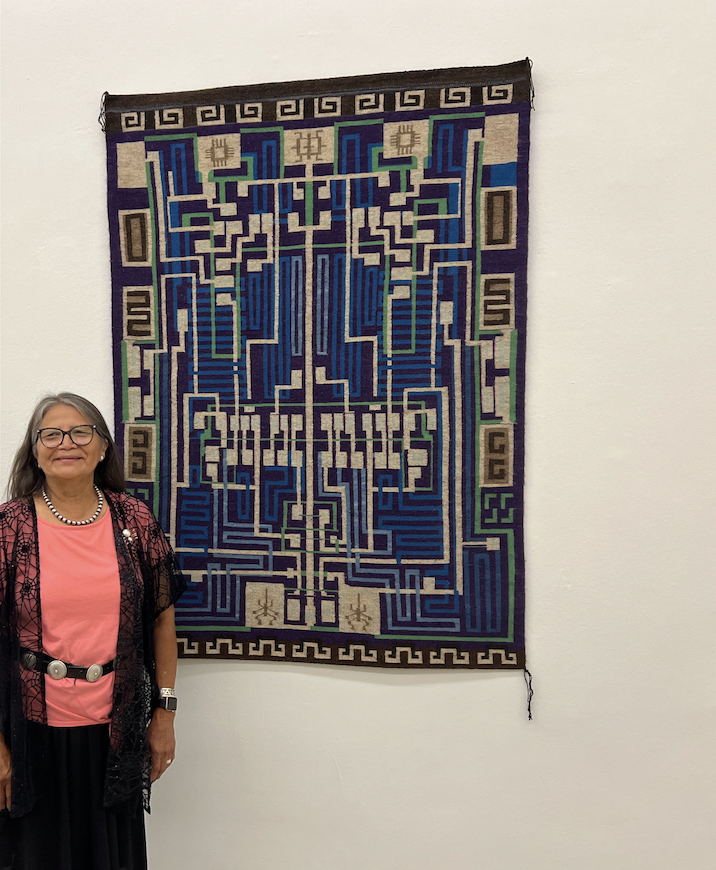
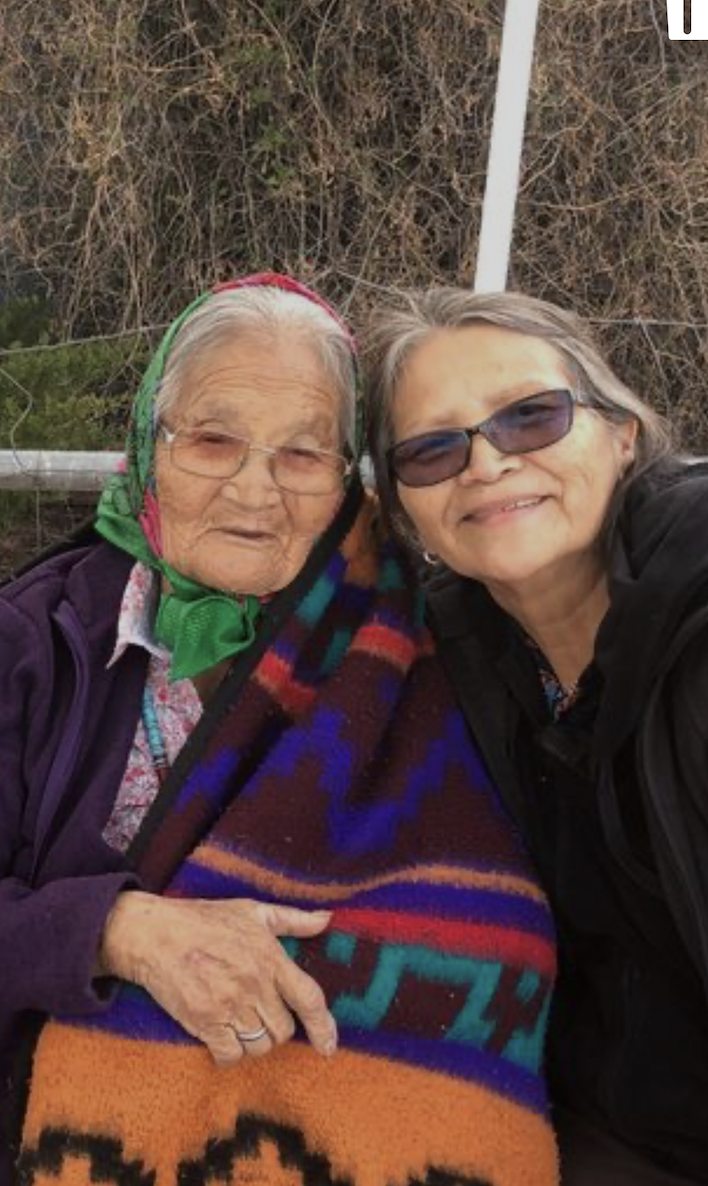
Left: Marilou Schultz with one of her weavings; right: the artist and her mother, the late Diné weaver Martha Gorman Schultz (photos courtesy the artist)
Marilou Schultz, Diné weaver, Arizona: The best advice that my late mom, Martha Gorman Schultz, shared with me is: She always told me to learn to do things quickly with my hands, but correctly. If you learn to do things quickly, then you will also learn to weave a rug quickly and complete a task in a short amount of time. I have used this advice in everyday life in completing tasks, including my weaving projects.
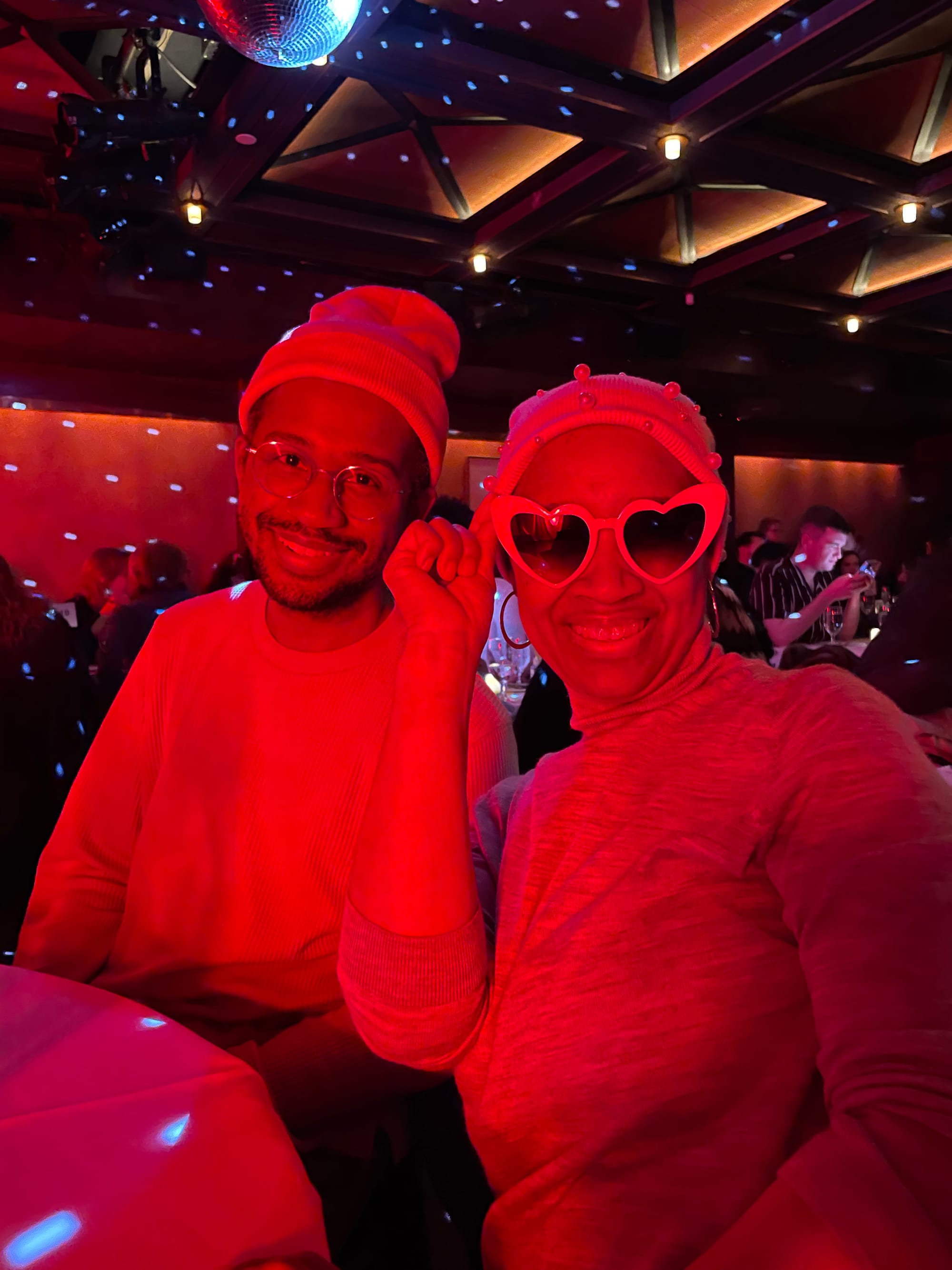
Kameron Neal, installation and performance artist, New York: My mother taught me how to be silly. She taught me how to play, how to laugh until my face burns, and how to dance in the kitchen to “Believe” by Cher. I think this might be my only real skill.
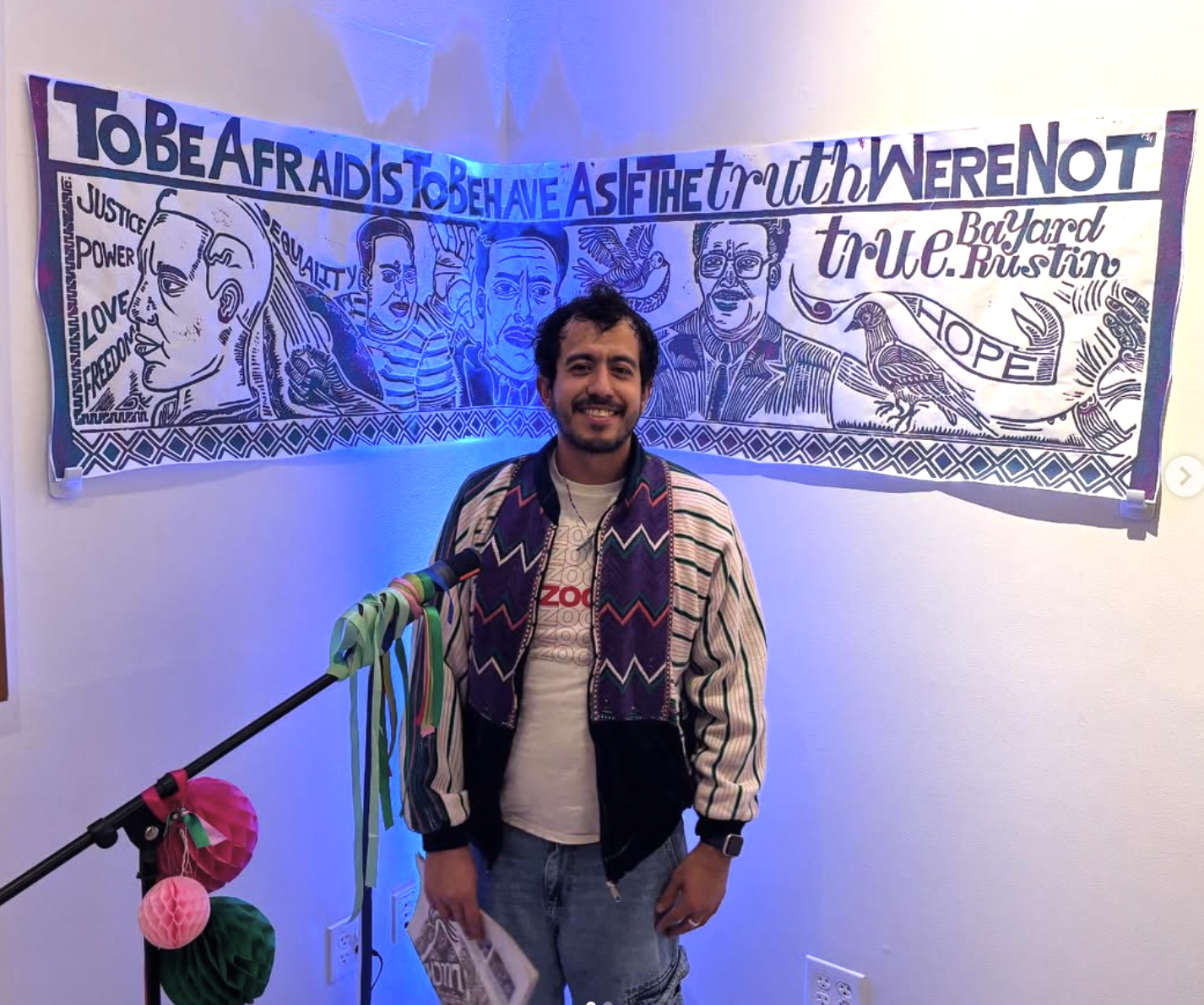
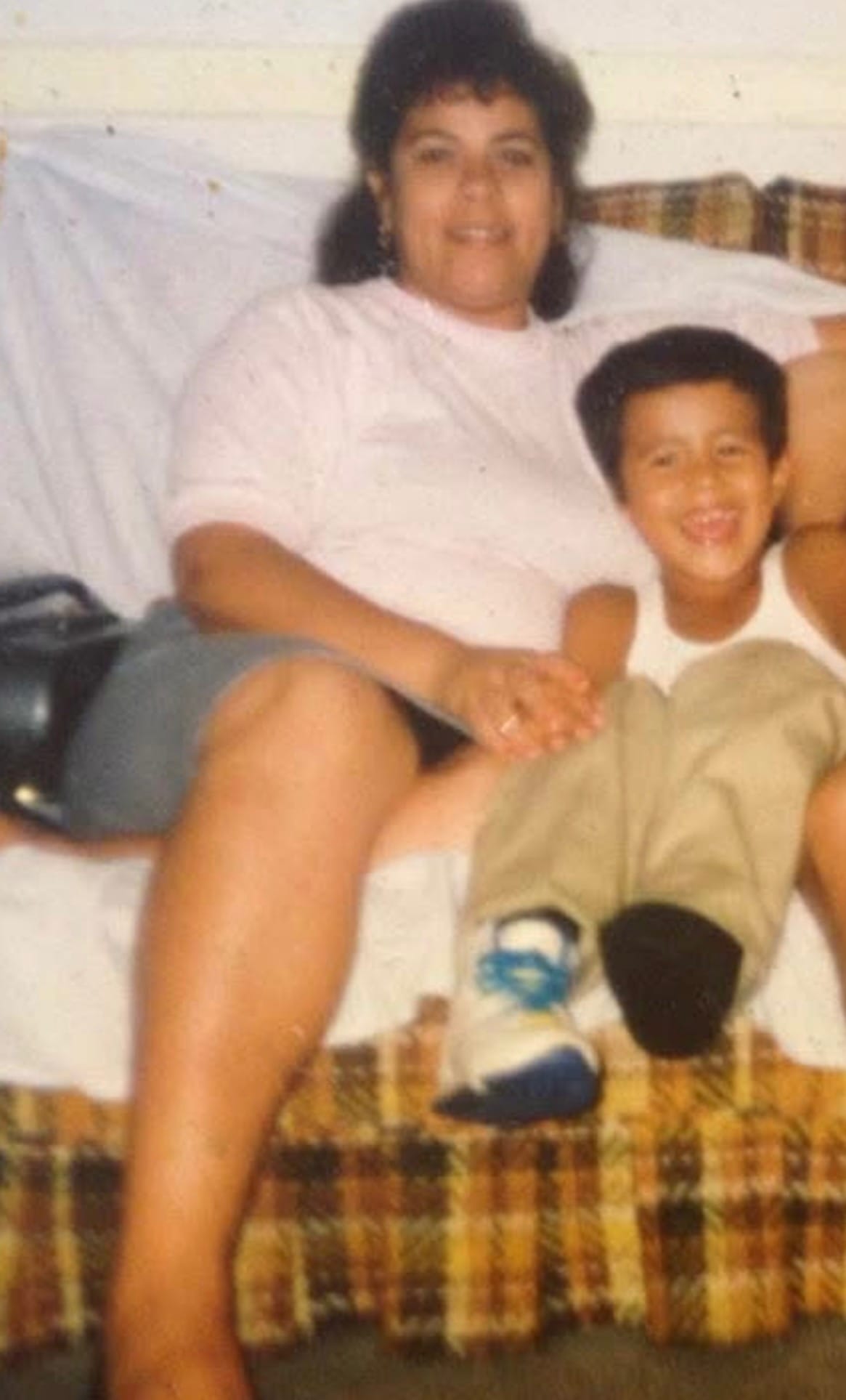
Left: Nicolás González-Medina and his art; right: the artist with his mother Virginia, who passed away in 2010. (photos courtesy the artist)
Nicolás González-Medina, printmaker and immigration activist, California: I lost my mother in 2010, and it was at that point that I decided to fight for my dreams just as she did. I learned to work hard from a young age, and being creative was my escape. At times, she didn’t understand my passion for art, but she still let me take art classes at Yollocalli in Chicago for years. Even though my mom didn’t understand why I wanted to be an artist, she showed up for me and would be proud that I fought for my dreams.
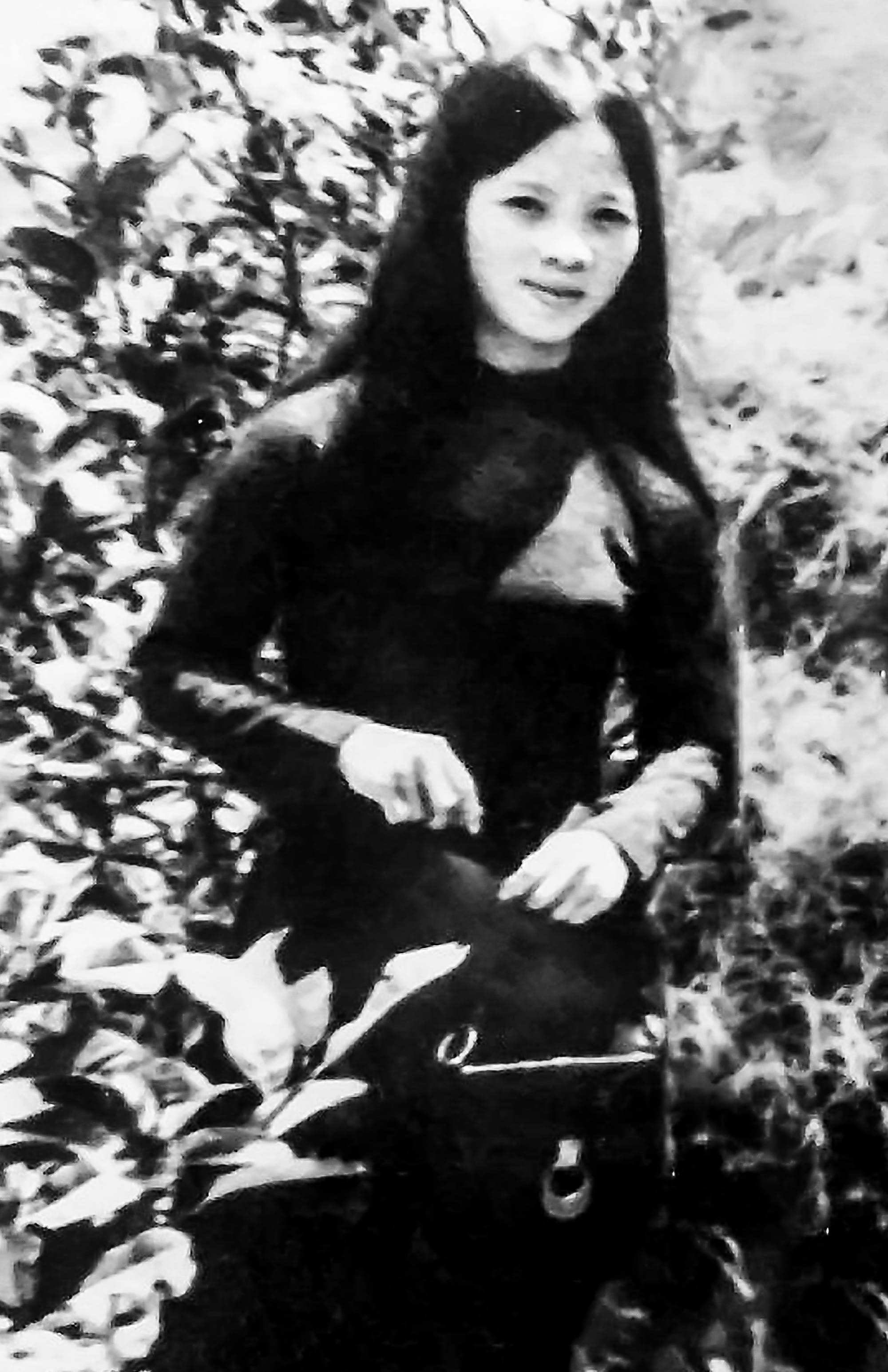
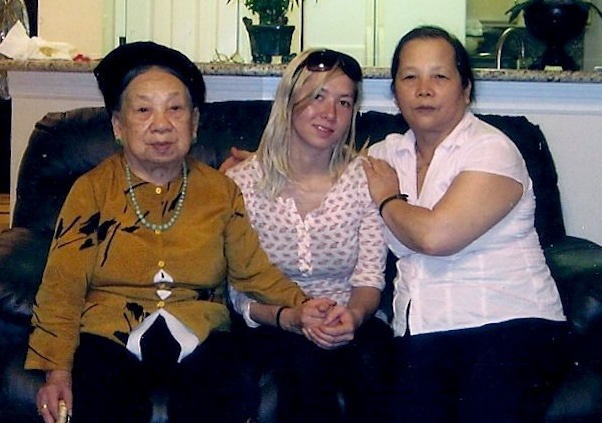
Left: Veedra’s Mẹ (mother) as a young woman in Vietnam; the artist reuniting with her family in 2010 (right) (photos courtesy the artist)
Anna Veedra, artist and art model activist, New York: My mother and I had a unique relationship; we were separated at birth and then later reunited … Her best advice: To me, as an artist, so much of creativity is learning to respond as life unfolds. I remember my mother holding my hand and saying, “Be careful, life is not what you think it will be.” After living through a war and having to give me up, she thought she would never see me again … only for me to return years later down the road … You can be certain of how you think things are, and then they will change.
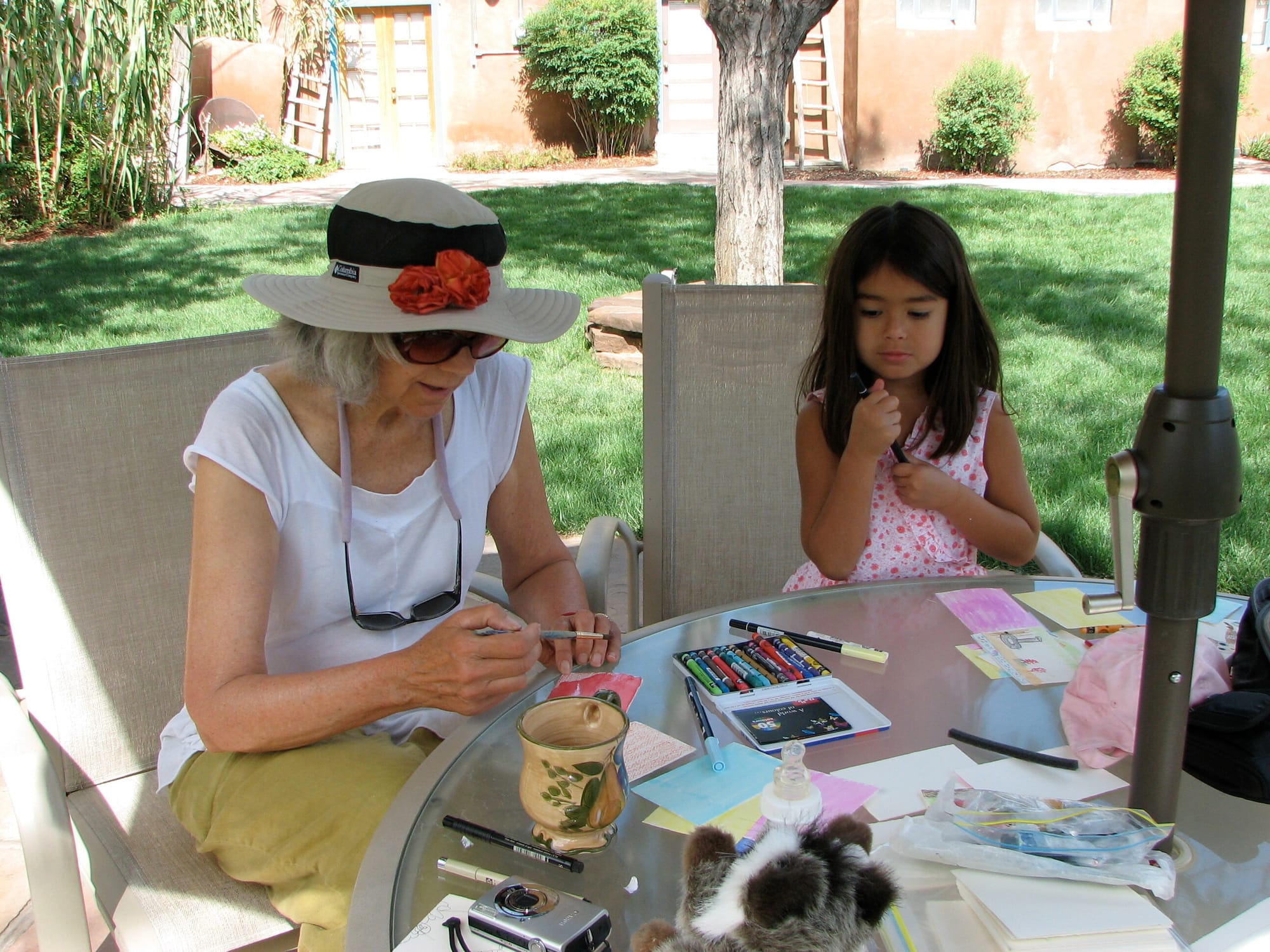
Barbara Sapienza, painter and grandmother of Hyperallergic Staff Writer Isa Farfan, California: Don’t let the bastards get you down!