June 23, 2026
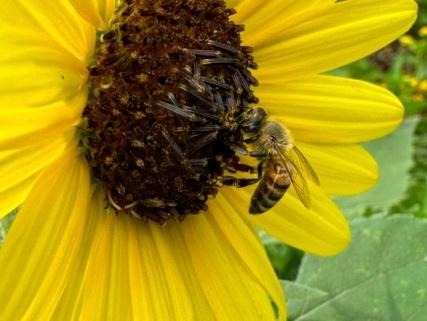
Savannah Bee Company in Georgia just posted some very helpful information that we wanted to share with our readers.
From Savannah Bee…
The table you set started in the hive!
“Bees support more than 100 U.S. crops. Pollinators are responsible for 1 in 3 bites of food we eat. Consider these five things worth knowing about our favorite pollinators:
*They support 100+ U.S. crops. From almonds to zucchini, the USDA credits bees with pollinating the food that sustains us.
*They shape entire ecosystems. Without pollinators, ecological webs collapse. Protecting bees means protecting landscapes far beyond the orchard.
*Bees practice “flower fidelity”. A bee returns to the same bloom type during a forage trip. This precision is why Tupelo honey tastes like nothing else.
*Wild bees are just as vital. Thousands of native, wild bee species work alongside honeybees to keep agriculture and nature thriving.
*Hives create more than honey. From beeswax to royal jelly, the hive’s diverse bounty reminds us it is a living system worth protecting. “
As gardeners, let’s be intentional in doing our part to provide seasonal foraging opportunities for the bees in our own gardens. Look for plants that offer a steady stream of blooms from spring until winter.
Avoid using chemicals, if possible. This helps to protect the hives from harmful toxins.
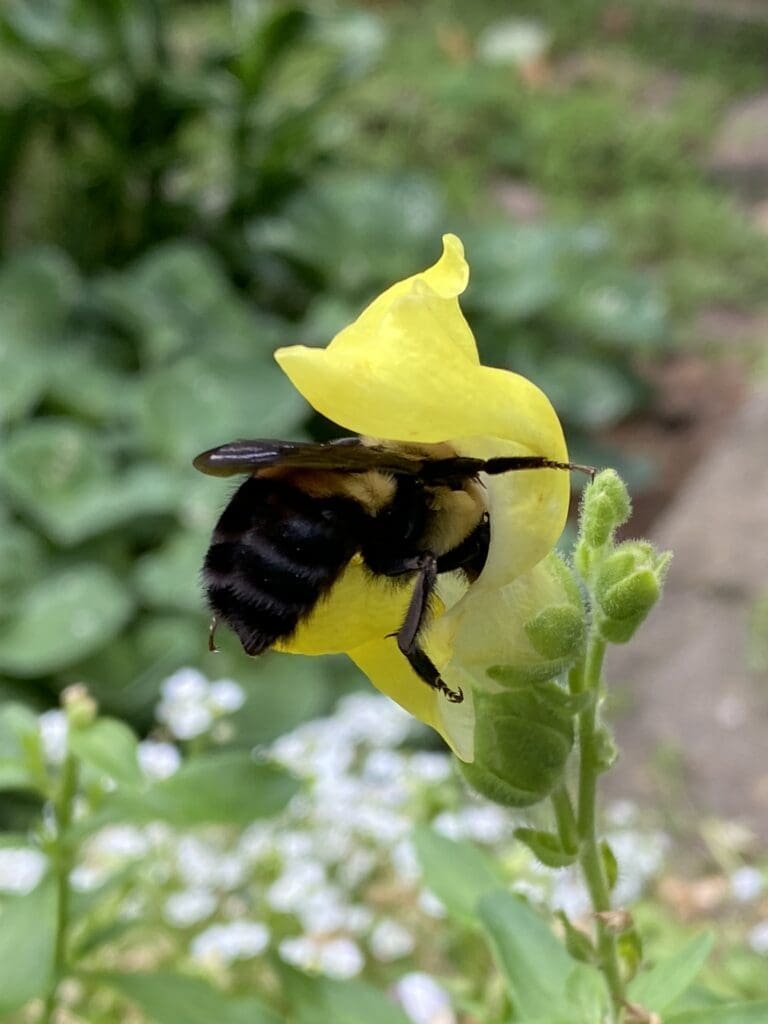
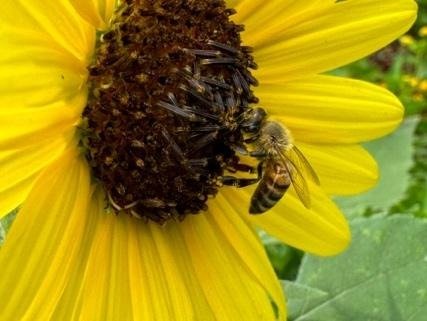
Over the past few years, I’ve become more focused on creating a pollinator friendly environment in my garden. Thankfully it is now visited daily by a large honeybee population. It is fascinating to observe how this “teamwork” approach to pollination gives great results. Overall, here are my top three favorite blossoms to share with the bees!
My A, B, C’s for attracting pollinators:
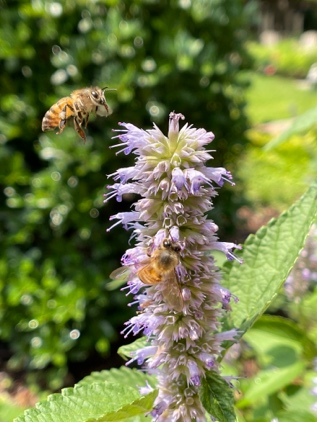
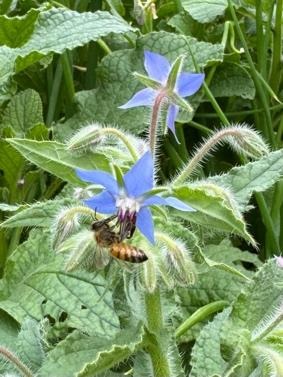
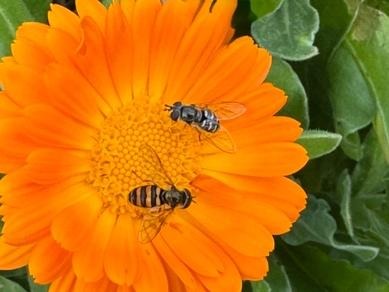
For additional pollinator friendly plant ideas, click here.
Linda Alexander, Dallas County Master Gardener Class of 2008