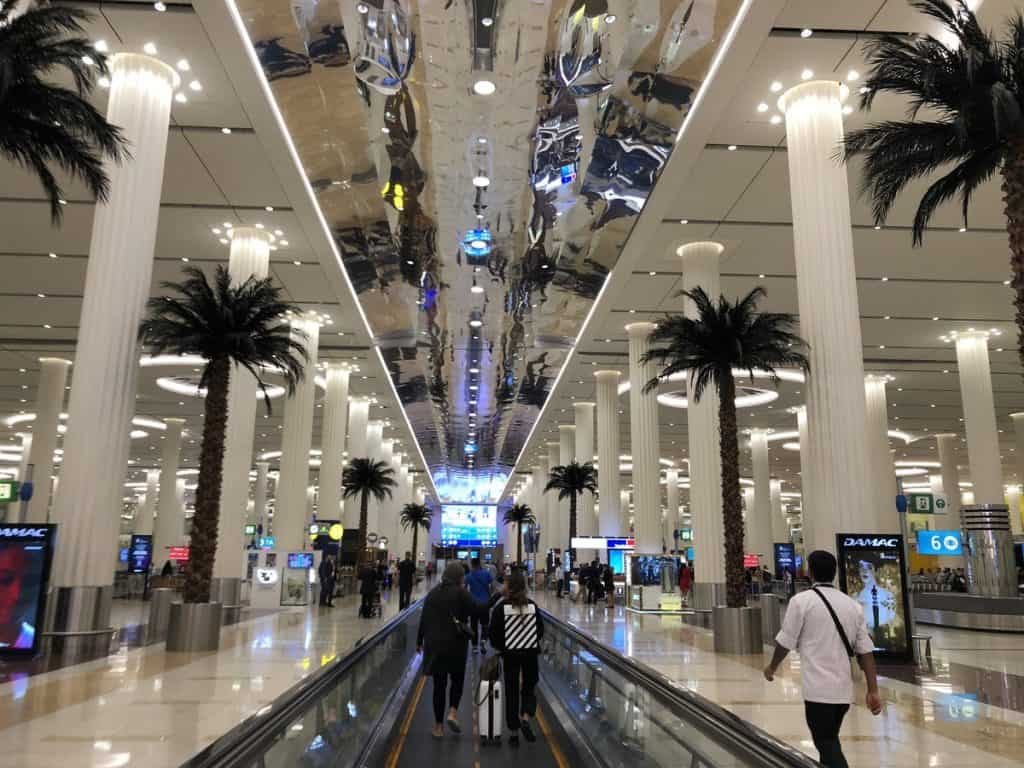
When I was flying to Munich every Monday at 5.30 am, I had to make sure that I was ready for my trip and not forgetting the essentials. I created a packing system and a checklist to make sure that nothing was missed out. I had a Munich guidebook, learnt a few German phrases and worked out how to get from the airport to the hotel. After a few trips, we found a local Turkish family who ran a fleet of Mercedes taxis and we used them exclusively to pick us up. The trick to a good trip is being prepared and using a packing checklist really helps.
Travelling stress-free is totally dependent on how well you prepare
Here are the steps I take before every trip.
- research and planning
- health prep
- packing
- staying safe
- planning an itinerary
- getting familiar with the local language
- learning about local cuisine and plan places to eat
Researching Your Destination Before You Travel

I almost never turn up somewhere completely cold. Before any trip, I spend time learning about the local culture, customs, history and geography of where I’m headed. Understanding local customs, things like appropriate dress for religious sites, tipping etiquette in restaurants, or how people greet each other, goes a long way. It shows respect, and it tends to open doors to more genuine connections with the people you meet along the way.
Travel blogs, guidebooks, documentaries, social media and local news articles are all good places to start. They give you a much more honest picture of daily life at your destination than a mere guidebook ever will.
If you need to book a package tour with Jet2Holidays or TUI, google “MSE Beat My Quote” and travel agents will give you a better price.
Health Preparations for International Travel
Travel health is something I take quite seriously. If you have an underlying health issue, book a general check-up with your GP or a travel health clinic. This gives your doctor time to flag anything that needs attention and to advise on any destination-specific health risks.
A few things worth sorting well in advance:
- Vaccinations: check what’s recommended or required for the countries you’re visiting, and book any jabs early since some need weeks to take effect.
- Prescriptions: top up repeat prescriptions so you’ve got more than enough to cover the whole trip.
- Eyesight: visit your optician and update your prescription if needed. This is useful in some countries who can make you glassses overnight for half of that in the UK. If you wear contact lenses, pack extra pairs, as your usual brand might not be available abroad. If you wear dailies, bring a few extra days’ worth. I usually bring a lens case and a small travel size saline solution too. If you need to, you can sterilise the case with boiling water and put your lenses in the case with saline.
- A basic travel health kit: pain relief, antihistamines, blister plasters, tiger balm and any regular medication, so you’re covered as finding a pharmacy in a new country might not be that easy and they might not have the medication you need.
Packing Tips: How to Pack Smart
Overpacking is one of the most common travel mistakes and I’m guilty of this. I tend to bring a couple of extra sets of clothes and shoes for most trips. Unfortunately, this means that I usually have to fork out extra for check in baggage when flying.
How I pack is to lay out what I need for every event on the trip. From casual to formal, outfits and shoes. I tend to pack versatile clothing that can be mixed and matched across several outfits. Simple black trousers and a black dress are easy to dress up or dress down when needed. Invest in decent packing cubes to keep things organised and compressed, which leave a bit of spare room for anything you pick up along the way. Wear the bulkiest and heaviest pieces of clothing if you can and hand carry a jacket.
Eating all the interesting local food
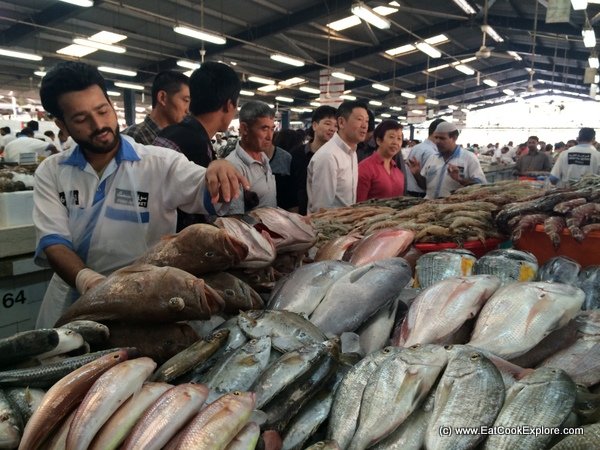
As a foodie, I always research the local cuisine. What to eat and where to find it at the destination. I always ask friends who have been there for their dining tips. I research on social media but find that a lot of those recommendations are paid for and undeclared. It gives me an idea of places to eat and from there, I look for similar local places.
Skip the restaurants with laminated multilingual tourist menus and photos of every dish in the window. Follow the locals instead. A busy neighbourhood café, a street food stall with a queue out the door or a family-run place tucked down a side street will almost always give you a better dining experience.
I also search out the local markets and supermarkets as this is a shortcut into a local culture.
Learning a Few Words of the Local Language
I love learning new languages and visiting a new place that speaks a new language is an opportunity to add another language.
I speak 3 languages quite fluently and can manage travel/restaurant level in French, Italian and Spanish. This helps when ordering food and finding my way around. Even just learning the basics like please, thank you and greetings shows respect and takes you a long way in daily interactions.
Locals notice the effort and even a basic attempt at their language can turn a simple transaction into a genuinely warm moment. Especially in France, make sure you start with Bonjour when you go to any shop or restaurant or you might find you get ignored and don’t get any service.
Choosing Locally Owned Accommodation
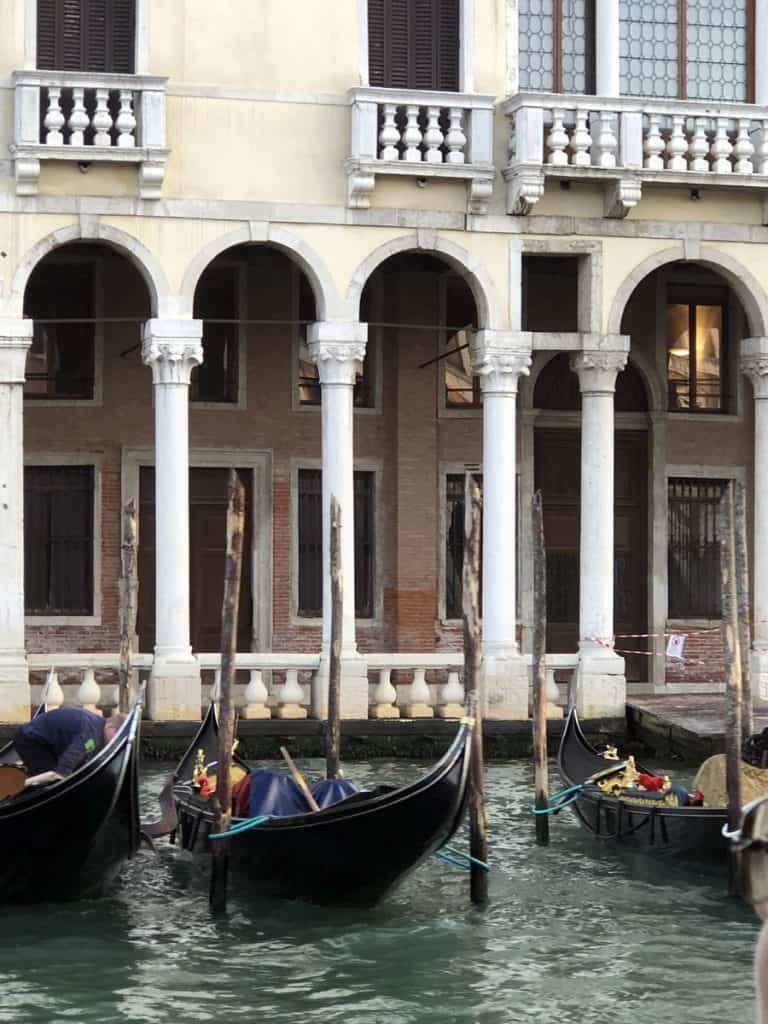
Big hotel chains are predictable, but locally owned boutique hotels, guesthouses and family-run bed and breakfasts offer something more, local culture. Hosts who actually live in the area can point you towards their favourite cafes and restaurants, hidden gems, and share stories no guidebook will ever mention.
Also, your money goes straight into a small business in the local economy rather than to a corporate head office on the other side of the world.
Joining Local Tours and Events

Choose experiences run by local guides rather than big international tour operators. A neighbourhood festival, a local market, a community cooking class, or a walking tour led by someone born and raised in the area will give you context and connection that a generic group tour simply can’t match.
Staying Safe and Comfortable on the Road
Travel Health Essentials to Pack
Always carry a basic travel health kit, any prescription medication, pain relief and basic first aid supplies. Before you trip, know the local emergency numbers and keep your travel insurance documents somewhere easy to access. Have a printed copy of the travel insurance handy too. Being prepared doesn’t take the adventure out of a trip, it protects you.
Protecting Yourself from Sun, Wind and Dust
Travel can take quite a toll on you. The change of time zones, unfamiliar beds, and different food can all make you unsettled. The elements can affect more than just your skin. Strong UV rays at altitude, dusty roads, sea spray and long hours in air-conditioned vehicles can all cause real discomfort and damage to your skin, eyes and respiratory system.
A few practical habits help:
- Wear quality sunglasses with proper UV protection.
- Apply broad-spectrum sunscreen regularly, particularly in sunny, high altitude or reflective spots like beaches and snow. The best option is La Roche Posay Anthelios UVMune.
- Bring a wide-brimmed hat to protect you from more UV rays.
- Carry lubricating eye drops if you’re heading somewhere dry or windy.
- Pack a light scarf or buff to protect your nose and mouth from dust and wind. This is also useful when visiting religious places on your trip.
- Stay well hydrated, since this helps your body cope with harsh conditions generally. I bring along my water bottle and keep it topped up.
Keeping Important Travel Documents Safe
Keep digital and physical copies of your passport, travel insurance policy, visa documents and emergency contacts stored in separate places. A secure travel app or emailing copies to yourself is another precaution. Knowing that these important documents are secure gives you peace of mind on your trip.
A truly enjoyable trip is not about spending more or a more exotic destination with overwater villas. It comes down to intention. It’s about showing up curious, prepared and ready to step outside your comfort zone and widen your horizons.
So plan that next trip, visit a new country, learn a new language and find a new culture to enrich your travel experiences and make memories.