
Walk onto the cutting floor of almost any garment factory in the world and you’ll see rolls of fabric laid out in stacks. A technician arranges a pattern on the cloth to cut out the building blocks for the garment: sleeves, pockets, bodice.
The problem is that the pieces never fit together perfectly. Around the curves of a sleeve, the notch of a collar, and the taper of a side seam, there are always gaps—slivers and crescents of fabric that must be cut around and swept away. That refuse is known in the industry as cut-and-sew waste. Most consumers never think about it, because it happens long before a garment reaches a store.
But it adds up to one of fashion’s biggest yet least-discussed problems. By industry estimates, somewhere between 10% and 15% of fabric is lost in the cutting process. The waste matters because fabric is the single most expensive input in a garment, accounting for up to 70% of the total cost of making it. And it matters environmentally, because every discarded scrap embodies the water, energy, and carbon emissions required to make it.
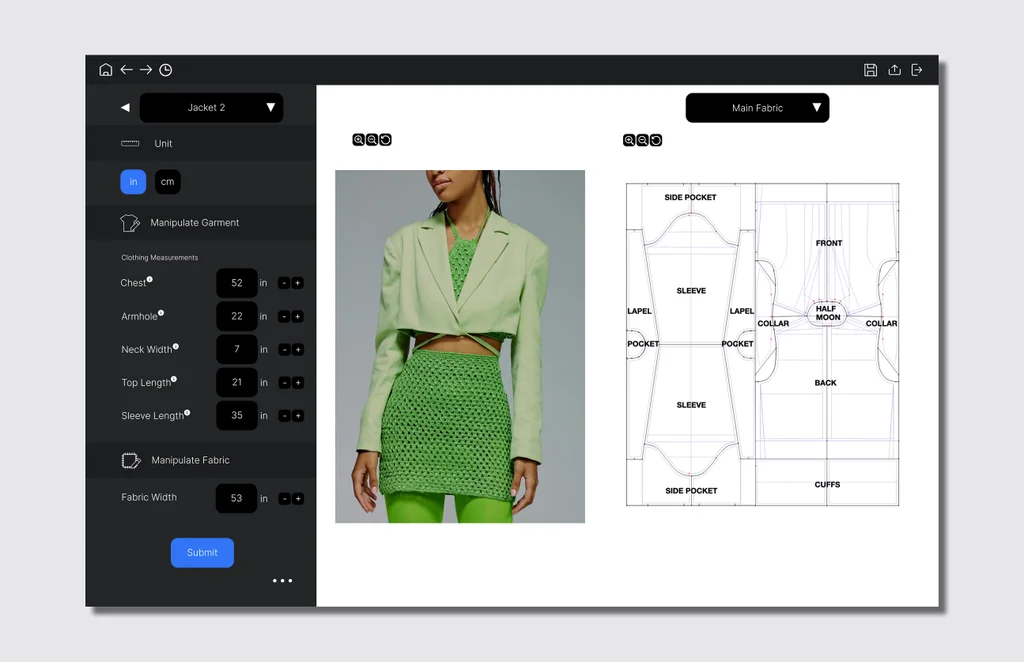
Shelly Xu wants to drive that fabric waste number to zero. Her company, Shelly Xu Design (SXD), is a 15-person startup building AI software that reengineers clothing patterns so the pieces interlock like puzzle parts, leaving nothing behind. Crucially, it doesn’t ask factories to change their process; it fits seamlessly into the current system.
“It doesn’t change how people actually sew cloth together,” Xu says. “You’re just cutting them into different shapes so that they take up less space on the fabric.”
SXD just closed an oversubscribed $4.5 million pre-seed round led by Initialized Capital. After four years of building the technology, the company is ready to scale.
SXD has partnerships with the H&M Foundation and the Coop bookstores at Harvard University and the Massachusetts Institute of Technology, just signed a multiyear deal with one of the largest music record labels to convert tour merch to zero waste, and is preparing to launch with a European apparel group whose clients range from Uniqlo to Ralph Lauren.

A Childhood of Limited Resources
Xu traces the whole idea of her company to the very small apartment she grew up in. She was raised in Hefei, in China’s Anhui province, not far from Nanjing. The home she shared with her parents was just a few hundred square feet, so fitting life into it became a daily puzzle. They slept on bed rolls that had to be folded and put away in the morning, and they bought only enough groceries for the next meal or two.
Xu also watched green spaces near her home become dumping grounds. “I saw firsthand how detrimental waste can be,” she says.
These experiences taught her to see limitation as a design challenge. She often invokes Piccaso’s line that restraint is what liberates invention. Limited resources, in Xu’s view, aren’t a hindrance to good design. “Really good designs can come from the idea that we live with limited resources on our planet,” she says.
To pursue these ideas, Xu studied sustainable development at Columbia University, where she explored how to bring more eco-friendly approaches to fashion. She also taught herself to design clothing and to code, then began building a platform that would allow designers to create zero-waste clothing patterns.

To test the technology, she designed a small collection of zero-waste outfits, stitched 200 garments by hand, and created an Instagram account to showcase them. Shelly Xu Design quickly amassed 20,000 Instagram followers, buyers paid thousands of dollars for her pieces, and the collection sold out.
Xu deliberately didn’t highlight the sustainability aspect of her garment-making process; she wanted to show that it’s possible to create beautiful clothes that also happen to generate zero waste. “Even without people knowing its sustainable, people should be able to tell it’s a good design,” she says.
The overwhelming positive response convinced Xu that there is a business in this technology. While software companies like Lectra and Dassault Systèmes are working to reduce cutting-room waste in apparel manufacturing, none have yet achieved zero-waste designs. So Xu enrolled at Harvard Business School to determine how to create a profitable business.
“People like myself who love making great products, we can be some of the worst businesspeople, because we’re not thinking about how to create a business that can sustain itself,” she says.
When she graduated in 2021, the nascent SDX won Harvard’s New Venture Competition, taking both the grand prize and the crowd favorite award, in a contest whose past winners include Grab, the Uber of Southeast Asia.

A Mathematical Problem
Thanks to this award, Harvard professors introduced her to experts who could help her build her company. The dean of engineering connected her to Takeo Igarashi, an AI professor at the University of Tokyo, who helped her think through the software. Xu went on to hire his student, research engineer Maria Larsson. The company built software that uses AI to translate any garment into a zero-waste design.
In many ways, the cut-and-sew process of making a garment is still very old-fashioned. Most factories rely on established patterns for cutting garments from cloth, which a garment worker then sews on a machine. Technicians try to conserve as much fabric as possible, but even with digital tools, it’s common to waste a tenth or more of the fabric. Xu sees this as a mathematical challenge.
“Some factories are using apparel patterns that haven’t changed in literally centuries,” she says. Her software maps exactly how much fabric it has to work with, then arranges the pieces in unconventional configurations that shrink waste to 1% or less.
Since then, the team has taken on even thornier problems, such as sizing. A single design might need to exist in a dozen sizes, from toddler to plus-size. Up until now, Xu says, “you had to manually redesign every single pattern for every single size. Our platform does it in seconds, with the push of a button.”
At first, SXD stuck to geometric shapes that are easier to translate into zero-waste designs. Now Xu’s team is working to build tools that will enable the design of zero-waste garments with curves, like tapered sleeves or trouser legs. “The idea with zero-waste design was that it was always just rectangles,” Xu says. “We’re pushing back against that.”
From Tote Bags to Car Seats
One of SXD’s earliest partnerships was with the Harvard Coop, the university’s bookstore, whose branded merchandise is popular among students and tourists. She started with a tall vertical tote bag with interior pockets and reinforced straps made from scraps that would usually be discarded.
“When you create a tote, the corners are usually cut out and wasted,” Xu says. “So we decided to use that corner as a reinforcement for the straps.” The bag uses 30% less material than a conventional tote, wastes nothing, and is made from deadstock fabric that would otherwise have ended up in a landfill.
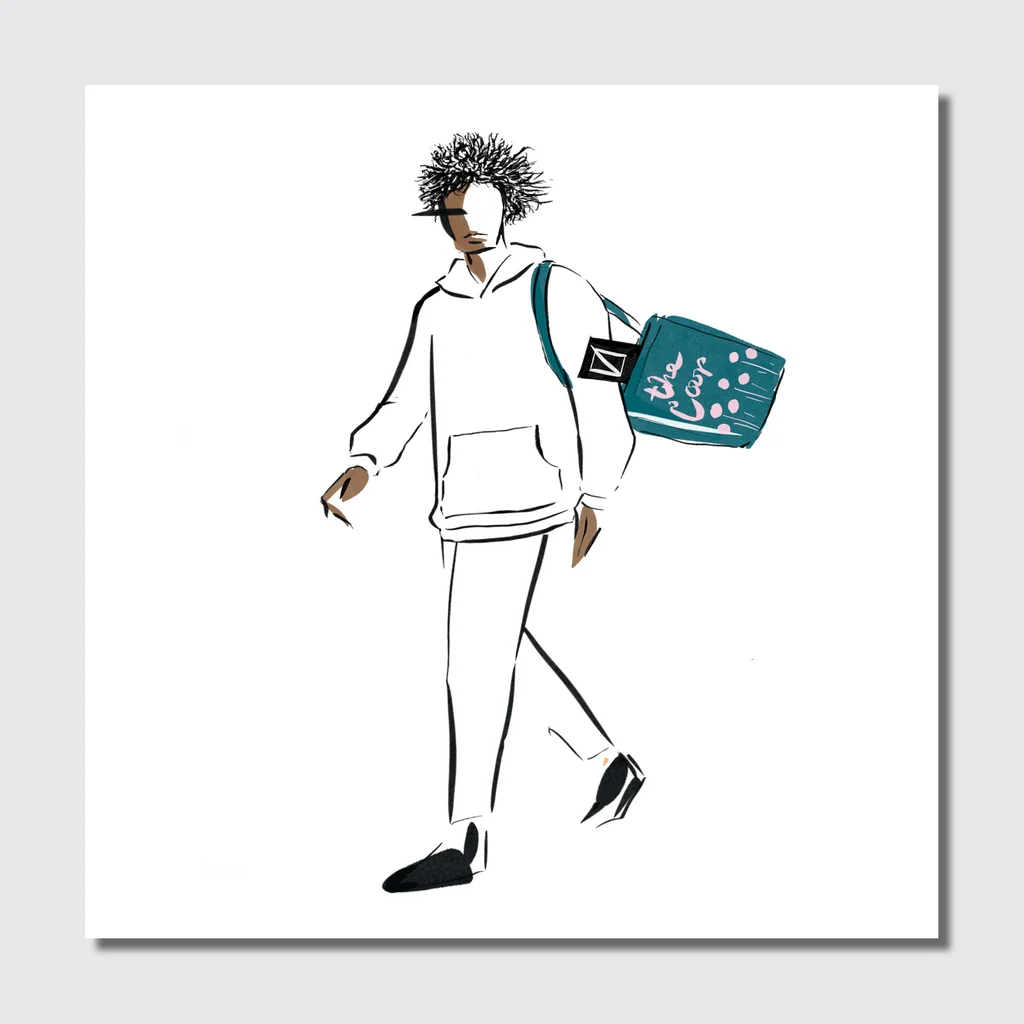
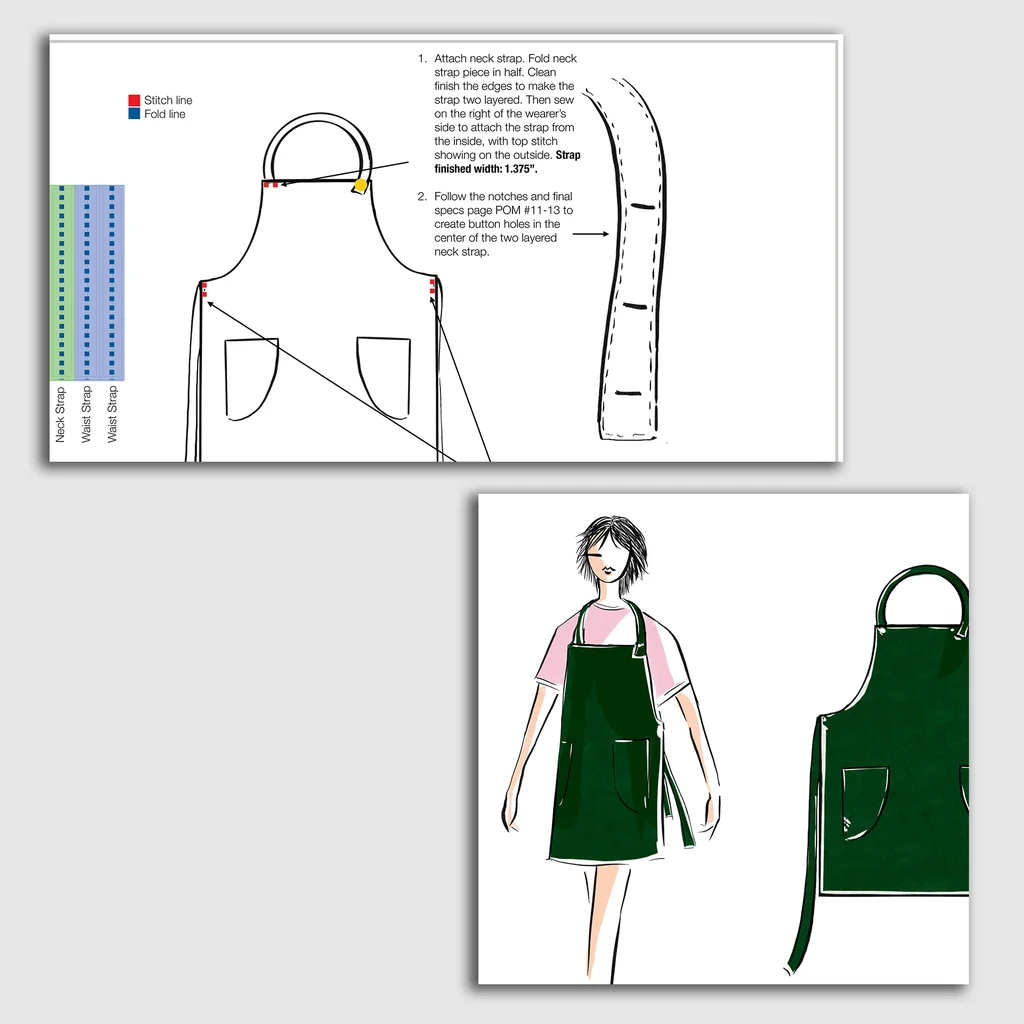
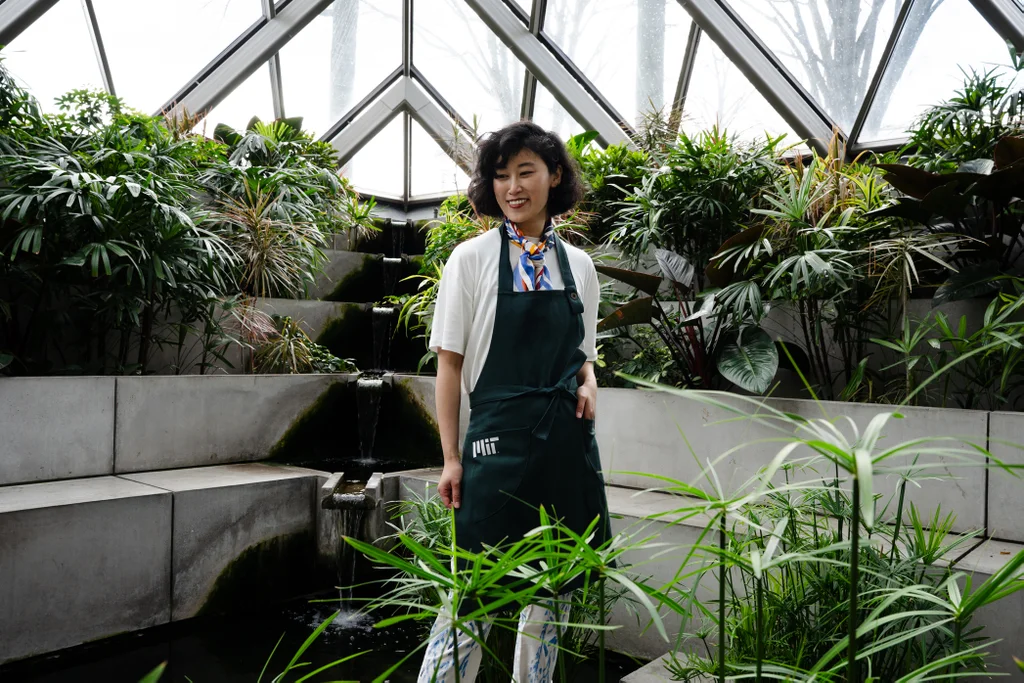
The totes sold out quickly, so the Coop asked Xu to make branded T-shirts and aprons. Those, too, sold out within weeks, and SXD is scrambling to restock. This September, MIT has tapped SXD to create products for its flagship conference, MIT Solve.
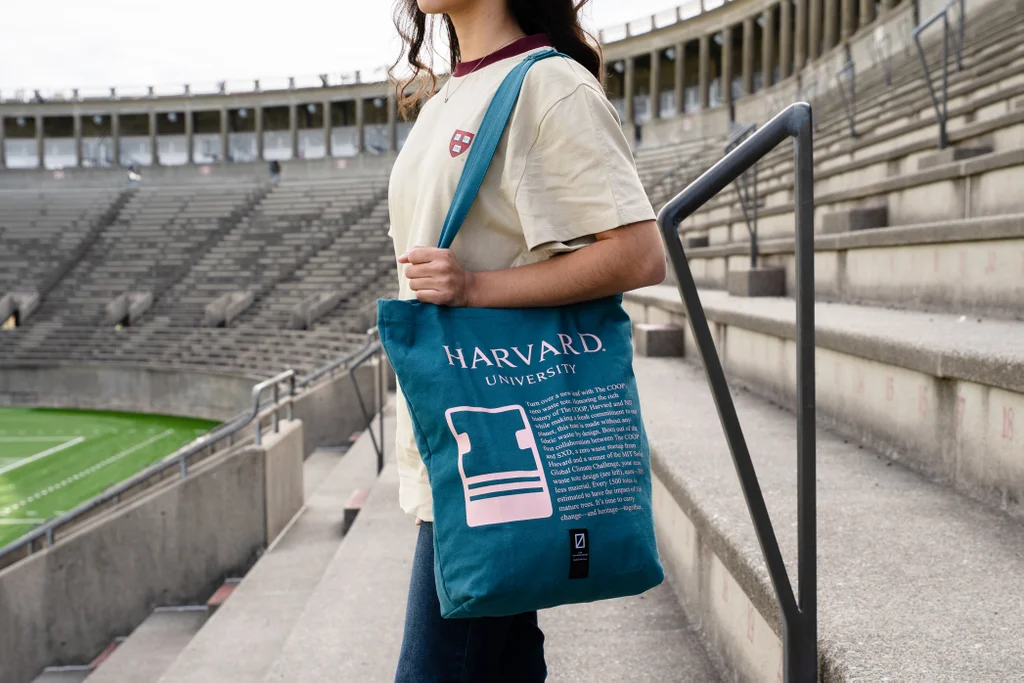
The Harvard and MIT collections were proving grounds—a way to test zero-waste design and get the company off the ground. Its ambitions are now far bigger. SXD is working with Indonesia’s Busana Apparel Group, one of the world’s largest manufacturers, which churns out nearly 2 million men’s shirts per month. Converting that volume to zero waste would spare staggering quantities of fabric.
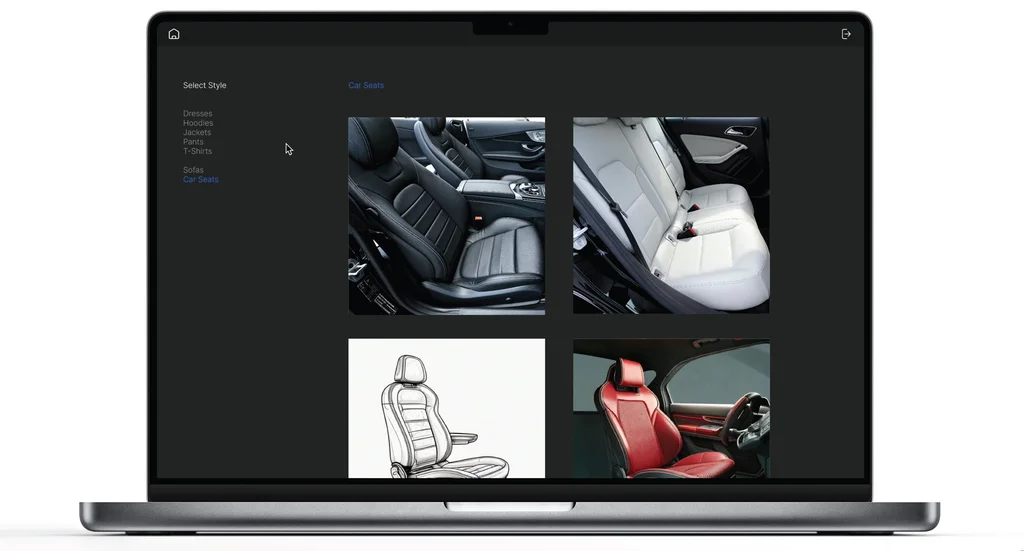
Xu is also moving into the automotive industry. Automotive fabric is so expensive that suppliers battle to save every scrap, celebrating the smallest gains. “For some customers, the goal is to save 1%,” she says. “But we’ve shown we can save more than 20%, which is an enormous cost savings.”
For years, environmental activists have implored consumers to buy fewer clothing items and wear them longer. The message has reached some, but changing consumer behavior on a large scale has proven very hard. The beauty of this zero-waste technology is that it asks nothing of shoppers. The shirt looks the same, fits the same, and costs the same. And yet the garment lands with a far smaller environmental footprint.
As Xu says, “You’re able to create something that’s just as, if not more, desirable—using half the material.”