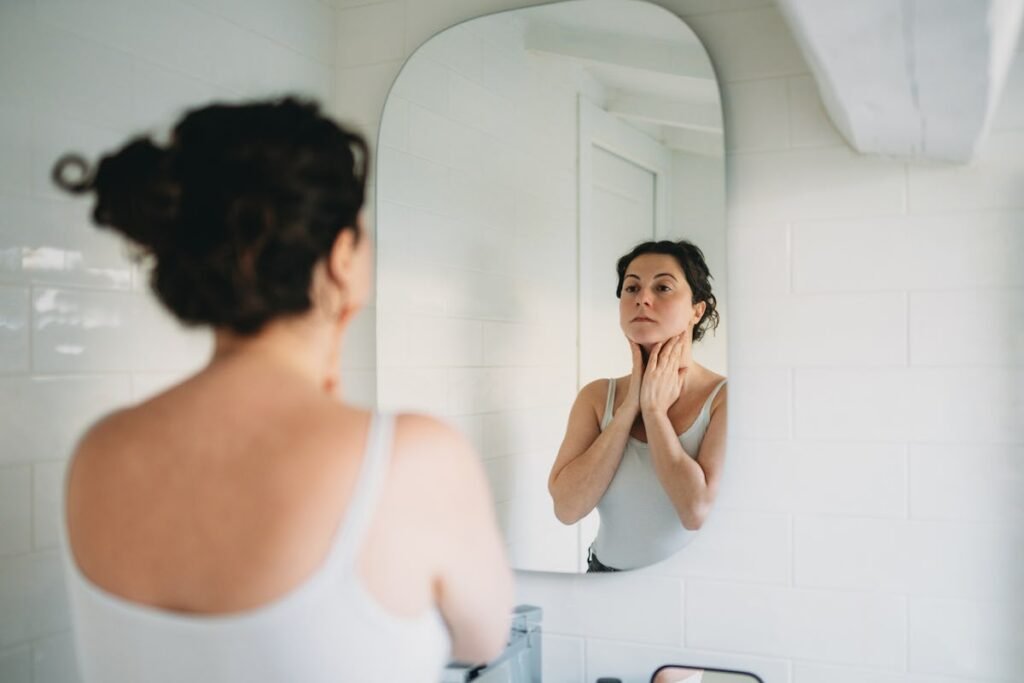
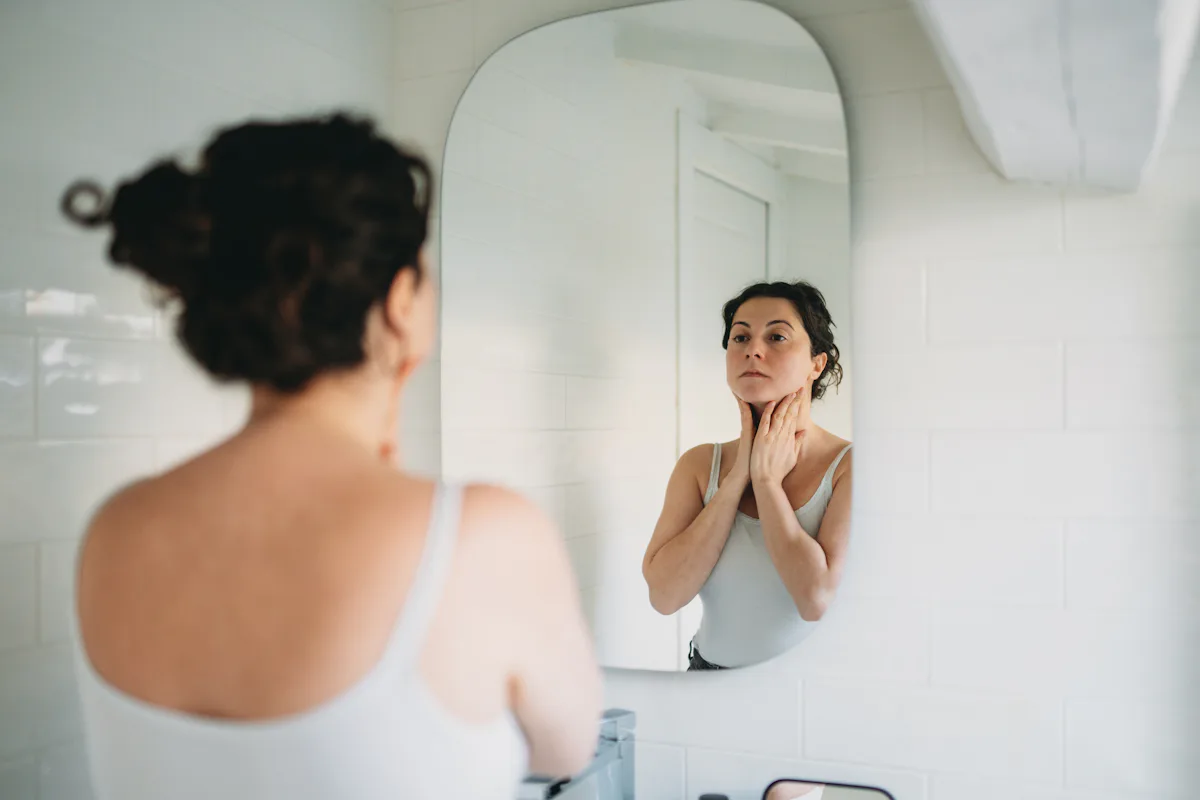
Maybe you’ve noticed you’re getting more skin tags, or that your hair is thinning awfully fast lately. And let’s be honest, we all have forehead wrinkles by now. But one thing I never expected as I aged was… more acne?! I don’t know what it is about being firmly in my 30s, but in the past two years, I’ve started getting deep, under-the-skin bumps that linger for months on end and never truly come to a head. If you’ve ever wondered why you suddenly have deep neck zits, maybe this dermatological explanation will help.
When it comes to the sudden appearance of under-the-skin bumps in your 30s, it’s not just you.
“Deep, under-the-skin breakouts on the neck and jawline that seem like they never come to a head are something I see frequently in women in their 30s,” says Dr. Jenna Queller, MD, FAAD, board-certified dermatologist and founder of DermWorks. “These types of breakouts are often what we call inflammatory acne lesions, including deeper papules and cysts. Because they form farther down in the skin, they may not have a visible whitehead and can linger for weeks or even months before resolving.”
Why am I getting deep neck zits all of a sudden?
As with any skin concern, there’s a list of possible causes of deep acne spots on the neck. The skin there is particularly delicate but still susceptible to clogged pores, hormonal breakouts, and irritation from products, just like the skin on your face, Queller says. If your neck zits joined the party in your 30s, your hormones likely have at least something to do with it.
“In your 30s, estrogen and progesterone levels can fluctuate more noticeably, and some women become more sensitive to androgens, hormones that can stimulate oil production. This can lead to increased sebum production, more clogged pores, and deeper inflammatory acne, especially around the lower face, jawline, and neck,” Queller explains. “Stress, changes in sleep, stopping or starting birth control, pregnancy, postpartum changes, and certain medications can also influence acne patterns during this stage of life. Many women are surprised because they may not have struggled with acne as teenagers, but adult-onset acne is very common.”
Can you get rid of under-the-skin neck pimples at home?
The worst part of these deep, cyst-like blemishes is that they never become a whitehead that will pop. Instead, they just linger as little lumps for weeks or months. It’s important that you don’t try to extract or squeeze them, says Dr. Danny Guo, double board-certified dermatologist and medical director of Rejuvenation Dermatology. Queller seconds this, saying squeezing “can increase inflammation, prolong the healing process, and raise the risk of scarring or lingering dark marks.”
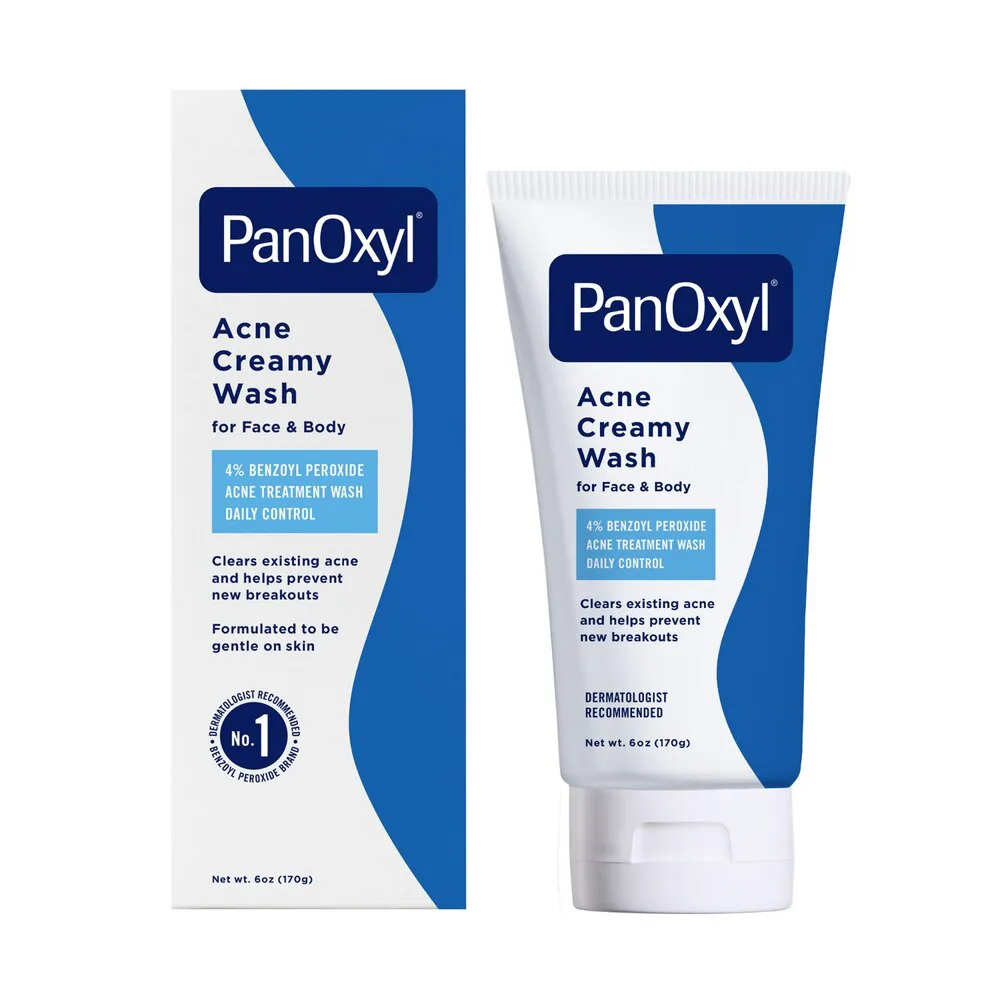
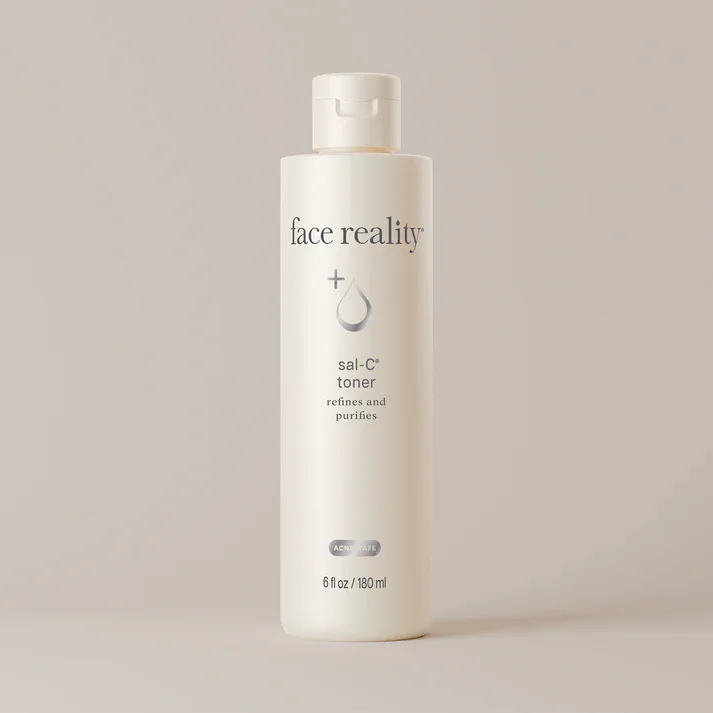
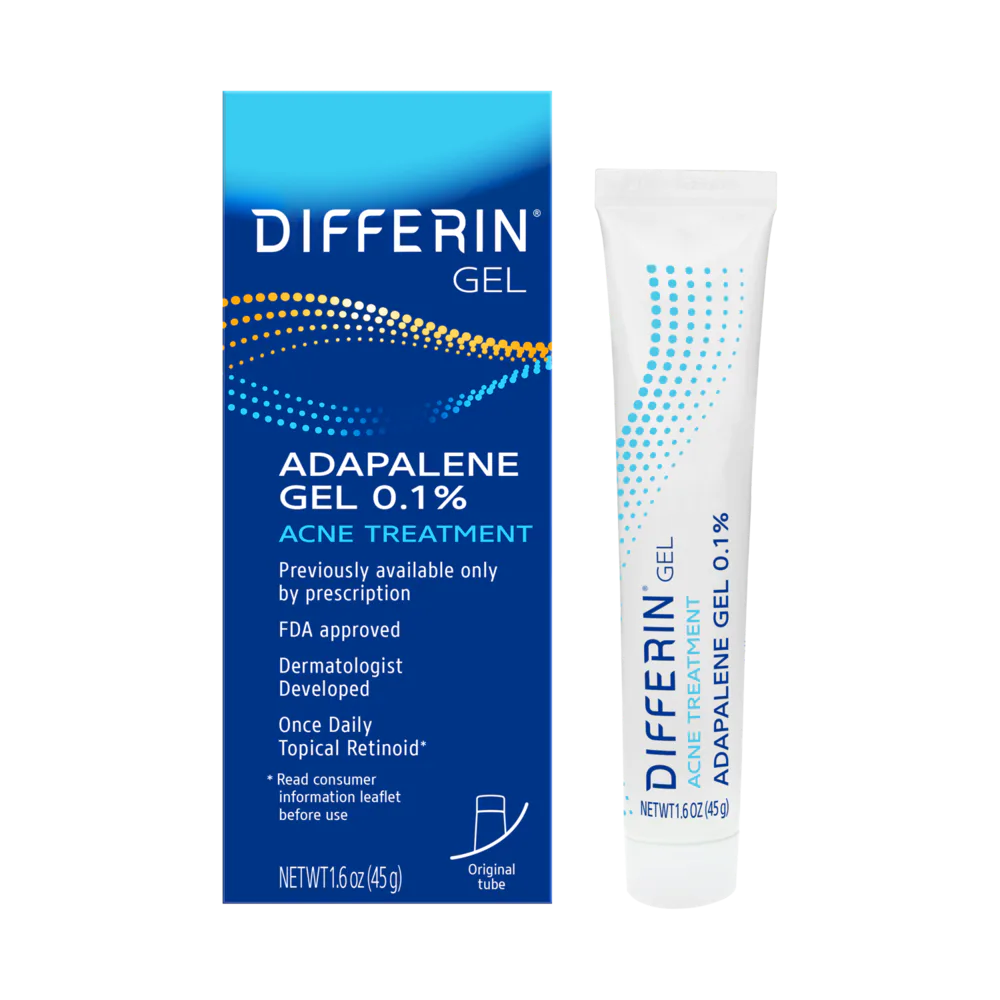
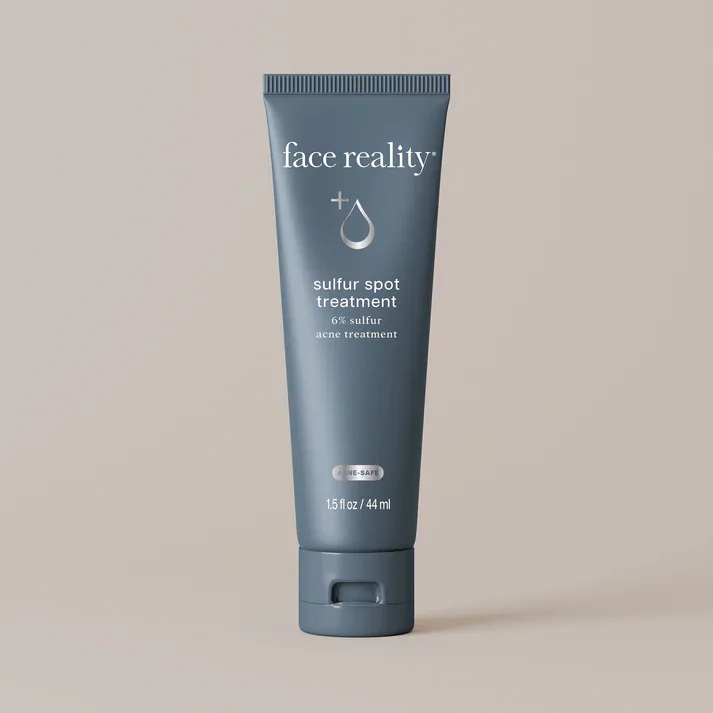
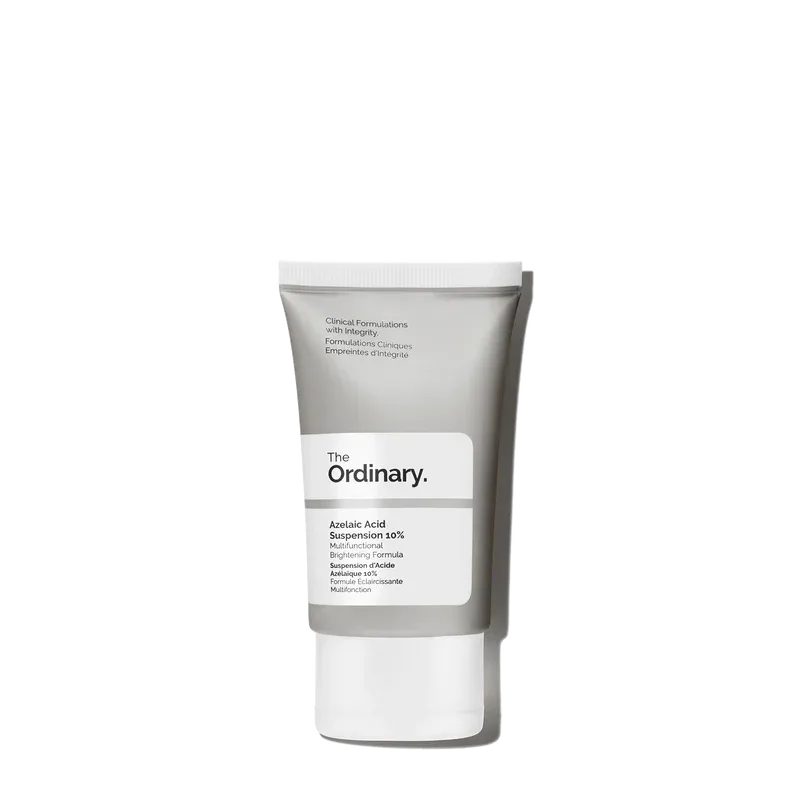
Instead, you could try some over-the-counter spot treatments. Both Queller and Guo recommend products with salicylic acid to help dissolve buildup in the pores that contribute to acne, benzoyl peroxide to eliminate acne-causing bacteria on the skin, and a retinoid like adapalene, which is available over the counter. Azelaic acid reduces inflammation, redness, and post-acne marks.
Queller recommends these products to support acne-prone skin without being too harsh:
Should you see a dermatologist about deep, under-the-skin neck pimples?
Both dermatologists agree they’d want to see you for an exam if you’re dealing with neck zits that hang around for an extended period. Bring a list of all of your skincare and makeup products to your appointment so your dermatologist can look them over and flag anything that might be contributing to the problem, Guo suggests.
“Deeper hormonal acne sometimes requires prescription treatments, and getting an individualized plan can make a significant difference in preventing ongoing inflammation and scarring,” Queller says. “The good news is that adult acne is very treatable. With the right combination of gentle skincare, targeted acne-fighting ingredients, and an understanding of what may be contributing to your breakouts, we can usually get even stubborn neck acne under control.”