Recently I shared this essay with my Treehouse community, and I was deeply moved by how many people said, “This gave language to something I haven’t been able to explain.”
If you’ve been feeling unlike yourself lately, I wanted to share it with you, too…
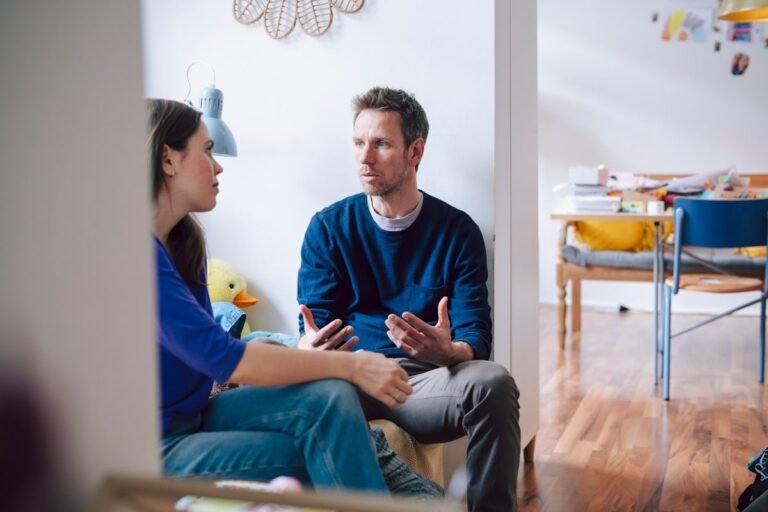
One of the kindest things I ever did for myself was tell my daughter, “I am not myself right now.”
Last December, Natalie asked me to accompany her to her triathlon event in Florida, which meant six full days together.
Since she no longer lived at home, she had no idea how much I’d been struggling with hormonal changes, adjusting to Avery going to college, and a general heaviness brought on by the world’s pain and my own.
“I’ve been seeing a doctor to get my hormones balanced and my anemia treated,” I explained. “But I find myself becoming agitated more easily. I can’t stay in grocery stores very long. Loud situations send me into fight-or-flight. So, if you see me taking little walks to step away from the crowd, that’s why. It isn’t anything you’ve done.”
I’ve learned that communicating our discomfort is often kinder than expecting people to interpret it. When we put words to what we’re carrying, the people we love are less likely to internalize our struggle as something they’ve caused.
Natalie listened. She asked thoughtful questions. She gave me space when I needed it. She held me after a nightmare.
Never once did I blow up at her.
Looking back, I realize that telling her the truth was one of the kindest things I could have done for myself. Instead of keeping my sadness and discomfort bottled up until it spilled over, I was able to receive what I actually needed. Space. Understanding. Even moments of joy in situations that would have otherwise overwhelmed me.
I also realize I wasn’t simply explaining my behavior. I was giving both of us permission. Permission for me to not be myself for a while. Permission for her not to wonder if she had caused it.
Telling her the truth didn’t take away what I was carrying.
It simply meant I didn’t have to carry it alone.
Last week I found myself in that same place again. Only this time, the words stayed inside me.
Scott had asked me how my day was. I immediately began to cry.
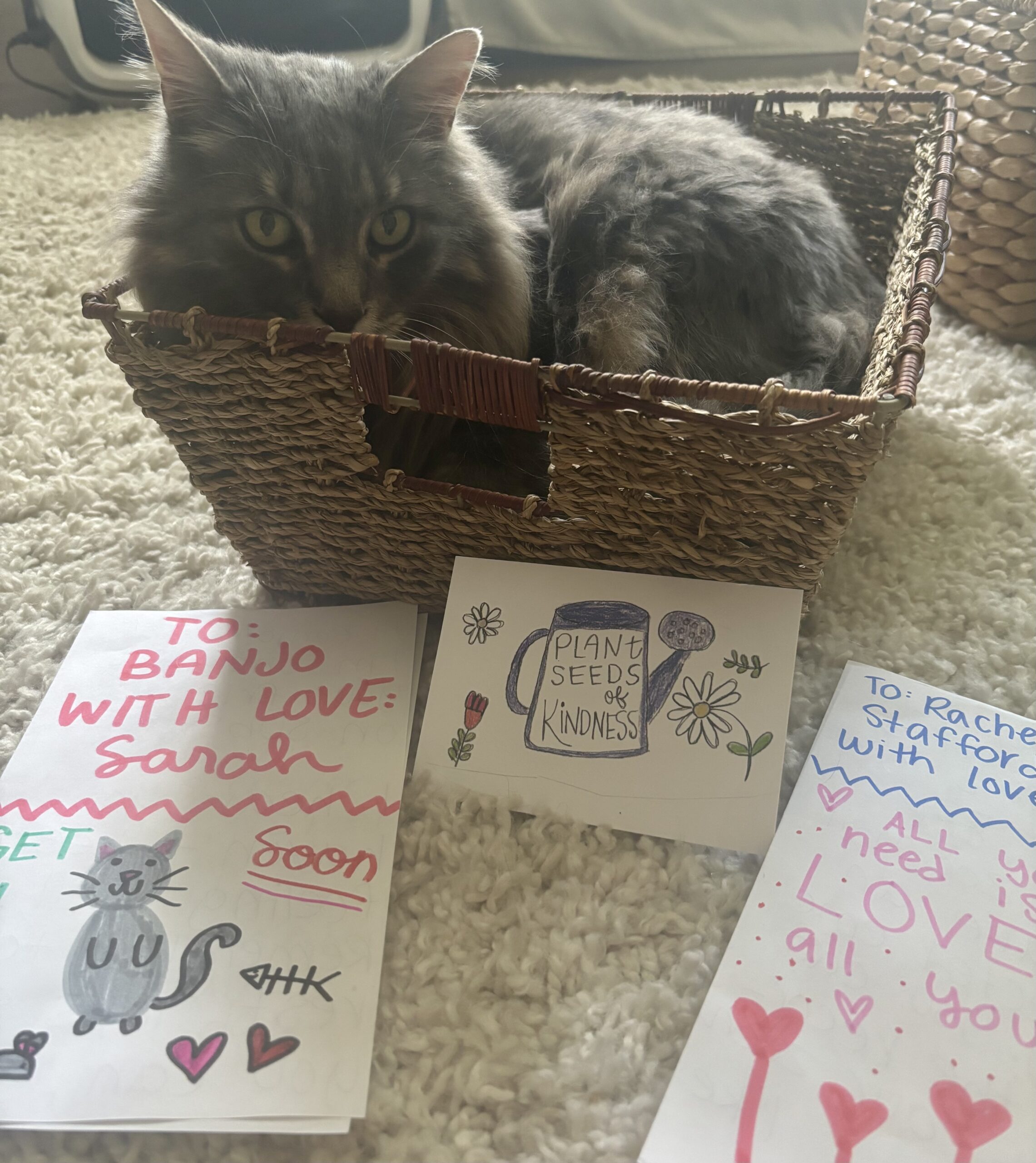
I had taken my fourteen-year-old cat Banjo to the veterinary specialist. I found out he has small cell gastrointestinal lymphoma.
I’d known from the moment I walked through the door after moving Natalie into her new apartment in early June that something was still being missed at his regular vet. I couldn’t shake the feeling that Banjo’s body was trying to tell us something no one had yet found.
I was right.
As Scott held me, one thought became unmistakably clear.
I am not myself.
When I stop to consider everything my body is carrying, it makes sense. My recent blood work showed my iron reserves are almost depleted. My doctor has referred me for iron infusions, but there are still several steps before treatment can begin. Between the profound fatigue, hormones that still aren’t settled, and feeling Banjo’s spine beneath my hand each time I pet him, tears seem to arrive with very little invitation these days.
By Thursday morning, I knew I needed to move my body.
I’ve lived long enough to know that when life feels especially heavy, staying connected to my body matters more, not less.
As I stood by the door debating whether to brave the heat for a walk, I suddenly found myself thinking about another summer.
It was 2019, and Avery had just started sleeping in a tight, restrictive plastic brace to correct the curvature of her spine.
Wearing that brace was going to affect everything, I remember thinking. She wasn’t going to sleep well for quite some time. She’d probably be tired. She might be grouchy. It would take time for her body to adjust.
She wasn’t going to be herself for a while.
Looking back, it strikes me that I instinctively adjusted my expectations. I understood that discomfort changes people. Remembering everything her body was carrying made it easier to respond with compassion and understanding.
Then one morning Avery unexpectedly slept almost the entire night in her brace.
“What do you think made the difference?” I asked, hoping we could repeat whatever helped.
She didn’t hesitate.
“Being in the water.”
The evening before, we’d gone to the neighborhood pool to swim, stretch, float, and talk.
Because Avery was convinced the water helped, we didn’t miss a morning swim that entire summer.
Looking back now, I don’t think the water cured anything. It simply gave her body what it needed most in that season.
A place to stretch.
A place to float.
A place where the weight of that brace disappeared, if only for a little while.
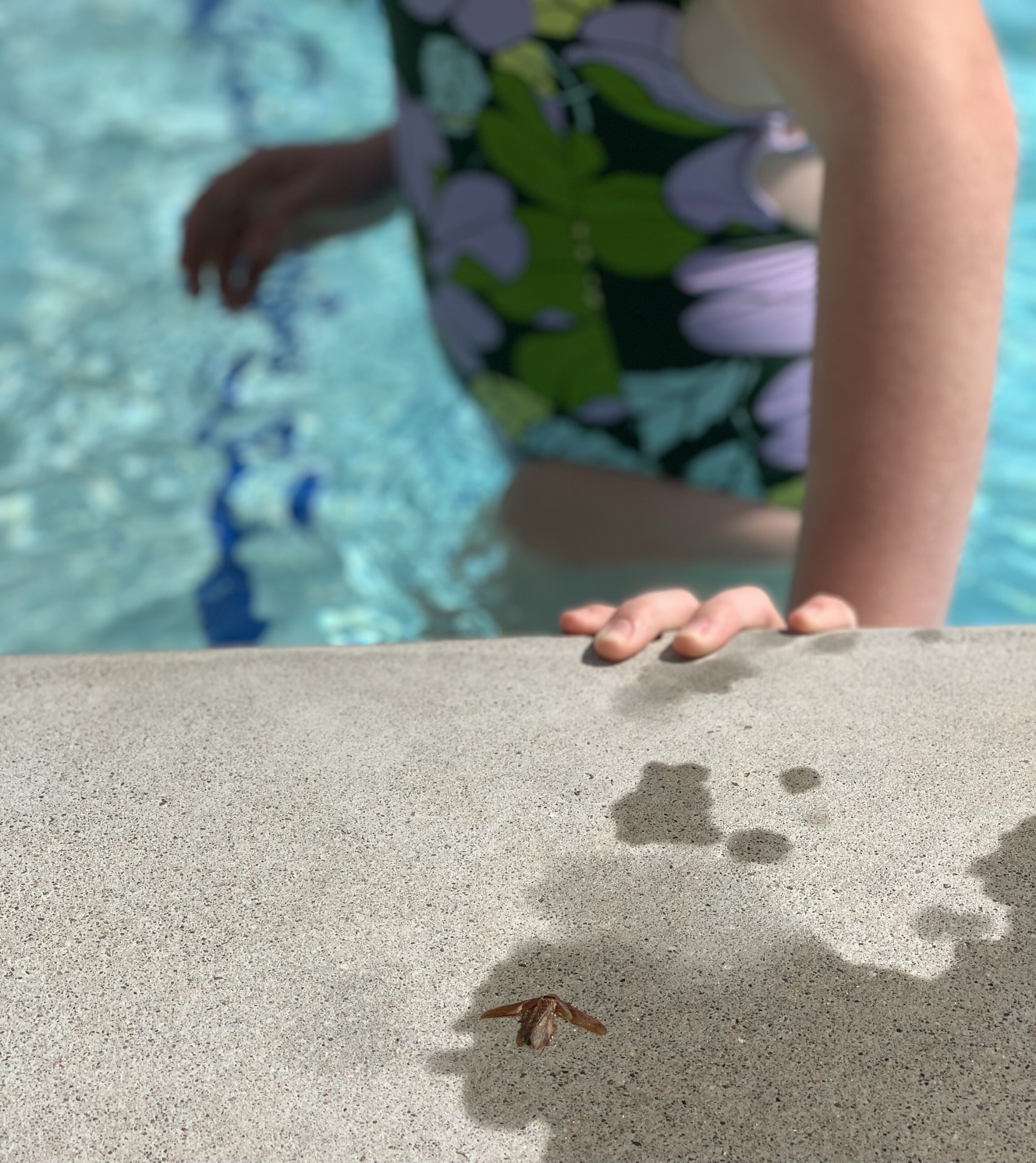
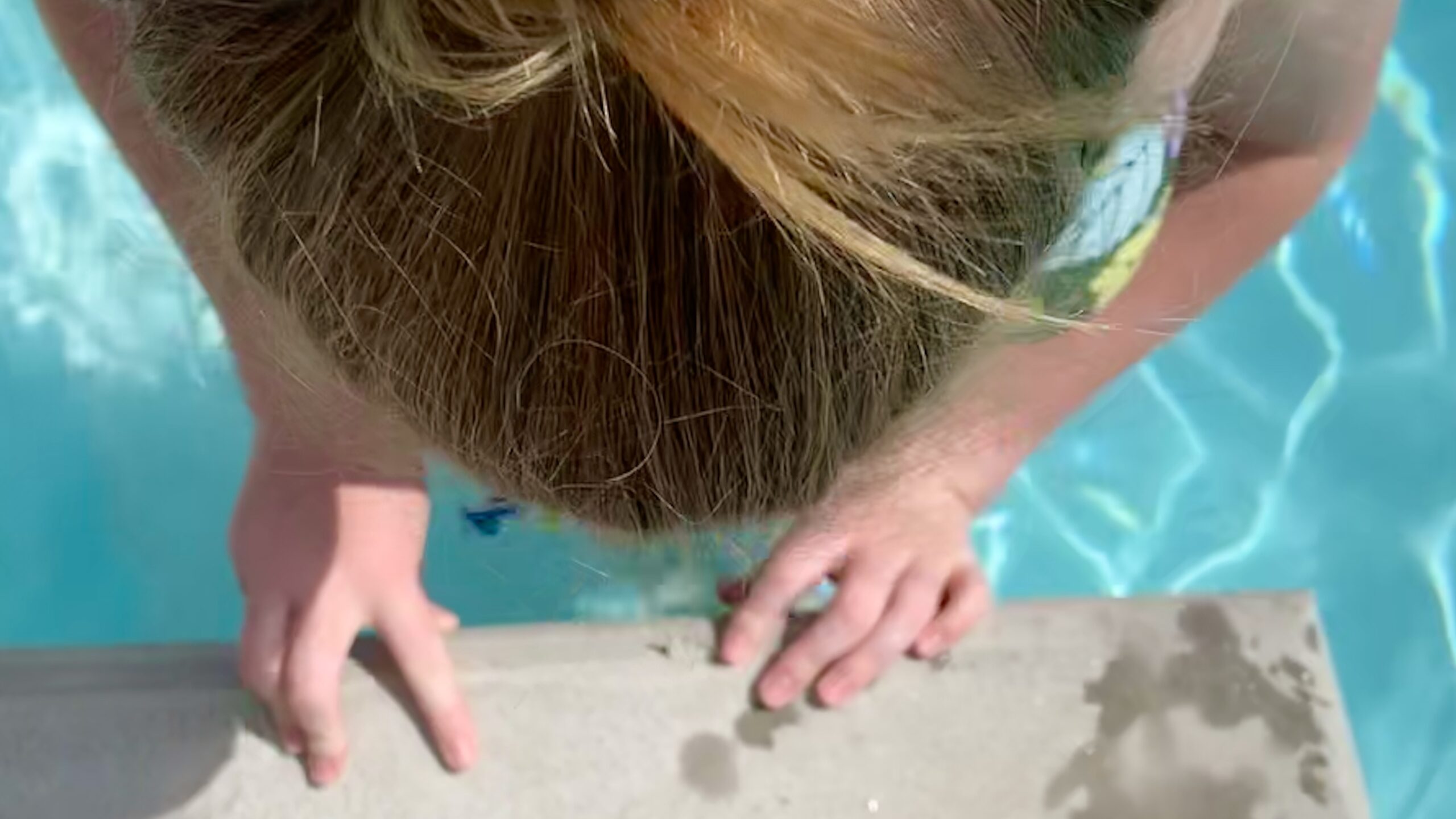
Before Avery began swimming each morning, there was something she always did first. She rescued the bugs floating in the corners of the pool.
Many were already gone, but she scooped each one gently into her hand, placed it on the warm concrete, and watched carefully for any sign of life.
One morning I watched her swim into the deep end where she couldn’t touch the bottom. Keeping her head barely above water, she carried a tiny bug in one open hand while propelling herself forward with the other.
As if sensing me watching, she called,
“It’s a little heart… but it’s a heart. And we should do everything we can to keep it beating.”
I remember marveling that even while her own body was carrying something so heavy and difficult, she still noticed tiny, vulnerable things.
Pain hadn’t changed the Noticer in her.
If anything, it had made her heart even more attentive.
Avery still had room to care.
Looking back, I find myself wondering if the compassion I offered Avery that summer mattered more than I realized.
I adjusted my expectations. I looked for conditions that helped her body soften. I remembered everything she was carrying.
The way I mothered Avery that summer is the way I need to be mothered now.
But why is it so much harder to remember what our own bodies are carrying?
Why do we expect ourselves to keep functioning as though nothing has changed?
Lately I’ve cried more easily than usual.
I’ve grieved Banjo’s diagnosis.
I’ve struggled with the exhaustion of anemia.
I already miss Avery before she’s even gone back to college.
Some days I’ve felt overwhelmed by noise, crowds, and the weight of the world.
And yet…
I’m still writing to my beloved community.
Still corresponding with readers who share pieces of their lives with me.
Still preparing gatherings where we can care for one another.
In fact, I intentionally scheduled a gathering with my Treehouse community for the evening before Banjo’s appointment with the specialist.
I’ve learned that when I know something difficult is ahead, it helps to place something nourishing beforehand whenever I can.
Sure enough, after we gathered, I climbed down the Treehouse ladder feeling steadier, calmer, and more hopeful than when I climbed up.
Many readers have loved Banjo right alongside me over the years, so you can probably imagine how much I needed that steadiness before his appointment the next day.
Afterward, several women wrote to say our time together had helped them feel steadier, calmer, and less alone.
As my own world felt like it was coming undone, knowing our time together had helped steady someone else became an anchor for me, too.
Perhaps that’s what compassion does.
It creates conditions where hearts can keep beating.
Instead of judging ourselves for not feeling like ourselves, perhaps this is the season to remember everything our bodies are carrying.
This afternoon, after finishing this essay, I think I’ll head back to the neighborhood pool.
I know the water won’t cure my anemia or change Banjo’s diagnosis.
I’ll go anyway because sometimes our bodies remember what our minds forget.
The same water that helped Avery soften into a brace she never wanted may help me soften into a season I never asked for.
Maybe I’ll float.
Maybe I’ll stretch.
Maybe I’ll rescue a bug if one needs rescuing.
I may not feel like myself right now.
But my heart still knows the way.
My hand in yours,
Rachel
If this essay resonated with you, I’d love to invite you to continue the conversation with me in July’s Treehouse Gathering.
I’ll be sharing a mistake I made during Avery’s very first week of college, while we were both learning how to navigate the ache of letting go. I replayed that moment in my mind far longer than she ever did. Looking back now, I realize the hardest part wasn’t what happened. It was what I believed it said about me.
Avery’s response changed the way I think about mistakes, repair, and the possibility of self-forgiveness. If you’ve ever carried an old regret longer than necessary—or found yourself wondering whether you’ll ever stop being defined by a past version of yourself—I hope you’ll join us.
We’ll gather live on Tuesday, July 28 at 8:00 p.m. Eastern, and if you can’t make it, the replay will be ready for you the following day. To receive the Zoom link next week & replay via email, click here to join the Treehouse.
 Rachel’s Treehouse is a place where compassion meets practical guidance—for anyone who wants to be kinder to themselves, calmer in the relationships that matter most, and more grounded through life’s hardest seasons. I’d love to welcome you there.