Courtesy of Jessica Chalk
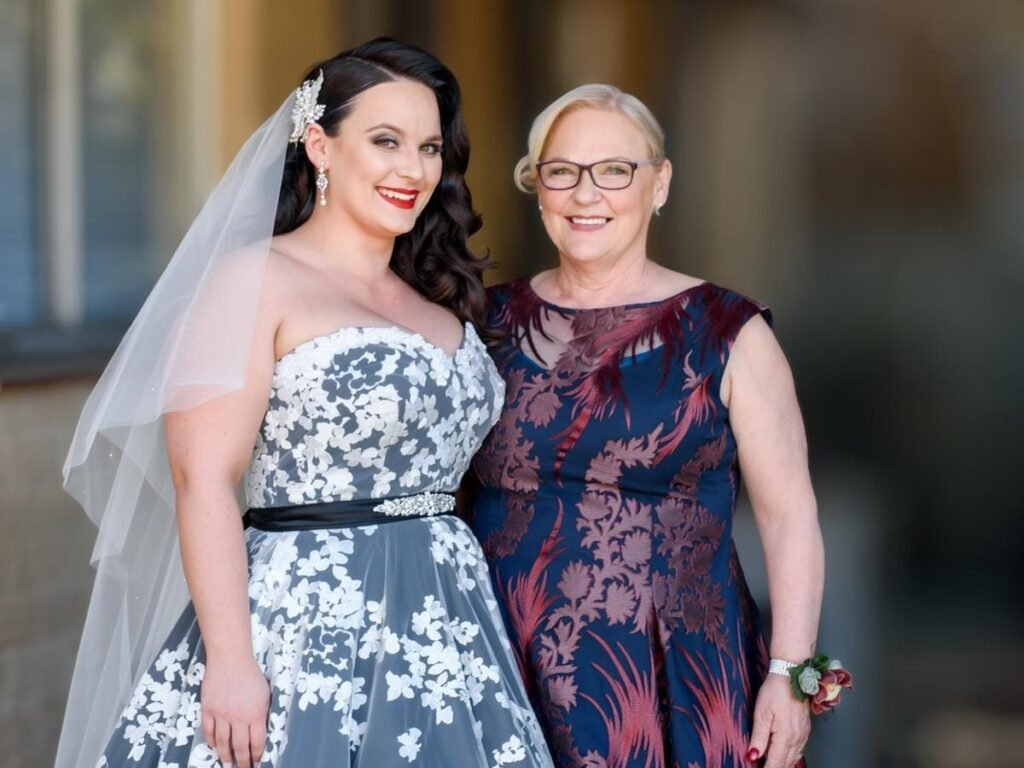
- Jessica Chalk, 34, is from Sydney, and her mom, 73, has had early-onset dementia for 10 years.
- Jessica manages her mom’s many appointments, sleep schedule, and six-monthly driving test.
- Caring for a new baby and a mom with dementia was the hardest part of her whole life.
This as-told-to essay is based on a conversation with Jessica Chalk from Sydney. It has been edited for length and clarity.
I work with my mom for the business she founded, so I notice any little behavioral changes. The first was 10 years ago, and it was subtle.
Mom also taught floristry at a college, and she’d forget her password to get into the classroom. We said this is normal; we all forget passwords, especially as we age. Then she started forgetting the content she’d been teaching for four years.
We got her tested. The specialist asked her what day of the week it was. She answered perfectly.
We kept going back for answers
We kept going back over two years; I kept saying, she might pass these questions, but there are 10 coffee cups around the house. Mom would start making herself a coffee, then forget she’d done it.
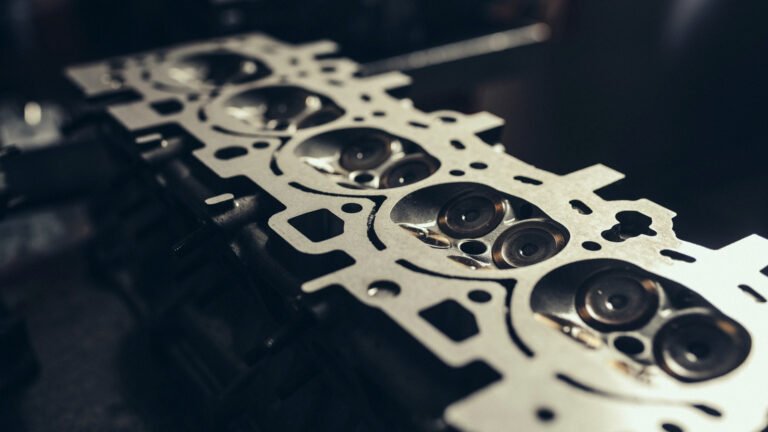
The family business is called For Keeps. We preserve flowers and other heirlooms as permanent keepsakes by framing them or placing them in perspex boxes for display at home. I started noticing Mom’s workflow change. She’d miss a key step, like setting and drying the flowers, which was unusual for Mom.
Courtesy of Jessica Chalk
I went with her to the geriatrician and said, there’s got to be a better way to test. They still weren’t sure what was going on.
They sent an occupational therapist over who set her three simple tasks: make yourself a cup of coffee and a slice of toast, then sit at the table with them. She made the coffee, sat at the table sipping, and they said, have you forgotten something? She said, yes, I forgot to put the milk away. Then sat sipping her coffee like she’d done everything. She’d completely forgotten the toast.
It took 4 years to get to a diagnosis: dementia
That whole process was beyond frustrating; as a family, we could see mom was different. It was affecting everything, including her language. For example, her grandkids would get in the car, and she’d tell them to put their parachutes on — she meant seatbelts.
With a dementia diagnosis, they rule everything else out first: from sleep disorders to depression. It involves a lot of appointments, plus travel to and from them, all of which take you away from paid work when you work for yourself.
We were told from diagnosis to death would be 10 years, but 10 years on, mom’s still here.
It’s been tough at times. My sister had young kids, aged 5 and 6, when mom was diagnosed and presenting more with symptoms. She couldn’t care for mom as well, despite the fact that she’s a nurse. My brothers said they could help, but they didn’t want to bathe mom or change a diaper. So it fell to me. I’ve never begrudged them for it, and they’re openly grateful. As it turns out, I’ve never had to do those things for mom anyway.
Caregiving takes a toll
The admin takes its toll, financially and mentally. It’s the constant medical appointments, the time off work, the scheduling, the emotional labor. It’s the physio, speech therapist, occupational therapist, geriatrician, doctor, sleep specialist, and psychiatrist. And it’s going to those appointments with them because if they go alone, they often won’t remember what was said.
I’d just started seeing my now-husband, when mom was diagnosed. I said to him after just a few months of dating: I’m moving back home to care for my mom until she dies. You’re in, or you’re out. He chose to be in.
I haven’t had much time to stop and consider the impacts. It fell to me to step up for Mom at that time. Dad has Asperger’s, which would now be considered Autism Spectrum Disorder, which adds another layer of complexity. Mom was changing around someone who doesn’t like change.
At home, I often do two lots of everything — washing, cooking, cleaning, as mum needs lots of sleep now. Humor helps. I sometimes joke she’s got convenient dementia, so she avoids housework.
Mom has to take a driving test every six months now. I completely get why, but it’s another task to add to a long list. I want to support her independence for as long as possible.
Now I’m balancing my daughter’s dentist, dance, and gymnastics appointments alongside mom’s appointments and keeping the business going. My daughter’s 5 now. She comes home from school and teaches my mom words and sound groups. It’s like they’re learning together.
Cargiving has affected my life in ways I could never have imagined. I’m running on empty, but I’ve always wanted to do the right thing by mom, to preserve her dignity, and slow her decline.