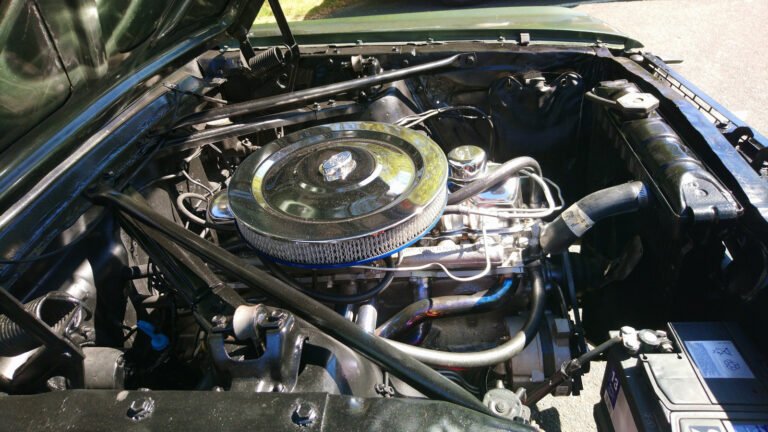
Naturally aspirated engines and big-displacement powerplants are slowly disappearing as emissions regulations become stricter in an effort to reduce pollution and protect the environment. That has sparked a wave of smaller turbocharged engines, hybrids, plug-in hybrids, and EVs. But two teenagers from Pennsylvania may have found a different way to make today’s combustion engines significantly cleaner.
Two Teenagers May Have Changed The Game
Chadds Ford Live
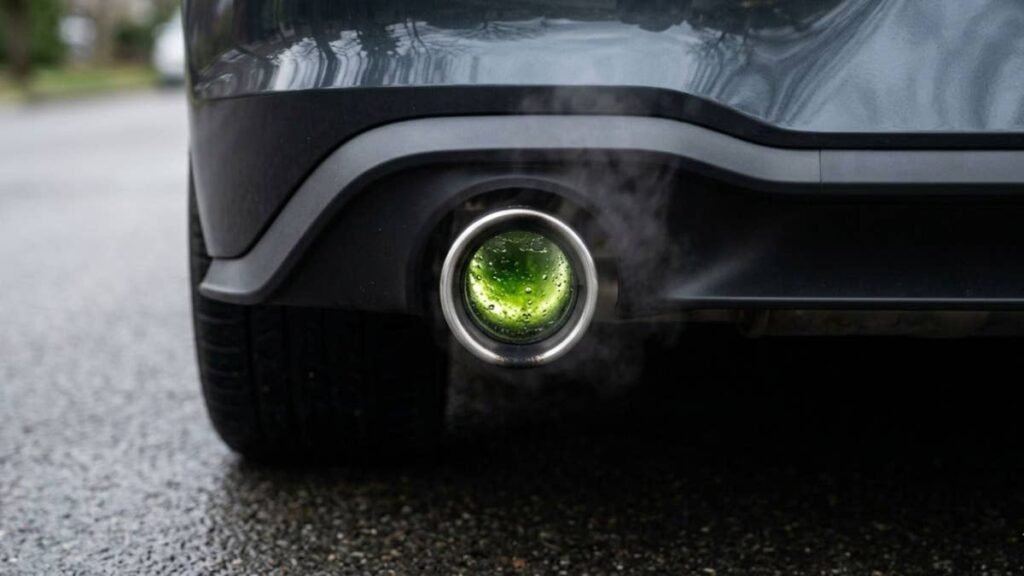
Rohan Kapoor and Jack Reichert, both 18, have developed the Go Green Filter, an innovative tailpipe attachment that uses living microalgae, water, and light to convert harmful exhaust gases into oxygen. Inspired by research from an MIT professor, the pair spent nearly a year refining the concept before building a working prototype.
The filter reportedly costs around $50 to manufacture and achieved a remarkable 74% reduction in vehicle emissions during testing. Even more impressively, the students believe fitting the device to every vehicle worldwide could reduce global carbon emissions by more than 16%. Although that figure remains theoretical, it demonstrates just how great an impact an inexpensive solution could have if it reaches mass production.
Automakers Are Fighting The Same Battle
Mercedes-Benz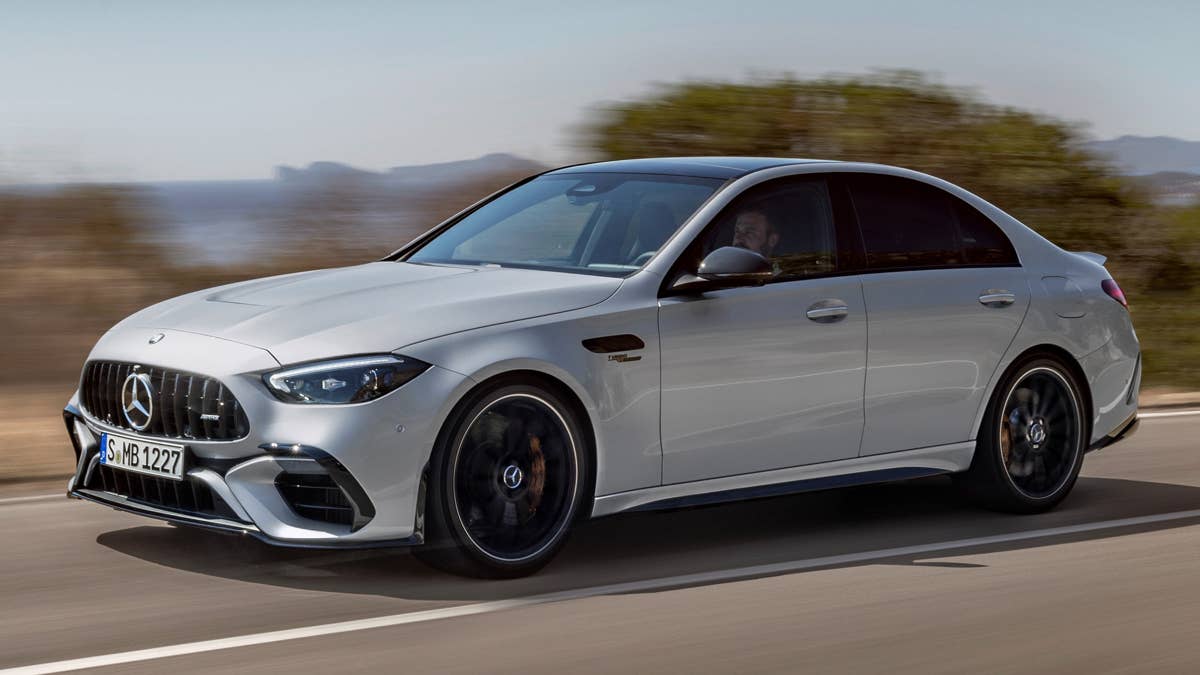
The Go Green Filter joins a growing list of technologies designed to extend the life of the internal combustion engine while reducing its environmental impact. Mazda has developed its Mobile Carbon Capture system, which aims to remove carbon dioxide directly from a vehicle’s exhaust while driving. BMW, Toyota, and Lamborghini are also exploring renewable gasoline as another way to reduce emissions without abandoning combustion engines.
Engine downsizing has become the industry norm. Mercedes-Benz infamously replaced the C 63‘s twin-turbocharged V8 with a turbocharged four-cylinder hybrid – fortunately, the V8 will return in the near future. Lamborghini also retired the naturally aspirated V10-powered Huracán in favor of the twin-turbo V8-powered Temerario.
But the worst of the bunch is Ferrari. Although the Italian marque still offers a naturally aspirated 6.5-liter V12 in the 12Cilindri, it has fallen victim to the dark side and recently unveiled its very first EV, the Luce. Together, these changes show just how far manufacturers are willing to go to meet tightening emissions regulations in pursuit of preserving performance.
Cleaner Engines Could Keep Performance Cars Alive
Lamborghini
Although electric vehicle adoption has been slower than many expected, automakers continue investing heavily in cleaner combustion engines that use less fuel and produce fewer emissions. However, moving away from electrification altogether to meet buyer demand alone would be difficult to justify, as EVs could prevent over 100,000 deaths by 2050, linked to vehicle pollution.
Interestingly, the EPA has proposed delaying Tier 4 vehicle emissions standards until the 2029 model year, giving manufacturers more time at the drawing board. Whether the future belongs to electric vehicles, renewable fuels, advanced carbon capture, or a combination of all three remains to be seen. Fortunately, innovative ideas like the Go Green Filter give enthusiasts a sliver of hope that there is a place for combustion cars in the future.