The Human Problem With Robotaxis
Because robotaxis don’t have drivers, some passengers might feel they have a little more freedom. This may have contributed to the growing number of passenger-related problems, with riders falling asleep, spilling drinks, dropping food, vomiting, and experiencing medical emergencies – including giving birth. Making matters worse, first responders are sometimes called to incidents that turn out not to require medical treatment.
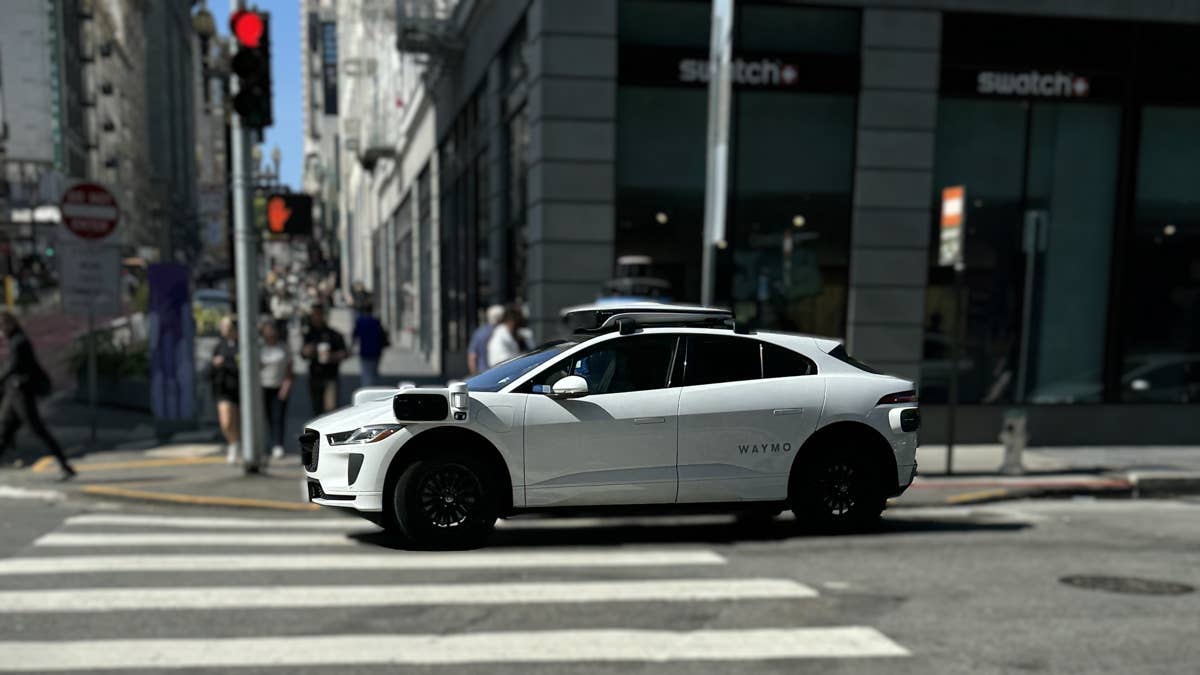
Automotive News reported that these types of incidents have been recorded in Austin, Texas, where Waymo had been operating for nine months at the time of the report. Austin recorded 99 calls involving sleeping passengers, which police and firefighters have nicknamed “sleepers.” Robotaxis have interior cameras and remote staff who can communicate with passengers, but if they cannot wake a rider or determine whether the person is breathing, company protocols may require them to call 911.
The Price of Making a Mess
This problem has prompted robotaxi companies to impose fees. Tesla, for instance, charges $50 for moderate messes and $150 for smoking or leaving biohazards such as vomit inside its vehicles. If a passenger falls asleep, first responders may treat the situation as a potential heart attack. However, only about 3% of such calls have required transporting the passenger to a hospital. The remaining incidents still tie up emergency personnel who might be needed elsewhere.
Does this mean that a business built around non-human drivers is set up to fail? Well, not necessarily.
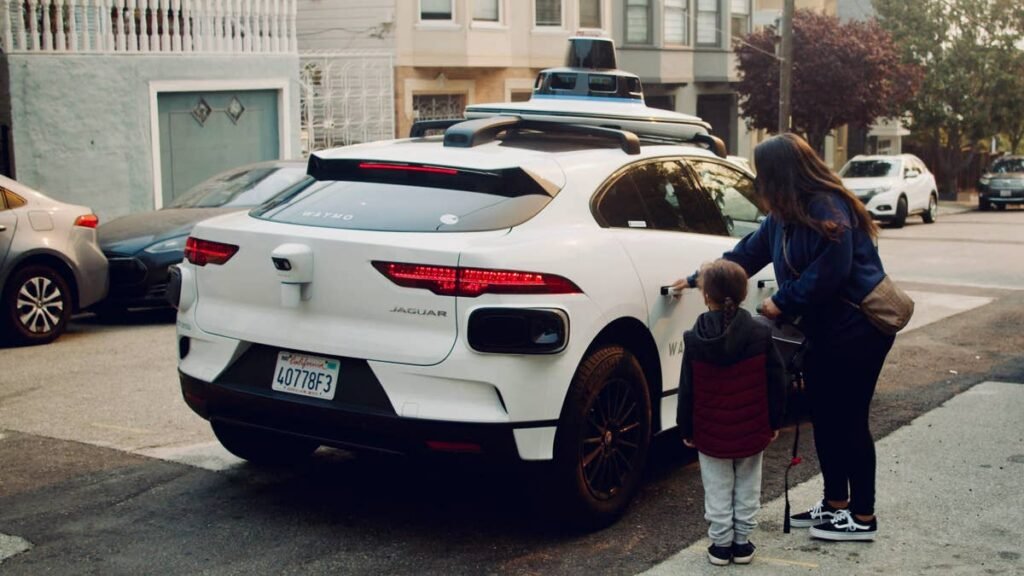
David Margines, Waymo’s director of product management, said robotaxis could provide a safer response during emergencies than traditional taxis or ride-sharing vehicles, whose drivers may not know how to react. The California-based robotaxi company’s vehicles also return to depots for cleaning, while workers reportedly receive extra pay for shifts involving biohazards.
A Little Courtesy Goes a Long Way
The robotaxi business is still fairly young, and regulations surrounding it continue to evolve, particularly when it comes to liability. Passengers can help the service improve by properly following the rules. After all, Waymo passenger Sarah Vasile once stepped in dog poop before entering her ride but wasn’t charged a cleaning fee because she reported it immediately. The company even thanked her.
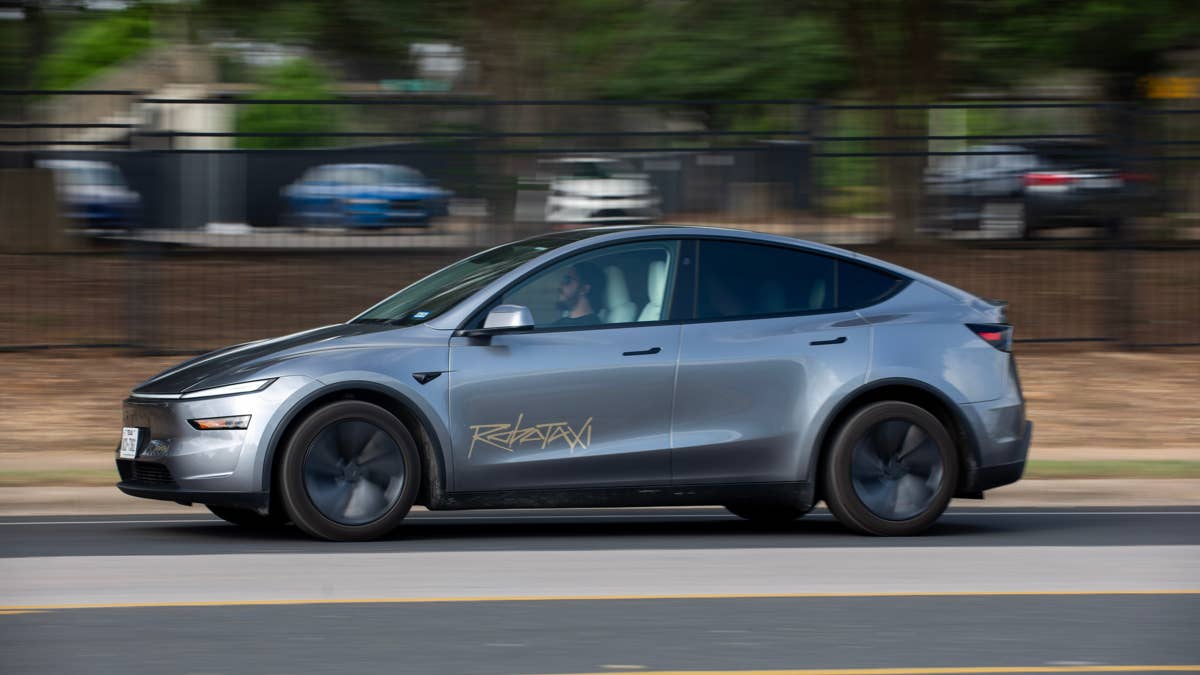
More robotaxis are coming. Waymo has begun testing a growing fleet of Hyundai Ioniq 5s, supplementing its Jaguar I-Pace-based fleet. Tesla, meanwhile, plans to add the two-seat Cybercab – which was designed without a steering wheel or pedals – to its Robotaxi fleet, currently composed of Model Ys.
Steven Paul