Melinda Sue Gordon/Universal Pictures
- People are spending a lot of money to go see (some) movies in theaters this year.
- That sounds like good news for Hollywood, which fretted that moviegoing may be going away.
- The bad news for Hollywood: Moviegoing has been in decline for more than two decades — and this year’s movies won’t change that.
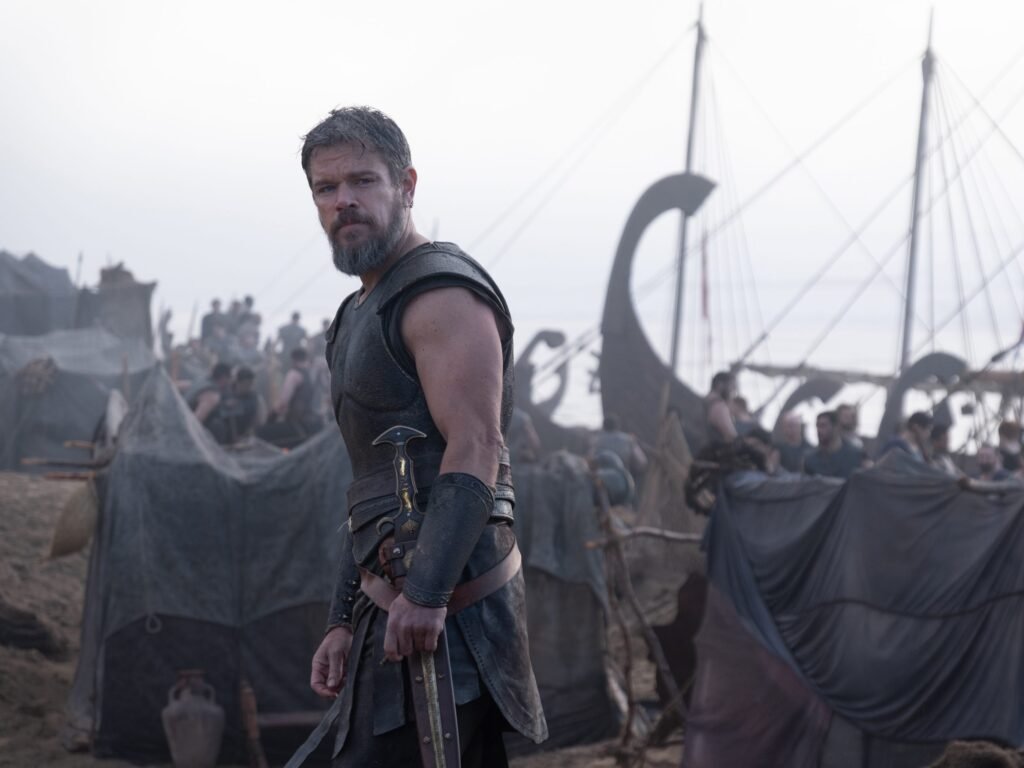
“The Odyssey” is a big hit at the box office, despite Elon Musk’s best efforts.
“Obsession,” “Backrooms,” “Project Hail Mary,” and “Michael” were big hits in 2026, too. And the newest “Spider-Man” movie, coming this week, looks certain to be a big hit.
So. Hollywood, which has been beset with all kinds of issues, is finally back. Right?
Yes. But also, no.
It is true that people who like movies, and who work in and around the movie business, are delighted that audiences are showing up, in big numbers, to see movies in theaters this year. It’s particularly reassuring after Covid essentially wiped out the theatrical business for a spell.
But even after you take Covid out of the equation, the truth is that moviegoing has been in decline for many years. And that still hasn’t changed in 2026.
In the second quarter of this year, AMC, the world’s biggest theater chain, saw attendance drop by 26 million compared to 2019 — a 26.5% drop.
And by 2019, moviegoing had already been declining for close to two decades. In 2002, moviegoers in the US and Canada bought nearly 1.6 billion tickets; by 2019, that number had dropped to 1.3 billion.
So when people in and around the movie business say 2026 will be the best year the industry has seen since the pandemic, they’re right. What they’re not saying is that things have been in decline well before Covid, and it doesn’t look like that’s ever going to change.
That’s because it’s quite clear — to me, at least — that moviegoing started becoming less popular at the exact same time that the internet became widely available. It’s not that people refuse to see movies — as we’ve seen this year, they’re willing to flock to a variety of different genres and stories. It’s just that there’s plenty of competition for their time and money, so they need a very compelling reason to come to the theaters.
What does that mean for Hollywood?
For theater operators, the message is clear: They will have to live with fewer customers, so they need to generate more revenue from each one they do get by increasing ticket and concession prices. AMC, for instance, is doing that quite successfully: In Q2, even with that massive drop in attendance, the chain increased revenue by 6% and adjusted profits by nearly 40% over the same period in 2019.
Theater owners have also trained some movie fans to really make a go of it, and spend extra money on theaters with “premium large formats” — not just Imax, but other deluxe viewing experiences that promise luxury seating and top-tier screens and audio, like AMC’s Dolby Cinema brand. More than half of “The Odysesy’s” first week domestic gross came from premium formats: And it’s not just AMC. I spent $55.36 for two “Odyssey” tickets at my local Alamo Drafthouse theater in Brooklyn last week, and then another $10.95 for a single Coke Zero, including a tip for the employee who brought it to my seat.
(No complaints from me, by the way: Still a fun way to spend three hours. But please, Sony Pictures, which owns the Alamo chain, get rid of your infuriating QR code ordering setup.)
As Puck’s Matt Belloni notes, the new normal of moviegoing also puts pressure on studios and movie-makers, whose costs keep going up, regardless of attendance. It will be hard to figure out how to keep costs flat, let alone down, in a world where consumers only come to theaters when they’re told there’s something extra-special to see. But no one said the movie business was an easy business.