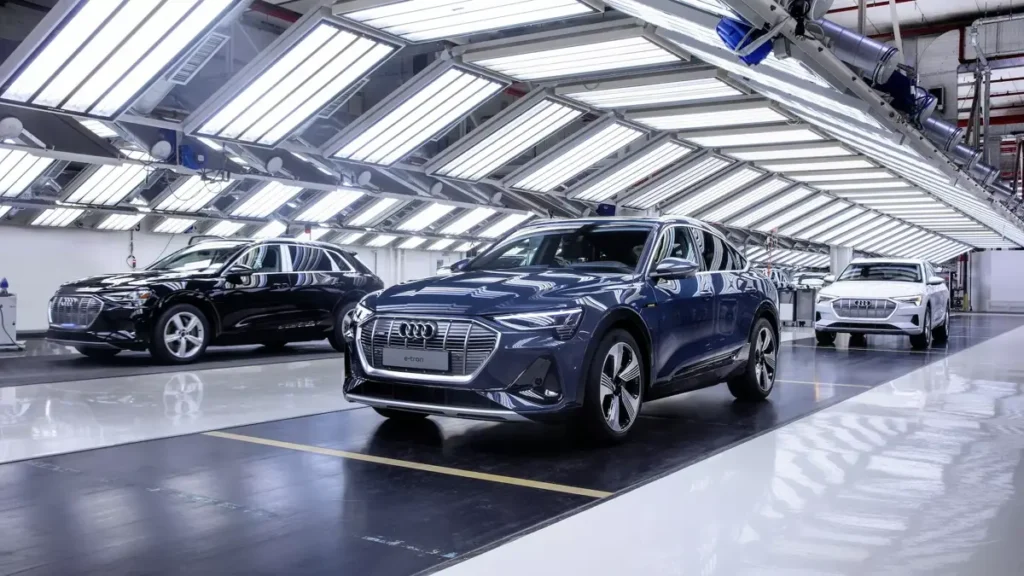
Audi is officially eliminating the night shift at its historic Neckarsulm factory this November. In a desperate bid to improve productivity and slash manufacturing overhead, roughly 1,200 employees are being hastily transferred to standard daytime operations. This maneuver reflects a broader effort to align manufacturing capacity with aggressively shrinking consumer demand across the luxury automotive sector.
The decision arrives as parent company Volkswagen Group conducts a ruthless review of its manufacturing network. With CEO Oliver Blume driving a massive cost-cutting initiative, legacy automakers are scrambling to trim excess bloat. Audi finds itself squarely in the crosshairs as global challenges mount and the pressure to enact large-scale structural improvements becomes impossible to ignore.
Volkswagen Group
Behind The Balance Sheet Bloodbath
According to a Reuters report, the financial data driving these factory changes is grim. Second-quarter revenue for the Audi Group plummeted by 12.5 percent down to €15.0 billion. Operating profit took a hit as well, dropping by 3 percent to €533 million. This leaves the luxury automaker with a dismal 3.6 percent profit margin, falling severely short of its targeted 5 to 7 percent range for the fiscal year.
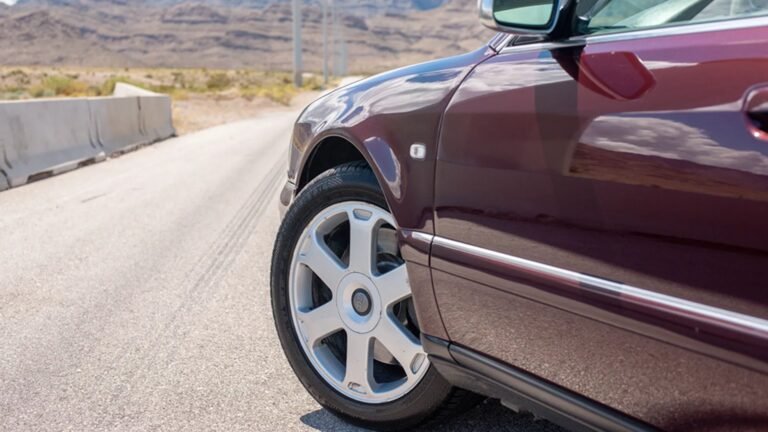
Much of this financial decay stems from weakening market conditions in China and escalating tariff headwinds in the United States. Consequently, Neckarsulm’s annual production capacity has been throttled down to 225,000 vehicles, which is roughly 75,000 units below its previous output. To streamline operations, Audi is ending A8 production entirely to consolidate its A5 sedan and wagon variants within the site’s most modern assembly hall.
Yet, the long-term survival of Neckarsulm remains terrifyingly uncertain. The facility exclusively produces combustion-engine vehicles and currently has zero confirmed battery-electric vehicle allocations once the current A5 and A6 life cycles conclude. The plant’s works council backed the shift changes in hopes of securing future electric platforms, but Volkswagen Group will not finalize these critical production assignments until later this year.
Audi
The Brutal Industry Reality
The uncomfortable truth is that several German plants face existential threats as executives scramble to restructure. A devastating string of plunging revenues has forced leadership to ruthlessly evaluate every square inch of their manufacturing footprint. The elimination of night shifts is merely a temporary bandage on a rapidly bleeding wound.
While substantial staff reductions are already underway, powerful labor unions stand ready to fight back. When sweeping job cuts inevitably face fierce board resistance, executives will be forced to hunt for alternative reductions across the conglomerate. Neckarsulm’s lost night shift proves that if the VW Group cannot fire its way to profitability, it will simply squeeze its existing operations until the excess is gone.