Powered seats are nice—until they go rogue
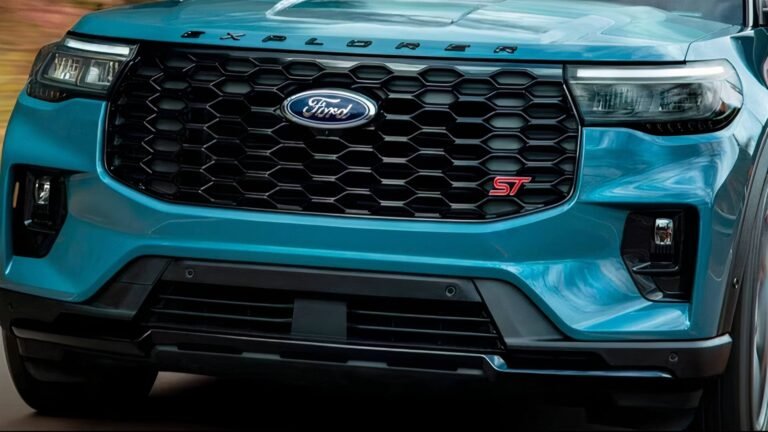
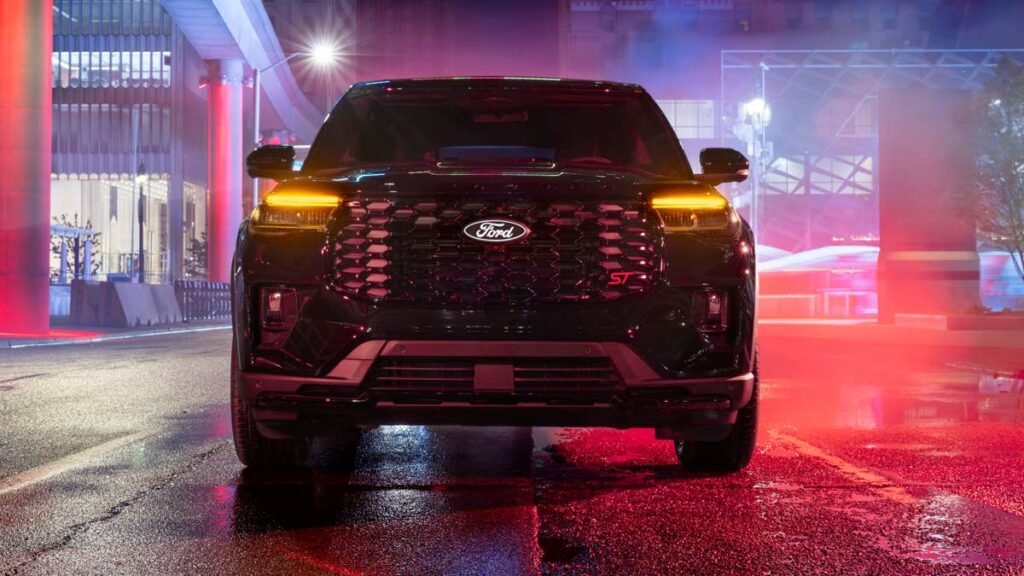
For the second time this July, the Ford Explorer and Lincoln Aviatorthree-row SUVs have been recalled because of a seat issue that could be a safety hazard. The newest recall applies to a driver’s seat back that may recline unexpectedly, potentially trapping a second-row passenger. That differs slightly from July’s earlier recall, whereby a second-row seat could tip or slide unexpectedly. In the new driver’s seat recall, the Explorer and its more luxurious cousin, the Lincoln Aviator, are both affected. Here’s a closer look at what owners need to know.
Explorer and Aviator Driver’s Seat Recall
Ford
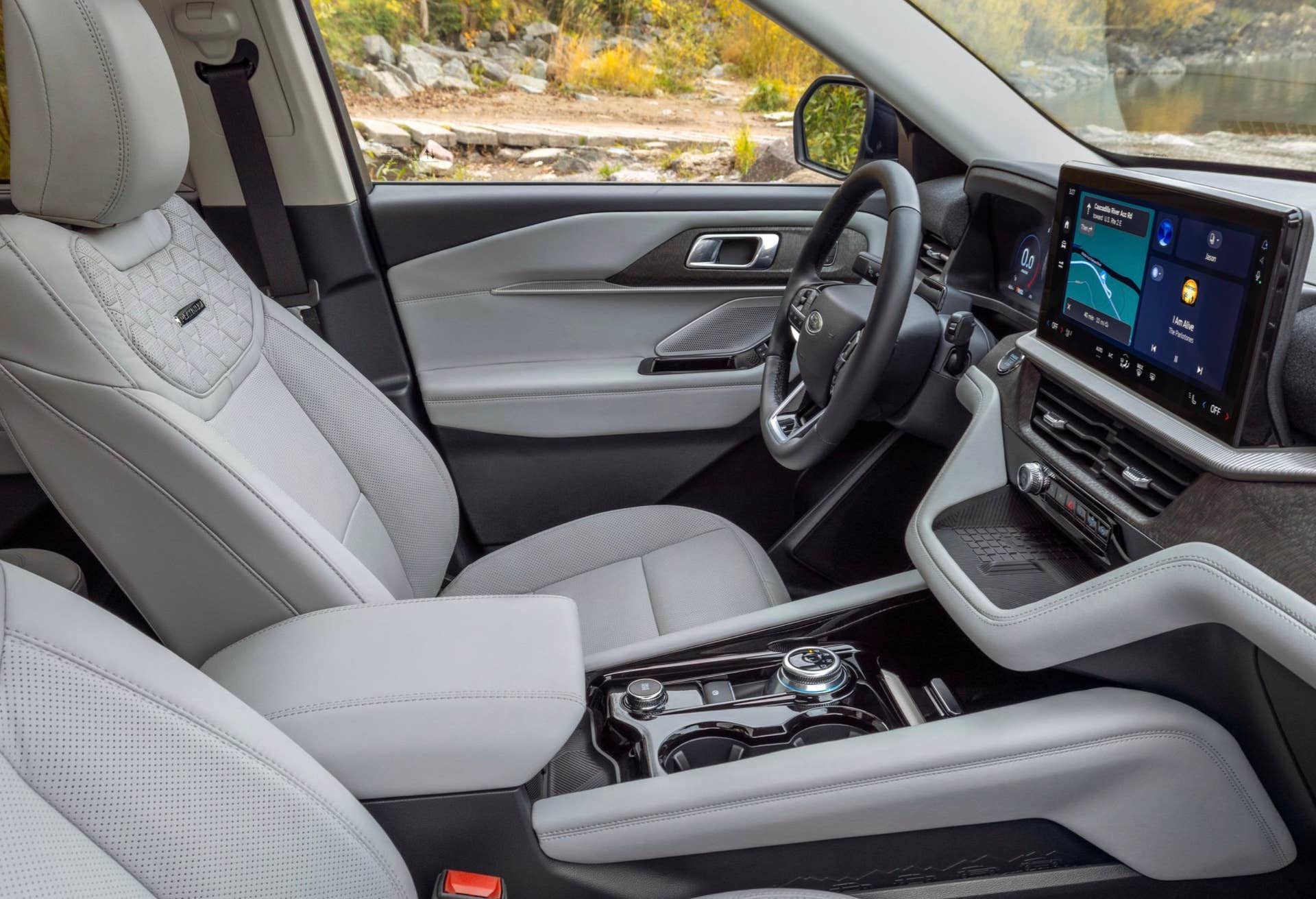
In the recall report published on the National Highway Traffic Safety Administration (NHTSA) website, the automaker notes that a total of 79,579 SUVs are affected. That number is broken up as follows:
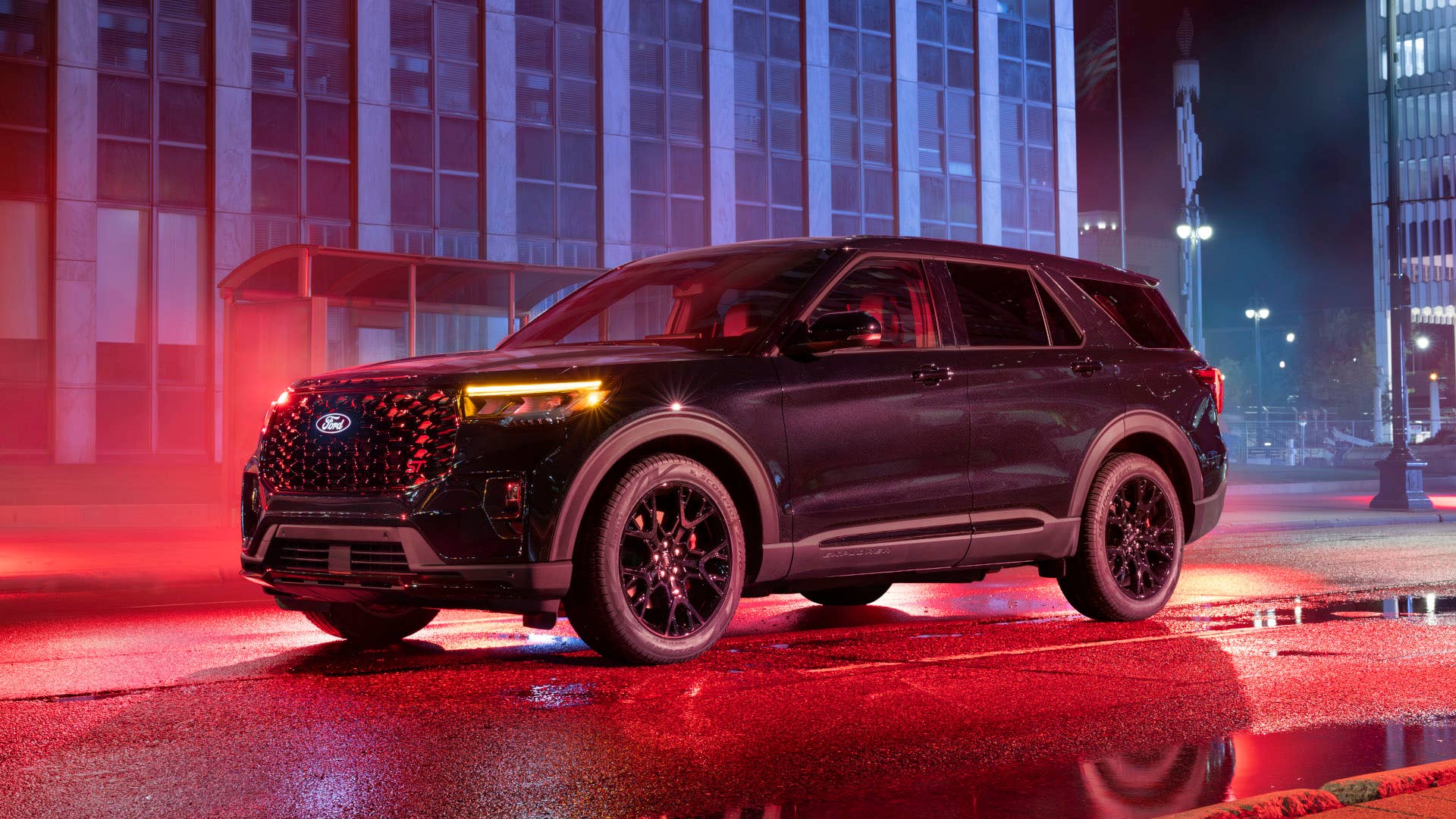
- 2026-2027 Ford Explorer (64,409 units)
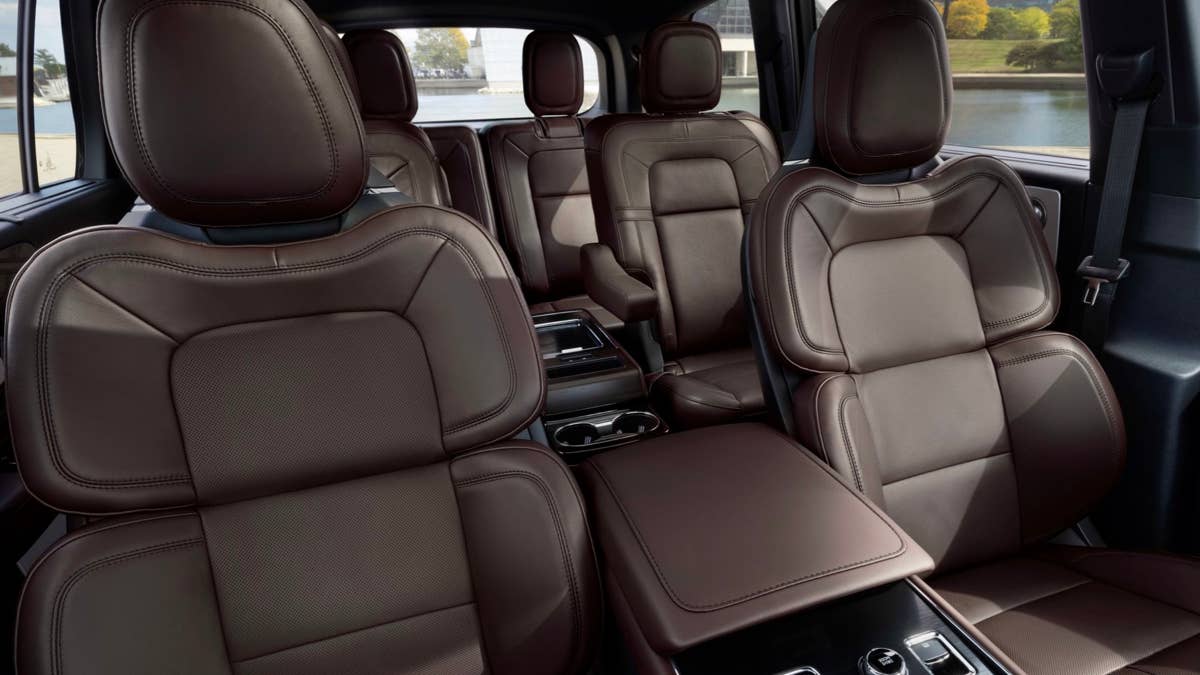
- 2026-2027 Lincoln Aviator (15,170 units)
As the Explorer is the much bigger seller, it’s no surprise that more examples of the Ford are impacted.
Lincoln
“Customers may experience unintended and unattended driver seat reclining movement,” states the recall report. “This can occur while remotely unlocking their doors, remote starting their vehicle, approaching their vehicle in possession of their key fob, or after recalling one of the saved button-activated seat memory positions.”
If the seat reclines without detecting an obstacle, it could trap or injure someone sitting behind the driver. This is especially dangerous for small children. According to Ford, the recline motor could incorrectly interpret the position of the driver’s seat.
While Ford isn’t aware of injuries or accidents, there have been 133 reports related to the malfunction.
What Owners Should Do Now
Ford has not yet completed development of a remedy for the driver’s seat fault, but an over-the-air software update is expected to resolve the issue at some stage. A date by which owners will be notified via mail has also not yet been established. This suggests that it could possibly be several months before vehicles can be inspected and repaired.
In the meantime, owners of 2026 and 2027 Explorer/Aviator SUVs should not seat anyone in the second row behind the driver. In particular, small children should not be left unattended in the vehicle, as the driver’s seat could suddenly recline without warning.
While vehicle identification numbers are not yet searchable on the NHTSA’s website for affected vehicles, owners can contact Ford’s customer service at 1-866-436-7332 for more information using the recall number 26S53.
Power Seat Dangers Escalate in 2026
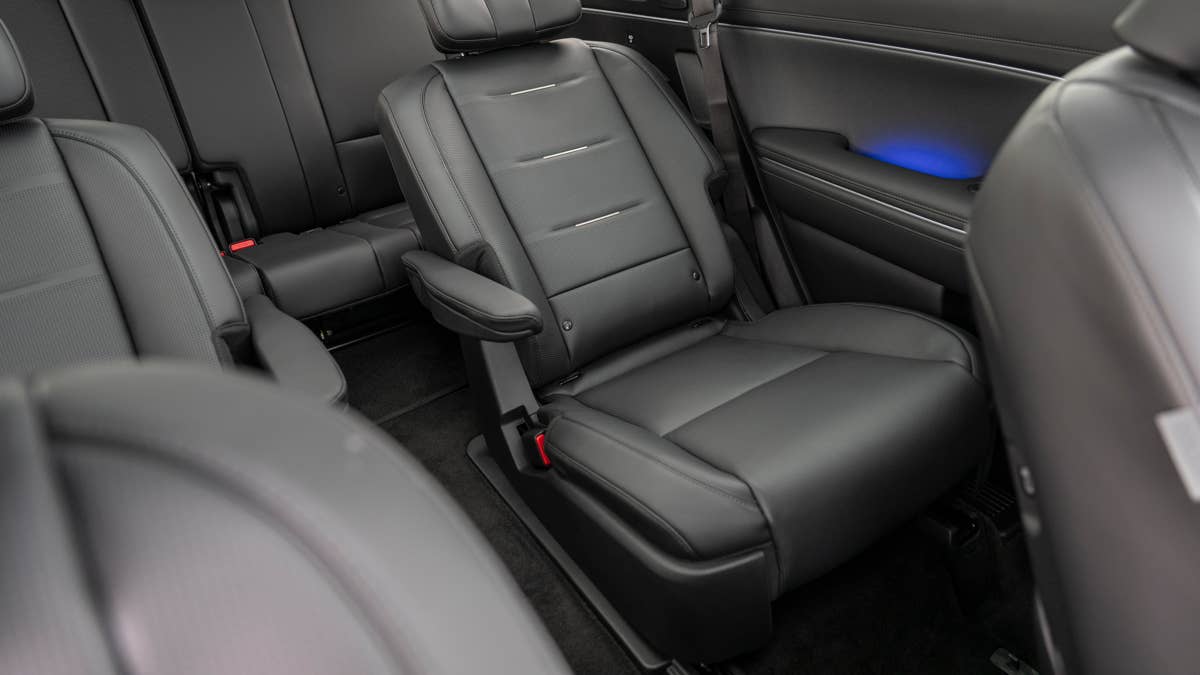
Hyundai
Many modern SUVs have power-adjustable and/or folding seats in multiple rows. These seats make light work of setting the desired seating position or reconfiguring the interior to accommodate either more people or cargo. But, as vehicles become increasingly software-controlled, these seats pose great risks to occupants when they malfunction.
The most notorious case involves the Hyundai Palisade, where a young child was tragically killed when one of the rear seats folded and trapped her. Hyundai stopped sales of the SUV temporarily before introducing a software remedy. More recently, Cadillac recalled the electric Vistiq SUV for a similar issue, and now Ford has had two seat-related recalls in the space of just a few weeks.
Given these events, it may be time for automakers to start implementing much stricter measures to prevent the inadvertent folding of these seats. These measures could involve manual disengagements if someone becomes trapped or more advanced obstruction-detection sensors.
Ultimately, convenience should never take precedence over safety, and we expect safety authorities to establish stricter standards for powered seats in the months and years to come.
Related: Hyundai Stops Sales of 2026 Palisade After Fatal Rear Seat Incident