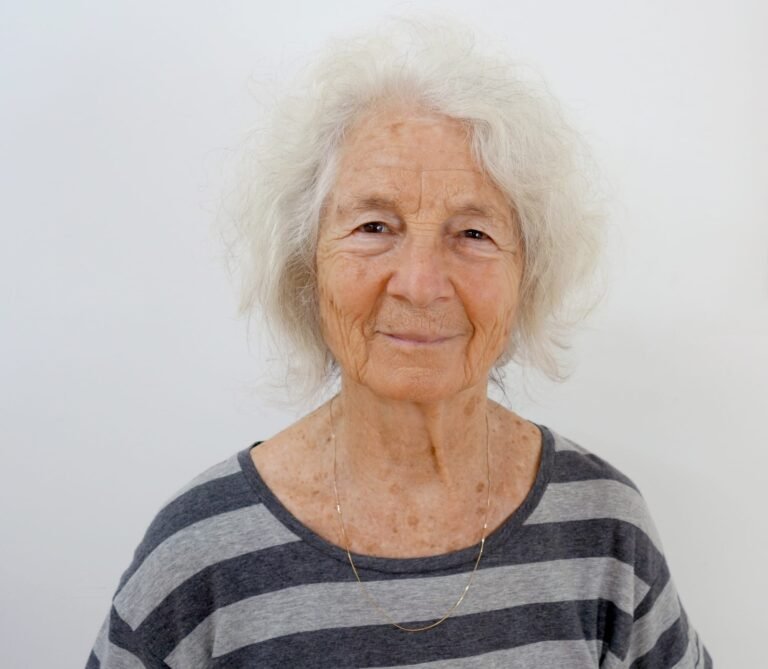
For generations of students, Simone Forti expanded the possibilities of movement and medium. The choreographer, dancer, and performance artist died on Wednesday, leaving behind a decades-long career rife with collaborations and experiments that redefined postmodern art. Matt Stromberg looks back on Forti’s remarkable life and practice today.
In the news, Trump gives two Leo Friedlander sculptures in DC a $5 million gilded retouch à la Mar-a-Lago. More in this edition, including art historian Natasha Seaman on Rembrandt and his more commercially successful Golden Age rival.
—Lakshmi Rivera Amin, associate editor
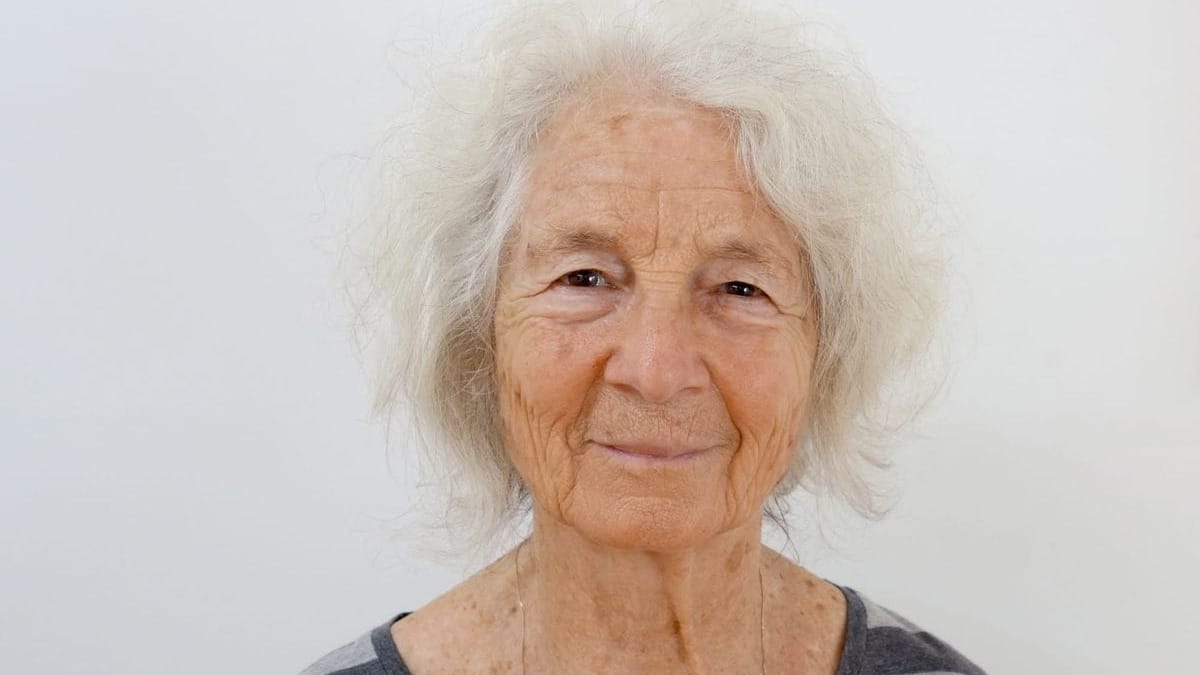
Simone Forti, Artist of Movement and Chance, Dies at 91
Throughout her lengthy career, she mixed boundless curiosity with a formal rigor across a broad creative spectrum that included movement, painting, poetry, video, and even holography.
“The more you look, you will find her standing in the midst of nearly every avant-garde that hit New York and California over five decades at least,” said Glenn Phillips, chief curator at the Getty Research Institute, which acquired Forti’s archives in 2020, in an email to Hyperallergic. | Matt Stromberg
News

- Hundreds of archaeological sites are now under threat after the federal government announced that the Texan portion of the US-Mexico border wall will be exempt from environment preservation laws.
- The Mount Amel Castles in Lebanon and the archaeological ruins of Sebastia in the Occupied West Bank are added as UNESCO World Heritage Sites amid Israel’s targeted land seizures and ongoing military offensives.
- Trump spends $5 million in public funds on the regilding of two of the DC equestrian statues, “Arts of War” and “Arts of Peace.”
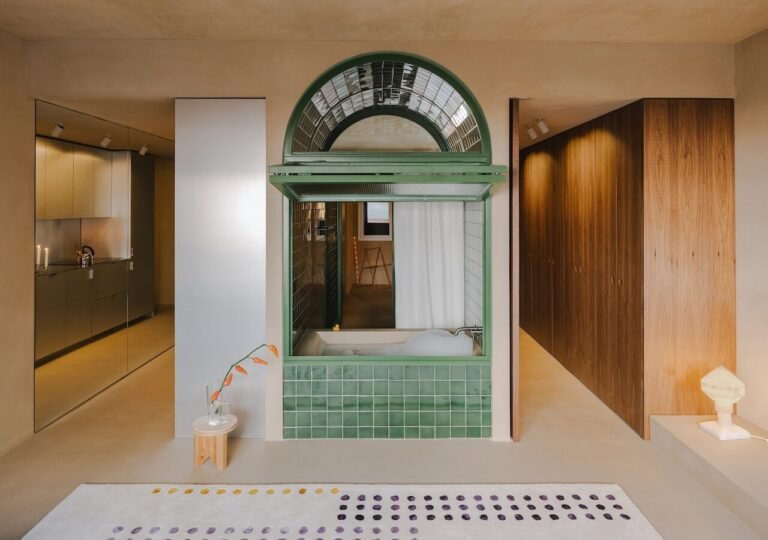
- Art Movements: Todd Caissie is named the new executive director of the Montclair Art Museum. Plus, curators are named for the Aichi Triennale and Biennale of Sydney in our weekly roundup of industry news.
Art Review
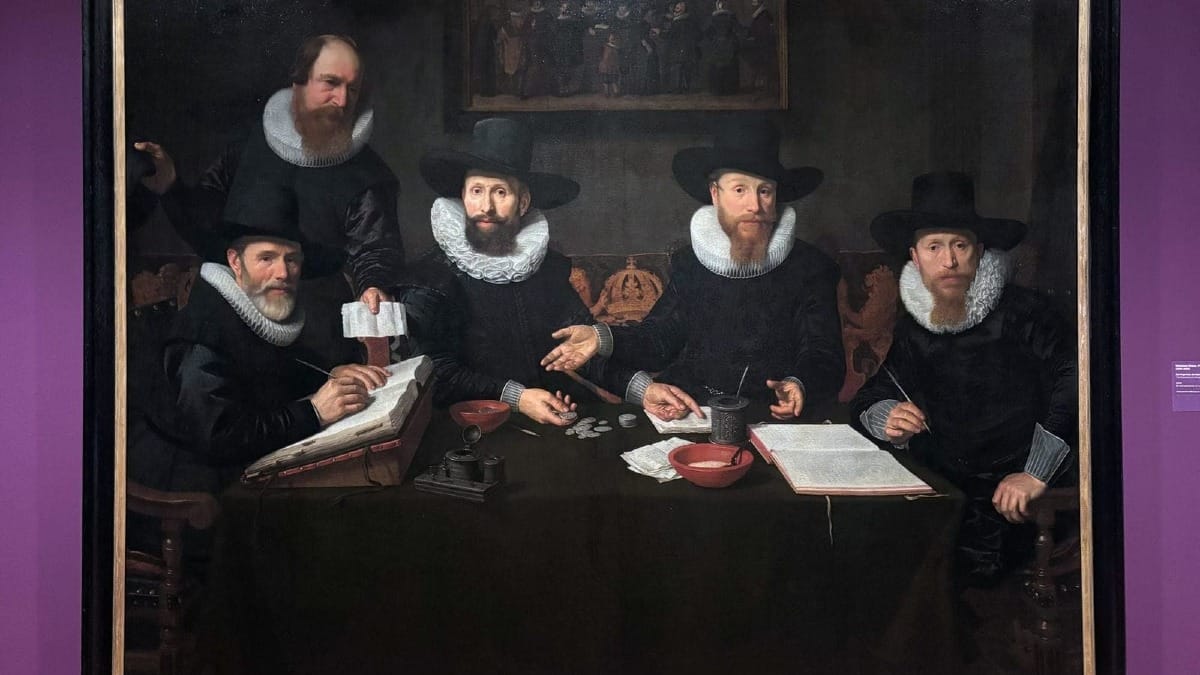
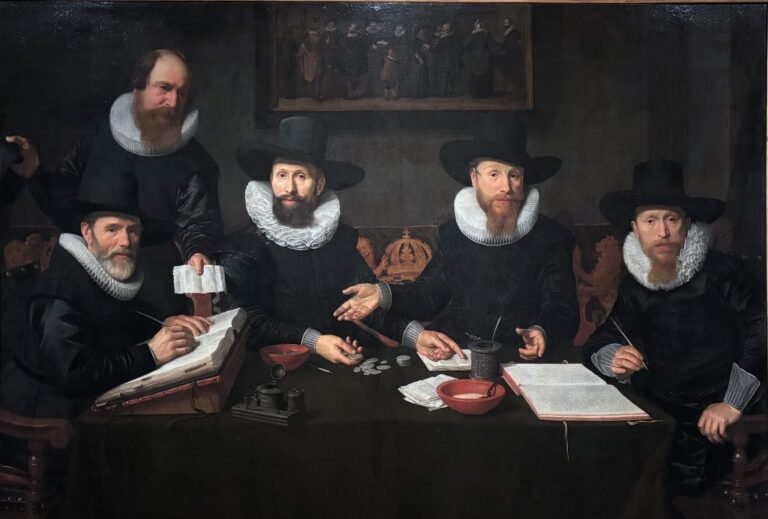
Why Did Rembrandt Die Poor?
Rembrandt pioneered the saleable self, but unlike his rival, Gerard Van Honthorst, he failed to reconcile his personal vision with the market.
As demonstrated by a small coda to the exhibition Rembrandt 1632: Creation of a Brand, Rembrandt is a name that sells. A case displays ads for Rembrandt-branded tobacco, boxes of toothpaste, and even a television (the name suggests a fair amount of drama but inconsistent picture clarity). Rembrandt’s own first efforts to imbue his name with this power, this exhibition asserts, came in 1632, when he moved from Leiden to Amsterdam.
Running the length of a capacious, purple-walled corridor in the Old Master-encrusted Wilhelmshöhe Palace in Kassel, Germany, the exhibition pinpoints Rembrandt’s transformation into a self-declared, first-name-only celebrity as he stared down the Amsterdam art market. | Natasha Seaman
Community
Required Reading
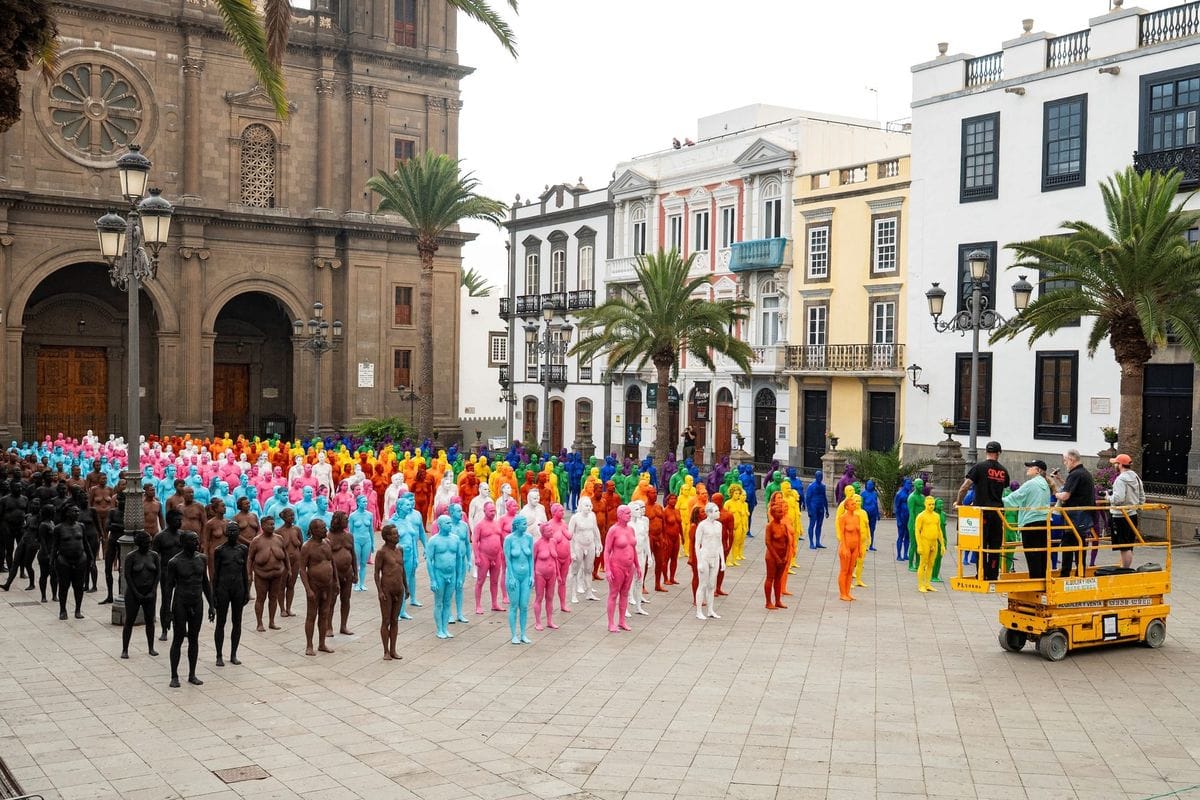
Remembering Betye Saar on her 100th birthday, saving a women’s sculpture garden, Emily Wilson breaks the internet, climate scientists on OnlyFans, and more.
Member Comment
Butch Murphy on “Walter Benjamin Warned Us About AI”
From the Archive
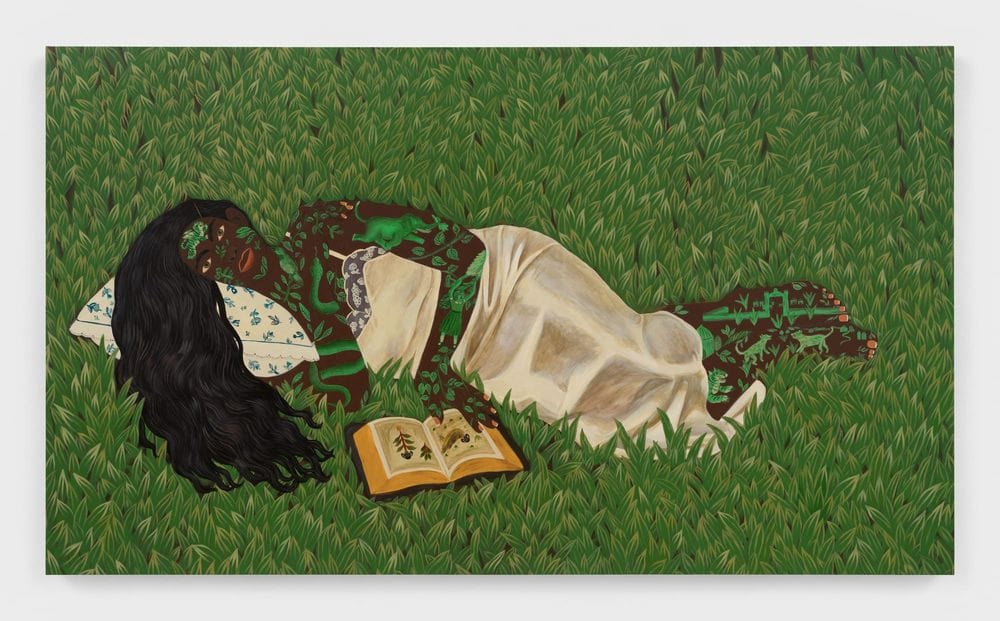
The Shapeshifting Paintings of Kelly Sinnapah Mary
The various iterations of the artist’s schoolgirl avatar allude to a burgeoning womanhood at a crossroads of celestial being and commonality. | Seph Rodney