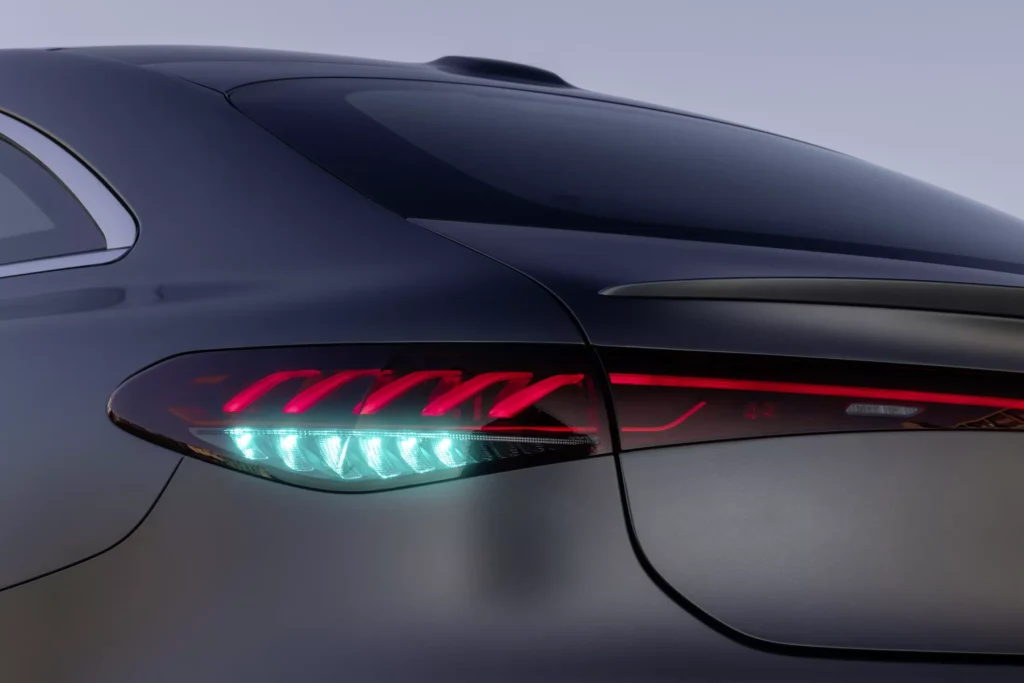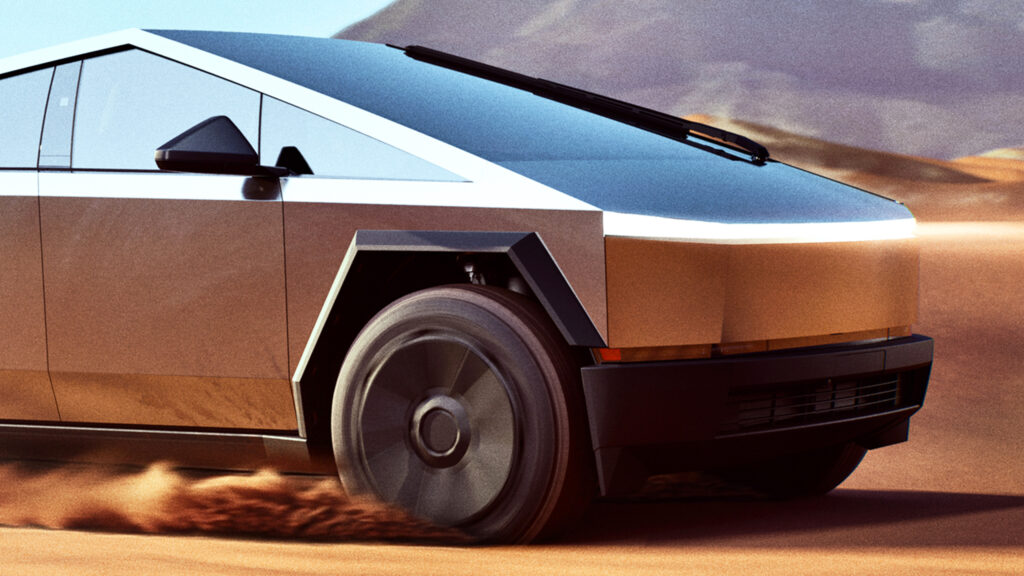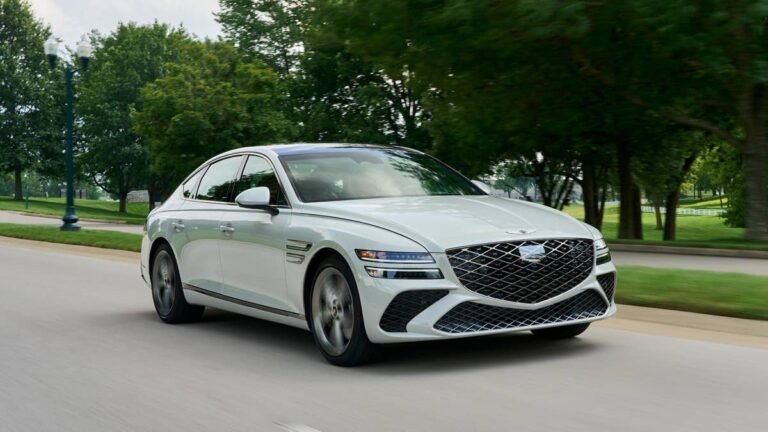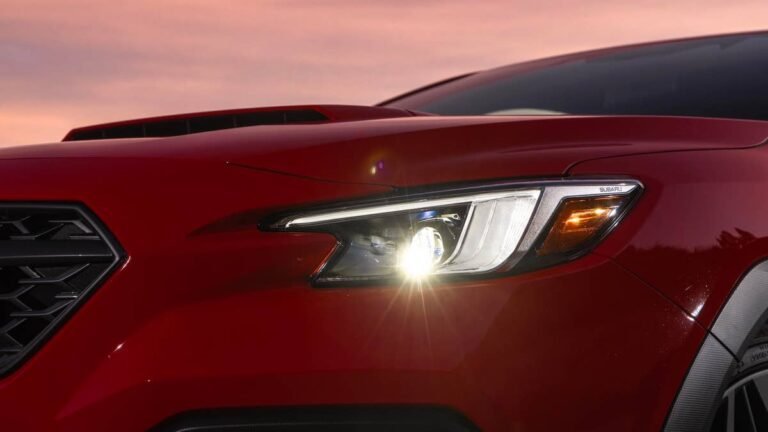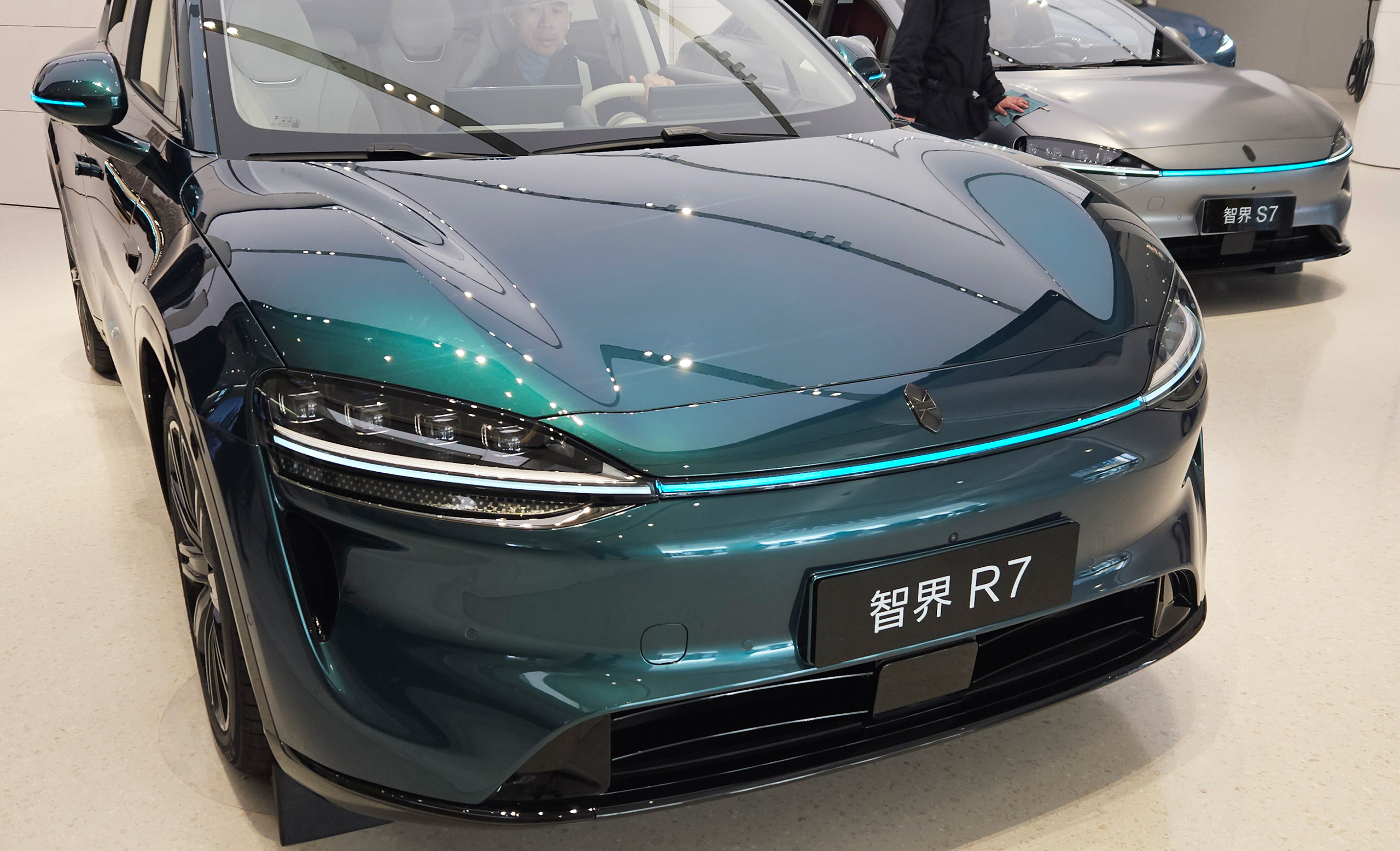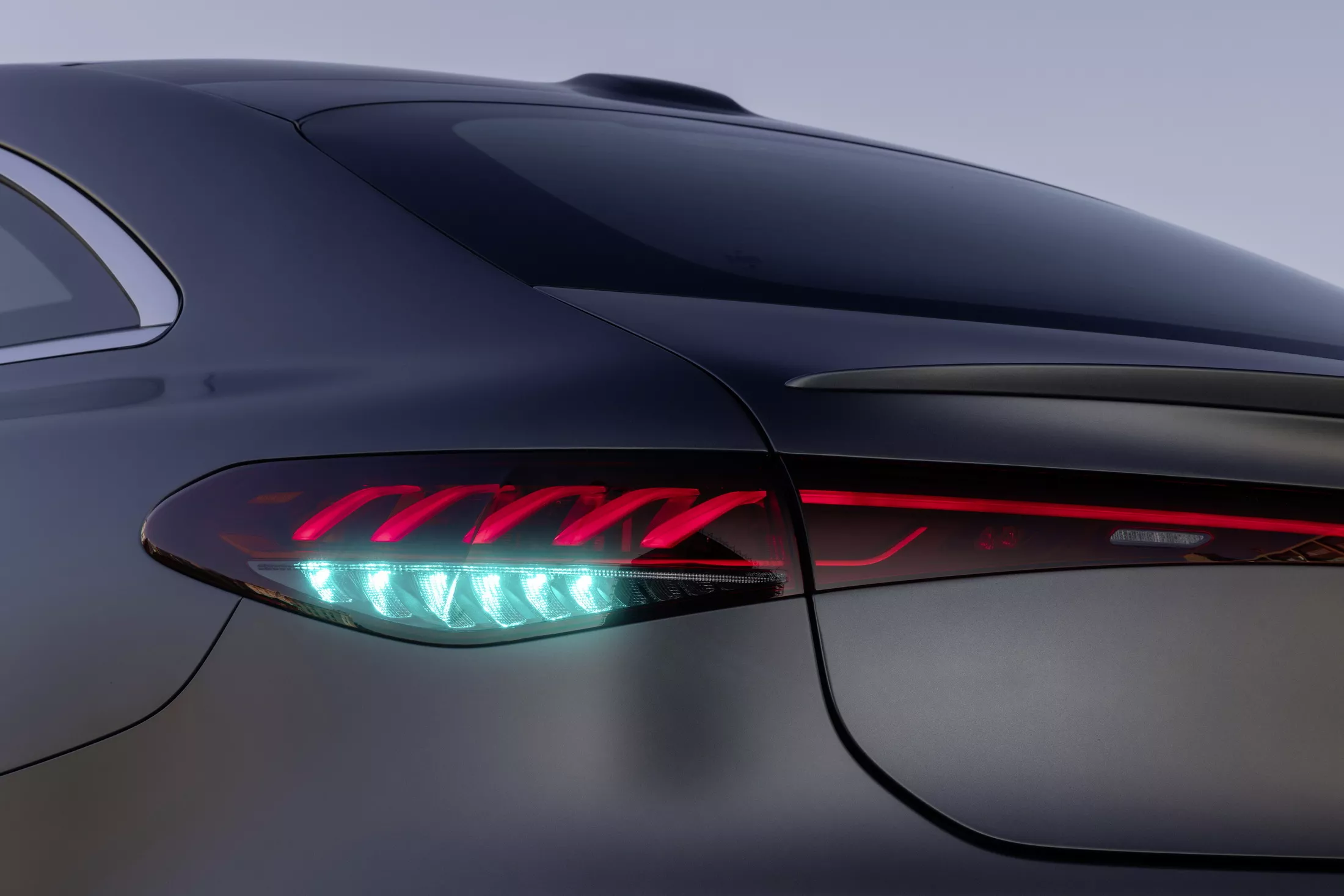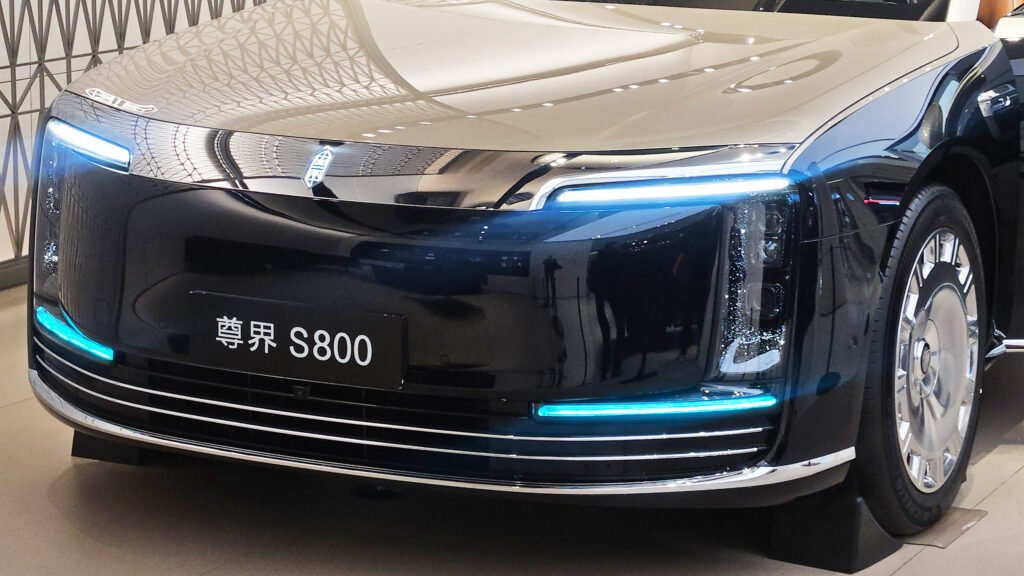
- Most new cars in China with self-driving tech include these turquoise lights.
- As it turns out, these lights don’t comply with passenger vehicle regulations.
- The only permitted exterior light colors are white, yellow, amber, and red.
Just as turquoise exterior lights looked set to become the standard for cars running in autonomous driving modes, Chinese regulators have moved to ban them. As it turns out, the lights have been breaking local law since the moment they first appeared, so this is less a crackdown than enforcement that took years to arrive.
Li Auto is widely credited with being the first automaker to use turquoise lights to signal when its cars were driving themselves, starting in 2022, with Mercedes picking up the idea a year later. From there the trend spread across most of China’s brands and then jumped to a few Western names, including Cadillac. What started off as a trend in China seemed as though it would inevitably spread throughout the world and these lights would become the standard.
Read: Mercedes Started The Turquoise Trend For Cars In Self-Driving Mode, China Is Finishing It
However, it’s been reported that China’s Ministry of Industry and Information Technology (MIIT) has ordered companies to stop equipping passenger vehicles with these lights, noting they do not comply with GB 4785 requirements. This standard, which took effect in July 2020, relates to the exterior lighting and light-signaling devices used by motor vehicles and trailers. The only permitted colors are white, yellow, amber, and red, not blue.
Old Laws Meet New Tech
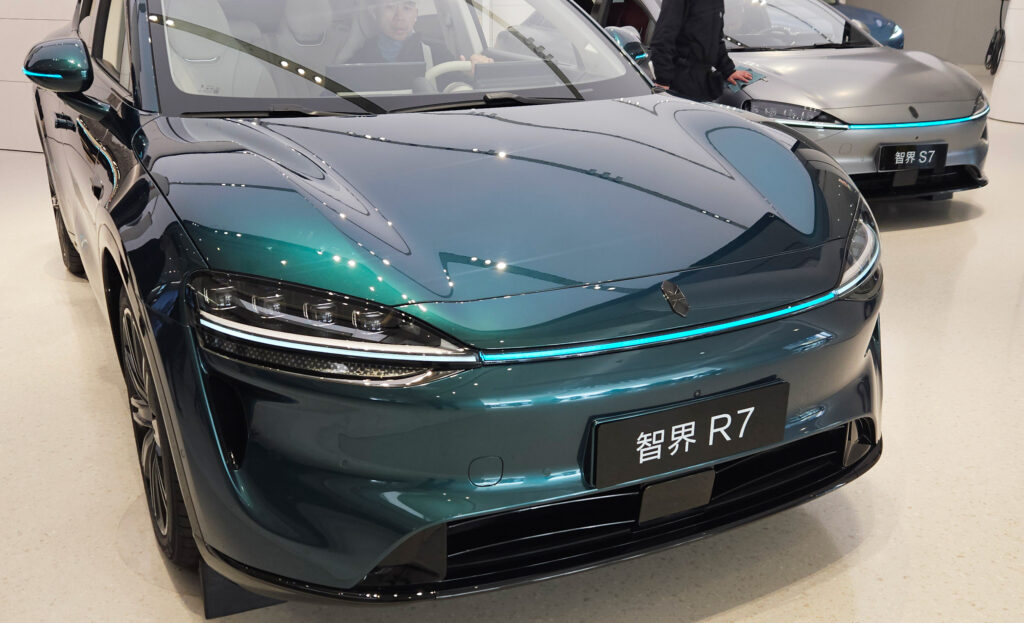
There’s no word on why it has taken several years for regulators to clamp down on the lights, just as they continued to surge in popularity. Ultimately, it seems as though China’s car industry has developed so quickly that local laws have been unable to keep up. Rather than these laws being updated, companies are instead being forced to fall in line with established legislation.
CNEVPost reports that while the turquoise lights are useful in signaling when a vehicle is in an autonomous driving mode, road users have complained about them being too bright and installed in poor locations. In some vehicles, they’re positioned at eye level and can easily distract drivers.
It’s reported that the MIIT still needs to work out how to deal with the hundreds of thousands of cars already on the roads with these lights. They may get a pass to keep using them, or companies could be forced to disable them.