Breaking Traditions
The complexity of manufacturing is sometimes an underappreciated aspect of the world we live in. Zooming in on the automotive side of manufacturing, we know that there are literally countless components and parts of all shapes and sizes that go into making just one car. Traditional car manufacturing is based on processes and systems made up by each major brand, but some are already realizing that the way forward entails a break from tradition.
Additive manufacturing, also known as 3D printing, isn’t just a hobby anymore, but a valid way to produce components that traditional manufacturing just can’t do. Just ask BMW.
Now, Hyundai and Kia are trying to harness this process to further develop and integrate it into their products and manufacturing plants.
Hyundai and Kia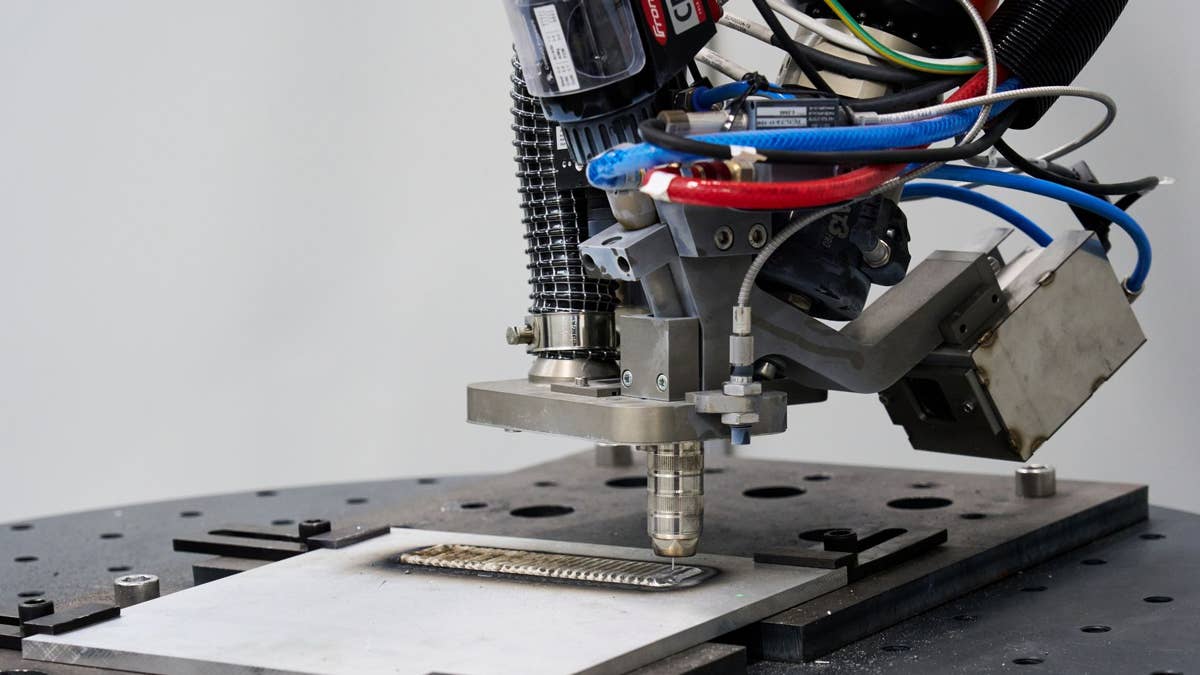
Freedom of Design
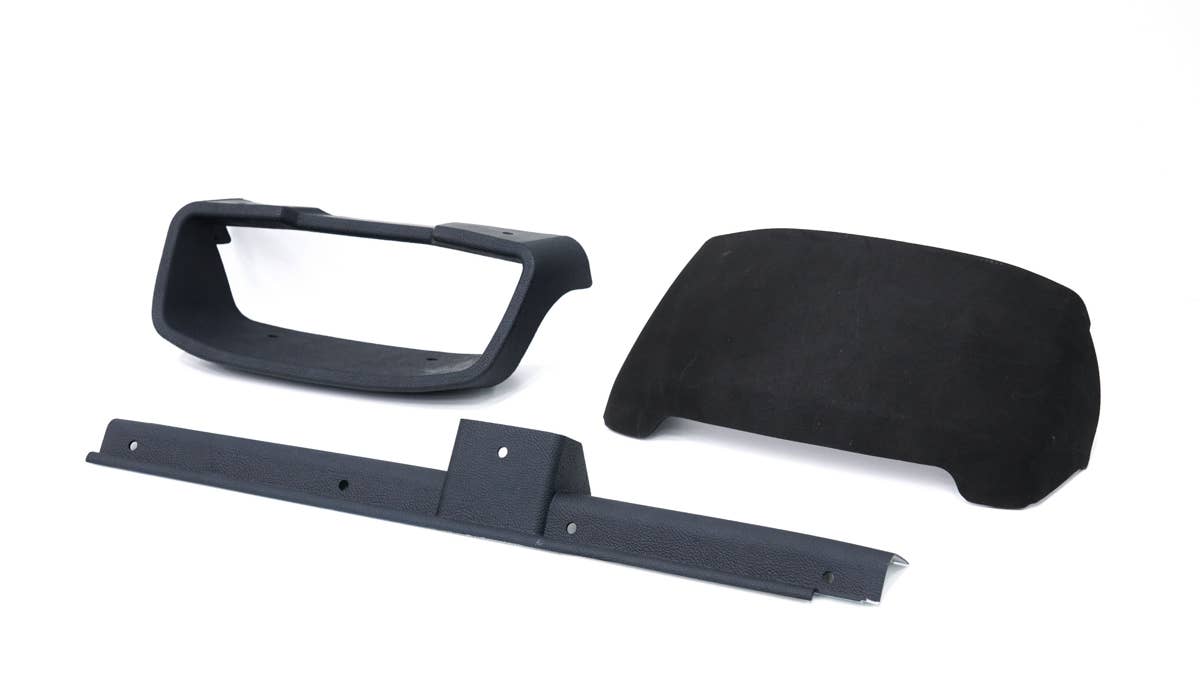
The fundamentals of car component production lie in the ability to create a part, which entails making a mold of that specific part. That’s all well and good for simple parts, but as the automotive industry progresses, more complex parts can’t be made using the “old ways.” This is why, according to Hyundai and Kia, they’ve been investing in and improving their 3D printing capabilities to give them the freedom of design when it comes to making car parts.
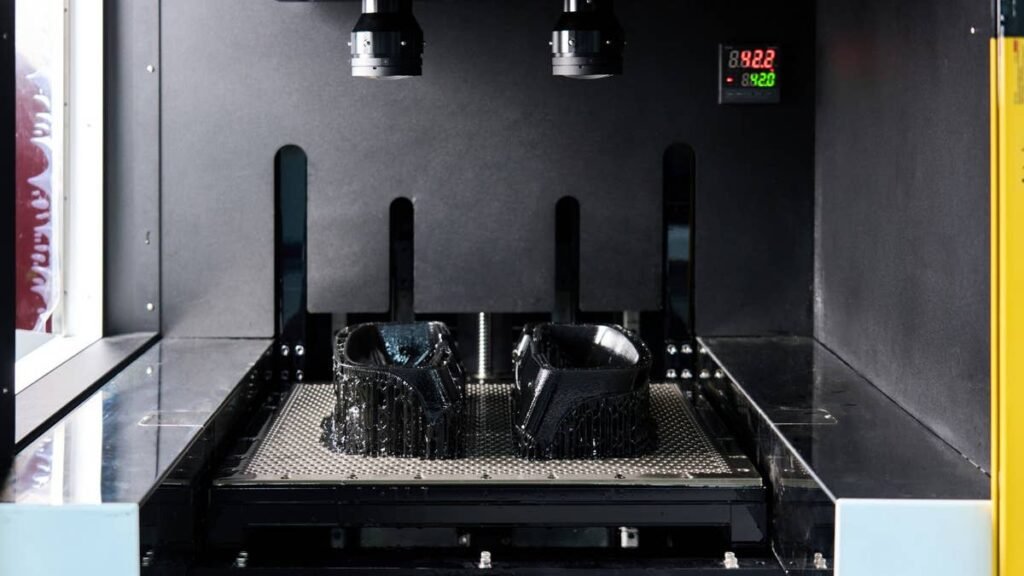
Both brands have the Additive Manufacturing Solution Center (AMSC) at the Namyang Research and Development (R&D) Center. This facility is responsible for turning digital component designs into directly manufactured components. This is achieved through state-of-the-art additive manufacturing technologies, such as laser-melted metals and powder-sintered polymers. In essence, the AMSC can design for optimal weight and performance and manufacture complex designs that are difficult to achieve through traditional methods.
Hyundai and Kia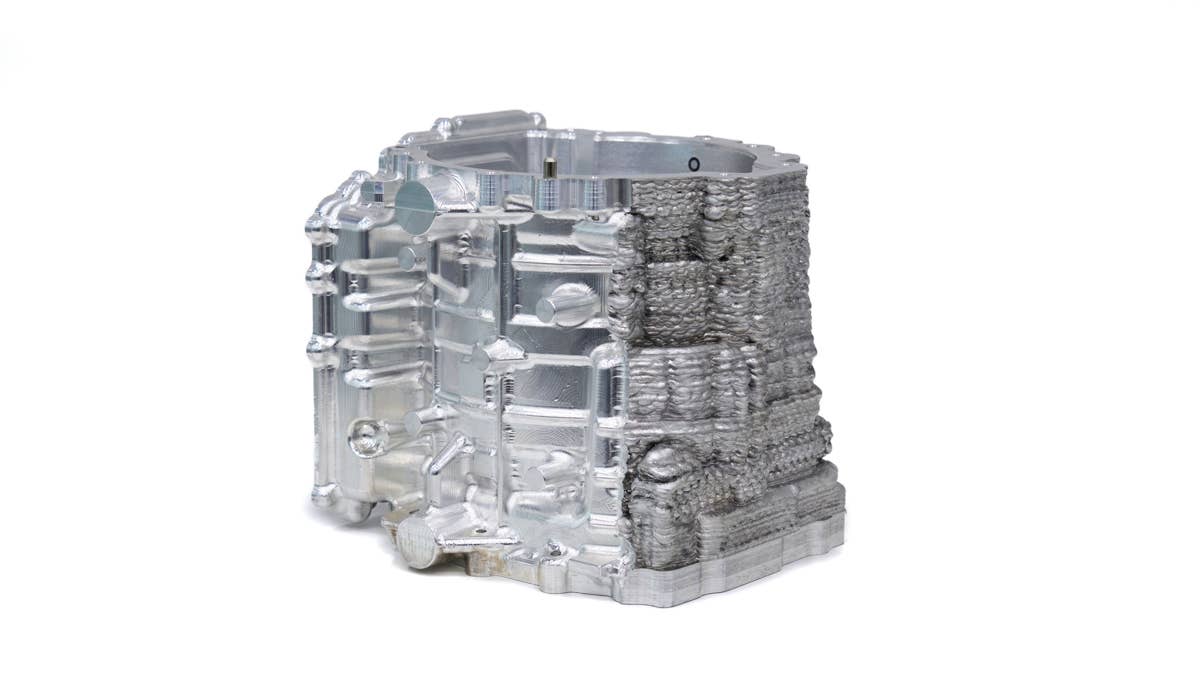
Quality and Applications
It’s important that this expanding additive manufacturing process be up to standard, which is why each 3D printed product undergoes what’s called a Quality Inspection Cell at every step of the way. As a quality-checking process, this tests the components’ tensile strength, bending stiffness, and impact resistance against production-equivalent standards. The process even goes as far as analyzing the metallurgy of the part to make sure it’s up to par with the traditionally made ones.
Currently, AMSC can create parts and components that go into a wide range of internal use for car production, motorports, and heritage restoration programs. At its core, AMSC allows both major manufacturers to adapt to the changing production needs of the industry, but fundamentally, according to the brands, additive manufacturing allows them to “physically build whatever its designers imagine.”
Hyundai and Kia