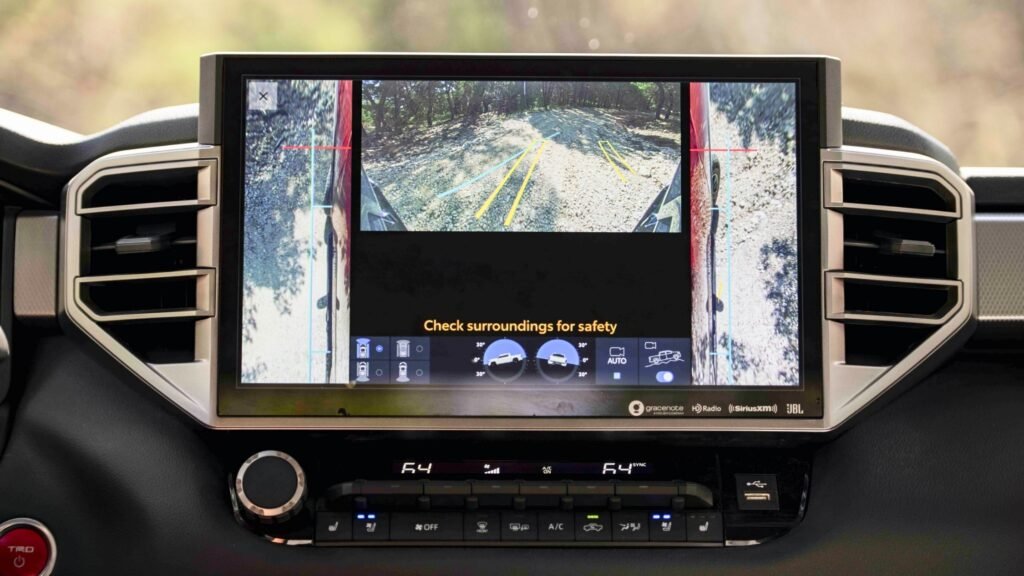
- The camera itself is rarely the actual villain behind these failures.
- Drivers report blank screens, frozen images and even misleading camera feeds.
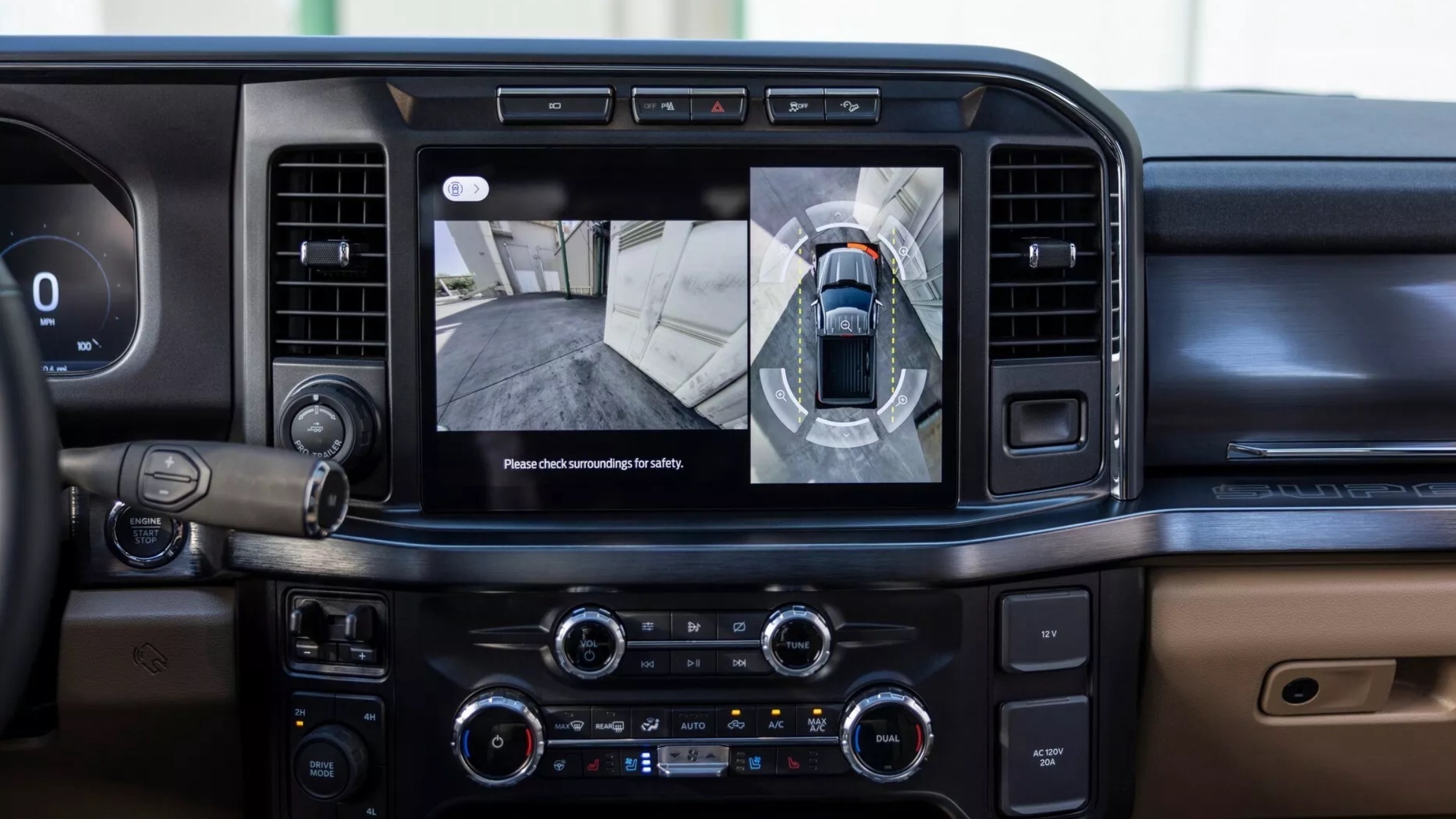
- Increasingly complex infotainment tech gives backup cameras more ways to fail.
Remember when reversing involved turning your head and occasionally twisting around far enough to pull a muscle? Backup cameras were supposed to improve that arrangement and help you see hidden dangers that even the most flexi-necked driver might miss. But America’s experience since making them mandatory suggests we’ve also made our cars a heap more unreliable – and occasionally less safe – in the process.
A Bloomberg analysis of NHTSA data found that automakers have recalled around 21 million cars for backup-camera problems since the federal requirement arrived eight years ago. Throw in other covered vehicles such as RVs and small buses and the figure reportedly approaches 28 million.
Related: Water Keeps Wrecking Discovery’s Camera, So Land Rover Is Reaching For A Drill
Last year alone accounted for almost 6 million recalled vehicles. Meanwhile, roughly 2,000 complaints have reached NHTSA from drivers experiencing camera glitches. Some sound merely irritating, like slotting reverse and getting a blank screen. Others are more serious and involve displays showing old images instead of what’s actually behind the vehicle, which is a scary prospect when you’re already moving backwards and have learned to trust the tech.
Vehicles Recalled Over Backup-Camera Issues
SWIPE
Source: NHTSA / Bloomberg
It’s a problem we’ve highlighted before. Last year, Carscoops counted more than 180 camera-related recalls since 2018, with Ford comfortably leading our table. And 2026 hasn’t exactly brought evidence that engineers have finally cracked the problem.
Ford recalled 1.7 million vehicles across two campaigns in March. One involved rear-camera images appearing reversed, while another concerned an overheating component capable of blanking the infotainment display. Honda followed in May with almost 60,000 EVs whose cameras could potentially admit water or debris.
It’s Not The Camera
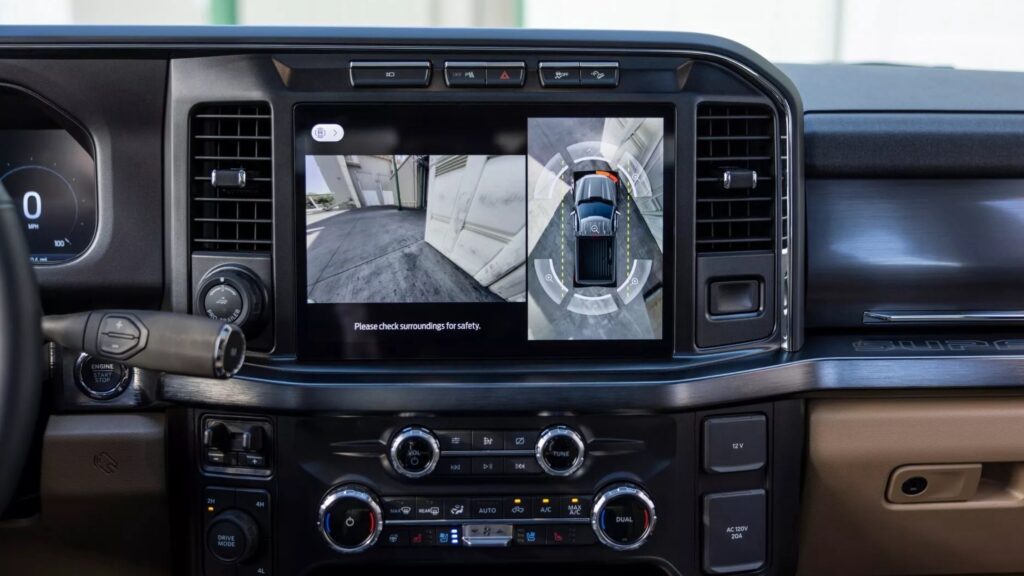
But it’s not the camera that’s necessarily the villain here. It’s the computer interpreting the images the camera captures. Camera, wiring, processors, software and display all have to play nicely together before that video reaches your screen, and every extra link creates another opportunity for something to throw a tantrum.
JD Power‘s data underlines the scale of the technology headache. Backup cameras have ranked among its 10 most problematic vehicle features every year since 2022, Bloomberg reports, while infotainment was the only category to become more troublesome in its latest 2026 Initial Quality Study.
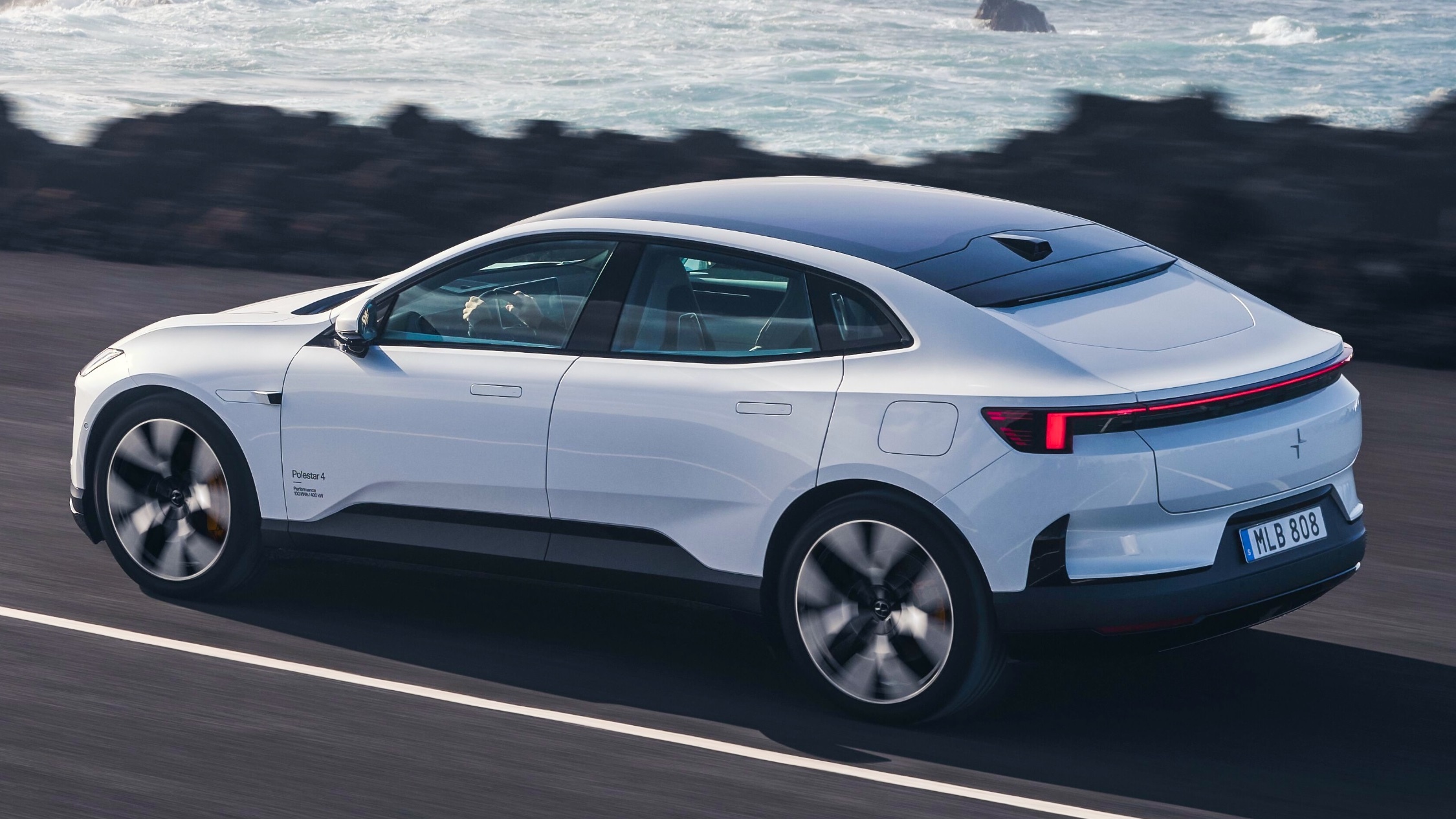
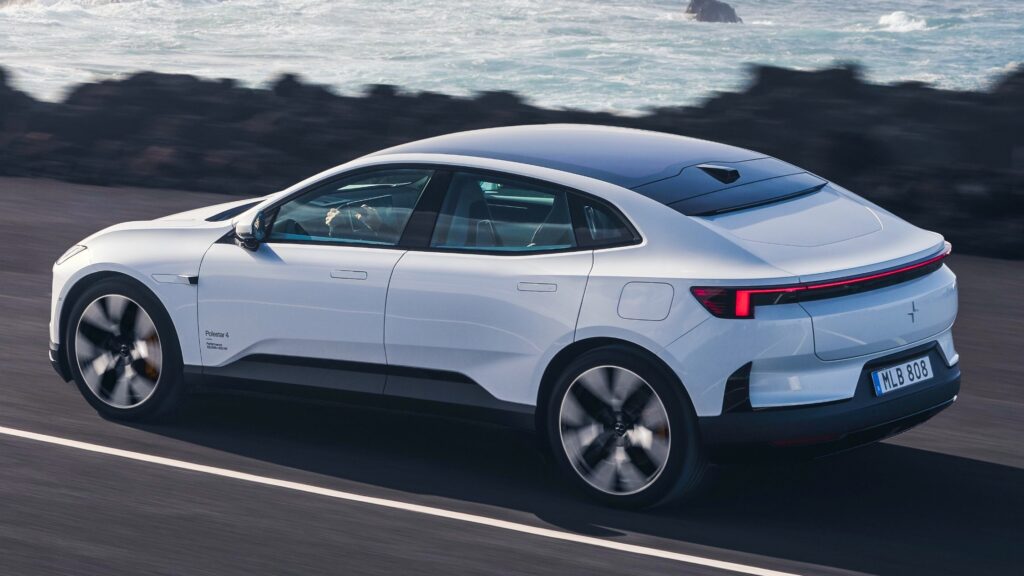
None of this means we’d rather lose backup cameras. They can reveal children, bicycles and low obstacles that mirrors simply can’t, which is precisely why regulators required them. But when automakers are now designing cars without rear windows, like the Polestar 4 and upcoming Jaguar Type 01, on the assumption that backup cameras remove the need for rear glass entirely, it’s critical that they make this technology work for years without a hitch.
Toyota, Ford, Polestar