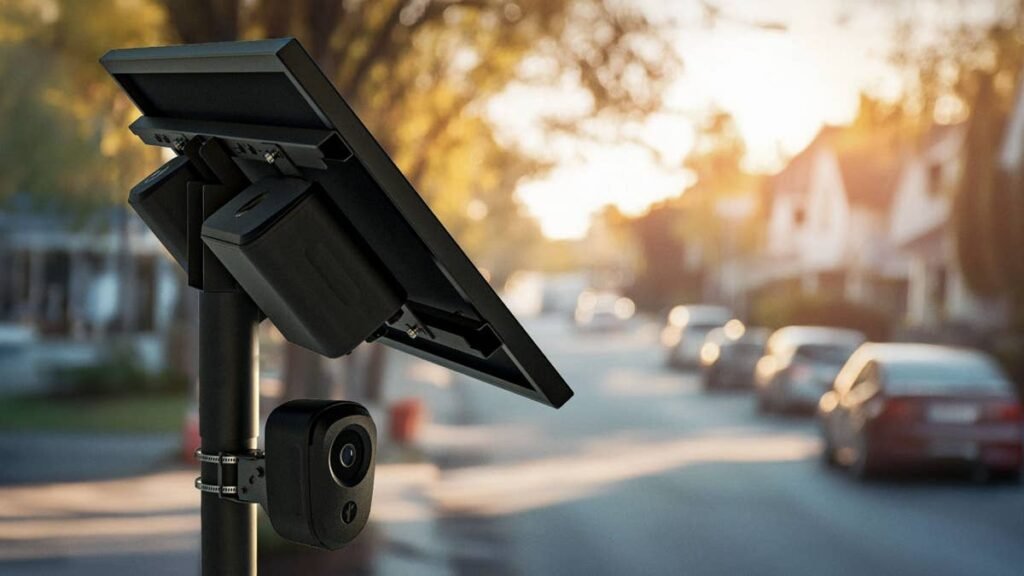
Automated license plate readers are becoming an increasingly common tool for police departments across the U.S., but a newly revealed policy shows that some officers are being told to keep their use of the technology under the radar.
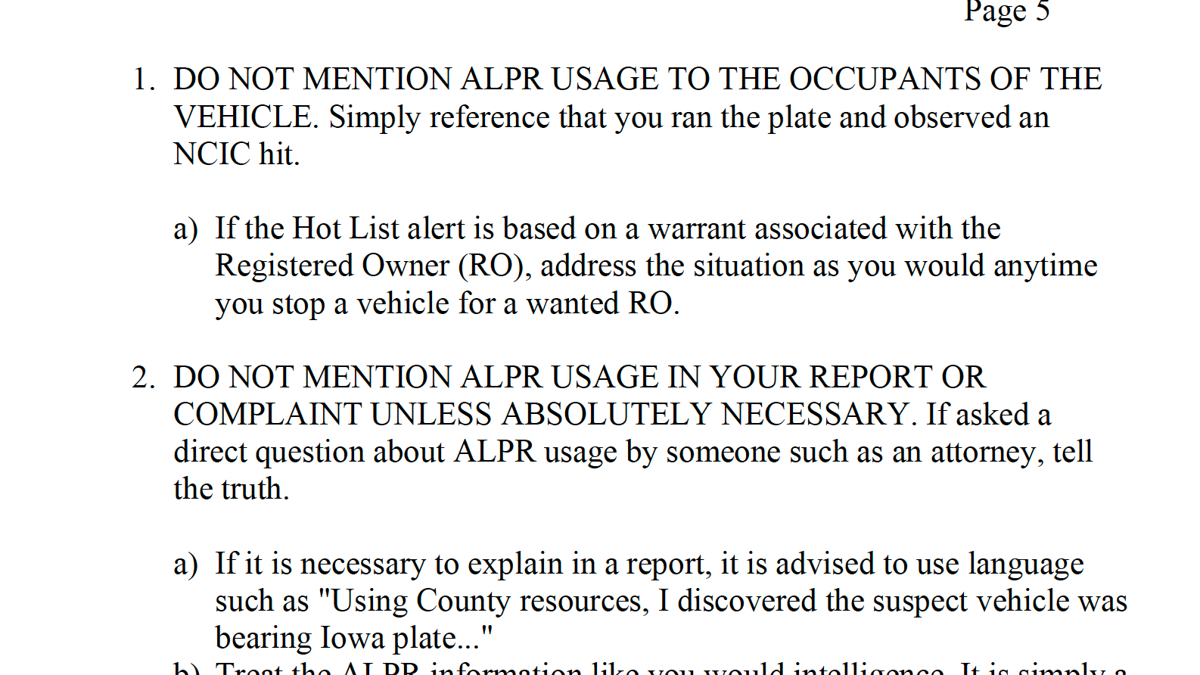
According to a report from 404 Media, deputies in Iowa’s Wapello County were instructed not to tell drivers when Flock cameras helped identify their vehicles. They were also told to leave the technology out of police reports unless it was “absolutely necessary.”
Police Were Told To Hide Flock Use
404 Media
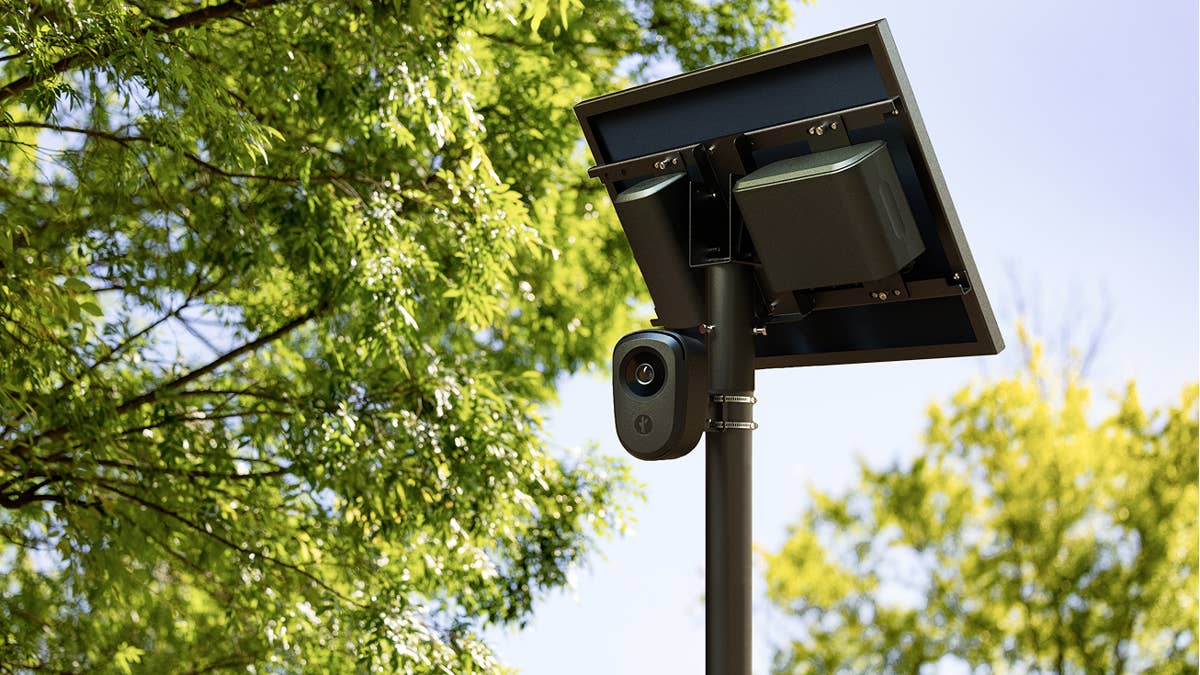
The Wapello County Sheriff’s Office adopted its Flock policy in November 2025. The document instructs deputies to avoid telling vehicle occupants about automated license plate reader (ALPR) use and to describe information obtained from the system as coming from “county resources” when possible. Flock cameras use ALPR technology with AI assistance and machine learning to record license plates and vehicle details in searchable databases typically used by law enforcement, businesses, and neighborhood associations, restricting majority of the public.
The policy says ALPR information should be treated as an investigative lead that officers verify before taking action. Sheriff Don Phillips defended the approach, arguing that revealing investigative methods could help criminals learn how to avoid them.
Why Flock Cameras Are So Controversial
Flock Safety
Wapello County has just four Flock cameras through a contract signed in 2024. As of writing this article, Flock Safety has more than 120,000 operational ALPR cameras across 49 states in the U.S., and scans more than 20 billion license plates on a monthly basis. Flock’s expanding network has fueled privacy concerns because searchable vehicle data can reveal people’s movements without a warrant.
With such a vast network, many fear for their personal safety and privacy. These concerns have already materialized in real-world cases, such as businesses spying on their customers. Naturally, there has been much resistance from the public regarding Flock’s cameras.
Flock’s Transparency Problem
Flock Safety
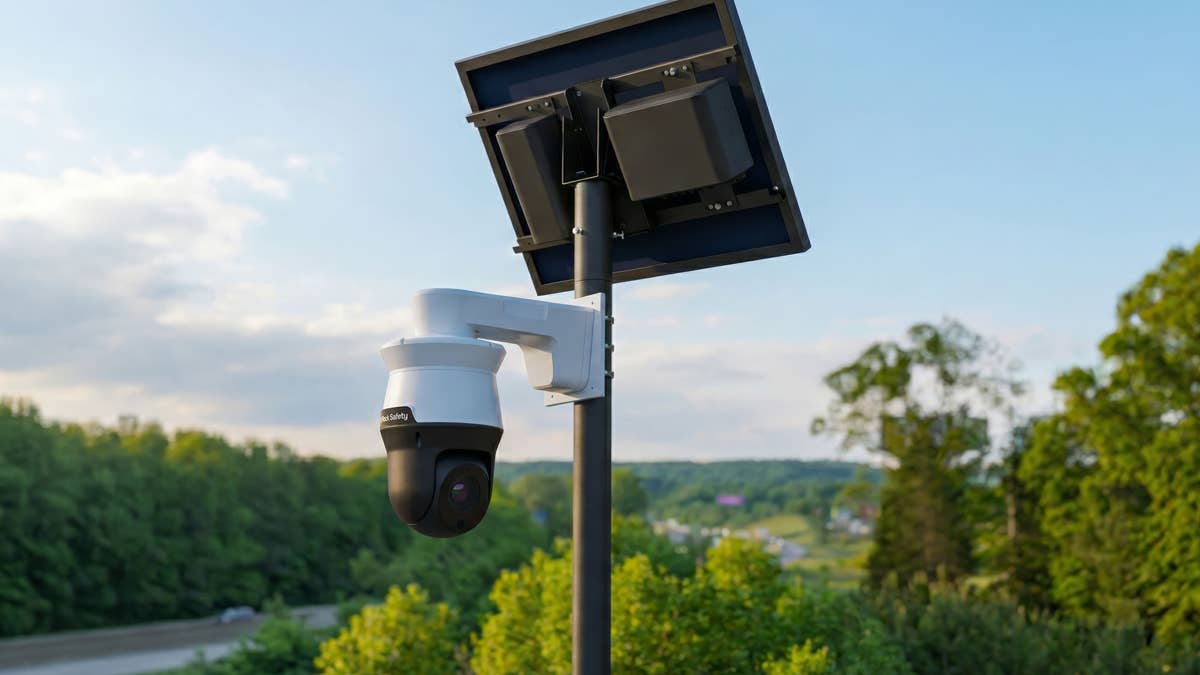
The Wapello County policy is particularly striking because Flock has emphasized safeguards around its technology. Yet the agencies using Flock’s cameras can apparently decide that the public does not need to know when they are being used.
Granted, police may have legitimate reasons for protecting investigative techniques. But when cameras can discreetly record vehicles traveling on public roads and build searchable records of where they have been, the question of how much drivers should be told is becoming increasingly difficult to ignore.