From Across the Atlantic
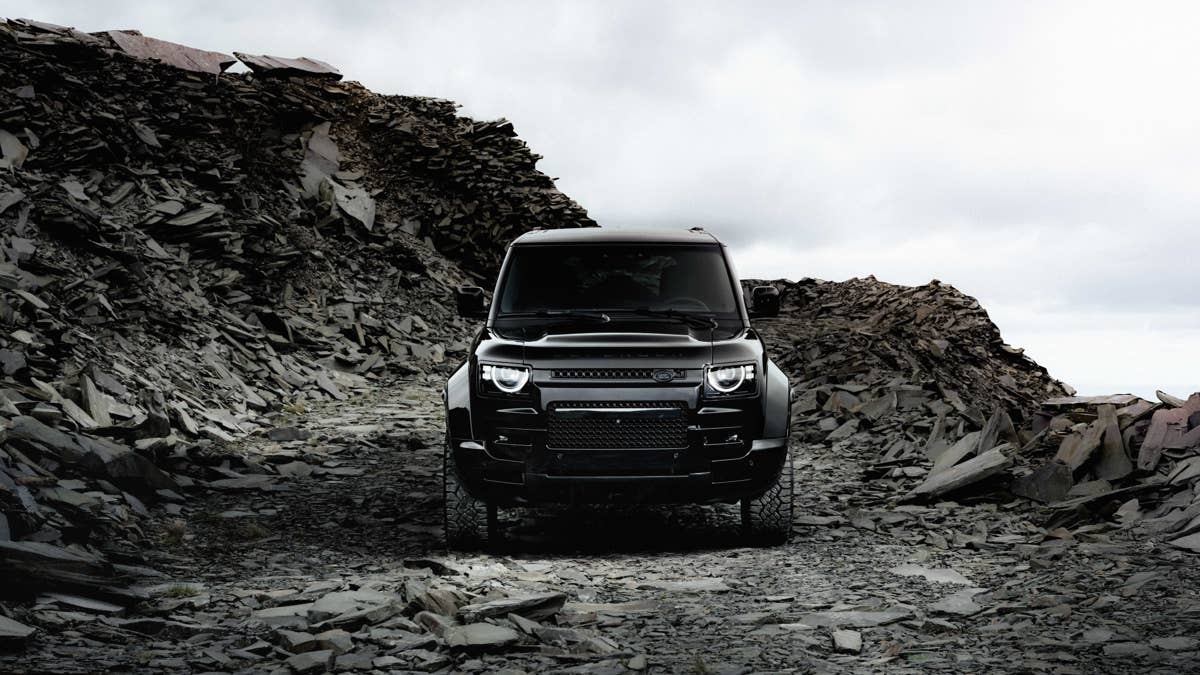
News of a third Defender is already running about, and Jaguar Land Rover is still working on getting production sorted stateside. The bigger question is, “Why?” Considering the strength of the Land Rover brand in off-road circles, this new model could create a stir, especially since the Defender is now more upmarket than before.
JLR’s still stuck paying tariffs for its models to get into the U.S., and recent developments have proven difficult for the brand to regain its footing amidst newer competition. Now, Stellantis has opened the doors to the British brands to produce cars in the United States, which opens up an opportunity for the company to rebound.
“Right” Side of the Fence
The import tariffs imposed by President Donald Trump haven’t made it easy for European manufacturers, JLR included. Both Jaguar and Land Rover suffer 10% import duties for U.K.-built cars and 15% import duties for E.U.-built cars. One model in particular is the Land Rover Defender, which is made in Slovakia and is 15% more costly to import because of those tariffs.
Richard Molyneux, JLR’s CEO, confirmed that the company will be working with Stellantis soon, once a memorandum of understanding has been formalized at the end of this year. What JLR and Stellantis are planning is a new Defender-based model built in collaboration with Stellantis, which will go into “new segments” of the market.
The “why” of it all is to follow what other European brands are doing. By moving production across the Atlantic, JLR can save millions in tariffs and make its vehicles more profitable in the long term. Other rivals like BMW, Mercedes-Benz, and Volvo are already on the other side of the fence, churning out fast-moving large SUVs for American car buyers.
Apart from that, this investment also insulates JLR against U.S. Dollar and British Pound fluctuations. “We end up with much more of a natural hedge to what is at the moment an extremely large, long-dollar position,” said Molyneux.
A New “Defender”
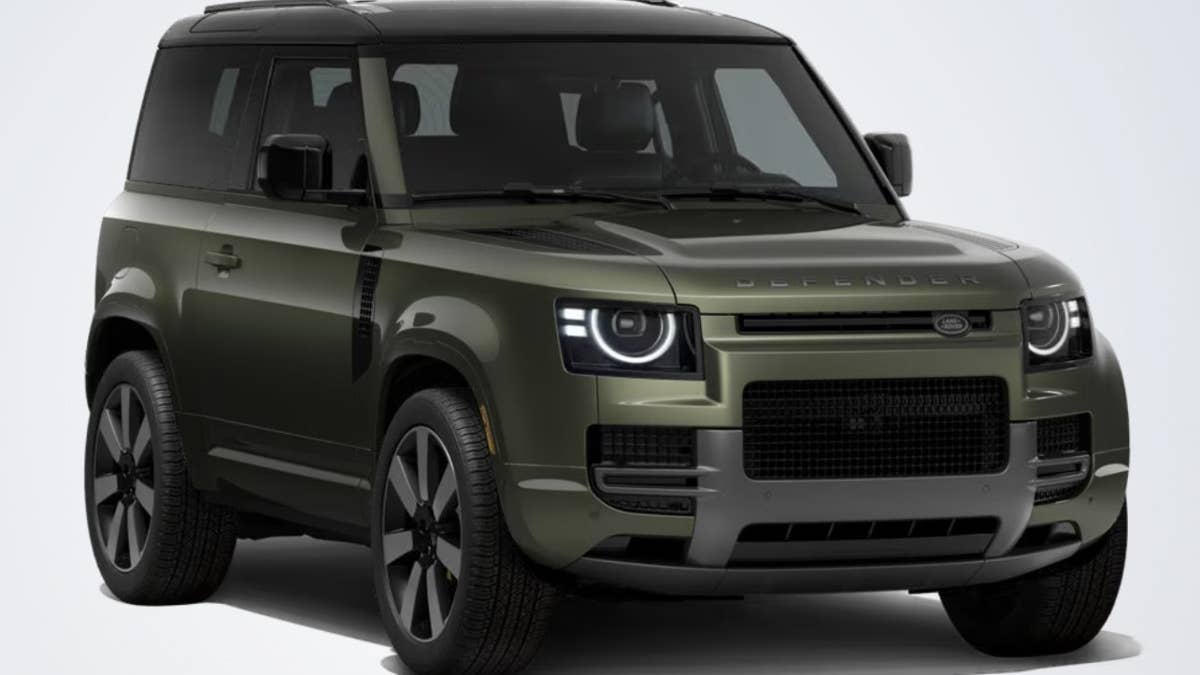
So, “why not the current Defender?” According to Molyneux, “At [JLR’s] scale, it doesn’t make sense for us to localize production of existing vehicles into North America. We sell circa 30,000 Defenders in the U.S. each year. We can never localize efficiency at 30,000 units, or even at 50,000 units,” he said.
“New segments” will be entered with new Defender-branded vehicles, which will be built in collaboration with Stellantis. That could mean new crossovers that wear Defender duds and badges, but it could also mean a new dedicated off-roader. According to our source, Automotive News, JLR could make a move and use the body-on-frame platform of the Jeep Wrangler to build a Defender, thus putting Stellantis and Land Rover back into the fight against the hot-selling newcomer: The Ford Bronco.
Declining Interest in China
The U.S. expansion of JLR is also a reaction to the declining interest in the company’s products in China. Competition in the East is getting serious and is foreseen to decline further. JLR was down 26% in the second quarter of this year and only accounted for 11 percent of total sales. It’s not alone, however, because other European brands are getting similarly hosed by other Chinese automakers that are now preferring electric/electrified mobility over internal combustion.
With China being “unlikely to get any easier for [JLR],” according to Molyneux, the U.S. is looking like a more viable option for the company to bunker down in. Because the company’s portfolio focuses on high-end and high-profit models, it could get a better result establishing itself in the United States rather than throwing more money into the Chinese market.
JLR’s moving to increase its revenue by 10% annually and boost its selling price to above $108,000 per car, up from about $101,000 last quarter. The opportunity is there, and Molyneux believes that the U.S. could hold the key to success, citing that the country generates the highest profits per car for the brand.
Land Rover