EVs Still Have Carbon Footprints
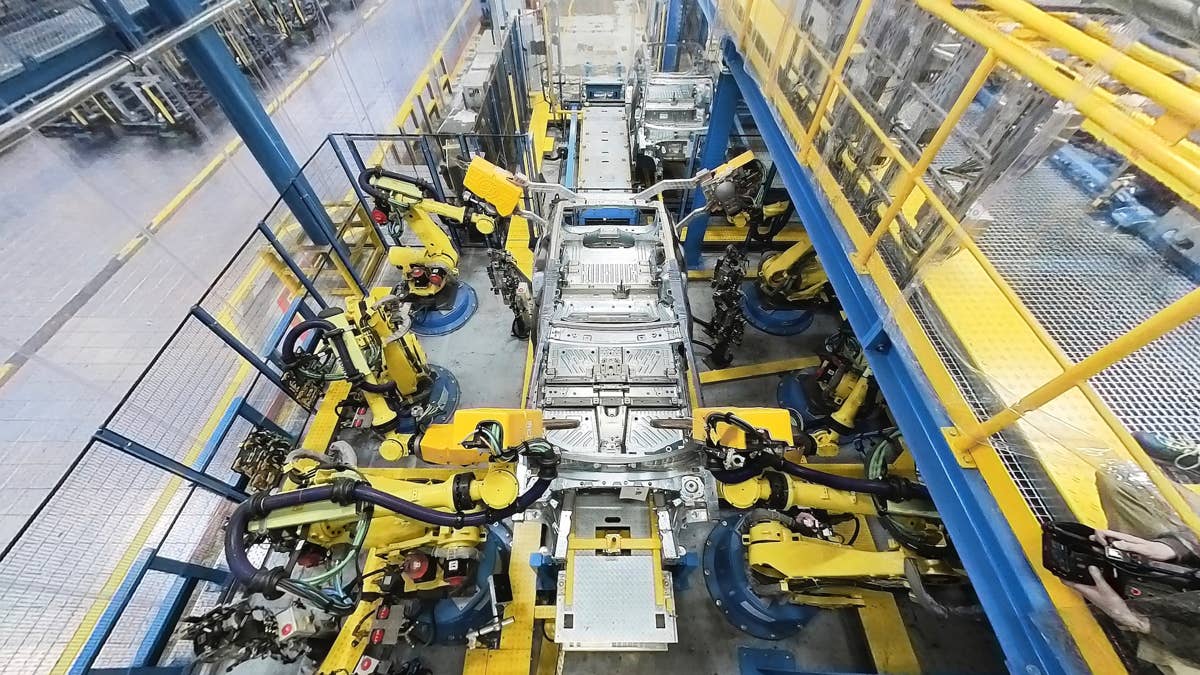
The production of an electric vehicle still leaves a carbon footprint, and studies have suggested that keeping a gasoline-powered vehicle would be more beneficial to the environment than buying a newly manufactured EV. Making an EV isn’t a clean process, unless certain things are followed. Buying a new EV would mean that you’re incurring a carbon debt to the environment, but this new study supports a contrary view to an article that we published back on May 22, 2026.
The new study claims to debunk the old adage of “the greenest car is the one in your driveway.” The old perspective did not take the emissions produced by the manufacturing and driving of the old gasoline-powered vehicle into account; instead, it treated them as a sunk cost. In a nutshell, EVs will eventually be greener than existing gasoline-powered cars, and it doesn’t take a long time either.
According to Elliot Campbell, a professor at the University of California and the man behind the initial EV vs ICE study, he said that “we really tipped the scales in favor of the gas vehicle.” Now, in Campbell’s new study, EVs are a clear winner, all other factors considered. His initial study was skewed more towards keeping gas vehicles running, and he was quoted saying, “I like to repair things and keep them going,” however, Campbell and his team “found there is a big advantage to retiring the gas vehicles early.”
Ford
Make the Switch
Grist.org is our source on this one, which reported on Campbell and other researchers. Campbell’s study finds that swapping a two-year-old gas car for an EV eventually leads to a lifetime emissions savings of about 50%. In the long run, an EV can help save the planet, but there’s more to it than just that. Not everyone can afford to buy a new car right away; climate-conscious individuals who’ve been wanting to should take the leap as soon as they’re able.
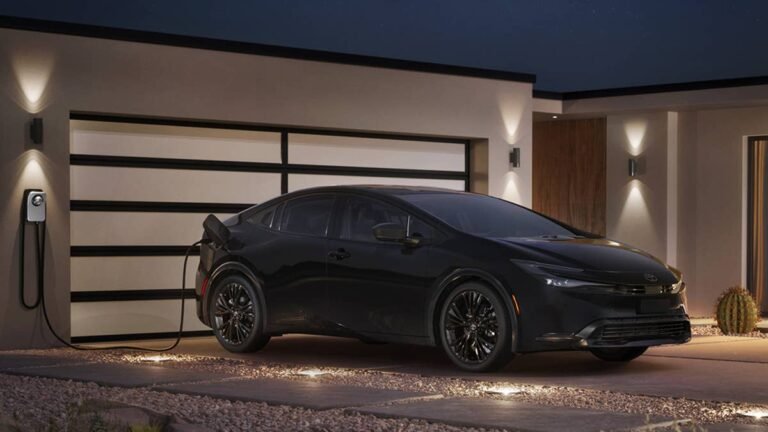
The initial study took out the part that considered the emissions of producing a gasoline-powered car, while the new findings took that and went further. Campbell’s conclusion signals that EVs are better in the long run than gasoline-powered and even hybrid vehicles, like the Toyota Prius.
However, there are certain exceptions that Campbell identified in his research, namely with plug-in hybrid electric vehicles (PHEVs). Compared to hybrids, which typically have very small battery capacities, PHEVs have larger batteries and can travel further on electric power only. Another exception is also low-mileage cars, or secondary vehicles that aren’t used that often.
The new research also finds that in order to pay off the carbon debt of building a new EV, it must be driven (on average) 4,400 miles if it is a car and 6,700 miles if it is a truck. Considering that a driver’s average is about 12,500 miles per year, EV owners can pay back their carbon debt long before their warranty periods are up.
Other Researchers Are Coming to the Same Conclusions
Apart from Campbell, Grist was also able to note down other researchers’ recommendations and findings in its article. David Reichmuth, a transportation sustainability expert at the Union of Concerned Scientists, said that “you’re just delaying the benefits longer and longer,” and that switching to an EV will also improve air quality.
Reichmuth conducted his research independently of Campbell, and in his work, he was able to find that EVs reach a break-even point at 18,000 miles – essentially when an EV starts being a net positive to the environment. That break-even point is versus buying a used gasoline-powered car. Considering the average distance a person usually travels per year, Reichmuth says that it will take about a year and a half (18 months) for this to occur, depending on where that person lives and their source of electricity.
EVs that get their power from a green grid are the ones that benefit the environment the most. One place that Grist cited is upstate New York, which benefits from a lot of hydroelectric power. If you were to put things into perspective, the emissions of running an EV would be like running a gasoline car with an average fuel economy of 219 miles per gallon. Moreover, the source added that “an EV is better than anything getting less than 68 miles per gallon.”
In addition, even researchers from the University of Michigan are publishing similar findings, stating that “EVs are cleaner than gas cars everywhere in the U.S.”

The Initial Carbon Debt Can Still Be Reduced and Offset
Campbell is still gathering more factors that contribute to his message. In the future, it’s likely that EV production will get more efficient as more renewable sources of energy are eventually exploited fully. Whether it’s in the area of EV production or running an EV on the road.
One of the areas of improvement that EVs can take advantage of to minimize production emissions would be to utilize recycled materials in the manufacturing process. That includes the actual materials to make the car, and also recycled batteries.
Another stream of data that Campbell hasn’t pulled on, but would help cement his conclusion, is the emissions that are involved in the extraction and processing of oil into fuel, in addition to the carbon emissions of simply burning it in engines.
With all of these factors and potential factors in play, Campbell’s conclusion said that “we’re trying to show that there’s not an environmental motivation for extending the lifetime of a gas vehicle,” and that “electric vehicles are a very clear winner.”
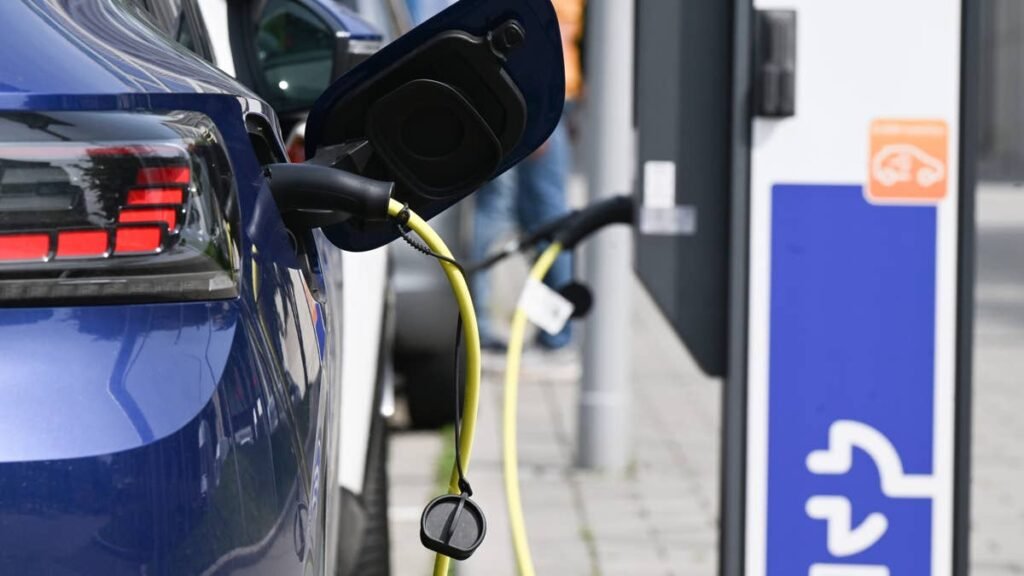
JEFF KOWALSKY/AFP via Getty Images