A Little Less Bad for EVs
Since the $7,500 federal EV tax credit expired in September 2025, the U.S. electric-vehicle market has posted decline after decline. June 2026 showed some signs of improvement, with EV registrations topping 100,000 for the first time since the incentive ended. Still, the month marked the market’s ninth straight year-over-year decline.
Automotive News, citing Mobility Global, reported that U.S. EV registrations fell 11% year over year in June to 100,515 vehicles. For shoppers, the softer demand could mean continued discounts and other incentives as automakers work to move inventory. Hybrids, meanwhile, have gained ground with U.S. buyers, adding pressure to the EV market.
Tesla
The Biggest EV Brands in June
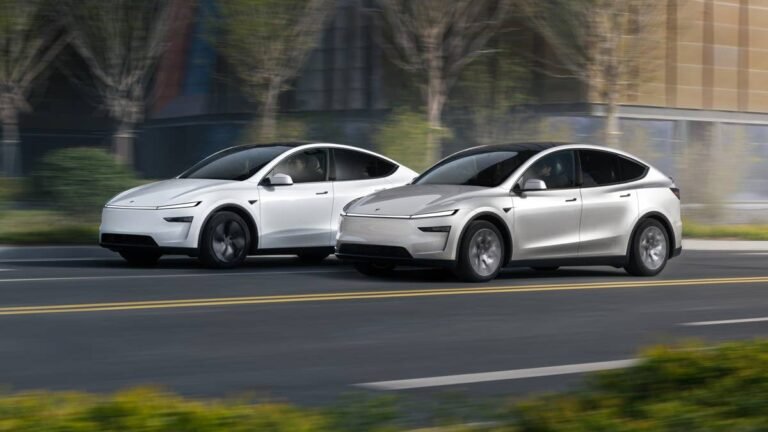
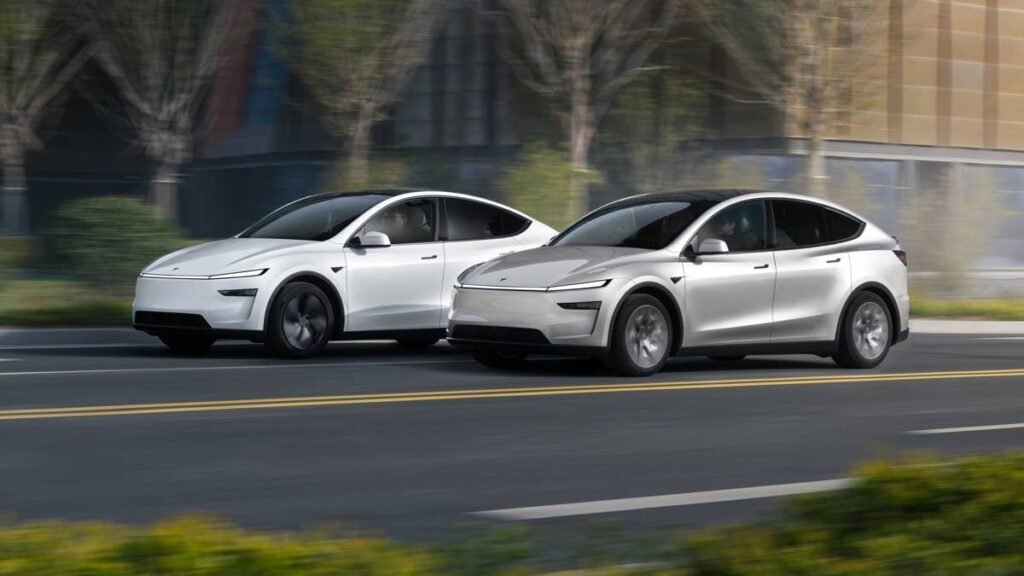
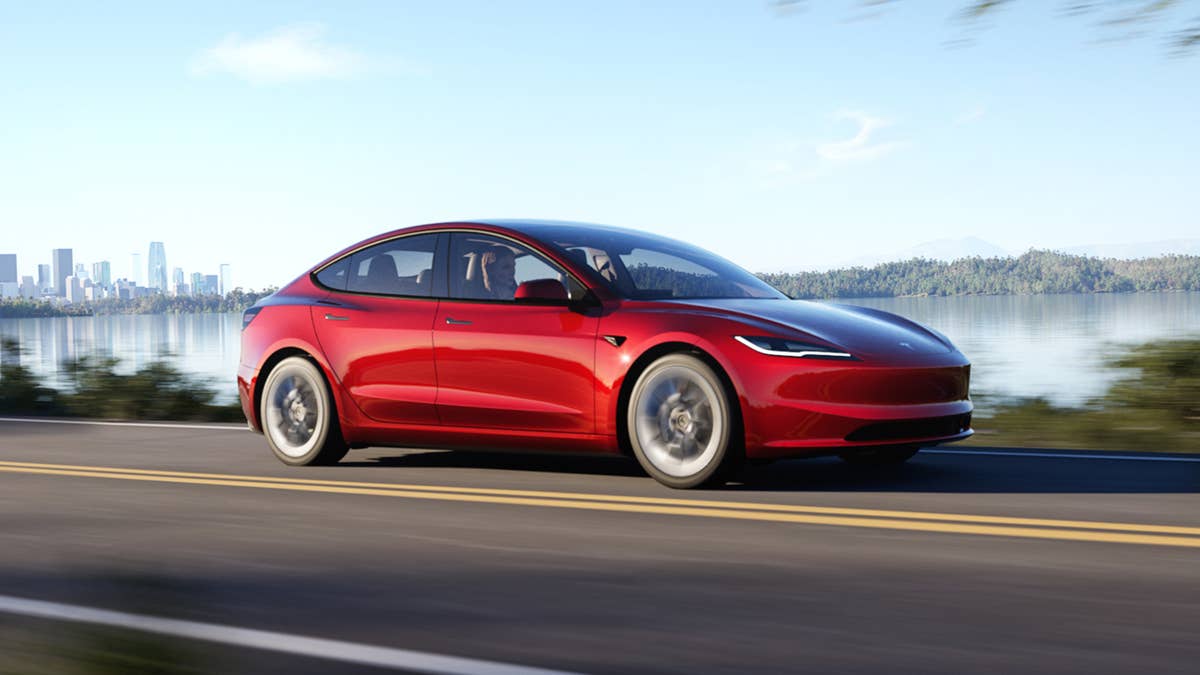
Needless to say, Tesla still topped the June rankings with 61,813 registrations, an 8% increase from the same period last year. It accounted for 61.5% of new U.S. EV registrations, while its bestselling model, the Model Y, captured 42% of the market on its own.
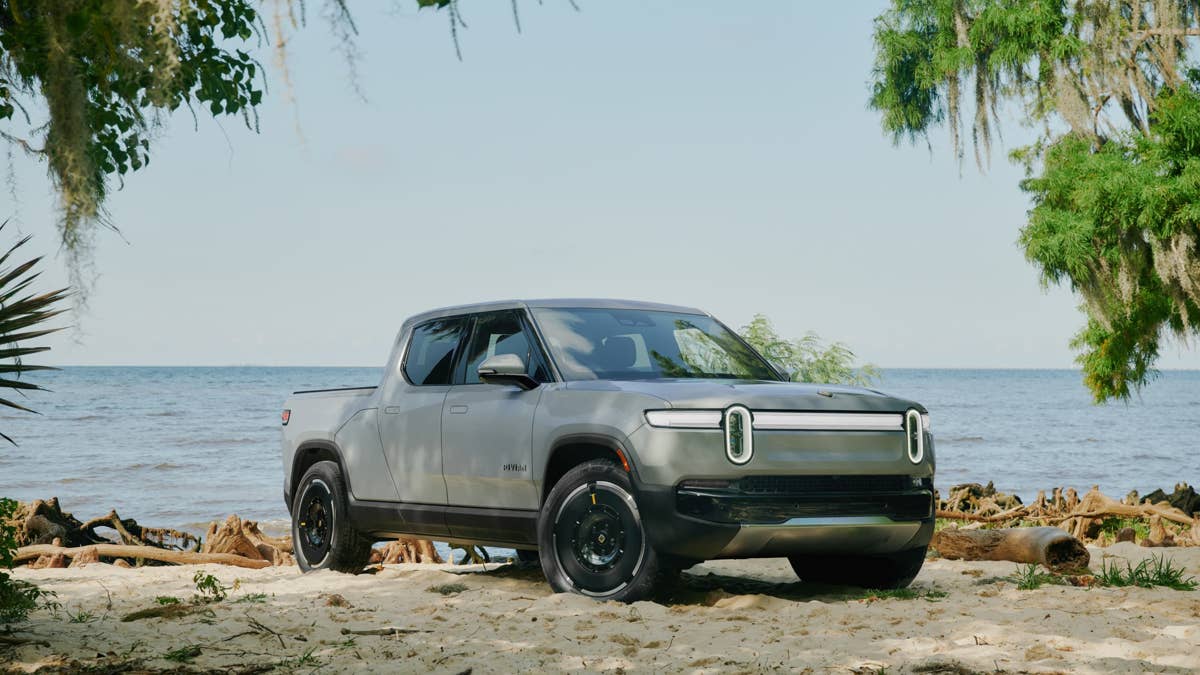
Interestingly, Rivian surpassed Hyundai to take second place with 4,535 EV registrations. That represented a 1.7% year-over-year decline, but nearly half of its total came from commercial vans, whose registrations rose 43% to 2,061. Registrations for the R1T and R1S both declined. It is worth noting that the R2 – expected to become the brand’s volume seller – only began customer deliveries in June, so the California-based automaker’s numbers could improve in the coming months.
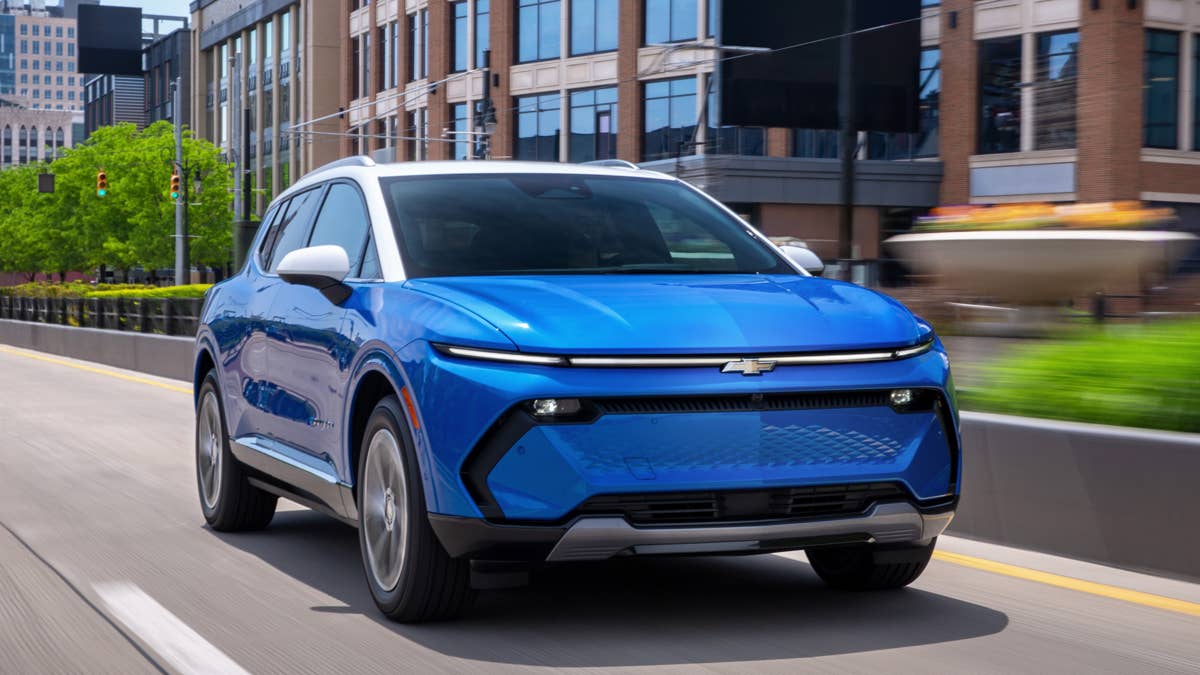
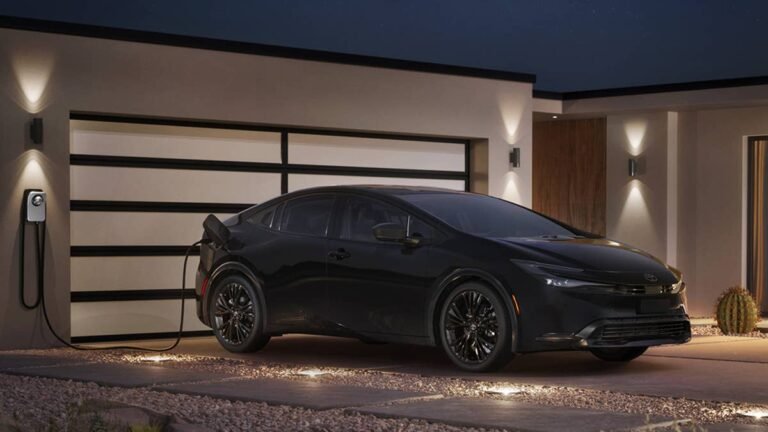
Chevrolet placed third with 4,094 EV registrations, down 57% year over year, followed by Hyundai with 4,011, down 23%, and Cadillac with 3,931, down 4.6%. Toyota, which was slow to embrace EVs during the segment’s rapid rise, registered 3,690 vehicles – a 167% increase from the same period last year. To be fair, the redesigned bZ (formerly bZ4X) only arrived in the second half of 2025, while the C-HR EV reached U.S. dealerships earlier this year, giving the company a low comparison base.
Rivian
The EV Market’s Long Way Back
The silver lining in the declining registrations is that the EV market appears to be stabilizing faster than the bleakest forecasts expected. However, no major rebound is expected anytime soon, with automakers reportedly hesitant to commit more resources to EVs.
Demand is currently shifting toward hybrids, an interesting development given that surging fuel prices have also increased interest in all-electric cars. That trend is particularly visible in California, America’s largest EV market, where hybrids accounted for more than 22% of first-half registrations, ahead of EVs at roughly 16%.