Art Movements, published every Thursday afternoon, is a roundup of must-know news, appointments, awards, and other art-world happenings.
Wolf Kahn Foundation Opens Permanent Space in NYC
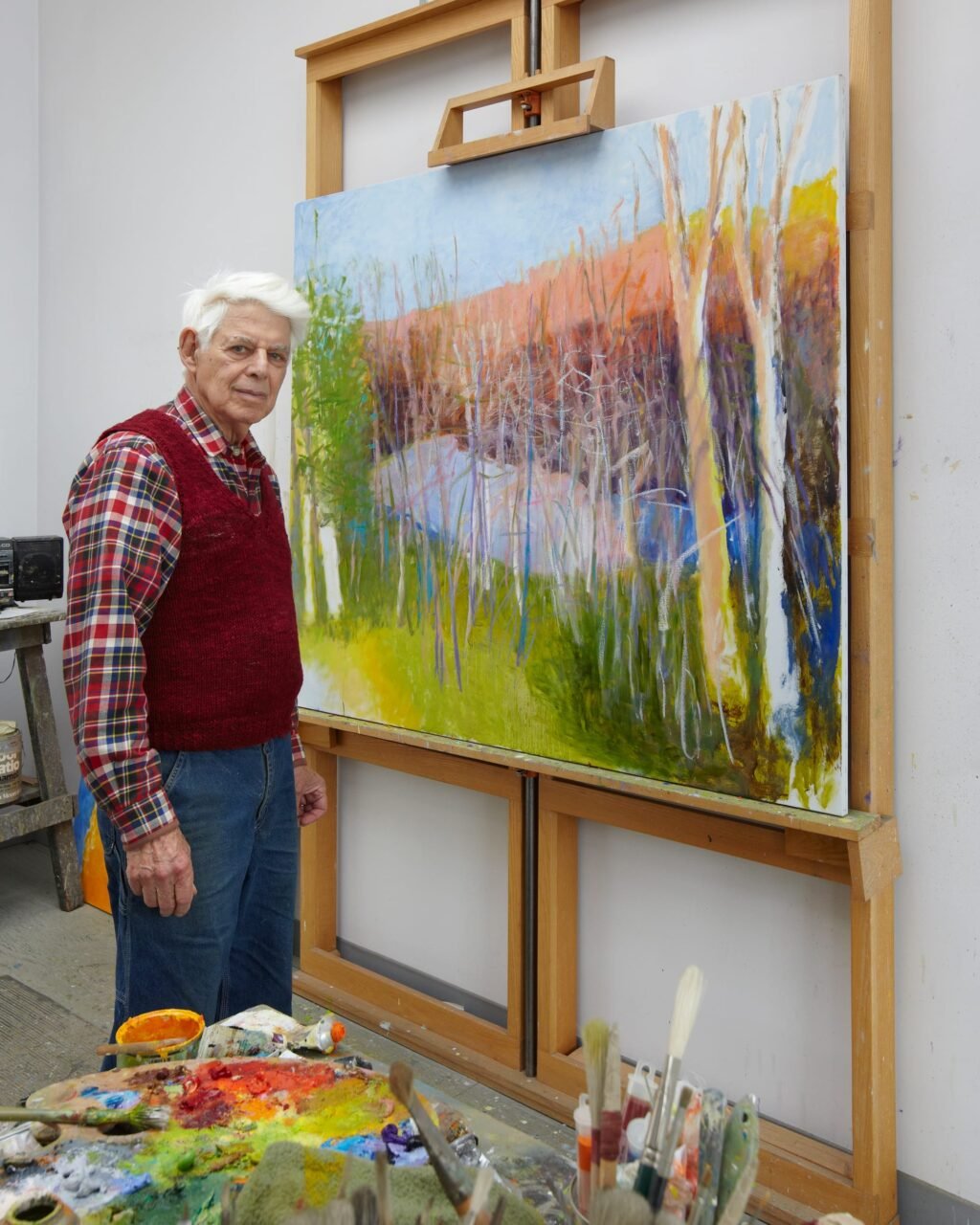
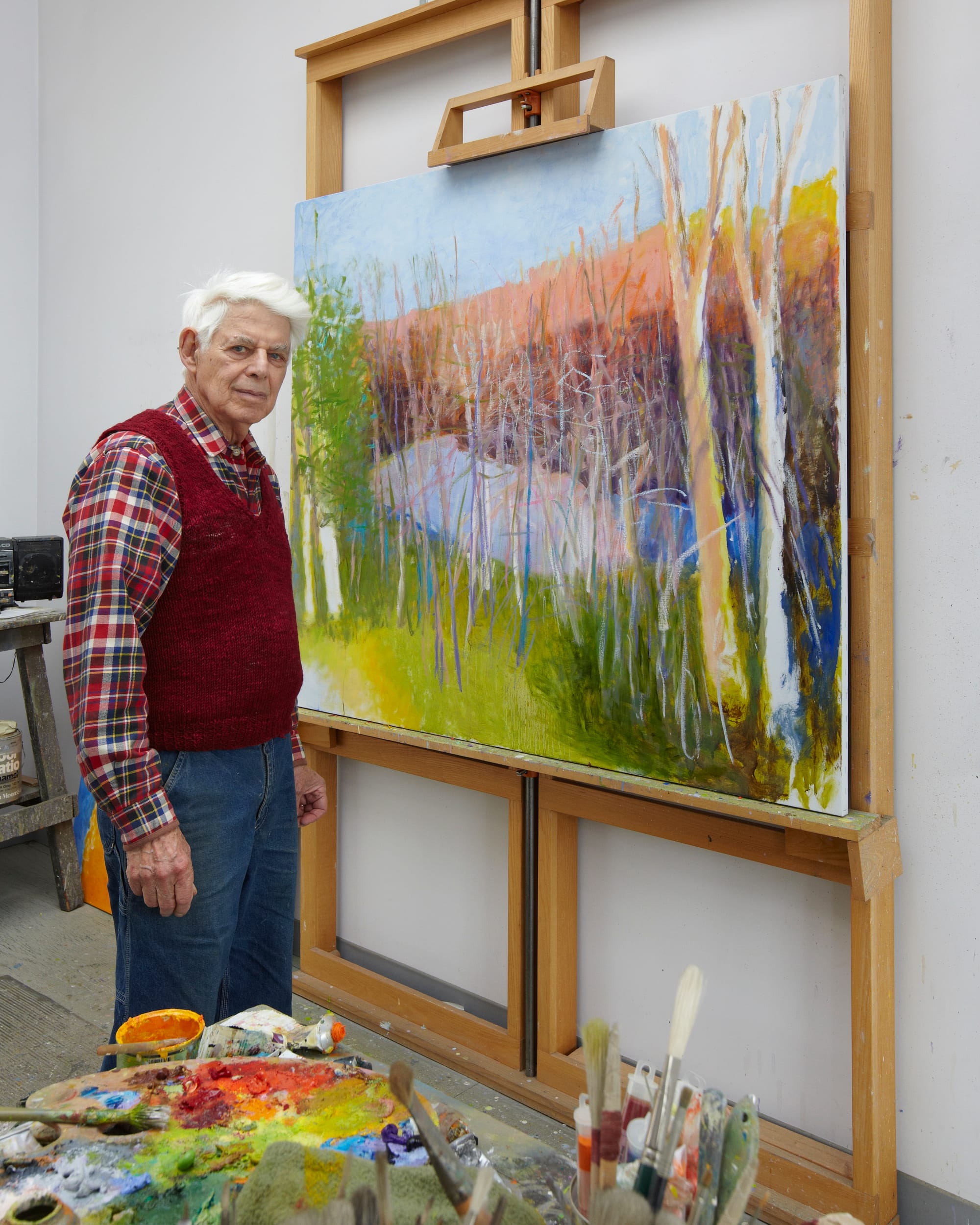
The legacy of Wolf Kahn, the German-born American artist whose lush, hue-drenched landscapes bridged Realism and Color Field painting, is entering a new era with a permanent space for his foundation in New York City. The Wolf Kahn Foundation and Archives at 134 West 26th Street will be open by appointment starting Monday, August 24, one year ahead of the late artist’s centennial in October 2027. It’s the first designated center for scholarship on the painter, housing a trove of research materials including early studies, letters, lectures, publications, and photographs.
Ellen McCulloch-Lovell, president of the Wolf Kahn Foundation and a friend of Kahn until his death in 2020, told Hyperallergic that while he traveled widely and lived half the year on a hill farm in Vermont, the artist “always returned to his studio in NYC.”
“A refugee from Nazi Germany, he rejoined his family in the US, graduated from NY’s High School of Music and Art, and after a stint in the Navy, took classes at the New School for Social Research and entered the Hans Hofmann School. He taught at Cooper Union, met many of his artist peers of the day, and helped organize Hansa Gallery,” McCulloch-Lovell said.
“The Foundation’s presence in New York reflects his career and identification as a Second Generation, New York School artist,” she added.
MoMA PS1 Gets a New Eatery
In more New York news, MoMA PS1 will open a café led by chef DeVonn Francis in early October. Named Symone and inspired by Francis’s Caribbean and Jamaican roots, its menu will feature French-African cuisine, including curry chicken salad sandwiches and patties. The restaurant will soft launch with select menu items during Printed Matter’s NY Art Book Fair from September 24–27. Sounds mouthwatering — just hope it’s not a classic $20 art-world sandwich situation.
Acquisitions
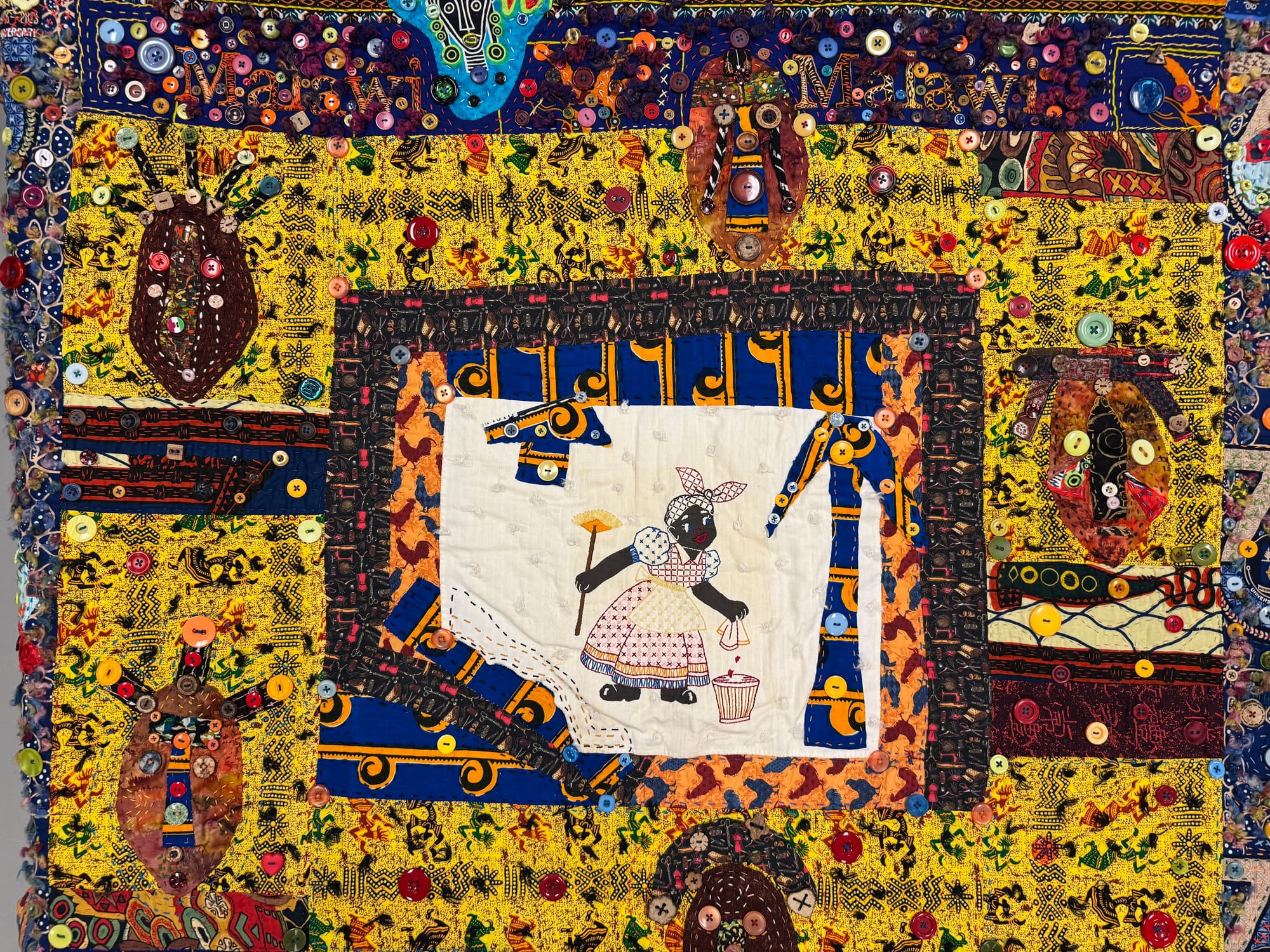
- The Mississippi Museum of Art in Jackson has added a trove of artworks to its collection, including photographs by Tommy Kha, 33 mid-20th-century Choctaw baskets, a hand-drawn abstract composition by Rob Carpenter, and 18 works from Doy Gorton’s White South series, photographs taken between 1969 and 1970 that document Southern society during legalized white supremacy. Also among the new holdings is heritage quilter Stephany Brown’s “Madea” (2025), a piece inspired by the African-American women “on whose shoulders she stands,” in her words.
- The Cape Ann Museum in Gloucester, Massachusetts, scored an exquisite early watercolor and gouache painting by Mark Rothko. “Untitled (wharf, Gloucester, Massachusetts)” (1934), donated to the institution by the artist’s son, Christopher Rothko, depicts the city’s inner harbor as seen from neighboring East Gloucester, where the painter summered with friends Adolph Gottlieb and Milton Avery.
What Else Happened?
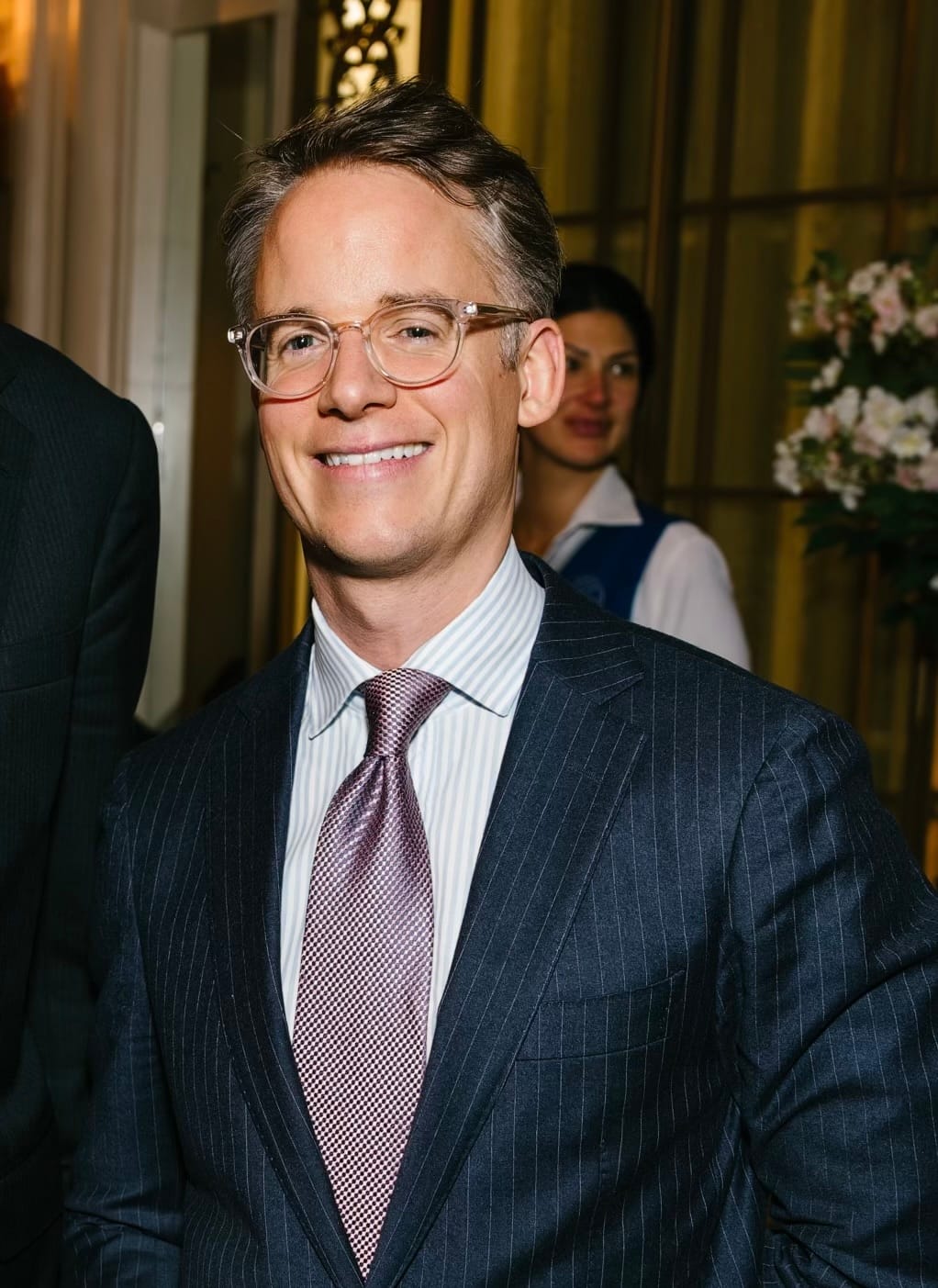
- Wolf Burchard was appointed curator in charge of the Department of European Sculpture and Decorative Arts at the Metropolitan Museum of Art.
- Elizabeth S. Humphrey was named curator of American Art at the Portland Museum of Art, a new position endowed by the Peter and Paula Lunder family foundation.
- May Makki was appointed associate curator at the Storefront for Art and Architecture.
- In the wake of mass layoffs and artist roster reductions at Pace Gallery, two top employees have left their roles, Artnews reports. Amelia Redgrift, the gallery’s chief communications officer, and Dani Forest Brandi, a senior sales director, have both stepped down.
- The Bechtler Museum of Modern Art named Chris Revelle as its director of Learning and Engagement.
- Christine Nyce was named director at Sargent’s Daughters. Nikki Myers was named gallery associate.
- Jessica Lang was selected as the next artistic advisor for the multidisciplinary residency Kaatsbaan Cultural Park in the Hudson Valley.
Wildcard
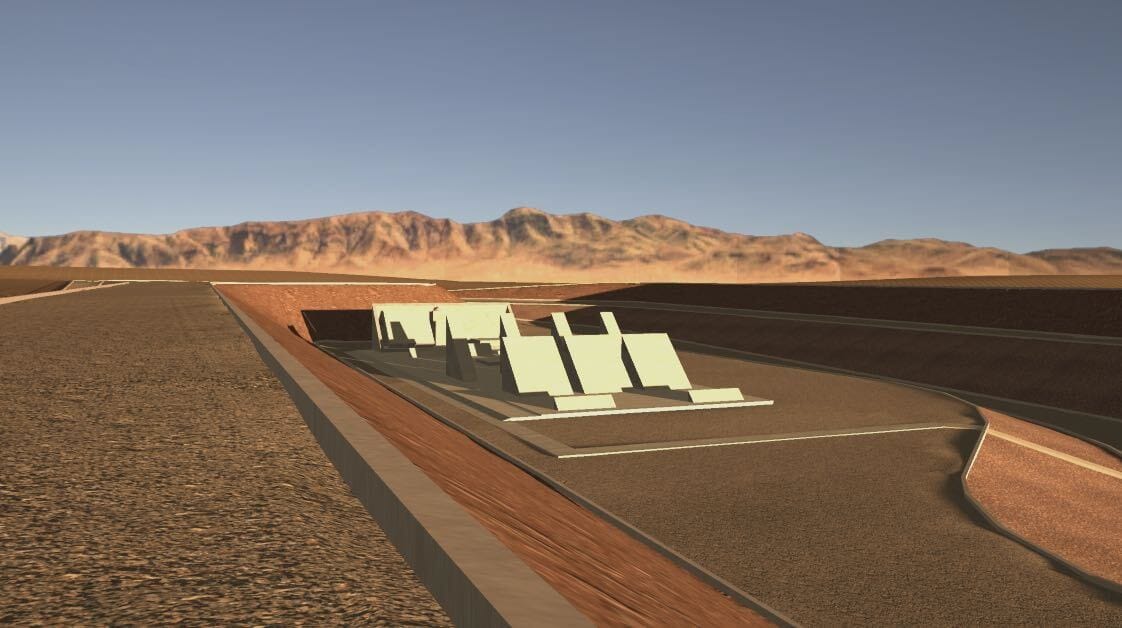
Digital artist Lily Belmira has created a playable video game based on Michael Heizer’s infamously difficult-to-visit Land Art sculpture “City” (1970–2022), which only six people are allowed to visit per day at a cost of about $150 per person. “This project took me about a week. I’ve probably spent more time looking at City than anyone but Heizer, his contractors, and his security. I didn’t like City when I started, and I saw this project as a way to undermine its power,” Belmira wrote on her blog. “It’s emblematic of a lot of things I don’t like about art. If there was some powerful aesthetic experience to have with it, I guess I would be happy to give a lower resolution version of that to a lot of people.”